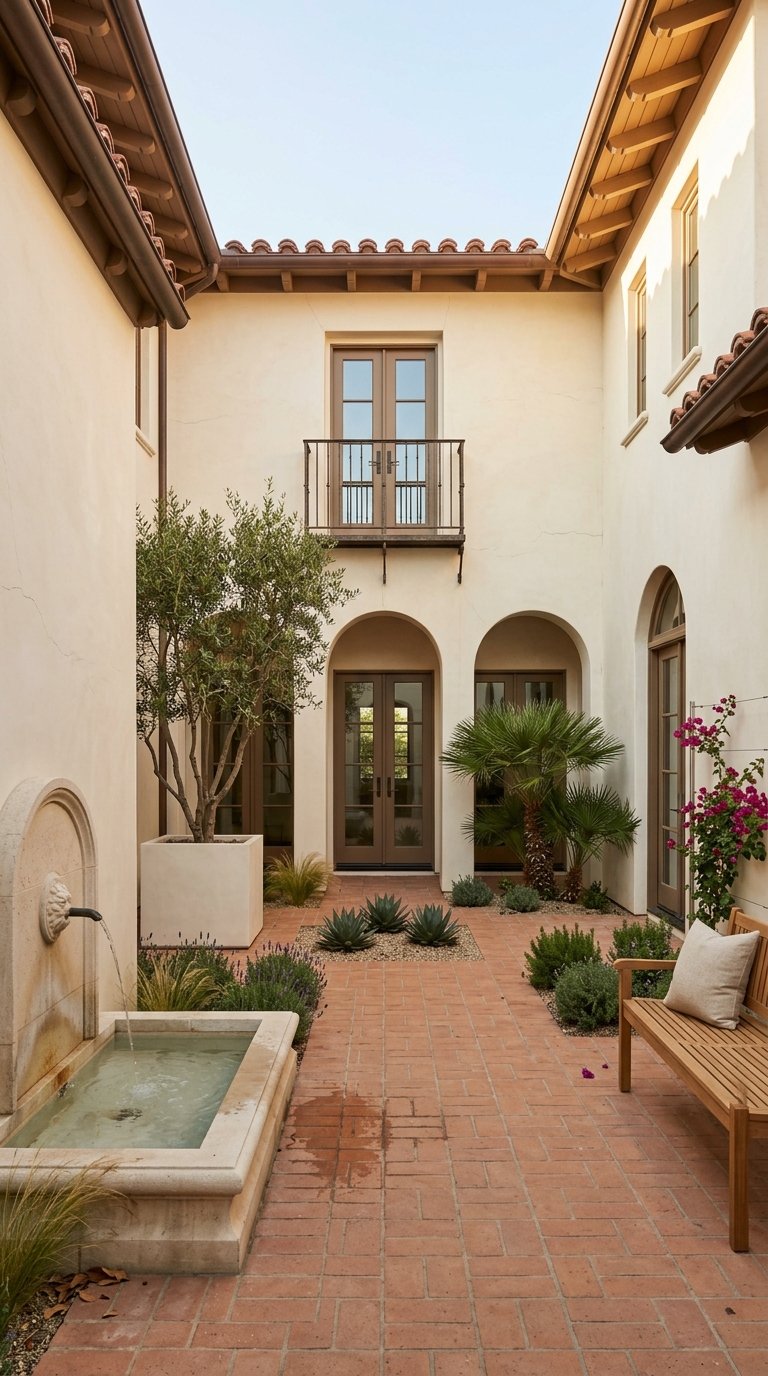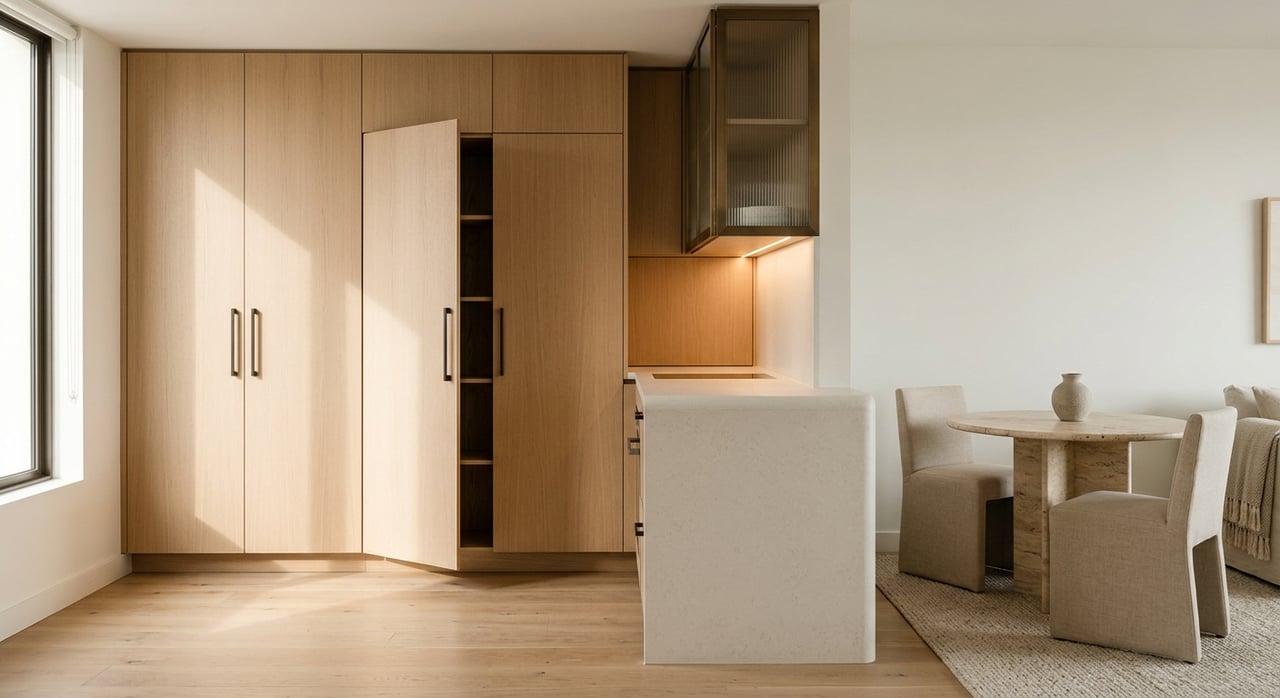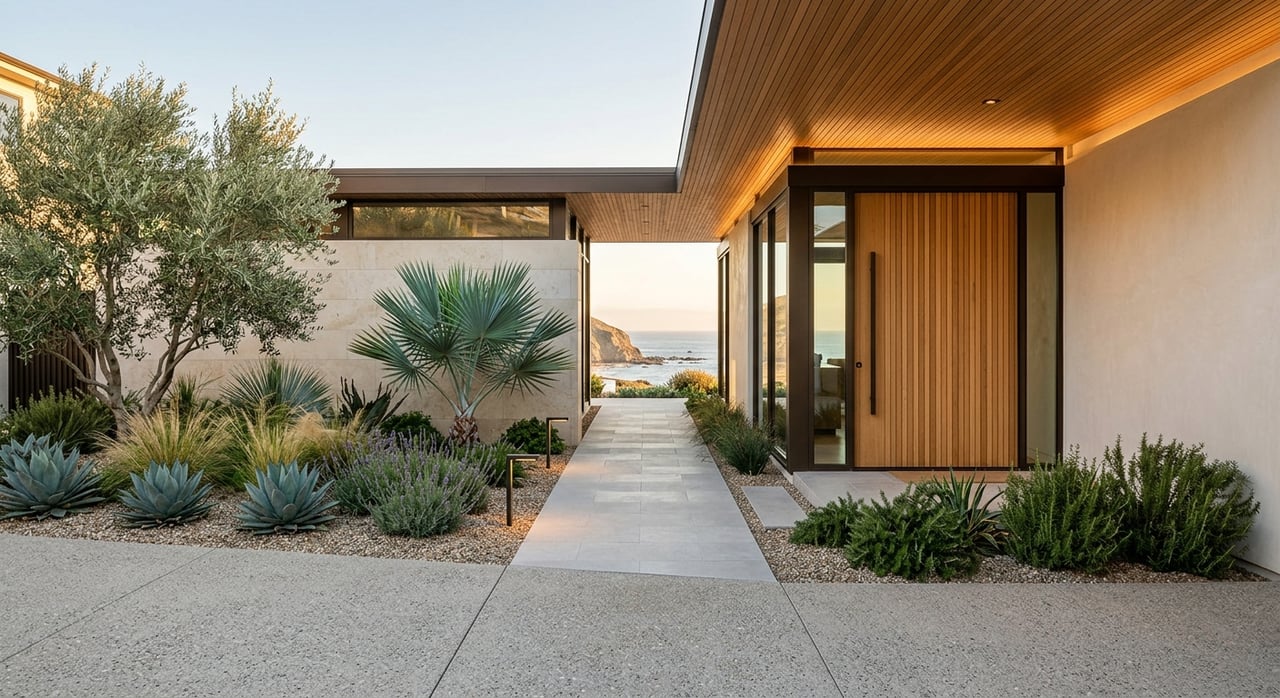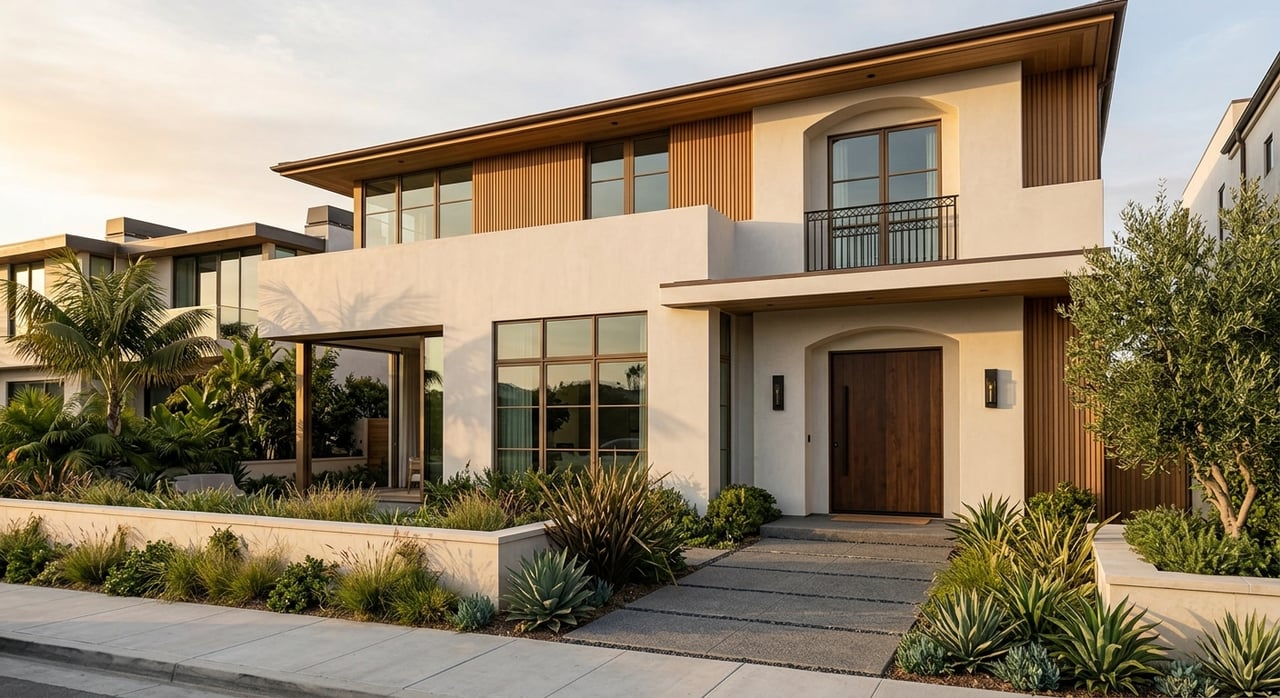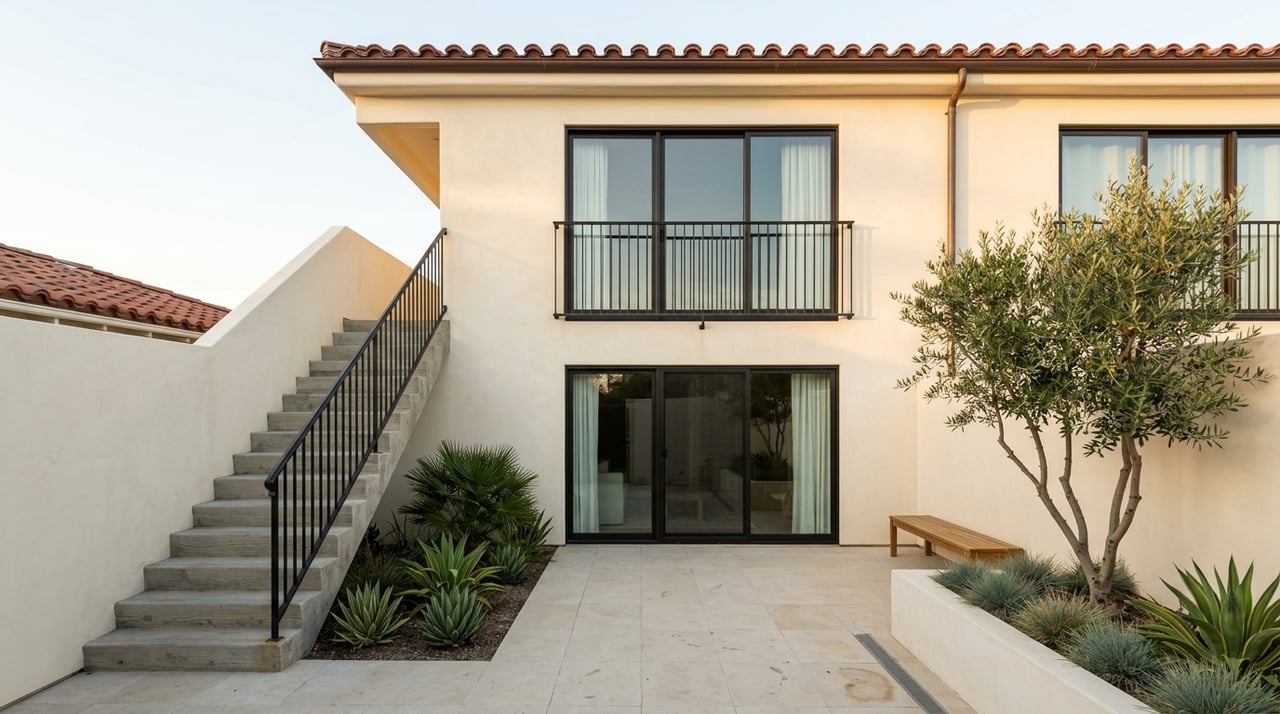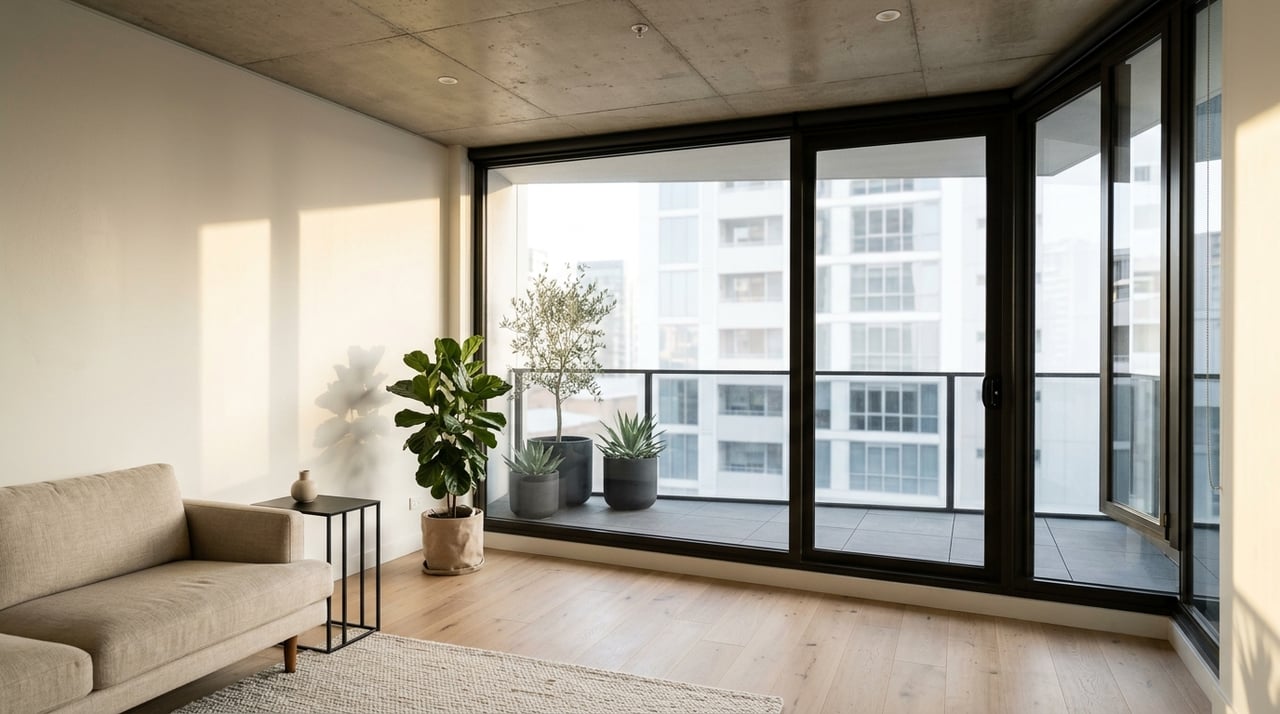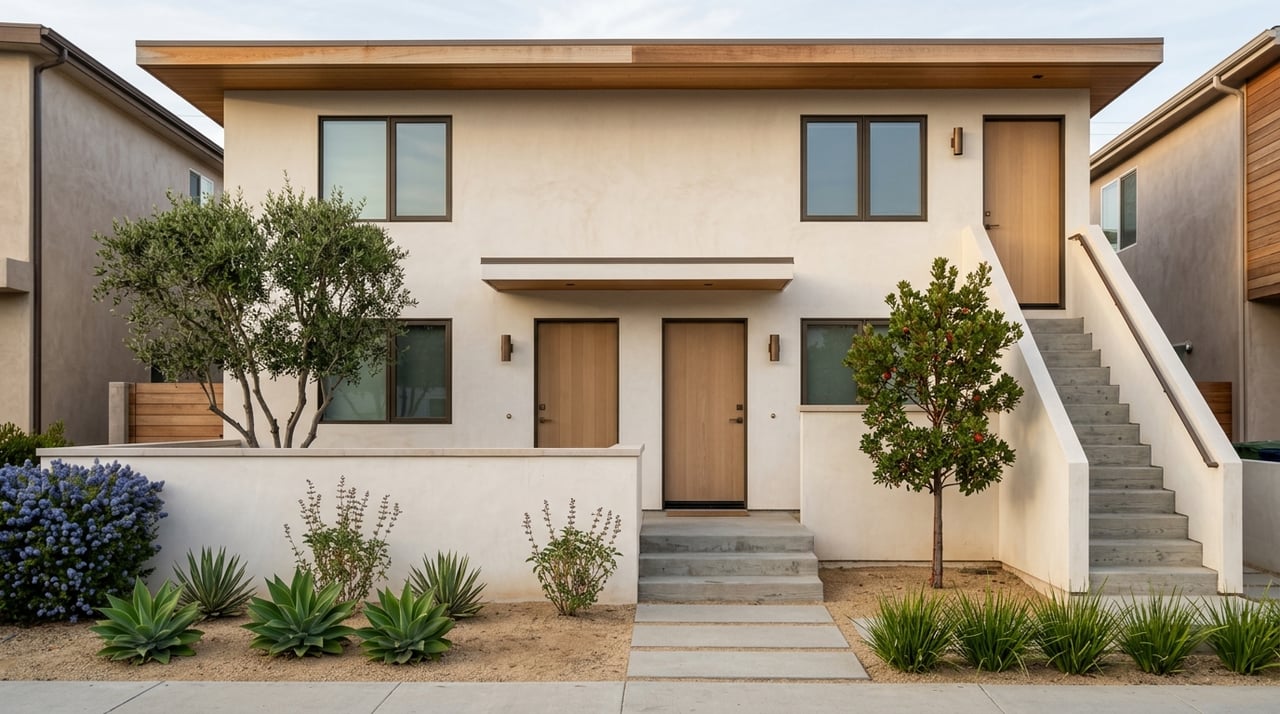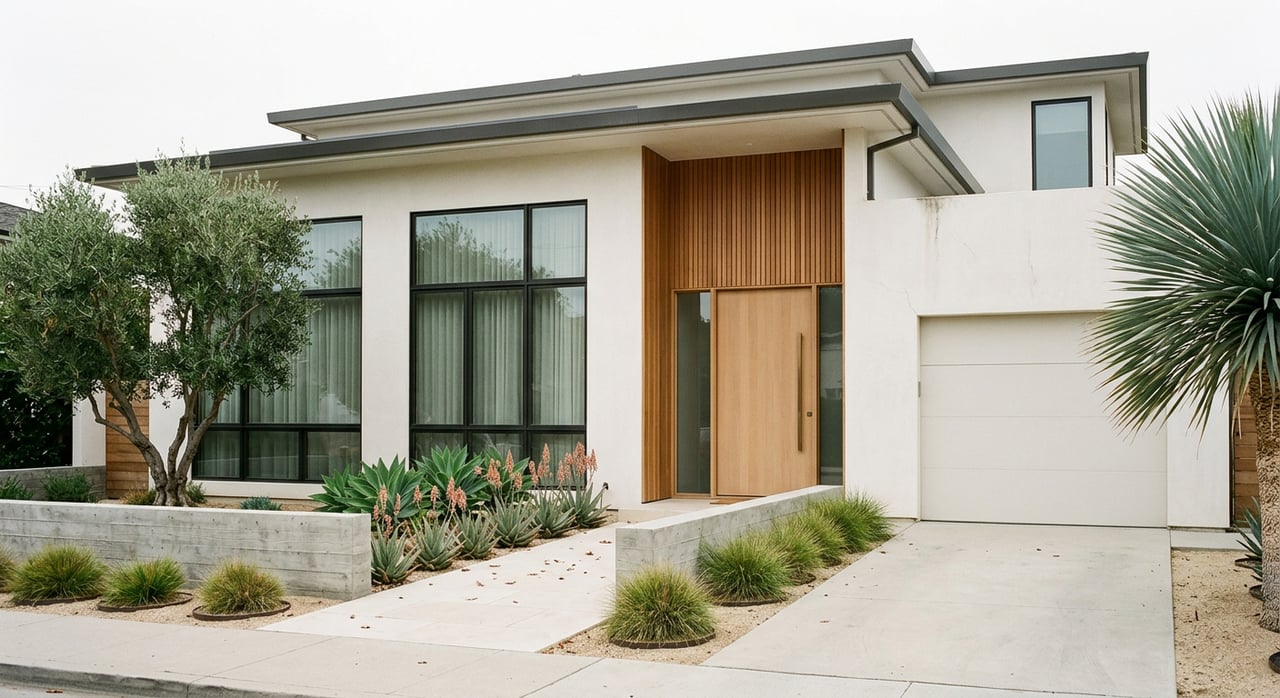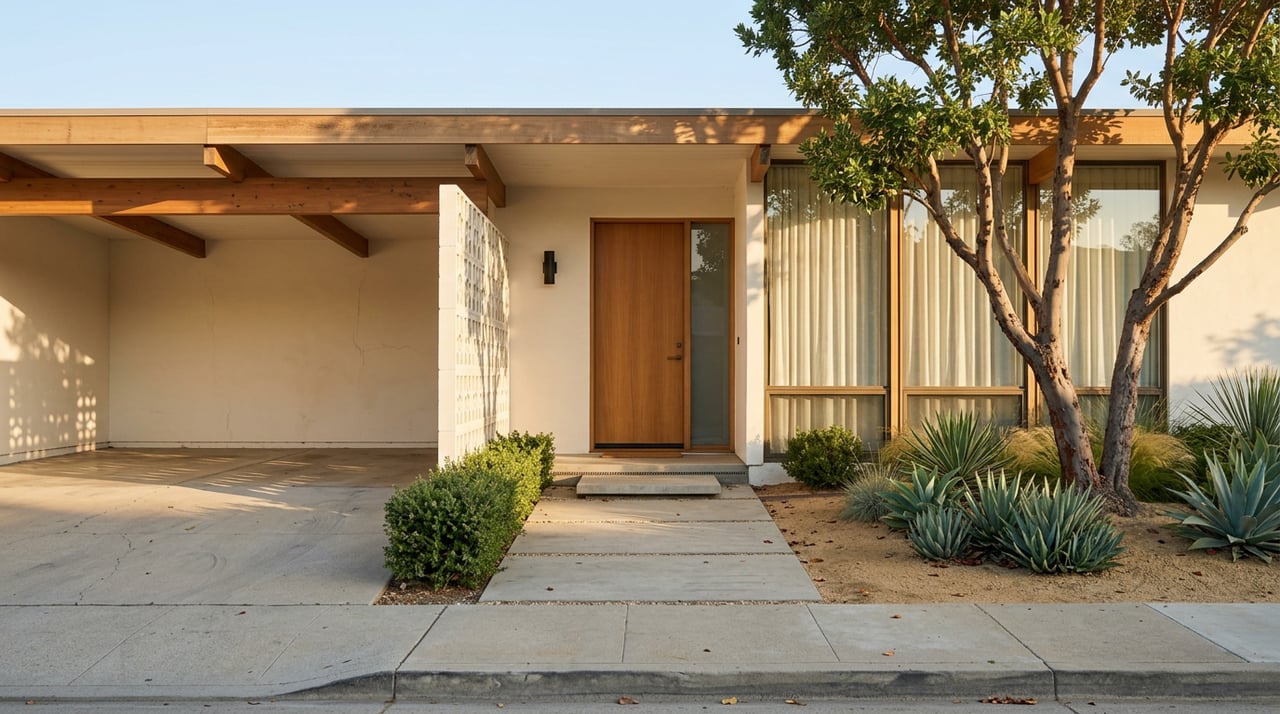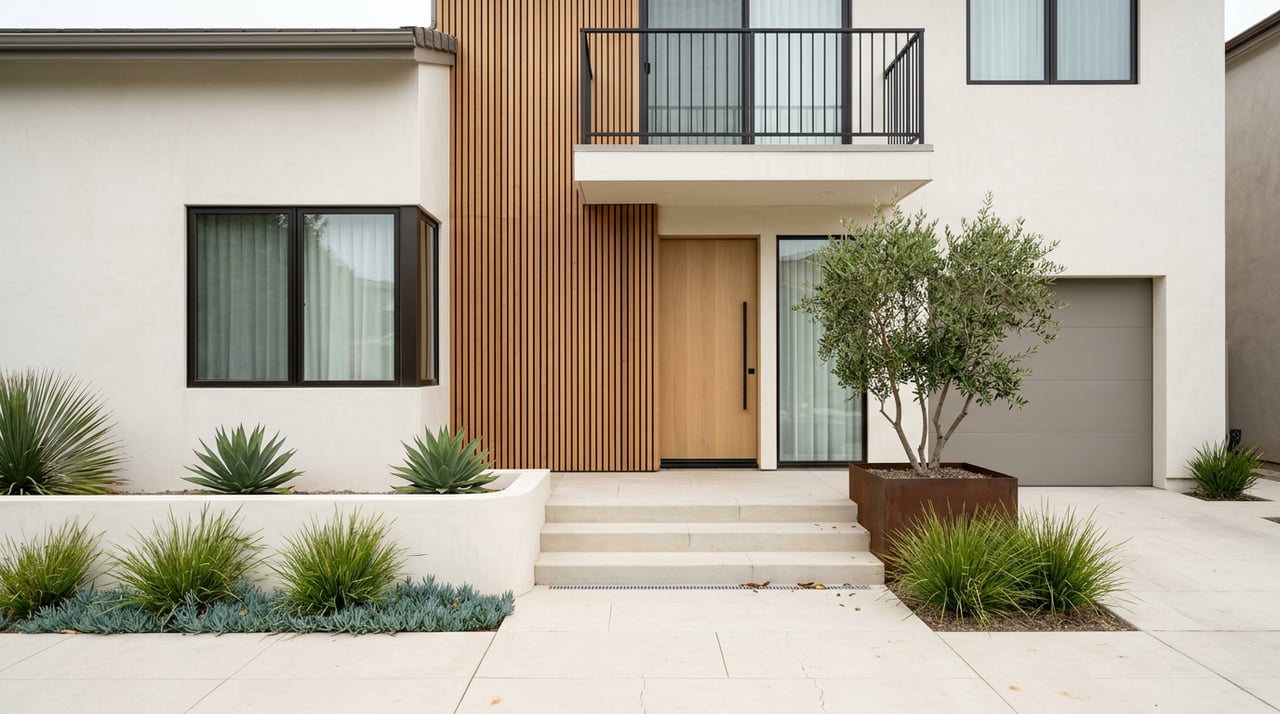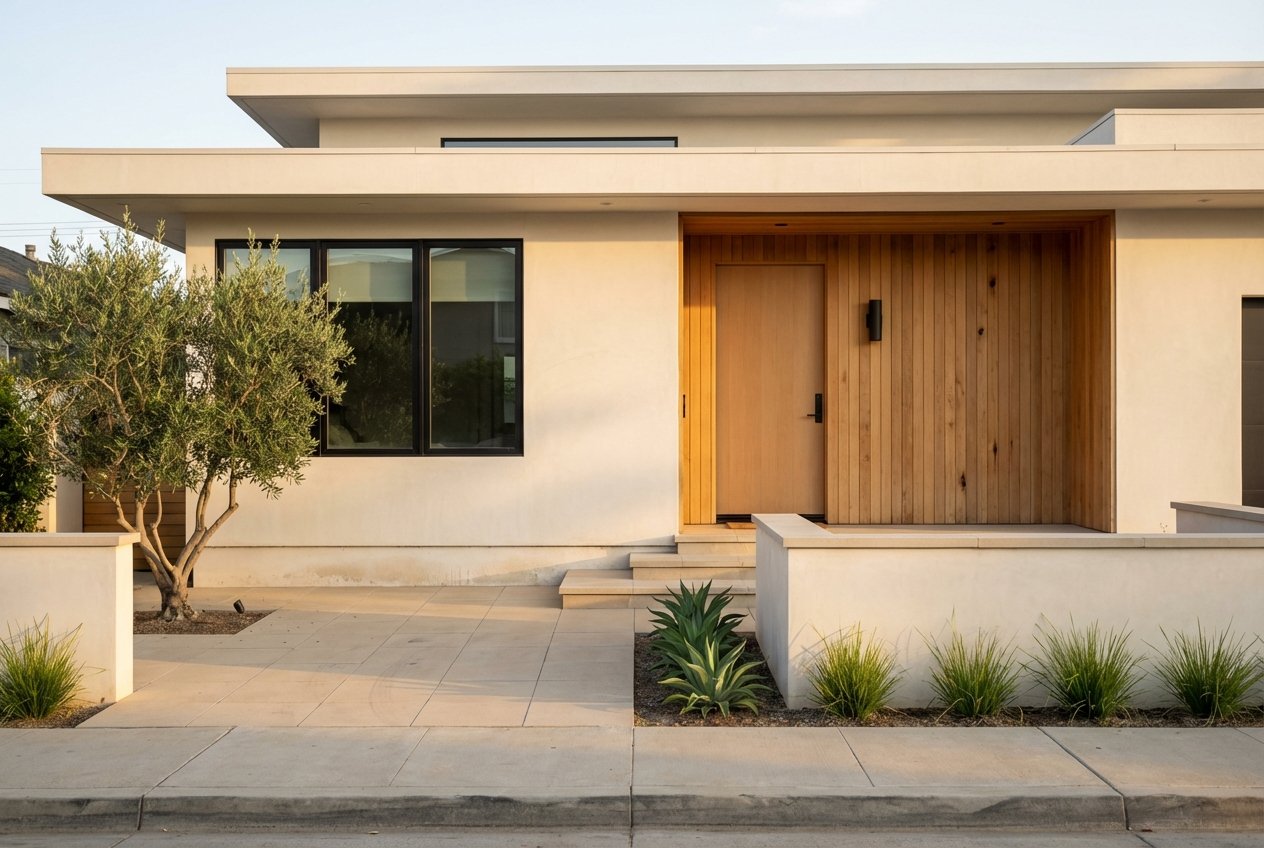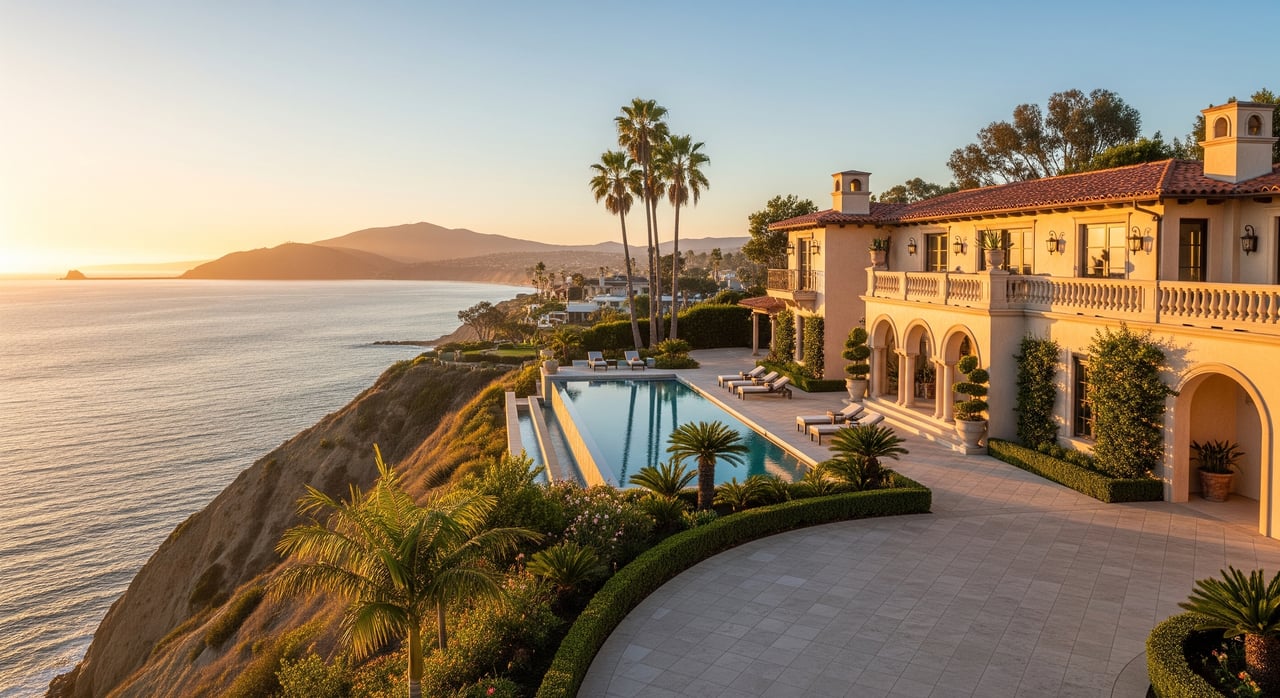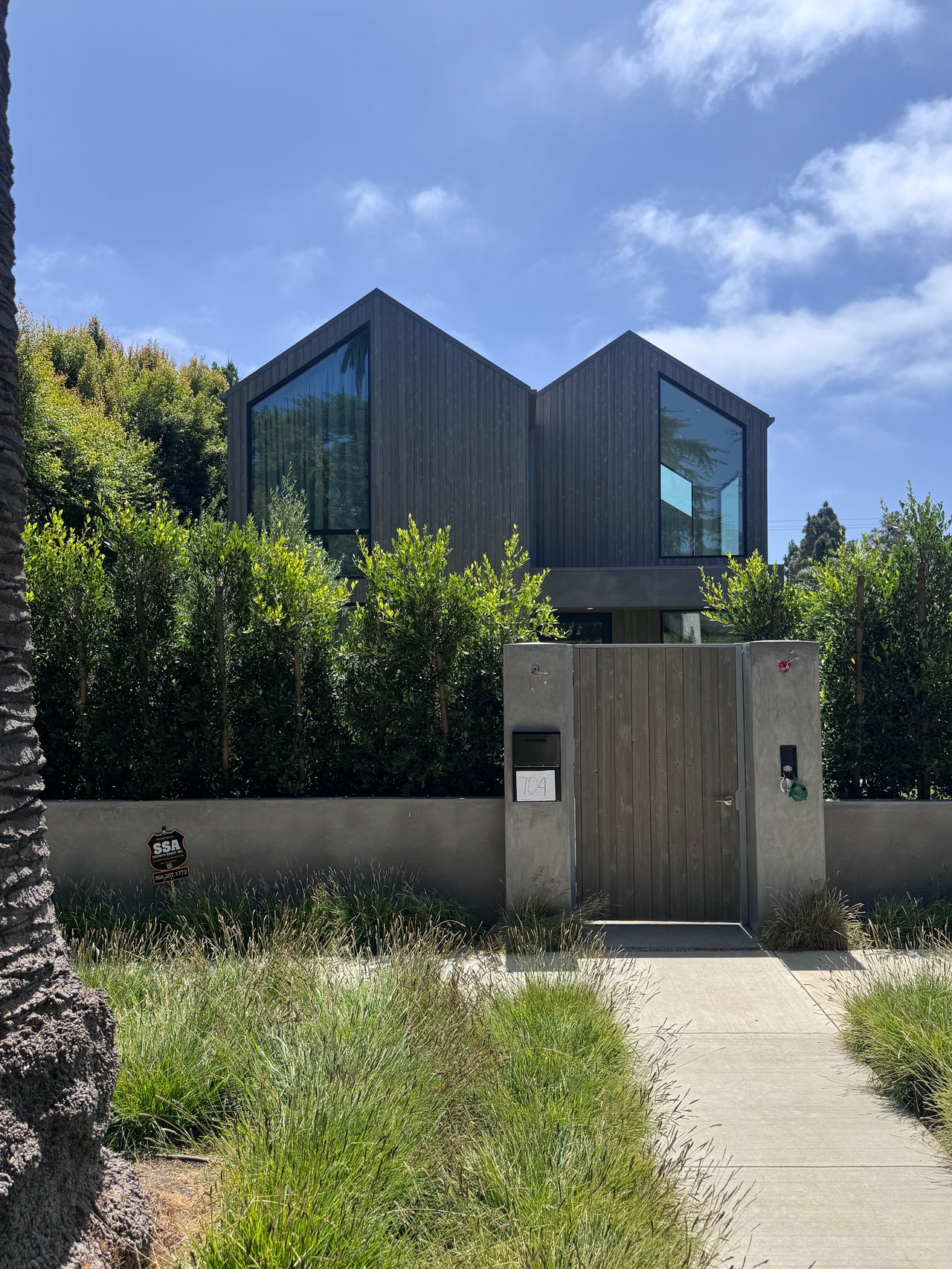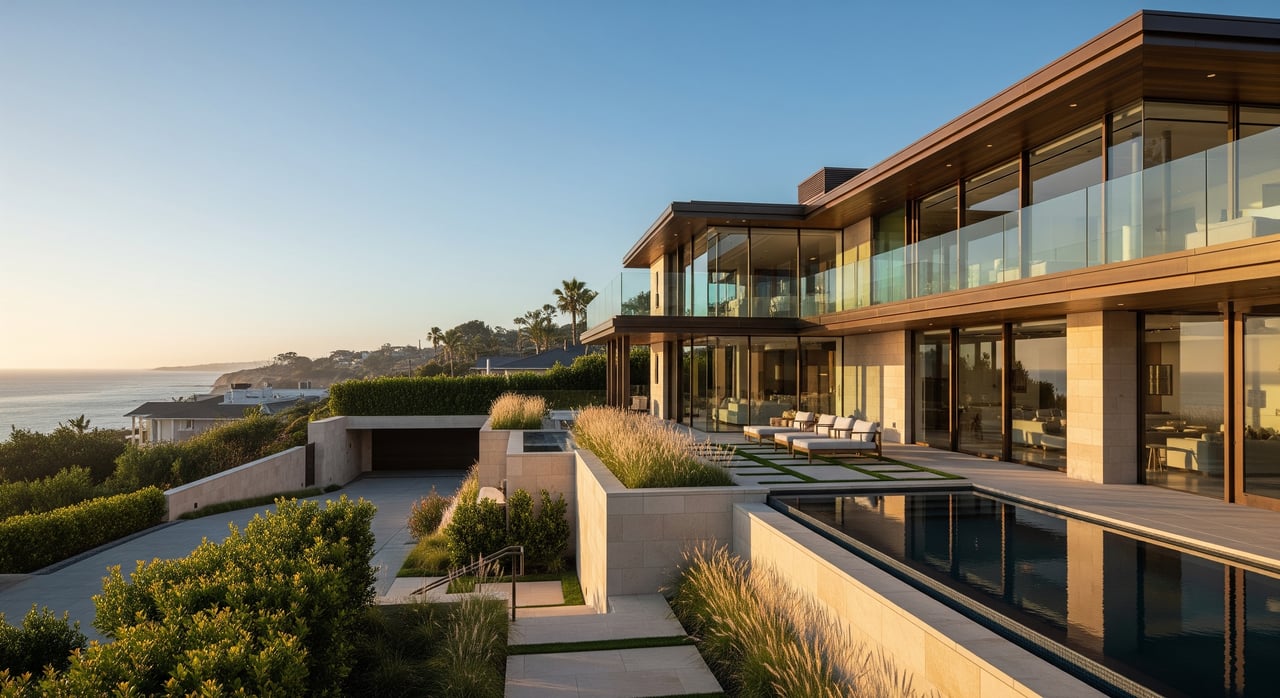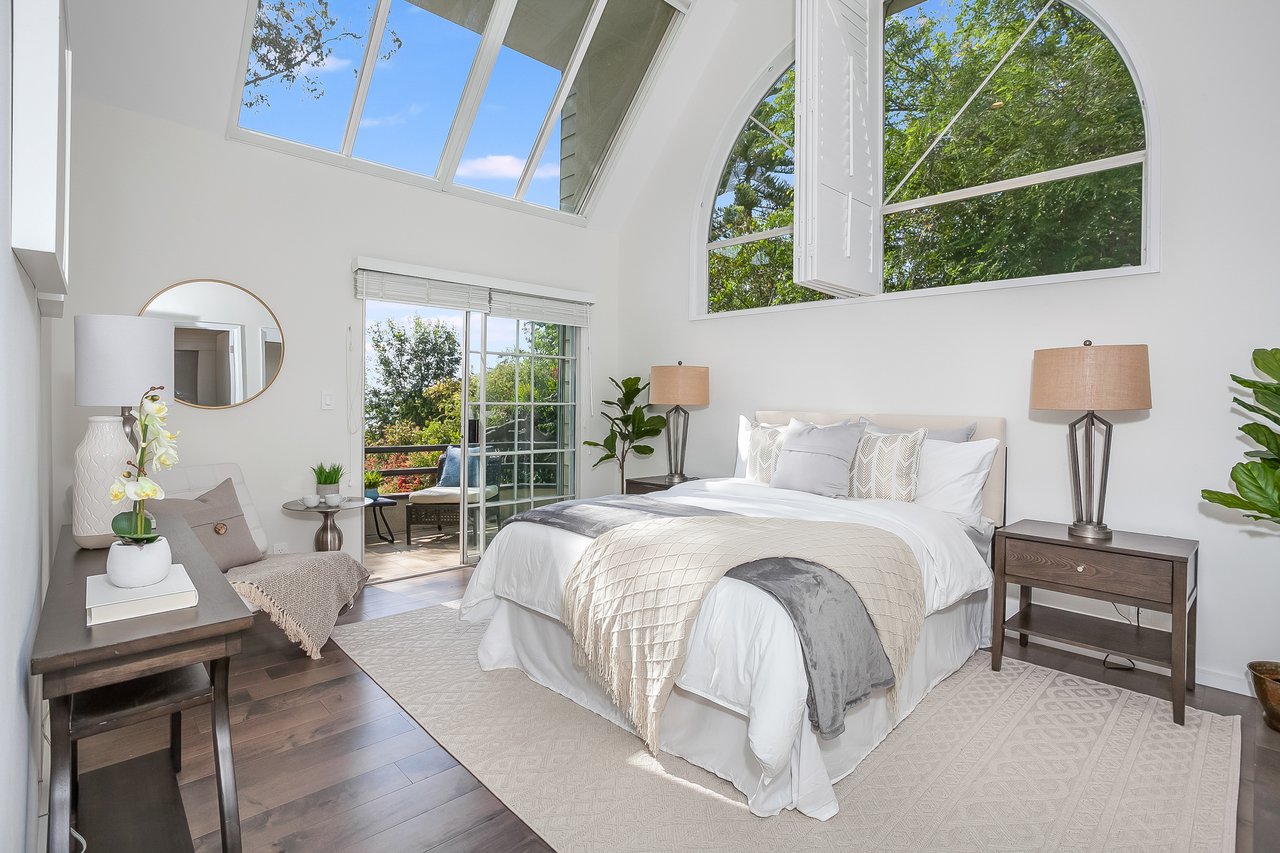
Torn between a sleek beach‑adjacent condo and a quiet townhome with a garage in Santa Monica? You are not alone. The right choice depends on what you own, how you insure it, how lenders view the property, and how local rules and coastal conditions affect long‑term costs. This guide breaks down practical differences, Santa Monica‑specific tradeoffs, financing realities, and a clear checklist to help you decide with confidence. Let’s dive in.
Condo vs. townhome basics
What you actually own
- Condo: You own the interior of your unit and a fractional interest in shared areas like the building exterior, roof, hallways, and grounds. An HOA governs the project.
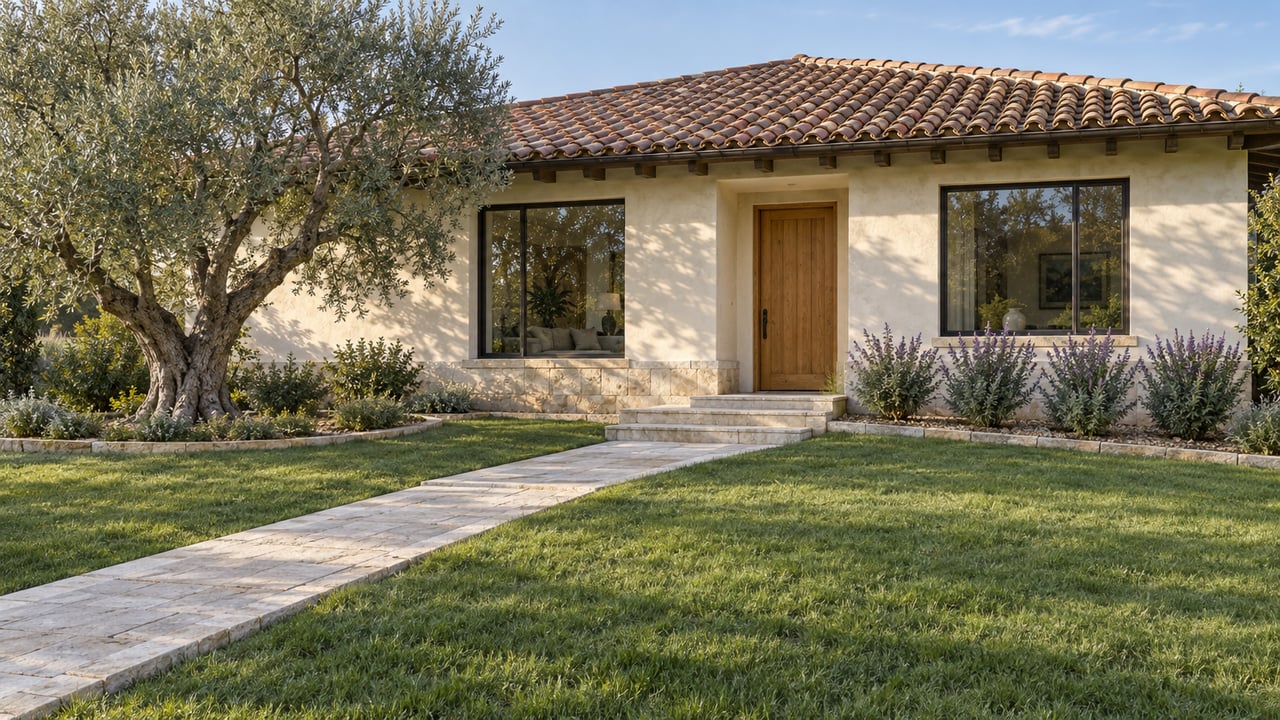
- Townhome: Ownership varies. Some townhomes are fee‑simple, where you own the structure and the land under it. Others are legally condos, even if they look like townhomes, and follow condo‑style rules. Always verify fee‑simple vs. condominium interest in the recorded documents.
Insurance snapshot
- Condo: The HOA’s master policy typically covers common elements and the exterior. You usually carry an HO‑6 policy for interior finishes, personal property, liability, and loss assessment.
- Townhome: If fee‑simple, you likely need a standard dwelling policy (HO‑3 or HO‑5) that covers the structure and exterior. If the townhome is legally a condo, an HO‑6 is common. Check the HOA master policy to see where your responsibility starts.
Financing differences
- Condos: Lenders may require the project to meet FHA, VA, Fannie Mae, or Freddie Mac eligibility. Project litigation, low reserves, or too many investor‑owned units can limit loan options and reduce the buyer pool. Review guidance from HUD on condominium approvals and Fannie Mae project eligibility.
- Fee‑simple townhomes: Often treated like single‑family homes, which are usually simpler to finance with broader lender options.
Santa Monica lifestyle tradeoffs
Beach proximity vs. privacy
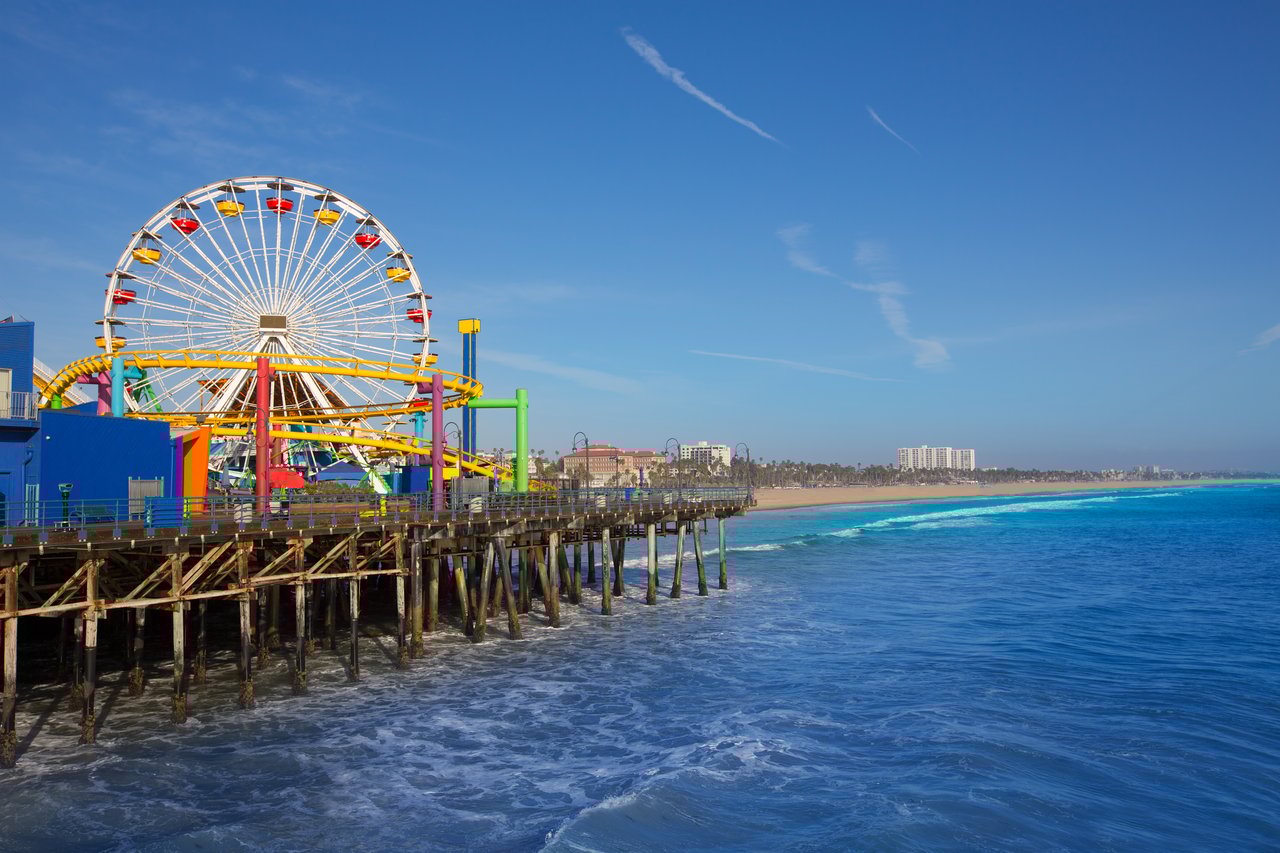
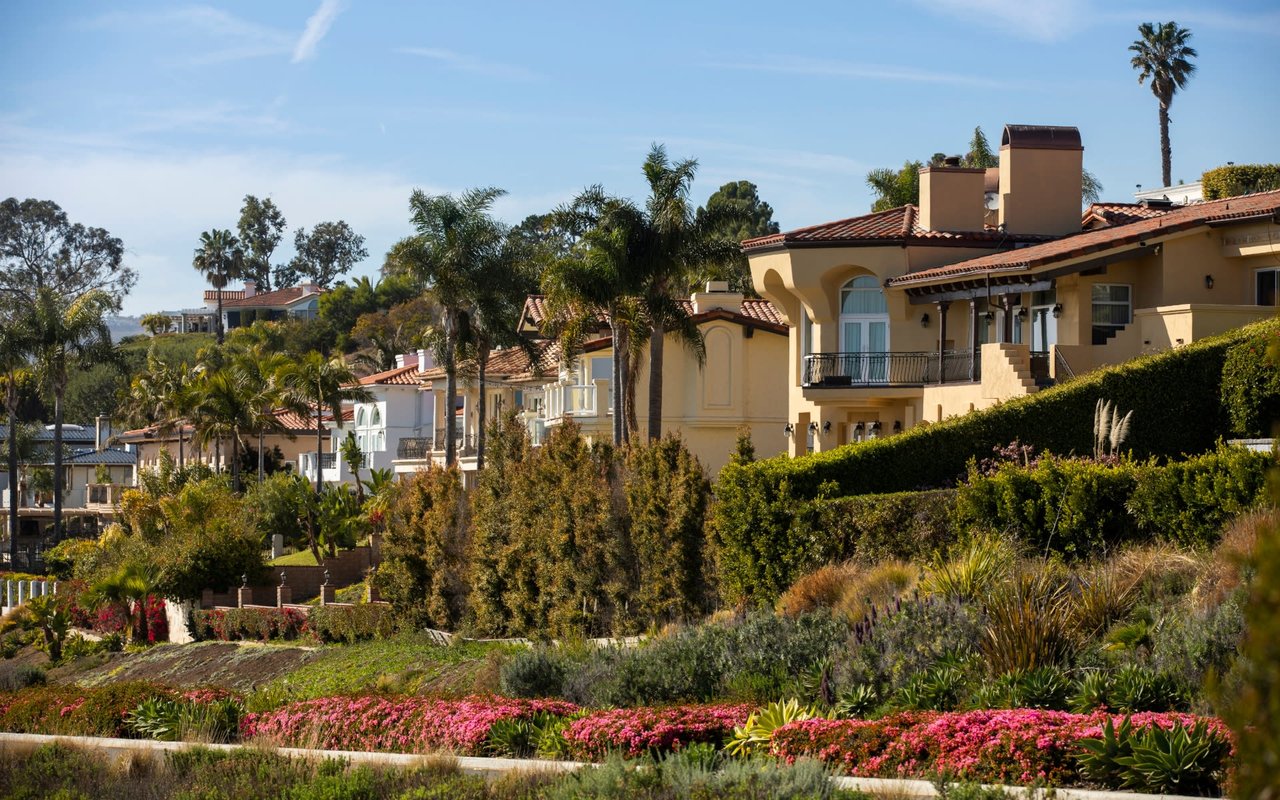
If you want to walk to the beach, downtown condos near the Promenade and Pier may deliver location and amenities. Expect more activity, event traffic, and tourism. Townhomes on quieter residential streets further inland can offer more privacy and space.
Parking and transit realities
Parking is a high priority in Santa Monica. A private garage or deeded parking in a townhome can be a major value boost. Condos may offer underground assigned parking, but guest parking can be limited. Consider how you will use the Metro E Line and local buses for daily life.
Amenities vs. outdoor space
Condos can trade a yard for amenities like a gym, pool, or concierge. Townhomes often provide private outdoor areas and direct garage access. Decide whether you prefer shared amenities or personal space you control.
Local rules that matter
Santa Monica has policies and coastal conditions that can shape your decision and budget.
- Rent control and tenant protections: If you may rent the property, verify whether it is covered by local rules through the Santa Monica Rent Control Board. Rental caps within HOAs can also apply.
- Condominium conversions: Some buildings originated as rentals and were later converted. Review building history and documents for clarity.
- Seismic and retrofit programs: Older wood‑frame buildings may be subject to required seismic or soft‑story retrofits. Confirm permits and completion with the City of Santa Monica Building & Safety.
- Coastal zone and flood: Coastal properties can have special permits and flood considerations. Check the California Coastal Commission and the FEMA Flood Map Service Center for planning and insurance requirements.
- Property taxes and assessments: California’s Prop 13 sets the base rate near 1 percent of assessed value, plus voter‑approved assessments. Verify the parcel’s bill with the Los Angeles County Assessor.
HOA dues, assessments, and taxes
What dues should cover
Monthly HOA dues typically fund maintenance, master insurance, reserves, landscaping, some utilities, and management. Dues vary widely. A small four‑unit condo may have modest dues, while a full‑service high‑rise can be higher due to amenities.
Special assessments and red flags
Older coastal buildings often face big capital projects like seismic upgrades or envelope repairs. Review the reserve study, budget, and meeting minutes to see if assessments are planned. Red flags include low reserves, frequent assessments, growing delinquencies, and any litigation.
Property taxes in context
Your tax basis resets at purchase under Prop 13. The effective rate is roughly 1 percent plus local assessments. Always review the current bill and any special assessments with the County Assessor before finalizing your budget.
Insurance and coastal hazards
Earthquake coverage
Standard policies do not include earthquake coverage. Many Santa Monica buyers consider separate earthquake insurance for both condos and townhomes. Check what your HOA master policy covers to understand your exposure and any loss assessment risks.
Flood and salt air exposure
Some coastal areas may require flood insurance if in a mapped flood zone. Confirm location specifics using FEMA’s mapping tools. Salt air can accelerate corrosion on railings, windows, mechanicals, and balcony hardware, so review service history closely.
Financing reality in Santa Monica
Condos and project approvals
Condo financing depends on both you and the building. Lenders review reserve funding, owner‑occupancy ratios, commercial use percentages, and any lawsuits. If a project is not on an approved list, some programs allow single‑unit approvals subject to conditions. Work with a lender who understands local condo projects and current agency rules.
Why townhomes can be easier
Fee‑simple townhomes are typically underwritten like single‑family homes, which streamlines financing. They also tend to appeal to a wider set of lenders, which can help both buyers and future resale value.
Who should choose what
Choose a condo if you:
- Prioritize walkability to the beach, downtown, or transit.
- Want on‑site amenities and prefer lower personal maintenance.
- Are comfortable with HOA rules and variable project‑level financing.
- Are a downsizer or second‑home buyer focused on location and convenience.
Choose a townhome if you:
- Want more privacy, a private garage, and outdoor space.
- Prefer fee‑simple ownership and clearer control over exterior maintenance.
- Need multiple bedrooms with direct access and storage.
- Value financing flexibility that feels closer to single‑family homes.
Due diligence checklist
Use this shortlist to compare options and protect your budget.
- Confirm legal ownership: fee‑simple vs. condominium interest.
- Request and review: CC&Rs, bylaws, rules, HOA budget, most recent reserve study, financials, and meeting minutes for the last 12 to 24 months.
- Obtain the HOA master insurance certificate and clarify coverage limits and deductibles.
- Ask for assessment history, any planned special assessments, and all litigation disclosures.
- Verify parking assignments and storage in writing.
- Review engineering or retrofit reports and building permits with the City of Santa Monica.
- Order inspections: general home, pest/termite, and specialized structural or seismic evaluations as needed.
- Check flood exposure with FEMA Flood Maps and coastal constraints with the California Coastal Commission.
- Confirm property tax details with the LA County Assessor.
- If financing a condo, have your lender confirm project eligibility under Fannie Mae standards and review HUD condominium guidance.
Seller tips for a smoother sale
If you are selling a condo
- Prepare the HOA packet early: budget, reserve study, insurance certificate, minutes, and any assessment notices.
- Highlight completed maintenance, seismic work, and amenity upgrades.
- Be transparent about planned projects to build buyer confidence.
If you are selling a townhome
- Clarify ownership form and insurance responsibilities. If fee‑simple, emphasize control over exterior and private outdoor space.
- Showcase the garage, storage, and any recent exterior improvements.
- Provide inspection reports and any retrofit or permit records.
Choosing between a condo and a townhome in Santa Monica comes down to how you want to live and what you want to manage. With clear ownership, financing, insurance, and HOA facts in hand, you can focus on the lifestyle that fits you best. If you would like a tailored shortlist and a property‑specific due diligence plan, connect with Johannes Steinbeck for concierge guidance.
FAQs
What is the main legal difference between condos and townhomes in Santa Monica?
- Condos convey interior ownership with shared common areas, while townhomes can be fee‑simple or condo‑style; always verify the recorded form of ownership before you write an offer.
How do HOA dues for condos compare with townhomes?
- Dues vary by amenities and building size; high‑amenity condos often cost more monthly, while small townhome associations may have lower dues if owners handle more maintenance.
Are condos harder to finance than townhomes?
- Often yes; condos may require project approval under agency rules, while fee‑simple townhomes are typically financed like single‑family homes with fewer project hurdles.
Do I need earthquake insurance for a Santa Monica condo or townhome?
- Standard policies exclude earthquakes; many buyers consider separate coverage based on risk tolerance and what the HOA master policy covers, including loss assessments.
How can I check if a Santa Monica building had seismic retrofits?
- Review HOA documents and permits, and confirm records with the City’s Building & Safety department on the City of Santa Monica site.
How does Santa Monica rent control affect investment potential?
- Local rules can limit rent increases and evictions; verify a unit’s status with the Santa Monica Rent Control Board and check HOA rental caps before you buy.