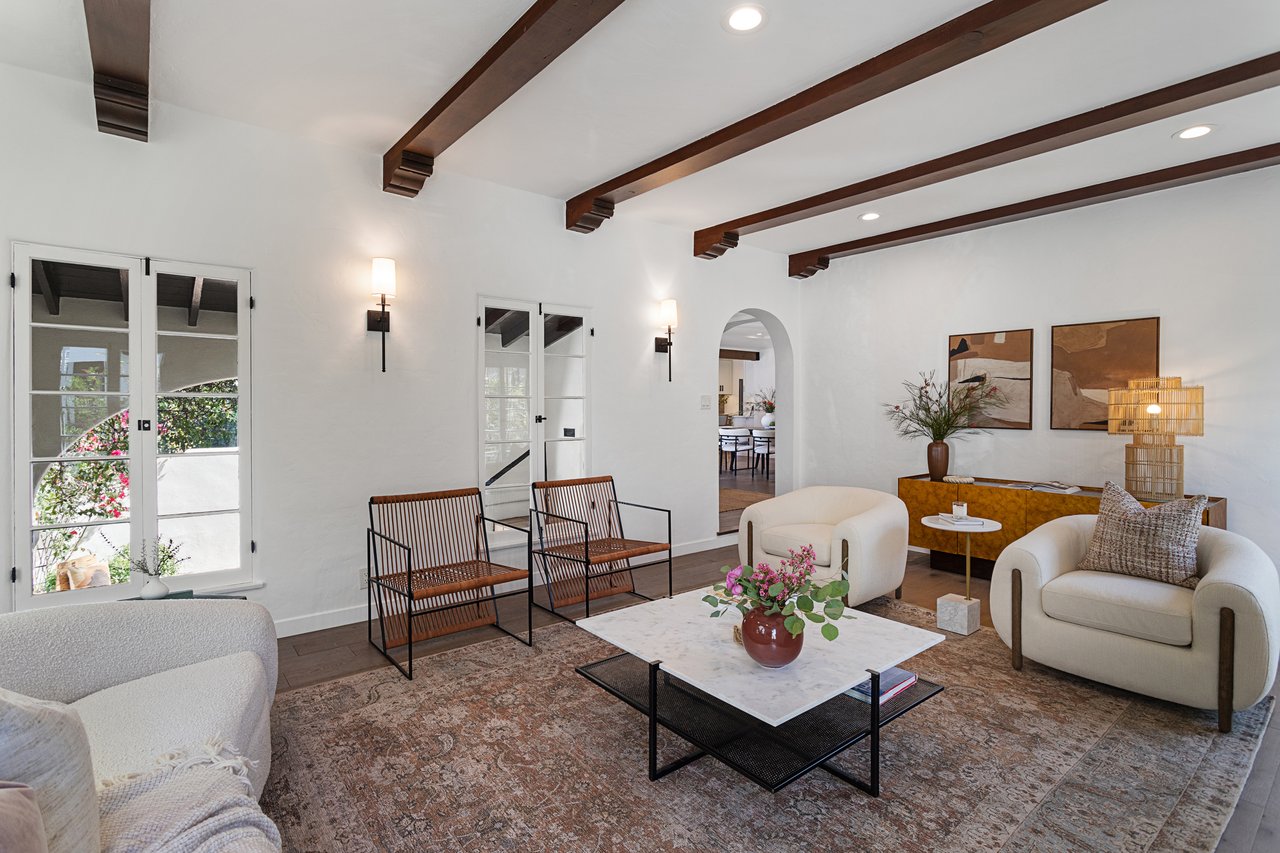
If you follow Los Angeles housing headlines, you know they rarely tell you what is happening on the Palos Verdes Peninsula, let alone inside Palos Verdes Estates. You want a clear read on timing, pricing, and how to negotiate, not just noise. In this guide, you will learn the core metrics and a simple method to interpret them for Palos Verdes Estates, plus how to turn that read into a plan whether you are buying or selling. Let’s dive in.
The metrics that matter
Inventory and Months of Inventory
Months of Inventory, or MOI, compares how many homes are for sale to how quickly they have been selling. It is active listings divided by average monthly closed sales. Under 3 months is often a seller’s market. Three to six months is considered balanced. Over 6 months points to a buyer’s market. In a small city like Palos Verdes Estates, MOI can change fast, so watch it closely.
Absorption rate and pending ratio
Absorption, often shown as a pending-to-active ratio, tracks how quickly listings go under contract. A higher ratio signals a faster market in the near term. Use it to spot short swings that might not show up yet in closed sales.
Days on Market
Days on Market, or DOM, tells you how long it takes to secure an accepted offer. Focus on the median DOM to avoid outliers. Very short DOM suggests strong demand or sharp pricing. Rising DOM can signal softening demand or overpricing in that segment.
List-to-sale price ratio
This is the sale price divided by the list price. Around 100 percent or higher suggests multiple offers or strong pricing power. Mid to high 90s percent reflects modest concessions. Low 90s percent or below shows clear buyer leverage. Also note how often price reductions are occurring and how many offers are typical for similar homes.
Median price and price per square foot
Median price reduces distortion from a few very high sales. Price per square foot helps compare similar homes, but adjust for views, lot size, layout, remodel level, and amenities. In Palos Verdes Estates, a premium view or a thoughtful renovation can move the number more than raw size.
New listings and withdrawals
Track the pace of new listings and any withdrawn or canceled properties. New listings show upcoming supply. Withdrawals can signal seller hesitation or pricing misses. Both shape near-term MOI and negotiating tone.
Financing mix and contingencies
In the upper tiers, jumbo financing and cash play larger roles. Watch the share of cash sales and how often appraisal and financing contingencies are used. This mix affects contract risk, speed, and negotiation.
How to analyze Palos Verdes Estates
Work with rolling windows
Palos Verdes Estates is small and coastal, with fewer transactions than larger LA neighborhoods. Month to month numbers can swing. Use 3, 6, and 12-month rolling windows and always show sample sizes to avoid reading too much into a handful of sales.
Segment by property type and price bands
Start with property type: single-family homes versus townhomes or condos. Then build price bands using the last 12 months of closed sales. Quartiles work well. The bottom quartile shows the entry segment. The middle quartiles represent the mid-market. The top quartile represents the luxury segment. This objective approach adjusts as prices shift.
Consider Palos Verdes Estates micro-markets
Micro-markets behave differently. Coastal or bluff-adjacent views draw a different buyer pool and price dynamic than hillside or inland locations. Smaller remodeled cottages do not trend like large estates. Homes with pools or substantial lots can also follow their own curve. Control for these features when you pick comps and read metrics.
What to pull from the MLS
Use the last 12 months for a stable baseline, then add 3 and 6-month windows for momentum. Filter by status (active, pending, closed), property type, beds and baths, square footage, lot size, view flags, pool, year built, and your price bands. Produce MOI, median DOM, list-to-sale ratio, median sale price, median price per square foot, counts of price reductions, and timing between reductions.
Adjust for small samples
If a segment has fewer than about 8 to 12 closed sales in a year, treat it as high variance. Use medians and quartiles and show counts. Unique properties may need a custom comp set rather than a simple per-square-foot read.
Turn numbers into strategy
When MOI is low and DOM is short
When supply is tight and homes move quickly, you can expect higher competition.
- Seller tactics:
- Price to attract multiple offers or achieve a target list-to-sale ratio using very recent comps.
- Prepare for compressed timelines. Stage, pre-inspect where appropriate, and set a clear offer deadline.
- Ask for strong qualifications. Pre-approval and proof of funds help you compare offers.
- Buyer tactics:
- Secure a full pre-approval and be ready to move. Keep terms clean and focused on essentials.
- Consider measured escalation language if supported by value and risk tolerance.
- Prioritize your top properties and set a walk-away price based on comps.
When supply builds and pace slows
When MOI rises, DOM lengthens, and list-to-sale ratios slip, leverage shifts.
- Seller tactics:
- Re-check list price against the most relevant comps and current competition. A timely reduction often beats waiting.
- Offer incentives such as a rate buydown or repair credits when it supports net proceeds.
- Invest in high-ROI presentation. Curb appeal, light updates, and neutral staging can shorten DOM.
- Buyer tactics:
- Take time to inspect and compare. Ask for credits, repairs, or rate buydowns.
- Use financing or appraisal contingencies where prudent.
- Reference price reductions and DOM in your negotiation narrative.
Playbook by price segment
- Entry segment (bottom quartile): Often the most competitive when inventory is scarce. Clean terms and sharp pricing matter for buyers. For sellers, minor repairs and thoughtful staging can deliver strong results.
- Mid-market (middle quartiles): Usually more balanced. Condition and location drive your advantage. Sellers should track DOM and the current active set closely.
- Luxury segment (top quartile): Smaller buyer pool and more complex financing. Expect longer DOM. For sellers, price with patience and market the lifestyle, not just the specs. For buyers, look for value on longer-stayed listings and prepare for specialized appraisals.
Negotiation cues to watch
- Falling list-to-sale ratios and frequent price reductions across similar homes point to buyer leverage.
- Many withdrawn or relisted homes suggest overpricing. Prior listing history can support negotiation.
- A rising pending ratio with flat active counts signals a tightening window for buyers and a good moment for sellers to set firm timelines.
Financing and appraisals
In higher price tiers, jumbo loans and cash are common. Appraisals can be challenging for unique homes or prime views due to limited comps. Sellers should organize strong comp evidence with adjustments for views, lot, and remodels. Buyers should confirm loan options early and plan for appraisal gaps when appropriate.
Answer key questions with data
- Is it a buyer’s or seller’s market? Check MOI across 12 and 3-month windows, median DOM trends, list-to-sale ratios, and the pending ratio. Report the number of sales behind those figures.
- What is a realistic list price? Use closed comps from the last 90 to 180 days that match type, size, view, lot, and condition. Review current active competition and any recent reductions.
- Should you wait or sell now? Compare short-term momentum to the 12-month baseline. Add rate context and your personal timing. Spring is often busier, but data and preparation should lead the decision.
- How much room to negotiate? Look at current list-to-sale ratios and the share of listings with price cuts in your price band. More reductions generally mean more room.
- Do updates matter? Yes. In the entry and mid segments, clean presentation and light updates can shorten DOM and lift price. In the luxury tier, high-end finishes and maximizing the view experience matter most.
- What about outliers? Flag sales with unusual conditions, such as extensive remodels or non-arm’s-length deals. Do not let them skew your pricing plan.
Build your custom market read
Use this quick checklist to get a reliable pulse on Palos Verdes Estates:
- Pull the last 12, 6, and 3 months of closed sales by property type.
- Calculate MOI, median DOM, list-to-sale ratio, and price per square foot for each period.
- Segment by quartiles or practical price bands. Recompute MOI and DOM for each band.
- Note sample sizes. Mark any segment with fewer than 10 sales as high variance.
- Compare your read to the broader Peninsula for context, but decide using local comps.
- Review financing mix, cash share, and contingency patterns in current contracts.
- Refresh these stats monthly and before making major decisions.
Design-forward strategy for sellers
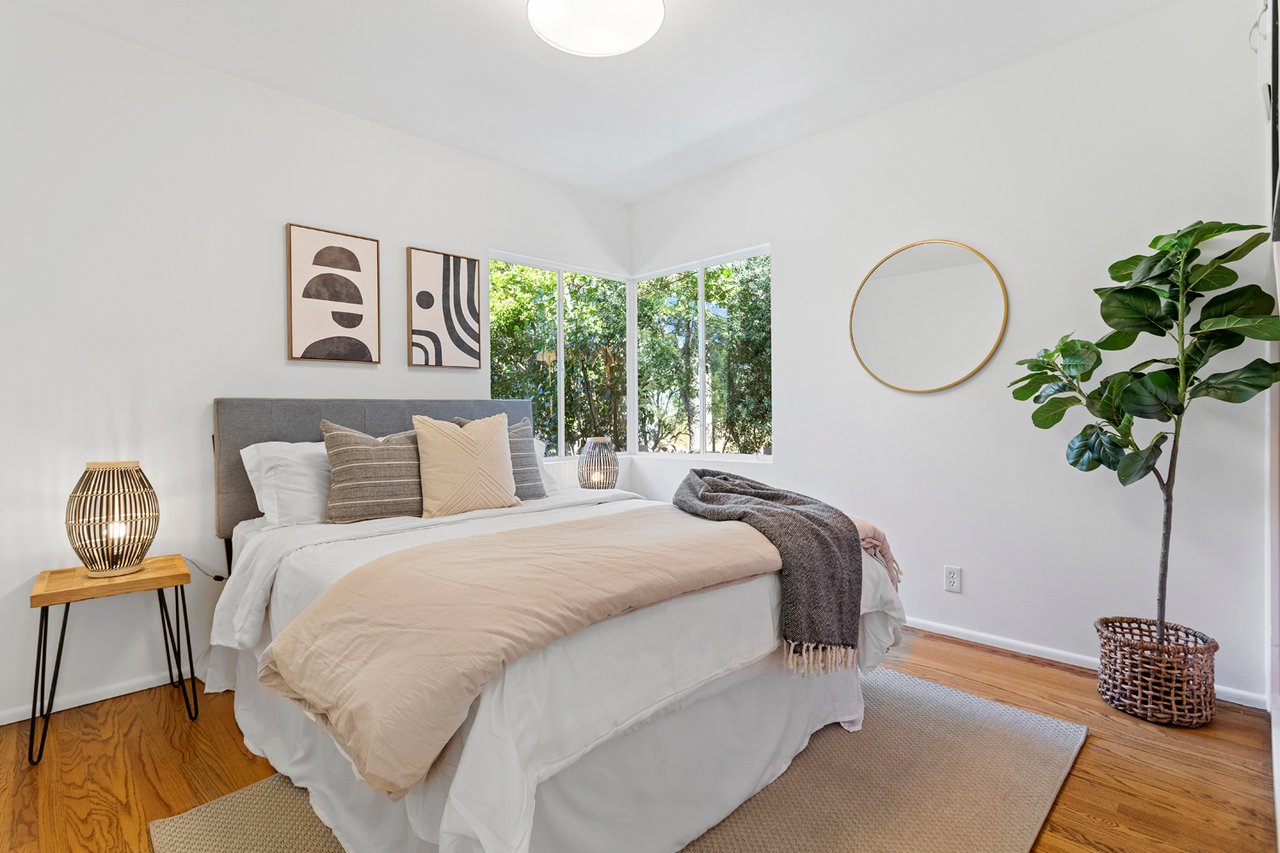
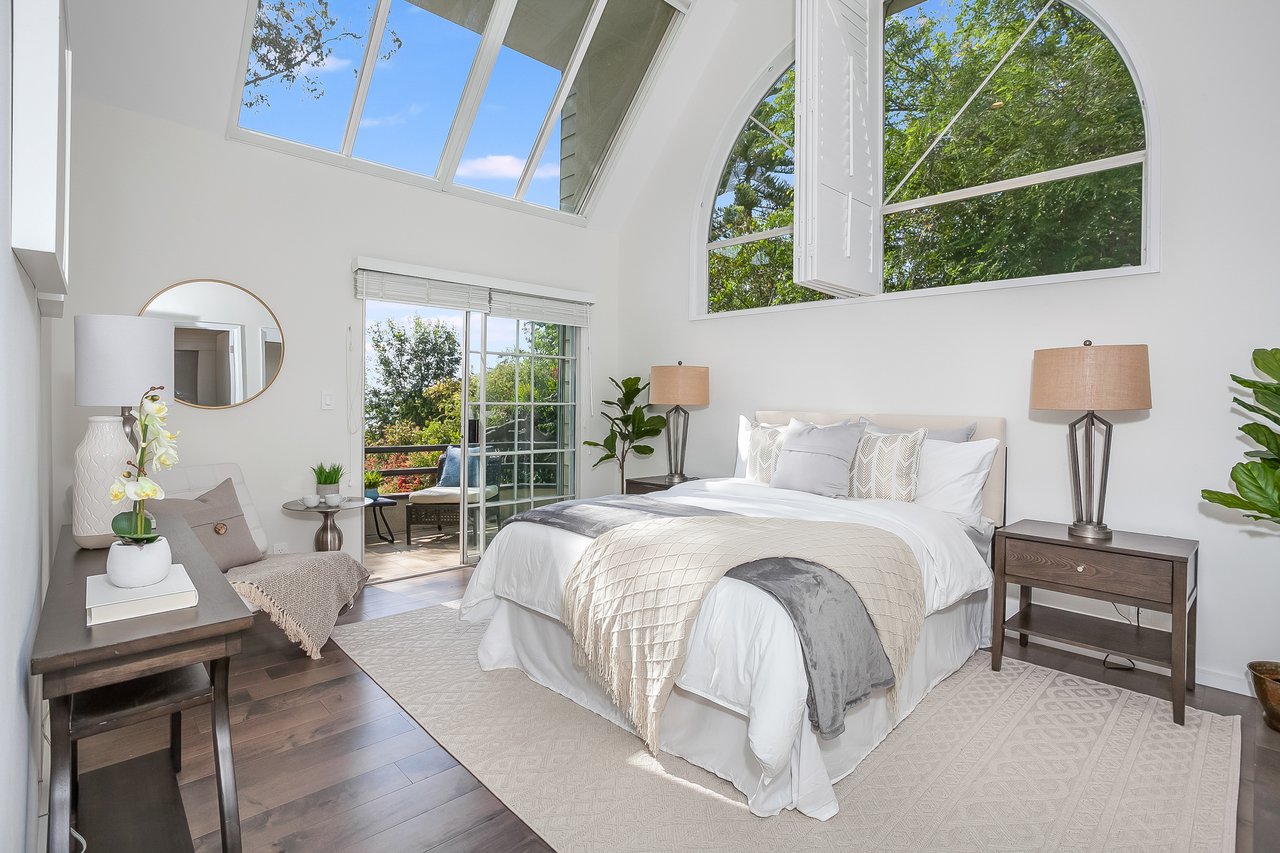
Your pricing read is only half the story. Presentation shapes demand, especially in a coastal market where buyers respond to light, flow, and views. Small, smart updates like paint, lighting, and landscape tune-ups can lift list-to-sale ratios and reduce DOM. Professional staging and photography help buyers feel the lifestyle from the first click and the first step inside. When your home shows at its best, your data-backed price has the power to convert.
Work with a local advisor
Reading the numbers correctly is step one. Translating them into a confident plan for timing, pricing, and negotiation is where you win. If you want a design-forward, data-driven strategy for Palos Verdes Estates, connect with Johannes Steinbeck for a focused consultation and a tailored market brief.
FAQs
What is Months of Inventory in Palos Verdes Estates?
- MOI compares active listings to the pace of sales. Under 3 months is often seller friendly, 3 to 6 is balanced, and over 6 leans buyer friendly.
How often should I check Palos Verdes Estates market data?
- Refresh key metrics monthly and re-run your MLS queries 1 to 2 weeks before you list or write an offer to capture the latest shifts.
How do ocean views affect pricing and comps in PVE?
- View premiums can be significant, so select comps with similar views and lot orientation and adjust price per square foot with care.
What does a rising Days on Market trend mean in PVE?
- Longer DOM often signals softening demand or misaligned pricing, which can create more room for buyer concessions or strategic price adjustments.
How should a buyer prepare for a fast PVE market?
- Secure a full pre-approval, review comps in advance, set a clear walk-away price, and be ready with clean terms and quick timelines.
When is the best season to list in Palos Verdes Estates?
- Spring often sees higher activity, but the best time is when your home is presentation ready and short-term metrics align with your goals.