Have you ever wondered why two Highland Park bungalows with similar square footage sell for very different prices? Character homes carry story, craftsmanship, and quirks that standard pricing often misses. If you want to capture top value without scaring away buyers, you need a clear plan that blends data with design. In this guide, you’ll learn how to price a Highland Park character home with confidence, from comps and condition to permits, HPOZ rules, and presentation. Let’s dive in.
What buyers value in Highland Park
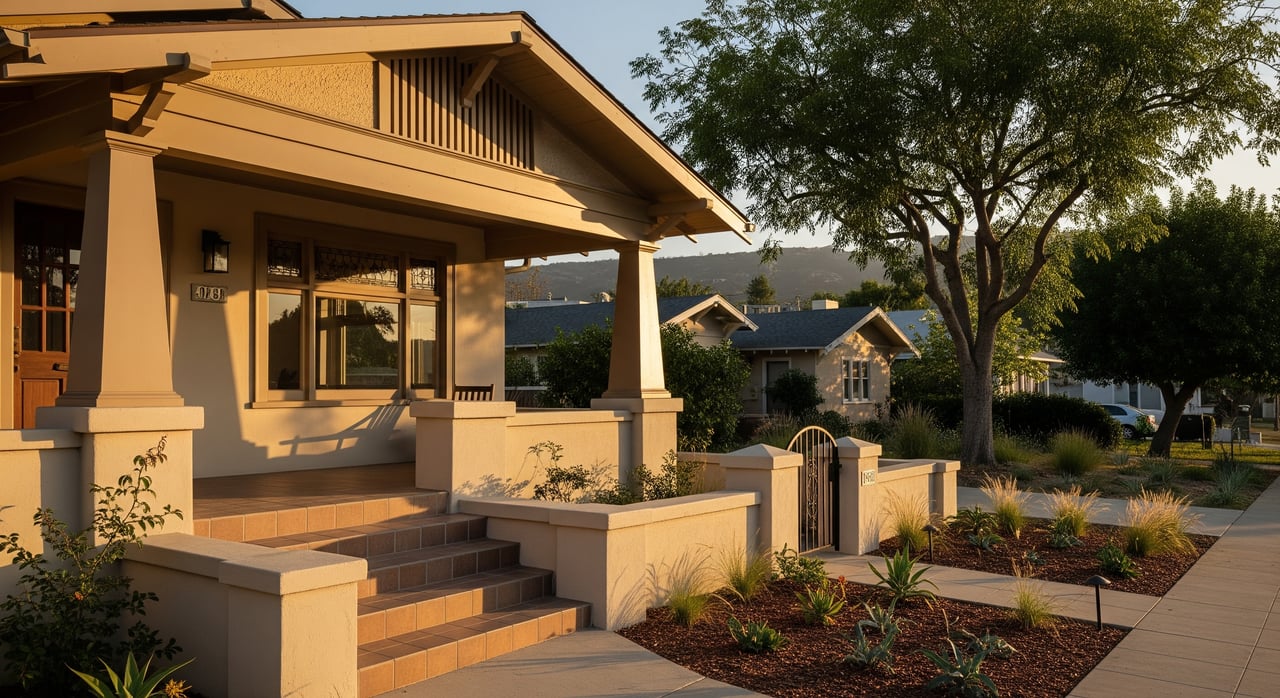
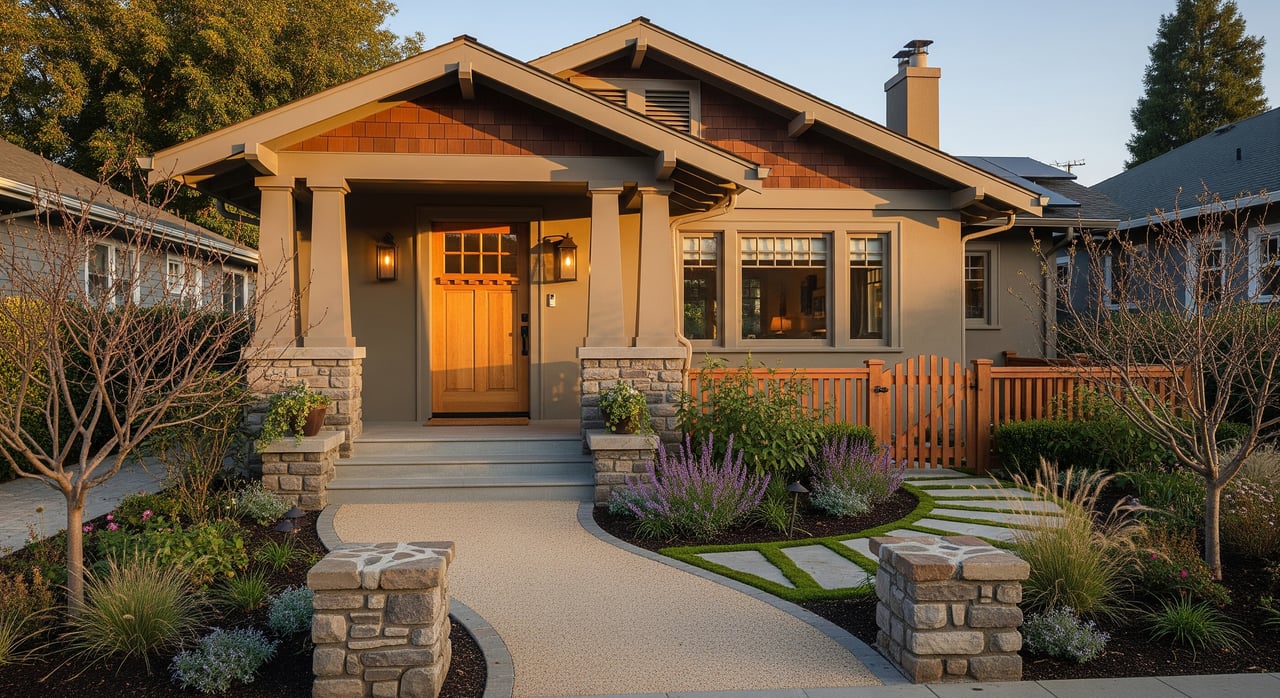
Highland Park attracts buyers who love architecture, walkable streets, and access to local retail along York Boulevard and Figueroa. The neighborhood’s early-20th-century homes, creative energy, and proximity to the Metro L Line (Gold) increase day-to-day convenience for many commuters. You have a wide buyer pool here, including design-focused owner-occupiers, preservation-minded buyers, and investors who see potential for ADUs or income.
These buyers weigh charm against function. They will pay for original woodwork, built-ins, and intact period details when paired with sound systems, practical layouts, and usable outdoor space. Your pricing should highlight that balance.
How to value a character home
Start with the variables that drive price for period properties in Highland Park.
- Architectural authenticity: Original millwork, built-ins, windows, and porches tend to command a premium when well preserved or thoughtfully restored.
- Condition and updates: HVAC, plumbing, electrical, roof, and foundation matter as much as style. Unpermitted work reduces buyer confidence and can force price concessions.
- Size and layout: Square footage, bedroom and bath count, ceiling height, and flow. A functional plan tends to beat a purely original layout that limits modern use.
- Lot and outdoor space: A usable yard or room for an ADU adds value. Gentle slopes and privacy can help.
- Parking: Off-street parking or a garage is important in Los Angeles.
- Permits and legal status: Documented, permitted work supports stronger pricing. Unpermitted additions or open code issues usually reduce value.
- Location within Highland Park: Blocks near York, Figueroa, parks, schools, and the Highland Park station often see stronger demand. Busy streets or industrial adjacencies can reduce appeal.
- Historic overlays: If the home lies in an HPOZ, exterior changes may need approval. Learn the rules using the City of Los Angeles HPOZ resources so you can set expectations.
- Natural-hazard and insurance context: Fire zones and seismic risk show up in disclosures and can affect insurance and buyer comfort.
- Income potential: A permitted ADU or clear ADU path can increase value. Review Los Angeles ADU guidance to understand what buyers may consider feasible.
Choosing comparable sales
Pull closed sales of similar-era homes from the last 3 to 6 months when possible. Prioritize true character homes over full contemporary remodels, and avoid relying only on price per square foot. If supply is thin, expand to nearby neighborhoods like Mt. Washington or Eagle Rock with careful adjustments for micro-location differences.
Focus your CMA on:
- Architectural type and authenticity
- Condition and permitted updates
- GLA, bed/bath count, and lot size
- Parking and street setting
- HPOZ or historic status
Adjustments that matter
After identifying comps, adjust for:
- Authentic original details: Positive adjustment when details are intact and restored.
- Unpermitted work: Negative adjustment reflecting permit-regularization costs and risk.
- Deferred maintenance or foundation issues: Significant negative adjustment aligned with estimates.
- Permitted ADU or plans: Positive adjustment due to rental potential.
- HPOZ constraints: Mixed effect. Some buyers value oversight and preservation. Others prefer easier alterations.
Pricing strategies that work now
Your pricing should reflect current demand, inventory, and the home’s condition. Use one of these approaches:
- List slightly below market to fuel competition: Works in strong-demand moments and for turnkey or well-presented homes. Multiple offers can push the final price above list.
- List at market when buyers are price-savvy: Match recent comps and use high-quality marketing to highlight value. This approach supports appraisal.
- Investor-friendly pricing for projects: If major systems or permits are unresolved, price to reflect scope, timelines, and risk. Invite buy-and-rehab offers and set clear expectations.
Time your launch. Spring and early summer often bring more single-family buyers. If you must list during a slower period, invest more in presentation and pre-list transparency to build trust.
Pre-listing prep that supports your price
A well-prepared file reduces renegotiations and helps you defend value.
- Order inspections: General, termite/pest, and roof. Use results to decide whether to repair or price accordingly.
- Verify permits: Confirm history and documentation with the City of Los Angeles Department of Building and Safety. Gather closed permits for past work.
- Assess seismic and foundation: If your home predates modern codes, obtain retrofit or repair estimates. Many buyers ask about this.
- Check local compliance items: Confirm any current City of Los Angeles transfer requirements with LADBS and the Bureau of Sanitation to avoid last-minute concessions.
- Document systems: Note ages and specs for HVAC, water heater, electrical panel capacity, and roof. Organize manuals and warranties.
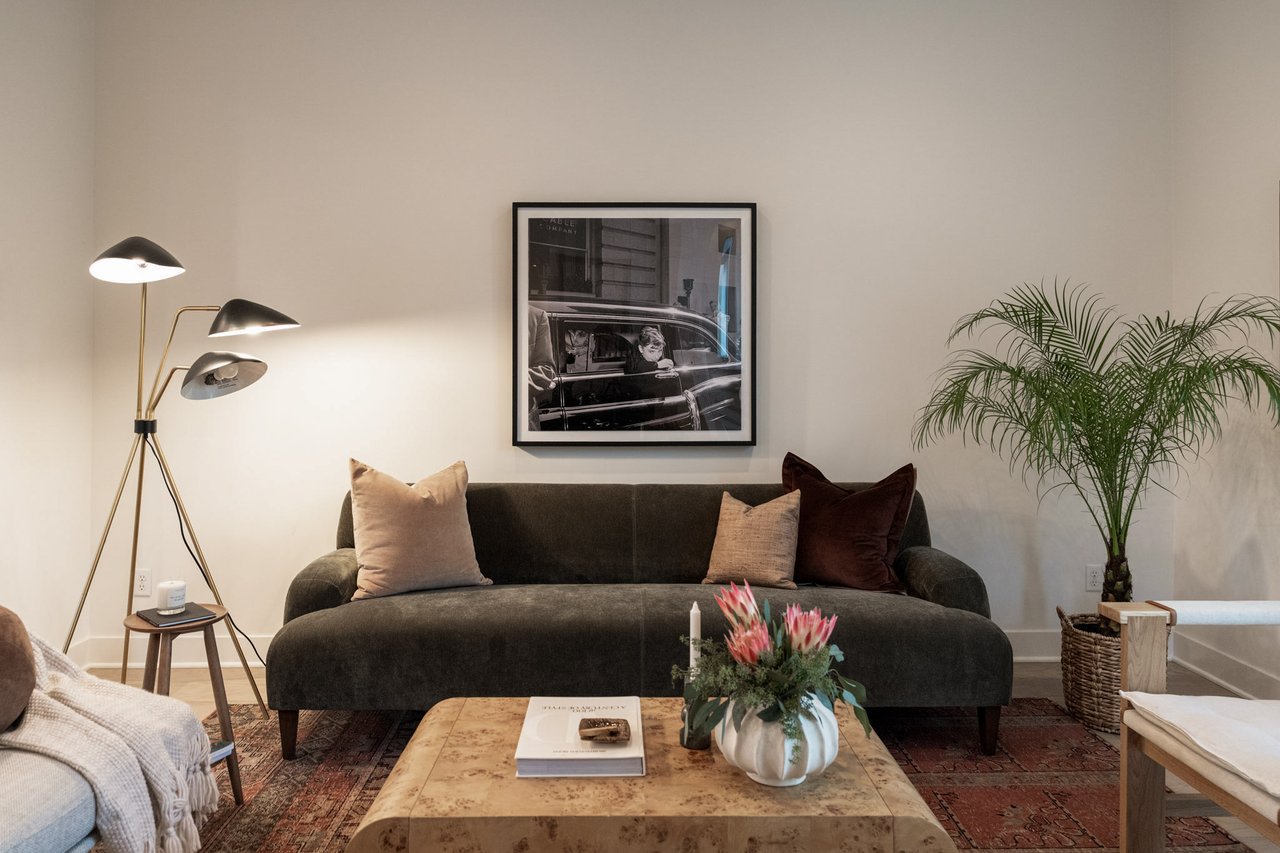
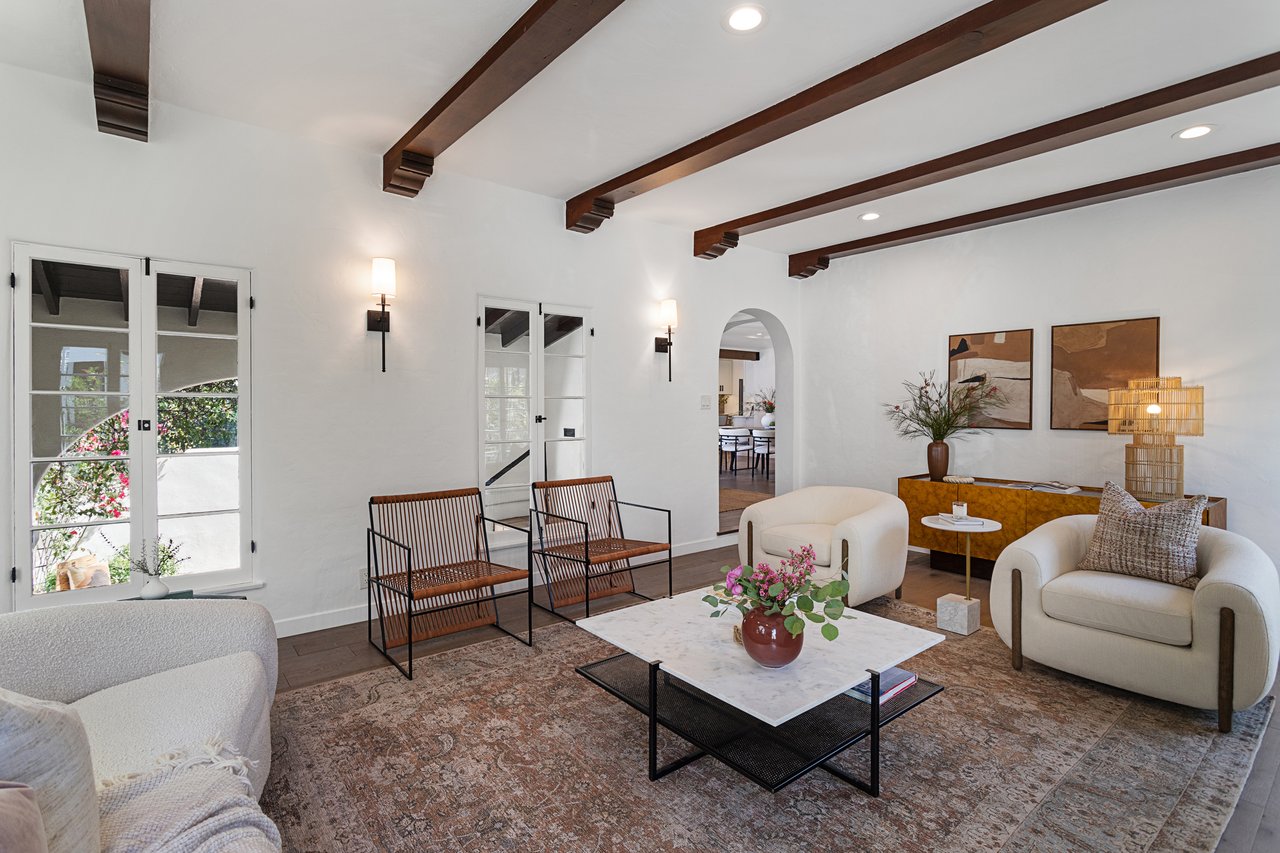
- Stage and photograph for character: Use pro photography that highlights woodwork, built-ins, windows, fireplaces, and porch living. Consider light cosmetic updates that elevate first impressions.
Legal and disclosure items that impact price
You must address required disclosures early. Transparency builds buyer confidence and protects value.
- Lead-based paint disclosure: Required for homes built before 1978. Review the U.S. EPA lead disclosure rules for real estate and provide any available reports.
- Transfer Disclosure Statement and related forms: Disclose known material defects and past issues.
- Natural Hazard Disclosure: Buyers will review seismic fault, flood, and fire hazard information. Expect insurance questions.
- Permits and code: Disclose unpermitted work and supply all available documentation. Clarify what was done, when, and by whom.
- Historic and HPOZ status: Explain any alteration limits or approval processes so buyers understand scope and timelines.
- Taxes and transfer costs: Be aware of capital gains rules, transfer taxes, and potential reassessment. Check parcel details with the Los Angeles County Assessor.
Marketing and presentation for character homes
Great marketing should make buyers feel the story and see the substance.
- Lead with provenance and craft: Age, architect (if known), and period details set context. A short, well-written property narrative can elevate perceived value.
- Feature-focused visuals: Capture close-up details of millwork, tile, built-ins, and hardware. Include floor plans and a video walk-through to show flow.
- Charm plus function: Pair original features with proof of modern systems and permitted work. Buyers want both beauty and reliability.
- ADU and rental scenarios: If an ADU is permitted or feasible, share realistic rent ranges and simple ROI scenarios. Support with documentation.
- Targeted outreach: Use digital ads to reach design-forward buyers in nearby neighborhoods and host well-prepared broker previews with historical context.
This is where a design-led listing strategy shines. Light carpentry, selective cosmetic updates, and curated staging can unlock noticeable value for period homes.
A simple pricing plan for your Highland Park sale
Follow these steps to structure your price and launch with confidence.
- Pull the right comps: Focus on Highland Park sales of pre-1940 homes from the last 3 to 6 months. Expand cautiously if needed.
- Inventory character features: Document original elements and recent upgrades. Note any missing details that may affect value.
- Assemble your permit and disclosure file: Print permit records, inspection reports, and system documentation. Clarify any unpermitted work in writing.
- Plan targeted prep: Prioritize quick cosmetic wins and safety items over major speculative remodels. Use professional staging and photography.
- Choose a pricing lane: Slightly under market for competition, at market for balance, or investor-oriented if scope is large.
- Launch with context: Use a clear narrative, high-impact visuals, and a simple features list that blends character and function. If relevant, cite proximity to the Metro rail network and local amenities.
- Manage offer strategy: Set offer deadlines only when interest is strong. Weigh contingencies and financing strength alongside price.
- Support appraisal: Provide your comps, feature list, and permit file to the appraiser to help align valuation with true market appeal.
Work with a design-minded local advisor
Pricing a character home is part data and part design. You deserve a partner who can read both. With a background in carpentry and a boutique, presentation-first approach, Johannes coordinates vendors, staging, and strategy to help your Highland Park listing hit the market in its best light and sell with confidence. Ready to talk pricing and prep? Connect with Johannes Steinbeck to Request a Home Valuation.
FAQs
What is a “character home” in Highland Park?
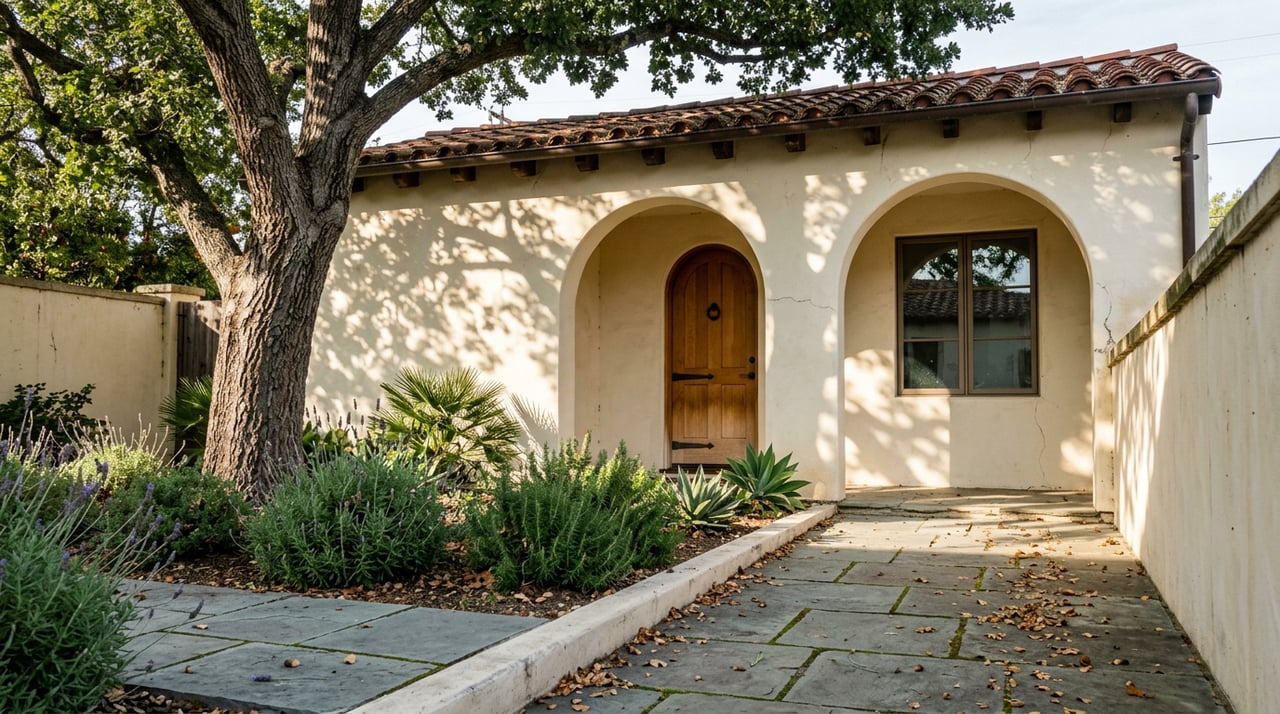
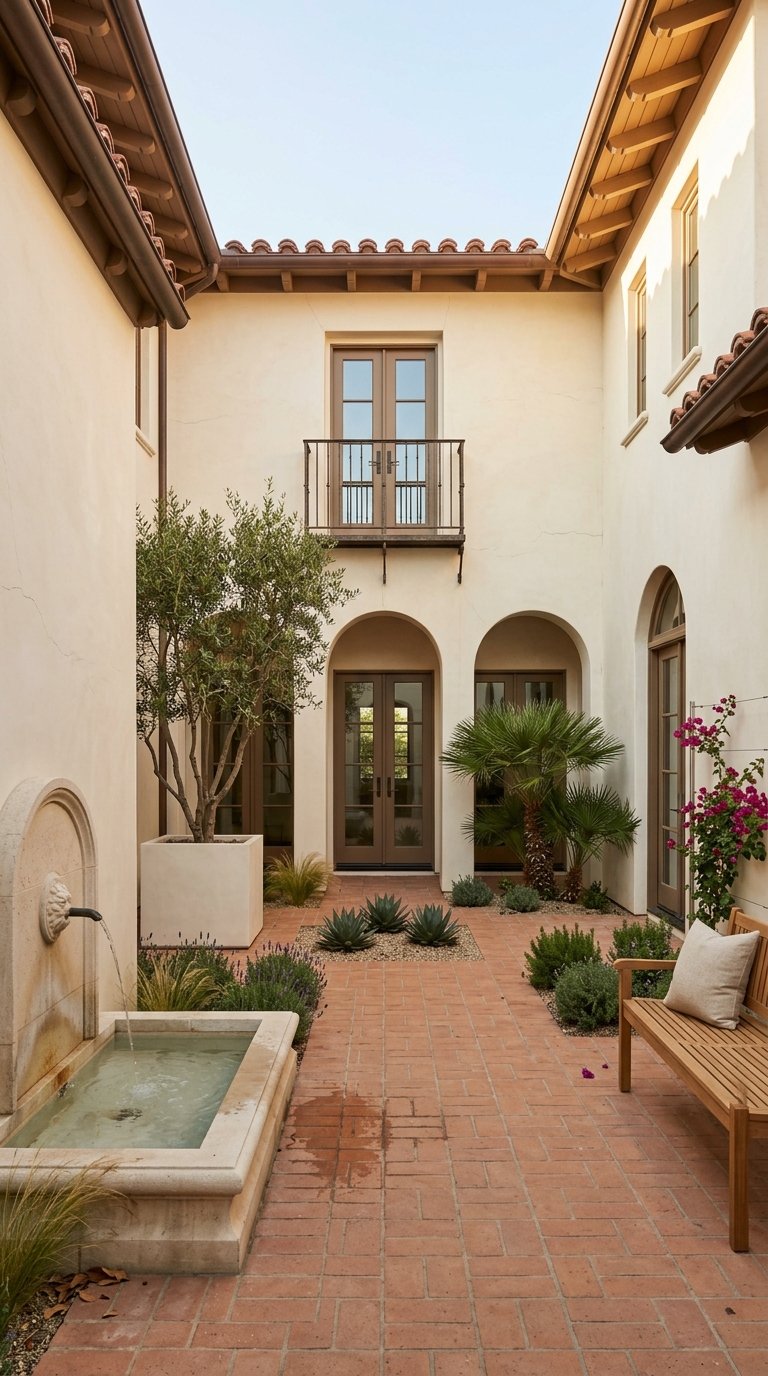
- Typically early-20th-century homes such as Craftsman, Spanish/Mission-influenced, and Victorian-era properties that retain period details like built-ins, millwork, original windows, and porches.
How do HPOZ rules affect remodeling and price in Los Angeles?
- If your home is inside an HPOZ, many exterior changes require review, which preserves character and can attract preservation buyers but may narrow the buyer pool and add approval steps. Learn more via Los Angeles HPOZ resources.
How should I handle unpermitted work when selling a Highland Park home?
- Disclose it, obtain estimates to legalize or correct it, and price accordingly. Buyers often request price reductions in line with costs and risk. Check permit history with LADBS.
Do original features sell for a premium in Highland Park?
- Often yes, when they are intact and paired with sound systems. Compare your home to recent nearby sales of similarly preserved properties to estimate the premium.
Is earthquake and foundation risk a pricing issue for older Los Angeles homes?
- Yes. Buyers look for seismic retrofitting and foundation stability. Providing inspection reports and retrofit estimates can reduce renegotiations and support stronger pricing.
Will an ADU increase my home’s value in Highland Park?
- A permitted ADU or clear ADU path typically adds value due to rental income potential. Review Los Angeles ADU guidance and document any approvals or plans to help buyers quantify the upside.