Imagine stepping out your front door and choosing between a coffee on a tree‑lined shopping street or a barefoot walk to the sand. If you are picturing a car‑light life that still feels connected, Santa Monica delivers. In this guide, you will see where the most walkable, beach‑adjacent pockets are, what day‑to‑day life feels like, how much to budget, and the practical details you should know before you buy. Let’s dive in.
Why Santa Monica works for car‑light living
You can genuinely live on foot here. Third Street Promenade posts a Walk Score in the mid‑90s, which qualifies as a “Walker’s Paradise,” with dense shopping, dining, and daily errands close together according to Walk Score. The Metro E Line terminates in Downtown Santa Monica and connects you to Culver City and downtown LA, while Big Blue Bus routes crisscross the city for local trips via Big Blue Bus. If you pair rail and bus with protected bike lanes and the coastal path, a car can shift from a daily tool to an occasional backup.
Set expectations on price before you start touring. As of January 31, 2026, Zillow’s city‑level home‑value index for Santa Monica was about $1.66 million. Redfin’s MLS view for January 2026 showed a median sale price around $1.50 million. These measures use different methods, so you should read them together to understand both typical values and recent closings. Only about 28 percent of housing units are owner‑occupied in Santa Monica, which means you will find many condos and multi‑unit buildings alongside single‑family homes per U.S. Census QuickFacts.
Beach‑adjacent micro‑neighborhoods to know
Downtown / Third Street Promenade & Pier
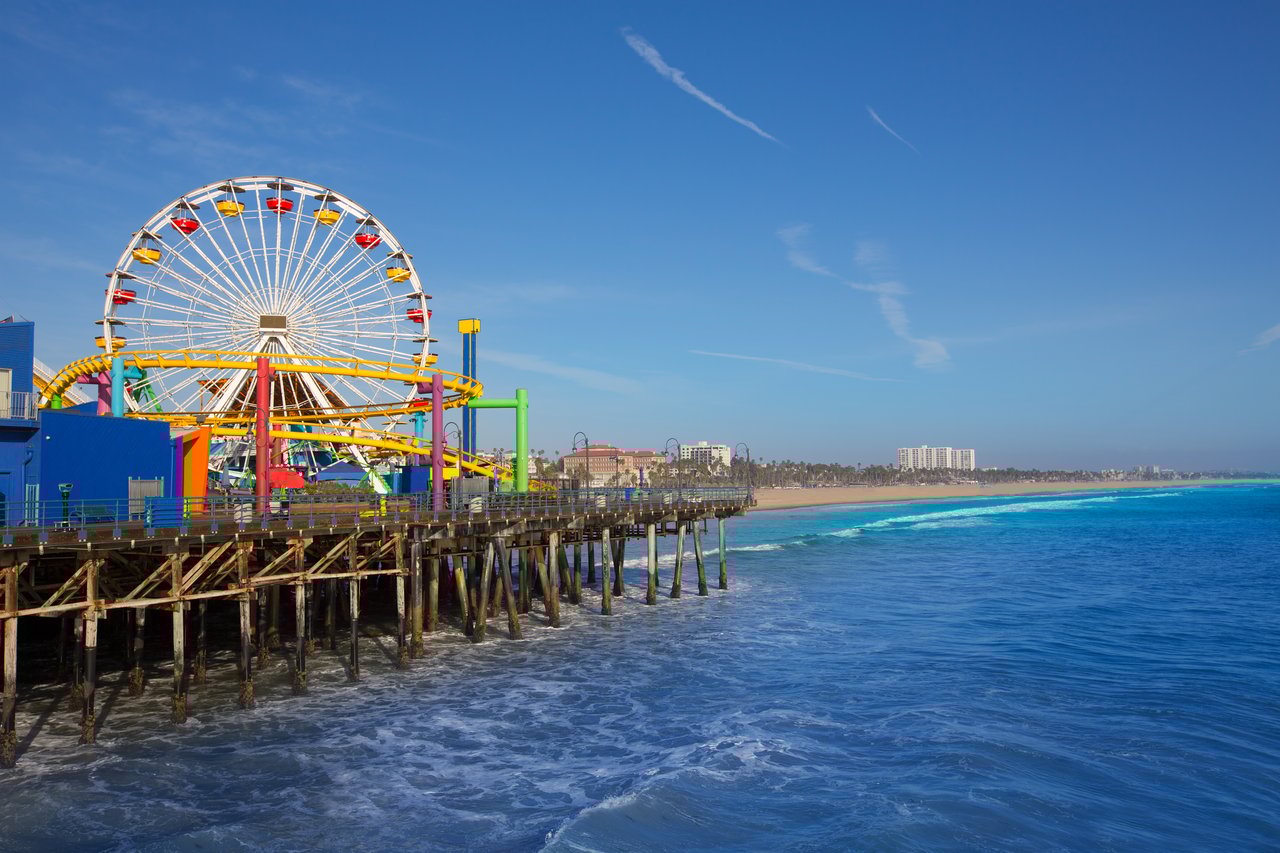
Centered on Third Street Promenade between Wilshire and Colorado, with Santa Monica Place and the Pier a short stroll away, Downtown is the city’s most pedestrian‑dense zone. The E Line’s Downtown station at 4th and Colorado and multiple Big Blue Bus routes converge here, which supports true car‑optional living. Street performers, Tongva Park’s terraces, Palisades Park, and the twice‑weekly Downtown farmers market on Wednesdays and Saturdays set the rhythm for daily life per the city’s market page.
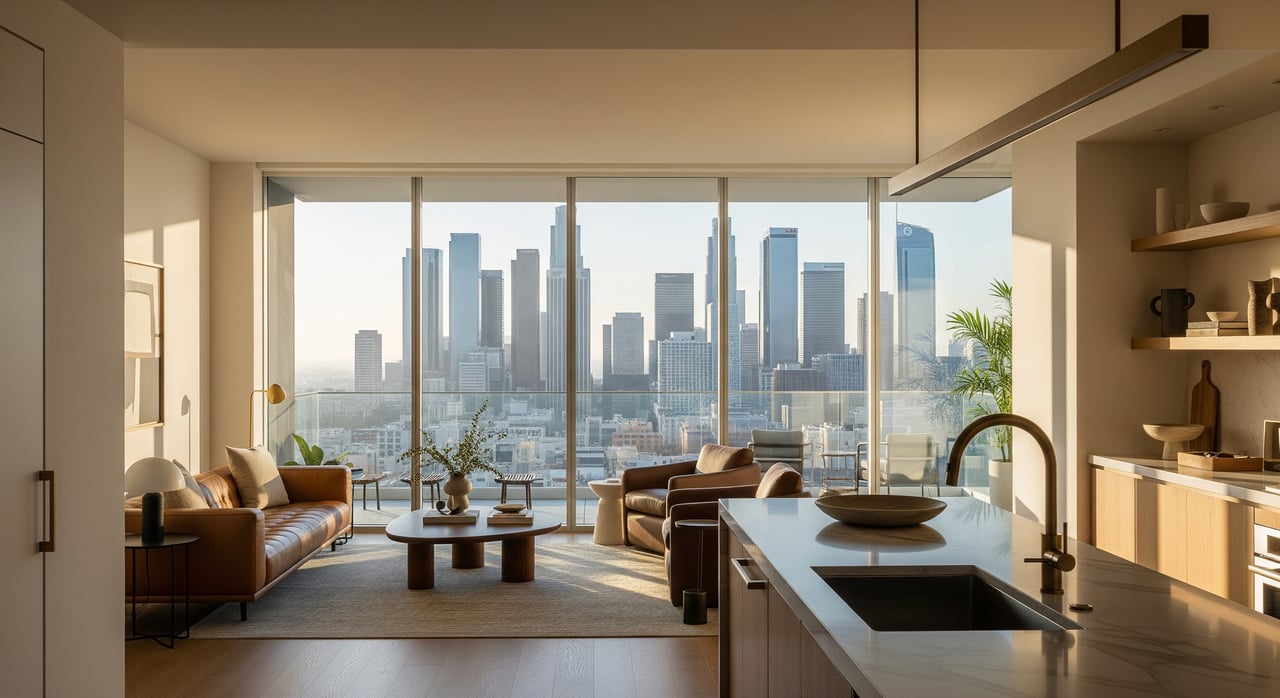
Housing here skews to mid‑rise condos and apartments, often in mixed‑use buildings. January 2026 snapshots showed Downtown condo medians below many single‑family areas, with some data sets placing typical values near the low‑$1 million range. Expect HOA dues, secure entries, and limited private or guest parking in older buildings. If you host visitors often, note that Santa Monica updated downtown public parking rates effective January 12, 2026, moving to a simpler tiered model with the first 30 minutes free instead of the previous 90‑minute baseline per the city’s press release.
Try this short walk: start at Third Street Promenade between Santa Monica Boulevard and Broadway, head west to Tongva Park for a pause in the terraces, then continue to the Pier for sunset light over the water.
Montana Avenue / North of Montana
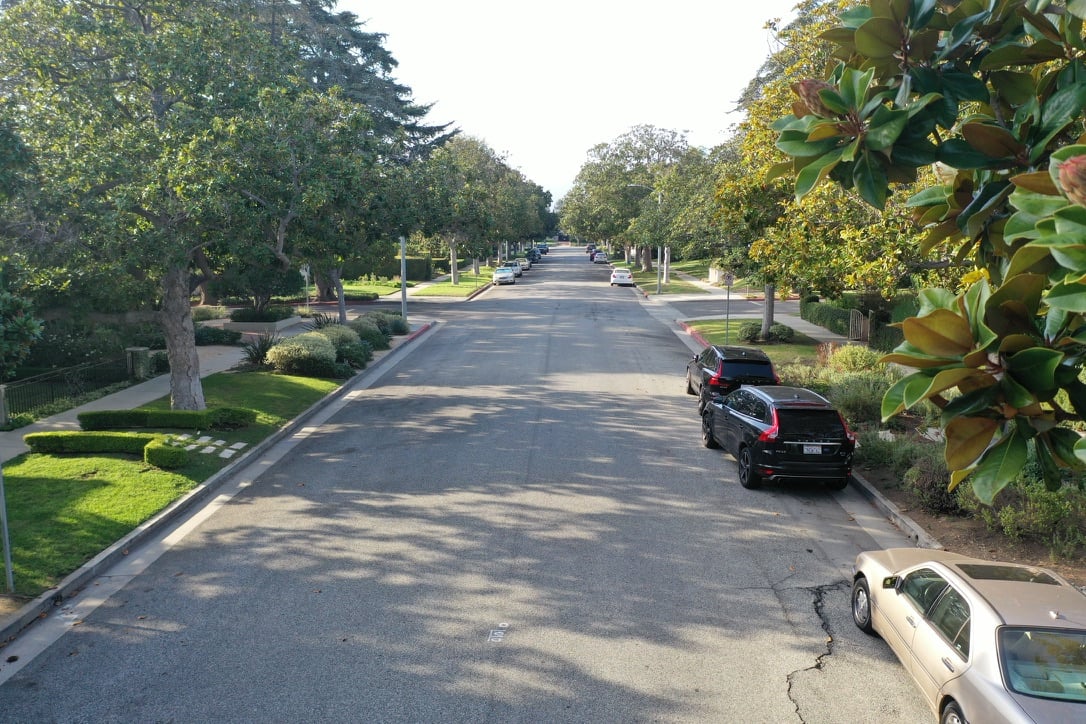
Montana Avenue functions as a classic neighborhood high street, with a compact, tree‑shaded run of boutiques and cafés. It is highly walkable for errands and coffee runs, and it quiets down after business hours. The blocks north of Montana feature residential streets with larger single‑family homes and a calmer feel see the city’s neighborhood overview.
Inventory here leans heavily toward single‑family homes, from period bungalows to modern rebuilds. Neighborhood value indexes in this pocket are among the city’s highest, so you should anticipate multi‑million price points and tight availability compared with condo‑heavy Downtown. Transit is good but not as frequent as the E Line hub, so many households keep at least one car for regional errands.
Sample stroll: walk Montana Avenue between 7th and 16th Streets for a loop of cafés and boutiques, then head home through shaded side streets.
Main Street / Ocean Park
Main Street sits inside and alongside Ocean Park, creating a compact, surf‑adjacent corridor with cafés, local shops, and a slower afternoon pace. Many blocks are an easy walk or bike to the sand, and the coastal path makes quick beach runs simple. Ocean Park locations often score in the low‑90s on walkability tools, which means most daily errands can happen on foot.
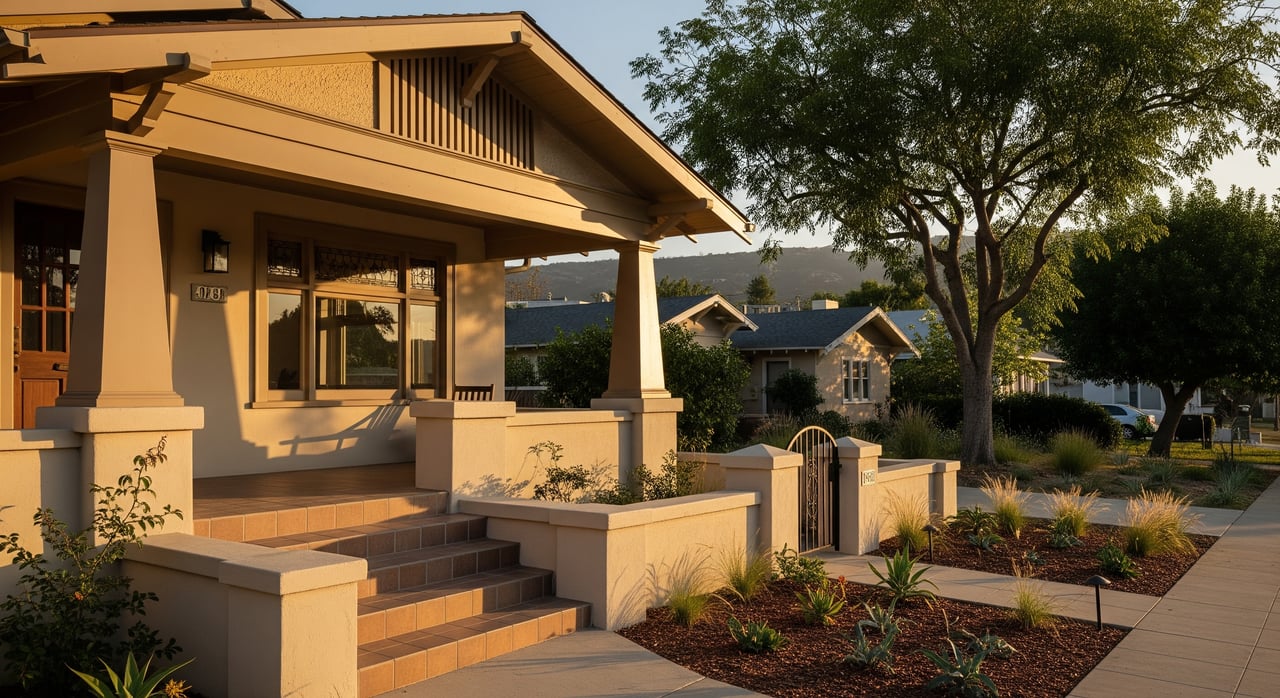
Homes range from small condos and 1920s to 1950s bungalows to modest single‑family houses. Typical values trend below North‑of‑Montana and Ocean Avenue but above regional averages, with neighborhood indexes in the low‑$1 million range in recent datasets. If you need larger grocery runs or frequent trips outside Santa Monica, keeping a car can still be useful.
Sunday morning idea: wander Main Street between Ocean Park Boulevard and Ashland Avenue, browse the neighborhood farmers market, then roll to the beach.
Ocean Avenue / Pier & the Beachfront
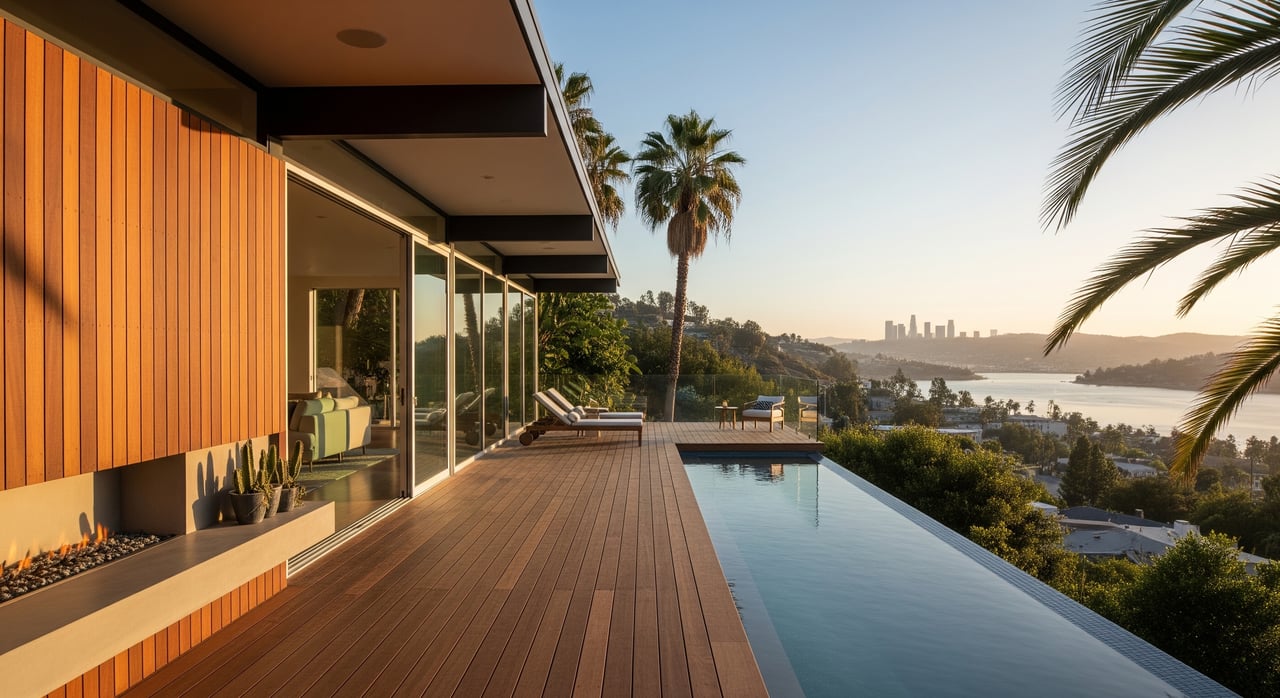
These are the most beach‑proximate addresses, framed by Palisades Park and the Pier. The Marvin Braude Bike Trail, also called The Strand, runs along the sand for miles of coastal biking and walking overview here. The Annenberg Community Beach House adds a unique public amenity right on the ocean with pool options, community programs, and beach access learn more.
Many buildings are ocean‑view condos, secure mid‑rises, and luxury penthouses. Neighborhood indexes place typical values above inland pockets, and HOA considerations are common. Life on the bluff and beach is extremely walkable, although weekend foot traffic spikes with visitors. If you entertain, plan ahead for deliveries and guest parking.
Morning ritual: take a bluff‑top walk through Palisades Park, drop down to The Strand for a boardwalk ride, then loop back for coffee near Ocean Avenue.
Pico / Mid‑City / Bergamot
Inland from the sand, Pico and Mid‑City blend residential streets with commercial stretches, Santa Monica College, and the Bergamot Station arts complex. The E Line’s 17th Street/SMC and 26th Street/Bergamot stations add simple rail connections for Westside commutes or downtown trips see a station primer.
Walkability varies block to block, with the most foot‑friendly experiences clustered around commercial nodes. You will see small condos, townhomes, and modest single‑family homes, with pricing that is often lower than Montana and the beachfront but still high by national standards. For many buyers, this area reads as a smart compromise: better space options and access to rail, with walkable stretches along Pico Boulevard.
Try this itinerary: start along Pico between 16th and 20th Streets for coffee and errands, then connect to 17th Street/SMC for a quick rail hop or continue east to the 26th Street galleries on foot.
Getting around without a car
- Rail + bus: The Metro E Line terminus puts Downtown Santa Monica a short ride from Culver City and downtown LA, and Big Blue Bus fills in the local grid with routes across the city and beyond plan with Big Blue Bus and review area connections.
- Bike network: The Strand is a protected, continuous spine for coastal riding, and the city’s recent safety planning has supported more protected lanes in central areas. Downtown’s bike facilities and secure parking make it practical to combine cycling with rail.
- Farmers markets as anchors: Downtown’s Wednesday and Saturday markets and Main Street’s Sunday market create set times when you can do groceries on foot and feel the neighborhood’s energy see market details.
Parking and permits you should know
- Residential permit zones: Many close‑in streets use Preferential Parking. As an owner or tenant, you apply for residential and visitor permits, which have specific rules and proof requirements city how‑to. If you plan to host out‑of‑town guests or contractors, check your zone’s visitor limits in advance.
- Downtown structures: Effective January 12, 2026, Santa Monica adopted a simpler, tiered pricing model for public parking. The first 30 minutes are now free for most downtown structures, which replaces a previous 90‑minute free baseline city press release. Budget this into move‑in days and deliveries.
- Building specifics: For condos, verify whether parking is deeded, assigned, or tandem. Ask about guest parking rules, EV charging, and storage or bike rooms before you write an offer.
Beachfront rules for remodels and new work
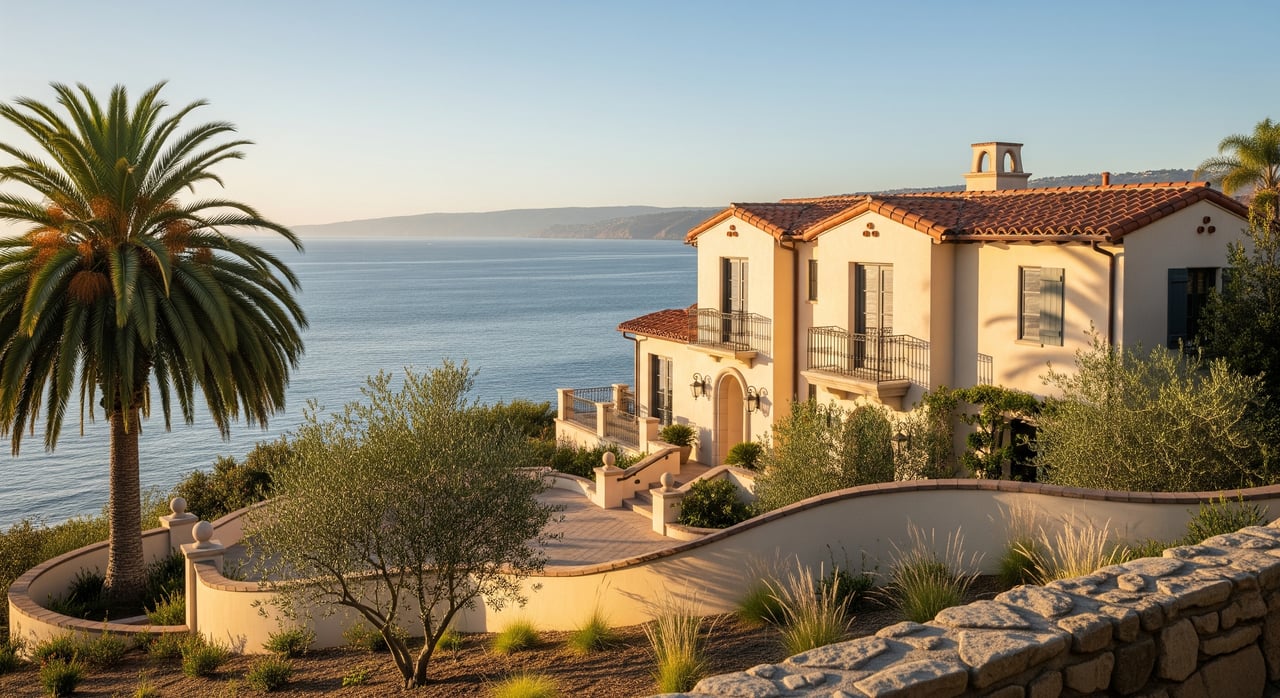
Much of Santa Monica’s shoreline sits inside the State Coastal Zone. The city’s Local Coastal Program policies guide public access and sea‑level planning and can affect timelines and design for new construction or significant remodels near the beach background here. If you are targeting ocean‑proximate property with renovation plans, factor this review into your schedule.
What it costs and how to shop smart
Santa Monica is a high‑cost, high‑amenity market. Citywide, Zillow’s ZHVI was about $1.66 million as of January 31, 2026, and Redfin’s median sale price was about $1.50 million in January 2026. Downtown and Pico/Mid‑City often provide comparatively lower entry points, especially in condo buildings. Ocean Avenue and North‑of‑Montana trend higher, with many properties trading at multi‑million price points amid tight inventory.
Use these tips to narrow your search:
- Prioritize your car‑light must‑haves. If rail access matters, anchor near the E Line. If daily errands and cafés are your focus, center on Third Street Promenade, Montana, or Main Street.
- Check the HOA and parking details. Confirm dues, what they cover, any upcoming assessments, and the exact parking type. Ask about guest parking or nearby public structures if you entertain often.
- Walk at different times. Stroll your target blocks midweek and on weekend market days to gauge foot traffic, noise, and parking patterns.
- Think storage and bikes. Ask about secure bike rooms or in‑unit storage. If you plan to use The Strand often, ground‑level access becomes a real quality‑of‑life perk.
Ready to see the options that match your lifestyle and budget? For a curated, design‑minded search with clear pricing guidance and hands‑on vendor coordination, connect with Johannes Steinbeck for a private consult.
FAQs
Can you live car‑light near the beach in Santa Monica?
- Yes. Downtown, Ocean Park/Main Street, and parts of Montana offer high walkability, the E Line terminus, and Big Blue Bus coverage, which lets many households rely on walking, biking, and transit see Walk Score example and transit overview.
How close is rail service to the Pier and Promenade?
- The E Line’s Downtown Santa Monica station at 4th and Colorado sits a short walk from both the Pier and Third Street Promenade, making regional trips simple without a car transit primer.
What should you know about parking and permits when buying a condo?
- Verify whether parking is deeded, assigned, or tandem, and review guest rules. Many streets use Preferential Parking zones with residential and visitor permits, so check eligibility and limits before you commit city permit guide.
How much should you budget for Santa Monica housing as of Jan 2026?
- Plan around citywide indicators of roughly $1.66 million for typical values and about $1.50 million for recent median sales, noting that beachfront and North‑of‑Montana trend higher while Downtown and Pico/Mid‑City can be relatively more attainable.
Where can you bike safely along the coast for daily exercise?
- The Marvin Braude Bike Trail, known as The Strand, runs along the beach for a protected, scenic ride that connects Santa Monica to neighboring coastal cities route overview.