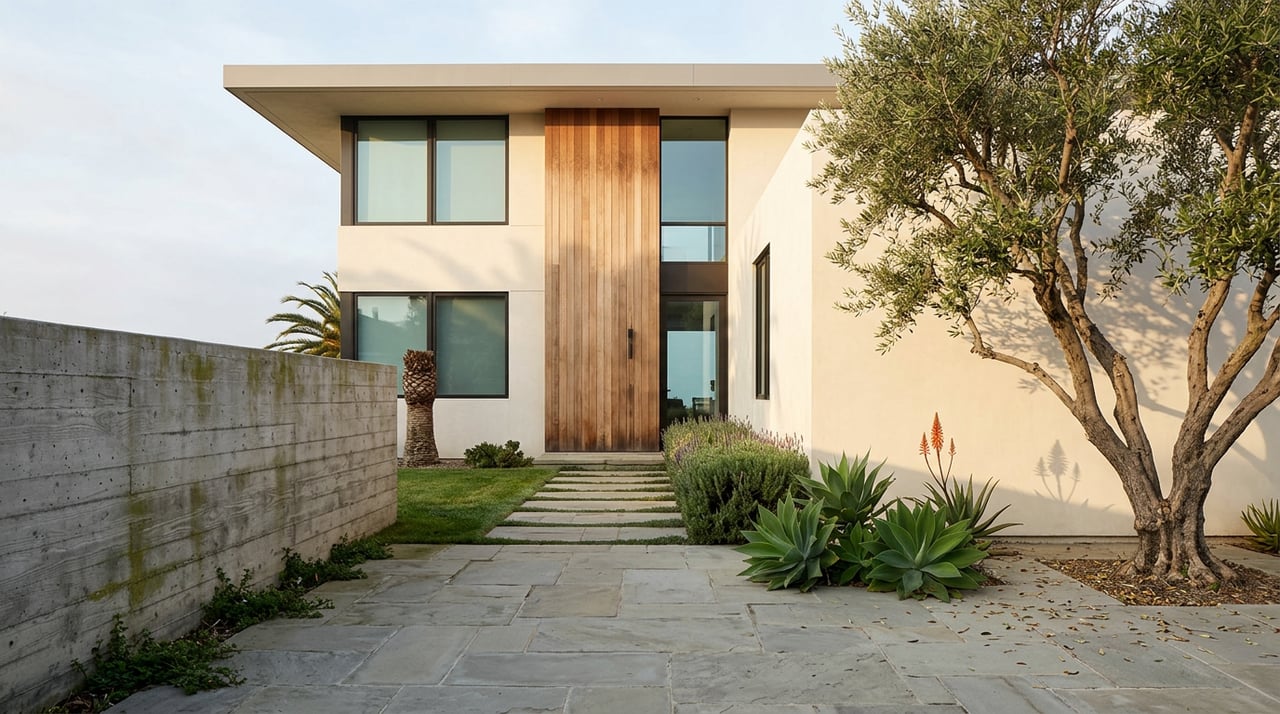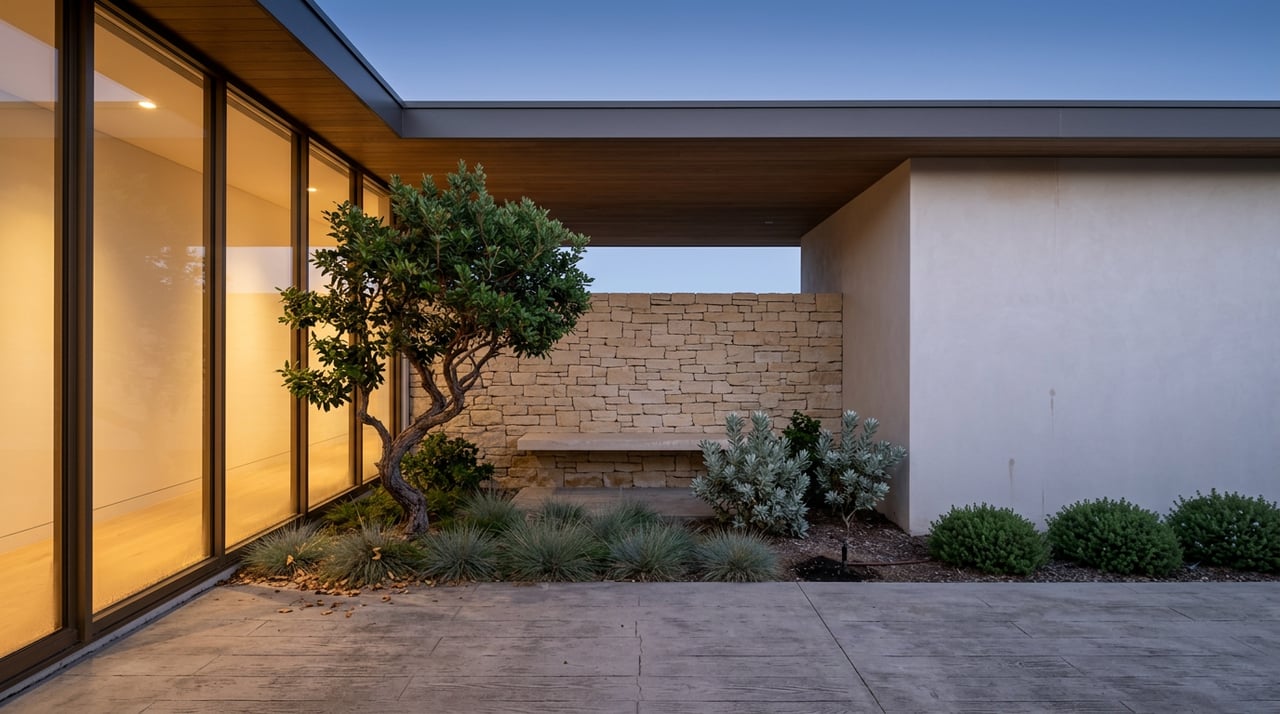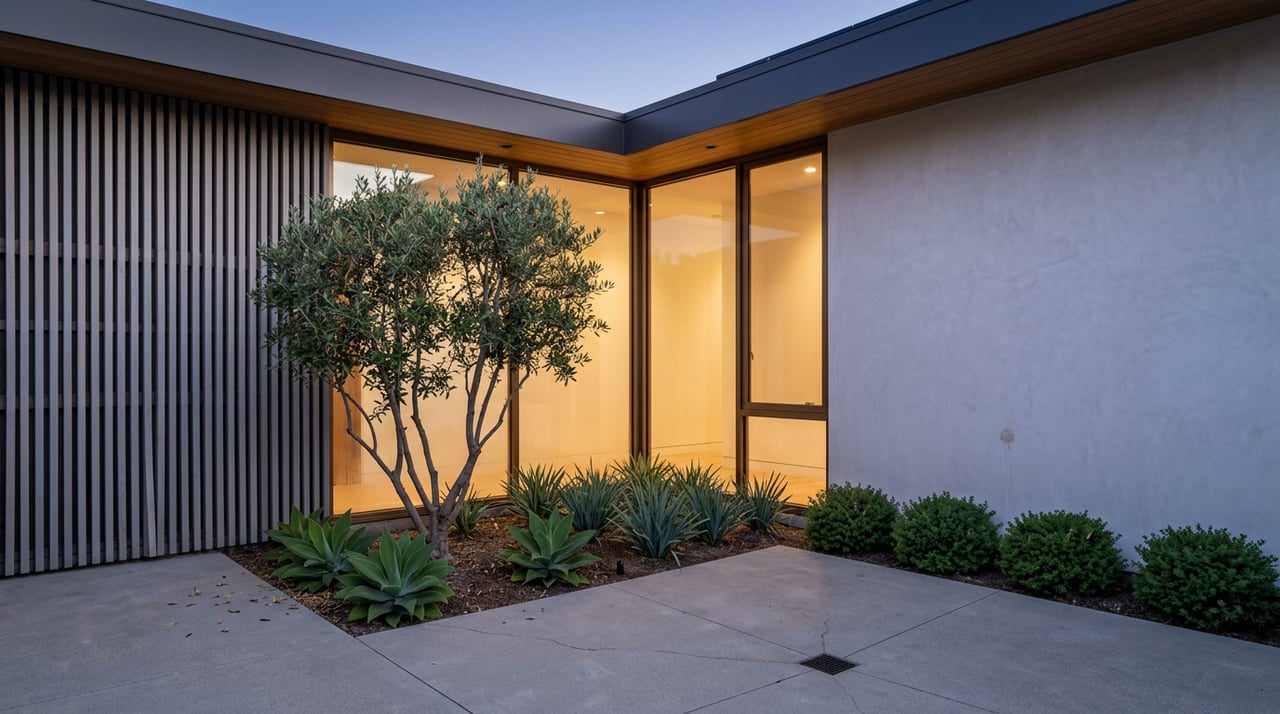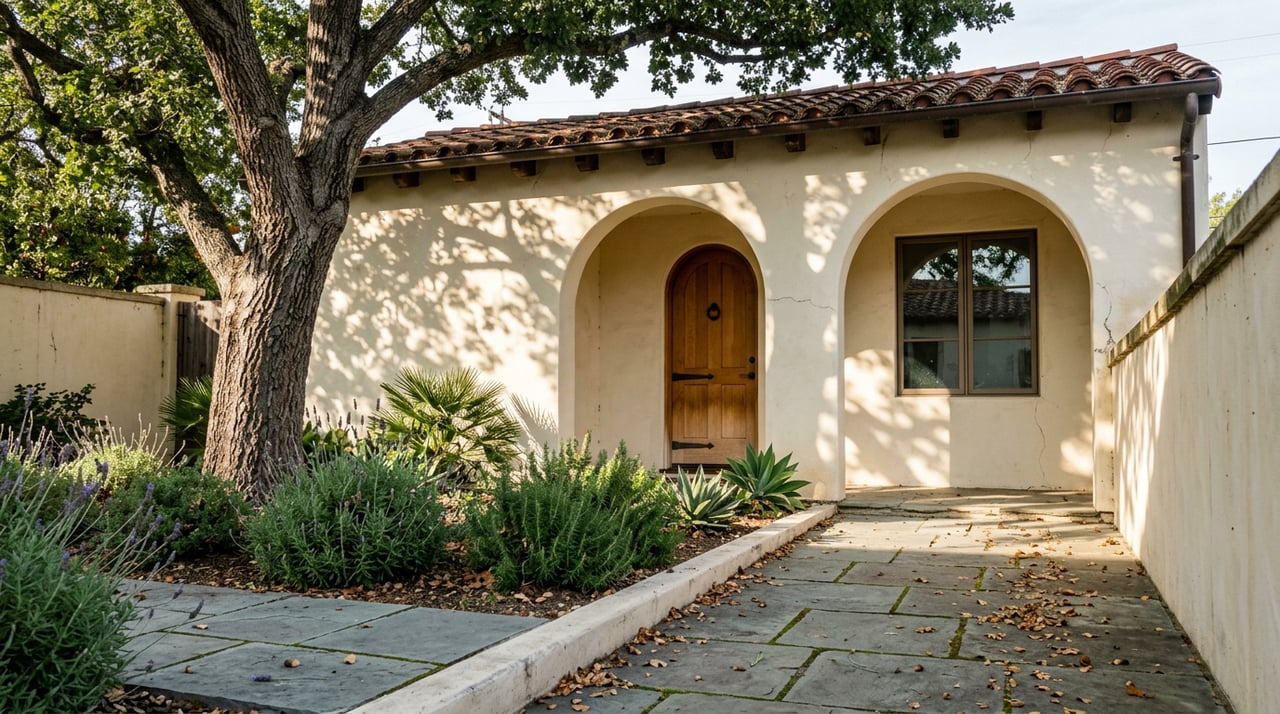
Thinking about trading a big home for a lighter, walkable lifestyle by the beach? Downsizing in Santa Monica can give you shorter to-do lists, easy access to errands, and a true lock-and-leave setup for travel. You want the right neighborhood fit, the right building features, and clean HOA rules that keep surprises to a minimum. This guide breaks down the best areas for low-maintenance living, what to look for in a condo or townhome, and the key due-diligence steps that protect your peace of mind. Let’s dive in.
Top areas for low-maintenance living
Downtown & Third Street Promenade
If you want maximum convenience, Downtown delivers top walkability and one-block living around the Third Street Promenade. The Promenade scores in the mid-90s for walkability, so daily errands are easy without a car. Many buildings offer concierge or on-site management that supports a lock-and-leave lifestyle. You are also at the Metro E Line terminus, with frequent connections and simple regional access.
- Why it works: dense condo options, building amenities, short walks to dining and Santa Monica Place.
- Transit: the E Line ends downtown, and Big Blue Bus routes converge nearby, so car-light living is realistic. You can read about the E Line connection on SantaMonica.com and LA Metro’s recent updates to the Downtown Santa Monica station.
- Heads up: amenity-rich towers often carry higher HOA dues. Ask for the budget and reserve study before you fall in love with the lobby.
Helpful links:
Wilshire–Montana
If you prefer a calmer residential feel near refined retail, Wilshire–Montana is a standout. You are close to Montana Avenue’s boutiques and cafés, with mid-rise condos and townhomes set on quieter blocks than downtown. Some buildings offer elevators and single-level floor plans, which can be ideal if you want to avoid stairs. Inventory here is often smaller-scale compared to downtown towers.
- Why it works: neighborhood charm plus walkable shopping and dining.
- Heads up: single-level layouts and elevator access exist but can be limited, so set clear search filters.
Ocean Park & Main Street
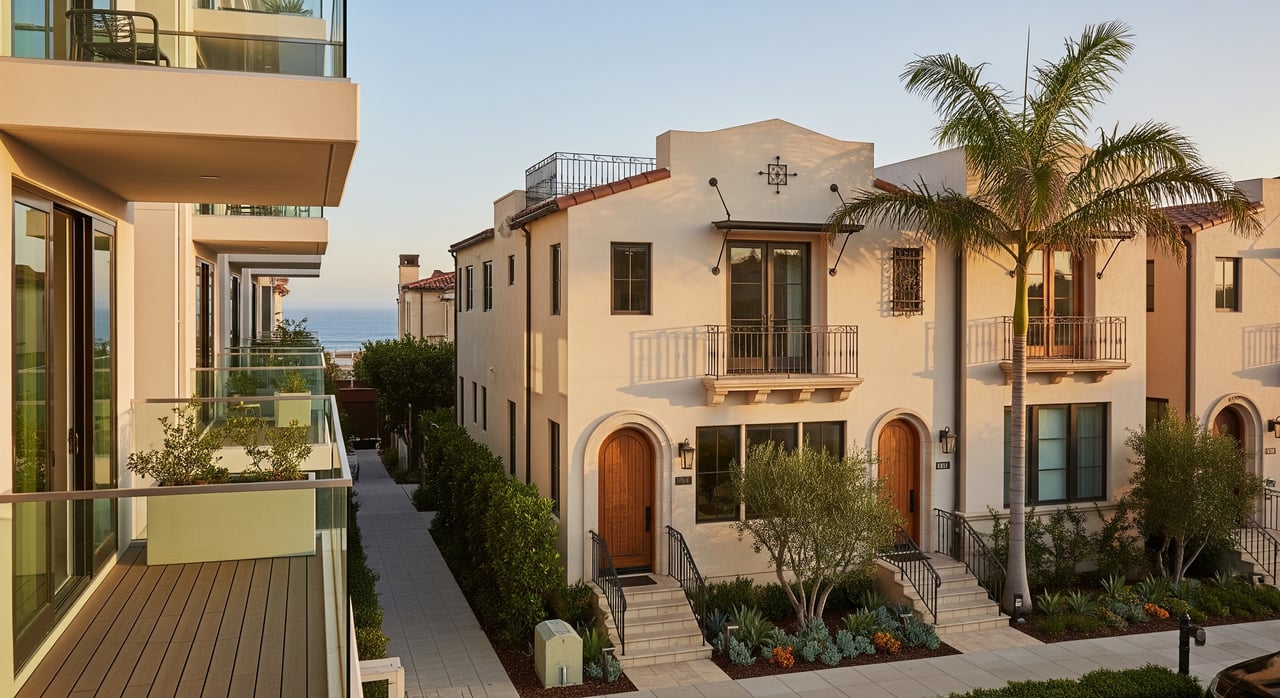
Ocean Park blends a beach-village feel with independent shops and cafés along Main Street. You will find many low-rise condos and townhomes, plus a relaxed community vibe that stays close to the sand. Buildings here are often boutique in scale, which can mean friendlier HOA dues but fewer full-service amenities.
- Why it works: coastal energy, smaller buildings, and a neighborhood feel.
- Heads up: fewer high-rise options, so if you want a doorman and full amenities, downtown may suit you better.
Learn more context about the area’s history on Ocean Park, Santa Monica.
Mid-City & Bergamot
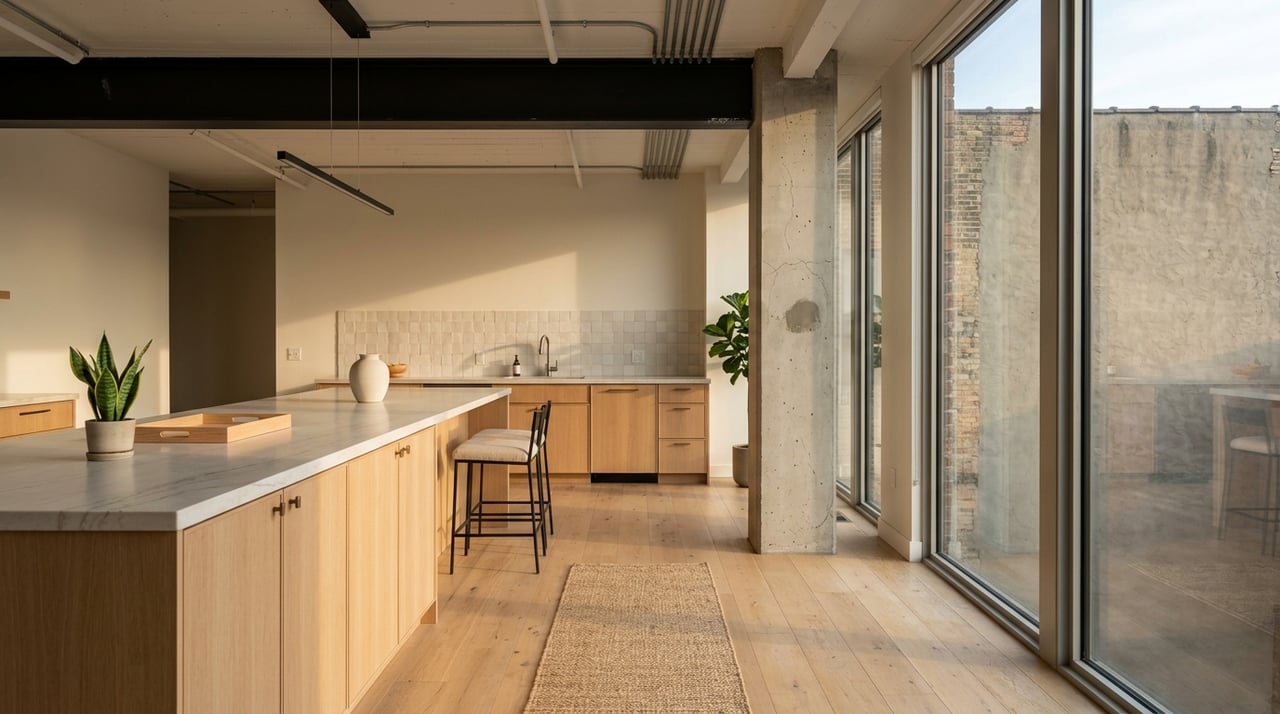
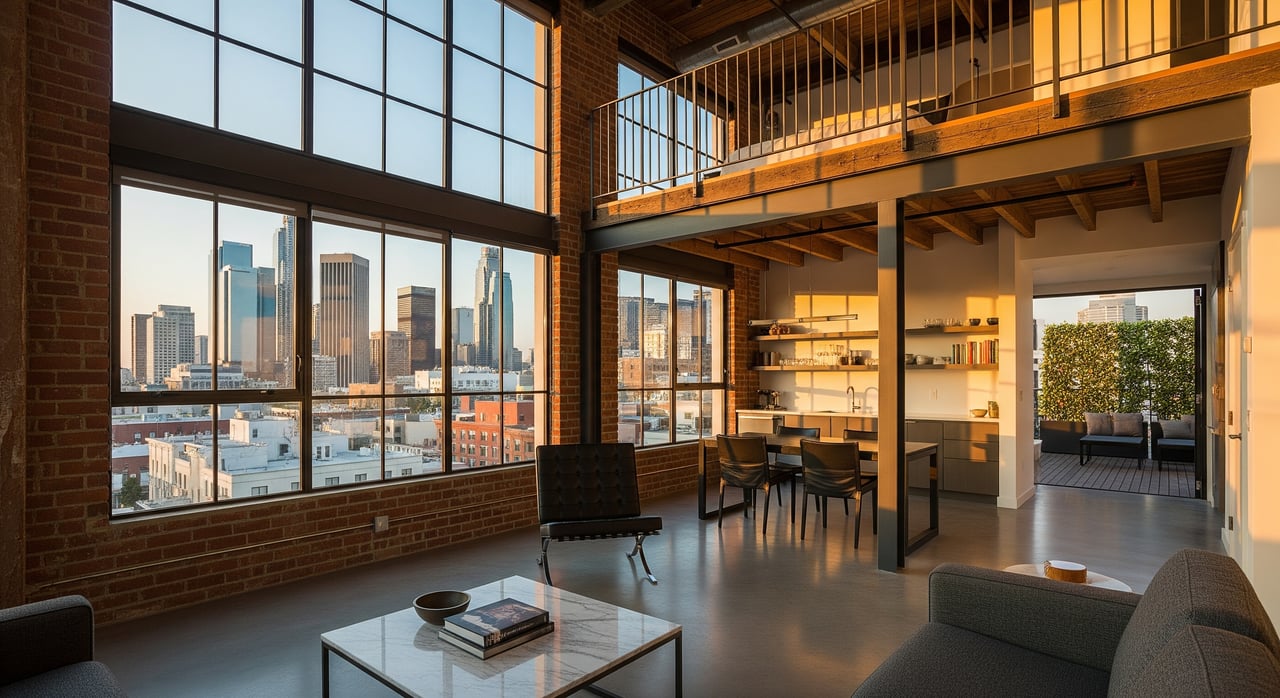
Around Bergamot Station, you will see newer infill and loft-style conversions with a design-forward look. If you want a contemporary condo with lower upkeep than a single-family home, this pocket is worth a look. It is also convenient to the E Line stops at 26th St/Bergamot and 17th St/SMC, which helps reduce car dependence.
- Why it works: modern design options and practical E Line access.
- Learn more about the Metro E Line in Santa Monica.
North of Montana, Sunset Park & Pico
North of Montana is predominantly single-family and tends to be a fit for buyers who prioritize privacy and larger lots. That makes it less common for condo-style downsizing. In Sunset Park and Pico, you will see more single-family homes plus some duplexes and small townhome projects. If you want a modest yard and less square footage, these can be good middle-ground options.
Explore neighborhood groups and boundaries on the city’s Neighborhood Organizations page.
Condo vs townhome tradeoffs
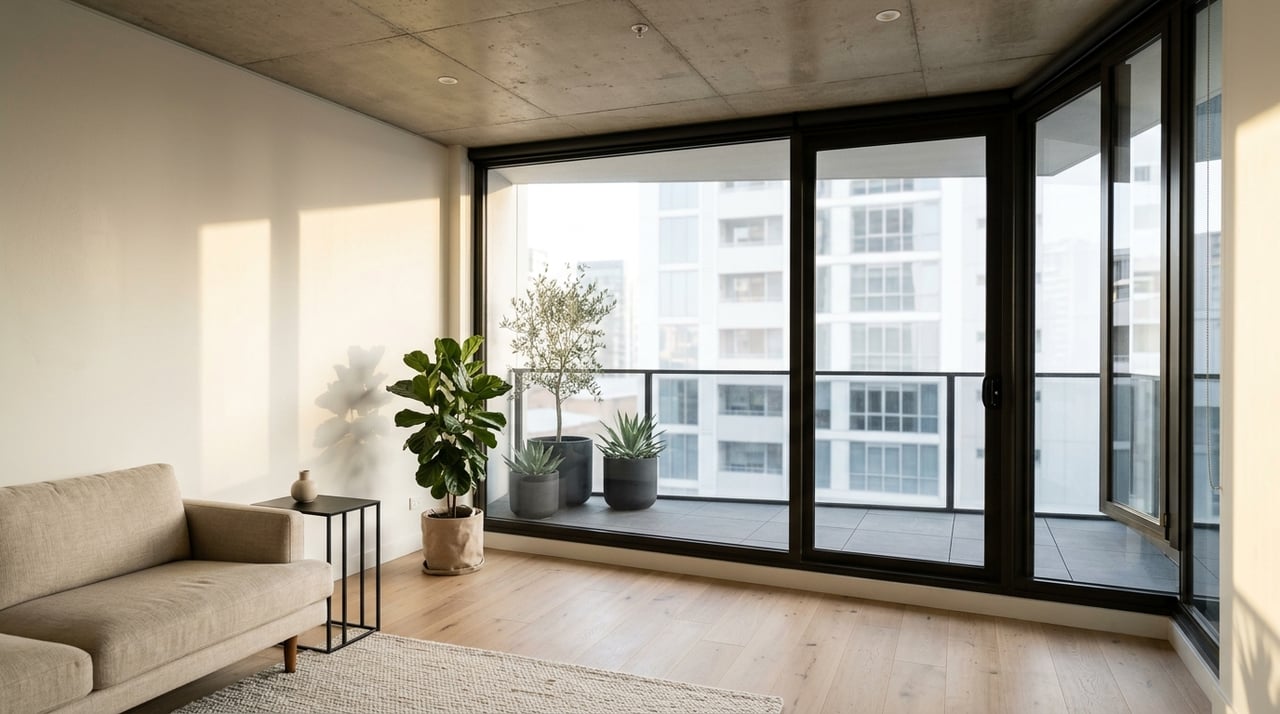
- Condos: the most maintenance-free. The HOA handles exterior and common areas, which supports a true lock-and-leave life. Dues are often higher in buildings with amenities, such as gyms, pools, or concierge.
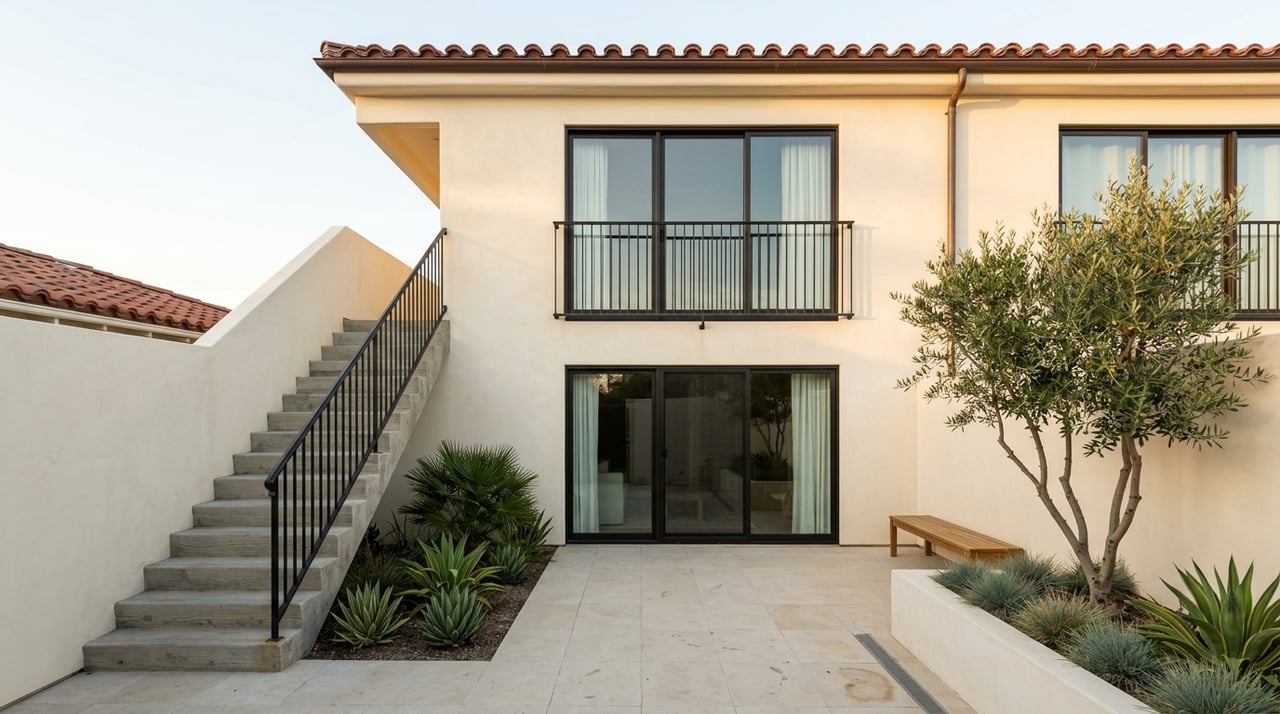
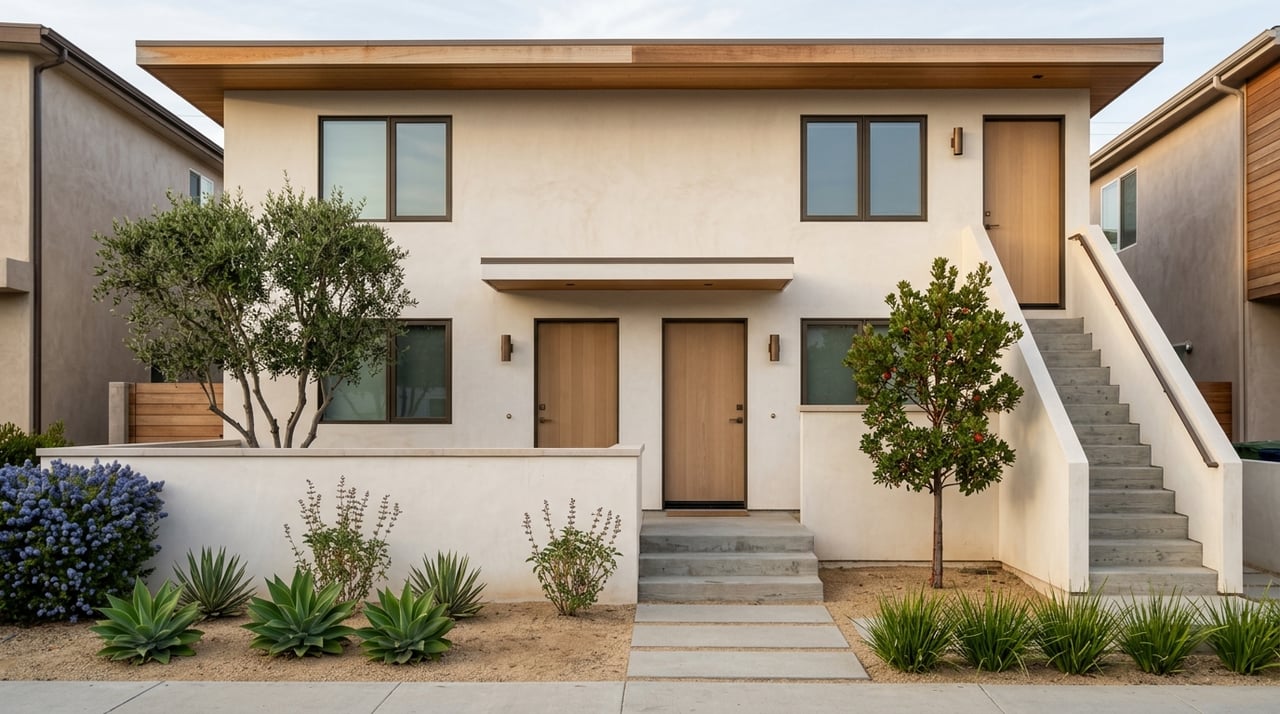
- Townhomes: more like a hybrid. You may enjoy private outdoor space and sometimes lower dues, but you often carry more roof or exterior responsibility compared to a condo. This can work well if you want less maintenance than a single-family home without giving up all outdoor space.
Building features that matter most
- Single-level living or elevator access. Prioritize “no stairs” if joint comfort and daily convenience are goals.
- Parking and EV readiness. Confirm assigned garage spaces and ask about EV chargers. In Santa Monica, street parking relies on preferential permits that are zone based and do not guarantee a space. Review the city’s preferential parking permit guide.
- Storage solutions. Extra storage or bicycle lockers are valuable in beach cities where space is tight.
- On-site staff and secure package rooms. These features make travel easier and reduce delivery hassles.
- In-unit laundry and efficient layouts. A compact 2-bed plan can double as a guest room or office without adding upkeep.
Parking and car-light living
You can live car-light in central Santa Monica, especially downtown and near the E Line. The Metro E Line offers regional access, and the Big Blue Bus Brighter Blue plan shows evolving route coverage that connects neighborhoods. If you still drive, confirm assigned covered parking and guest parking rules with the HOA. For street parking, understand that preferential permits are zone based and do not guarantee a space.
HOA costs and smart due diligence
HOA dues in Santa Monica vary widely. Smaller complexes can be a few hundred dollars monthly, while amenity-rich towers often run higher. Representative listings show dues ranging from roughly 200 dollars per month to over 900 dollars per month, depending on services and building scale. Always review the association’s financials and rules before making an offer.
Key items to request from the seller and HOA:
- Resale packet with current budget and the most recent reserve study. California’s Davis–Stirling Act governs HOA disclosures and member record access. Review the framework here: Regulation of California HOAs.
- Board meeting minutes for the last 12 months. Look for discussions of special assessments, litigation, or large repairs.
- Parking assignments and guest parking policies. Confirm EV charging options and any installation process.
- Rules on rentals, pets, and renovations. Check for waiting periods, lease minimums, or improvement approvals.
- Building maintenance profile. Ask about roof age, elevator service, and structural items on the near-term horizon.
Santa Monica rules to know
- Short-term rentals: Santa Monica bans vacation rentals where guests have exclusive use without a resident host. Regulated home-sharing is allowed only when a host is present and properly licensed. The city actively enforces these rules, and the Ninth Circuit upheld the city’s approach. Read the case background here: Rosenblatt v. City of Santa Monica. For recent enforcement context, see the city’s press notice on legal action against a serial short-term rental violator.
- Seismic retrofit: Santa Monica runs a Seismic Retrofit Program for buildings identified as potentially vulnerable. Ask if a building is on the list and whether retrofit work is complete, scheduled, or likely to affect timelines and costs.
A quick location checklist for downsizers
Use these prompts to narrow your search fast:
- Walk score to essentials: groceries, pharmacy, and clinic. Downtown scores in the mid-90s around the Promenade, which makes car-light living easier.
- Transit access: proximity to the Metro E Line and Big Blue Bus routes.
- Healthcare: distance to a major hospital, such as Providence Saint John’s Health Center.
- Unit features: single-level plan, elevator building, in-unit laundry, storage locker, and assigned parking with guest stalls.
- HOA documents: budget, reserve study, insurance declarations, CC&Rs, 12 months of board minutes, and any notices of special assessments or litigation. The Davis–Stirling framework supports your right to review these.
- Parking reality: confirm on-site assigned spaces. If you need street parking, understand preferential parking permits.
- Short-term rental limits: know the difference between home-sharing and vacation rentals, then match that with HOA rental rules.
- Safety and seismic: verify a building’s status in the city’s retrofit program, and ask about any planned work.
Your next step
If you want single-level living, walkable amenities, and an easy lock-and-leave setup, Santa Monica’s Downtown, Wilshire–Montana, and Ocean Park offer strong starting points. Mid-City brings modern design and E Line convenience, while North of Montana and parts of Sunset Park or Pico may appeal if you want a smaller home with a bit of outdoor space. The key is matching building features and HOA health to the lifestyle you want today.
Ready to tour the right buildings, review HOA reserves with confidence, and compare floor plans that actually live well? Connect with Johannes Steinbeck to create a focused downsizing plan tailored to you.
FAQs
What makes Downtown Santa Monica good for downsizing?
- High walkability around the Third Street Promenade, strong transit via the Metro E Line, and condo buildings with amenities that support lock-and-leave living.
How do Santa Monica’s short-term rental rules affect me as an owner?
- Vacation rentals are prohibited, and only licensed home-sharing with a host present is allowed, so confirm city rules and HOA rental policies before planning any rental activity; see Rosenblatt v. City of Santa Monica.
Do HOAs cover all my maintenance when I buy a condo?
- HOAs typically handle exterior and common areas, but coverage varies by building, so review the budget and CC&Rs in the resale packet and use Davis–Stirling guidelines to request records.
How much are HOA dues in Santa Monica condos?
- Dues vary by building and amenities, ranging from a few hundred dollars per month in smaller complexes to higher fees in full-service towers, so review the budget and reserve study for accuracy.
What should I know about parking and permits?
- Many condos include at least one assigned garage space; if you rely on street parking, review the city’s preferential parking permit process, which does not guarantee a space.
Should I ask about seismic retrofits when buying a condo?
- Yes, confirm whether the building is listed in the city’s Seismic Retrofit Program and ask about timelines, costs, and any planned work that could affect occupancy or budgets.