Choosing between a soft loft and a true loft in Downtown Los Angeles can feel like comparing art and engineering. You might love the drama of brick, steel, and factory windows, yet also want predictable storage, quiet nights, and smooth financing. This guide breaks down what really matters in DTLA: how each loft type is built, how that affects daily life, and what to expect with appraisal, lending, insurance, and HOAs. By the end, you’ll know how to tour with confidence and choose the right fit for your lifestyle and budget. Let’s dive in.
Definitions: soft vs true lofts in DTLA
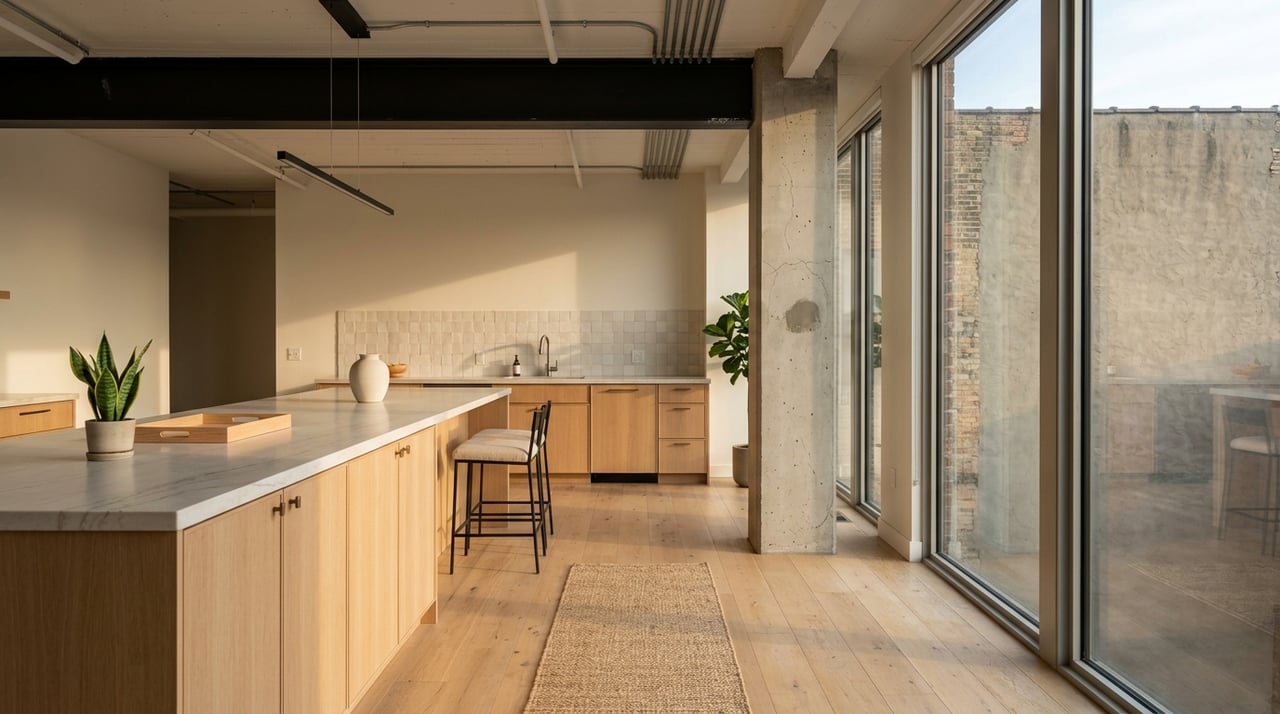
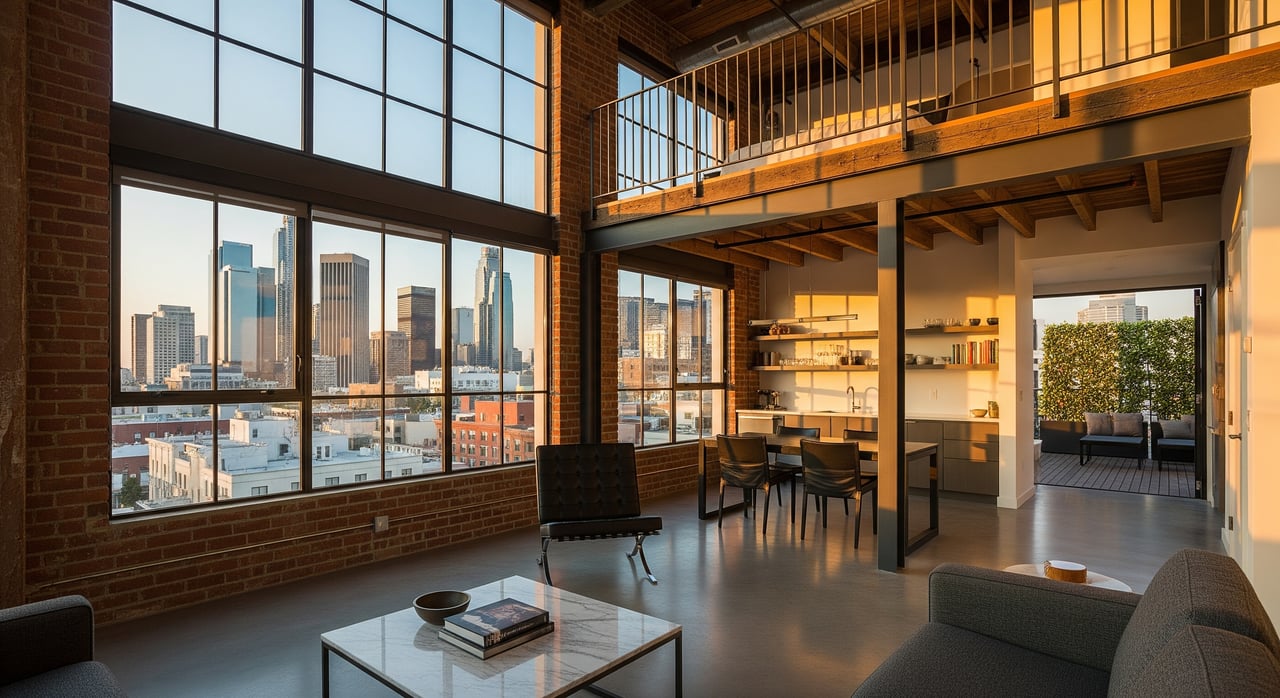
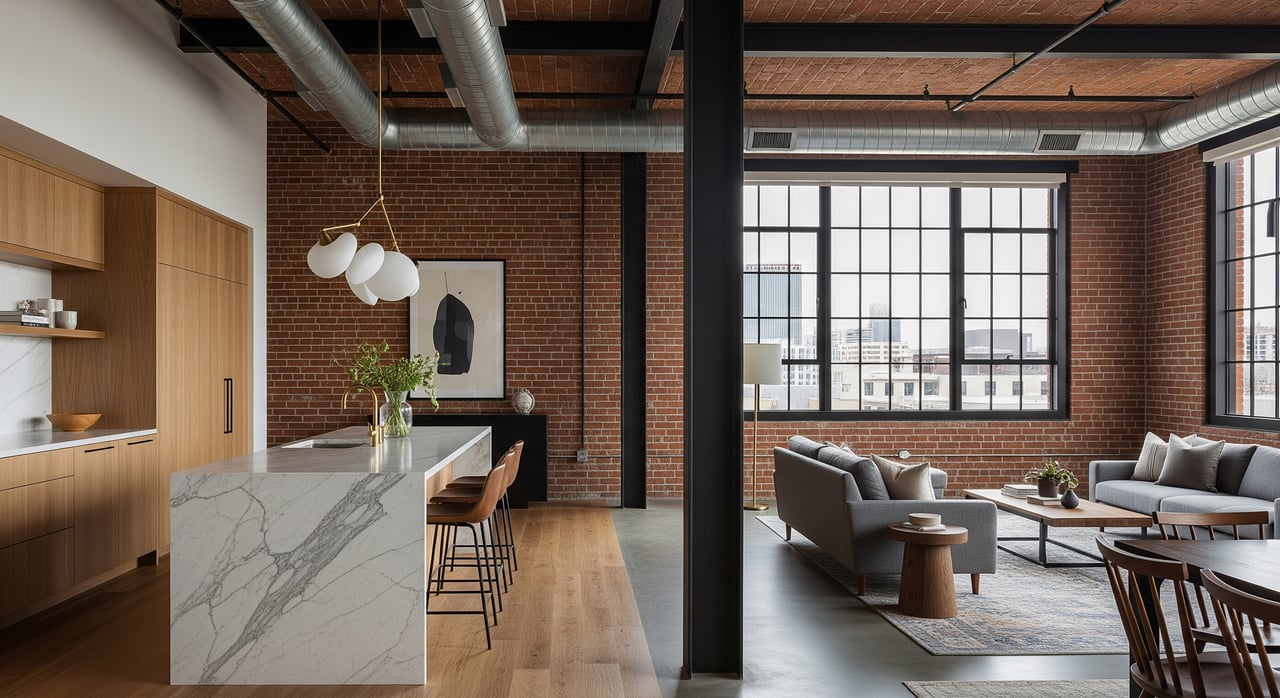
In DTLA, a true loft is typically a converted industrial or commercial space, often made possible by the city’s Adaptive Reuse policies that encouraged residential conversions. These homes often keep the original character, like exposed structure, extra-tall ceilings, and large factory-style windows.
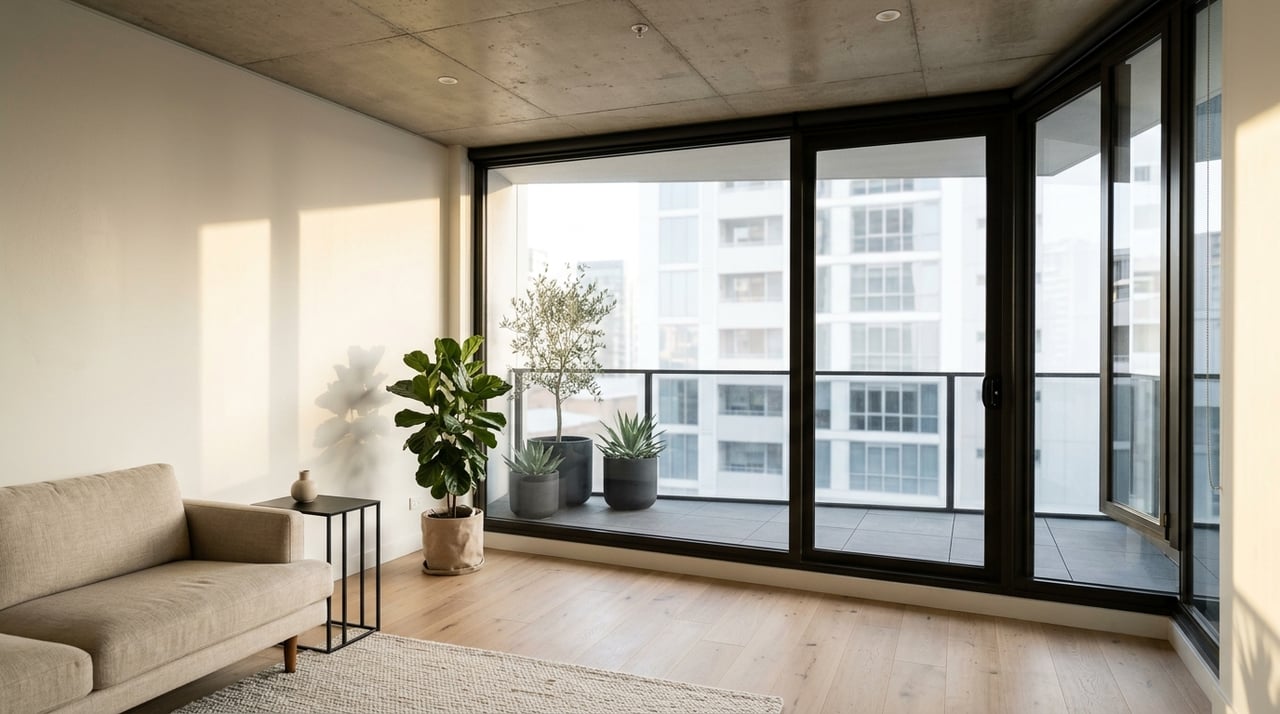
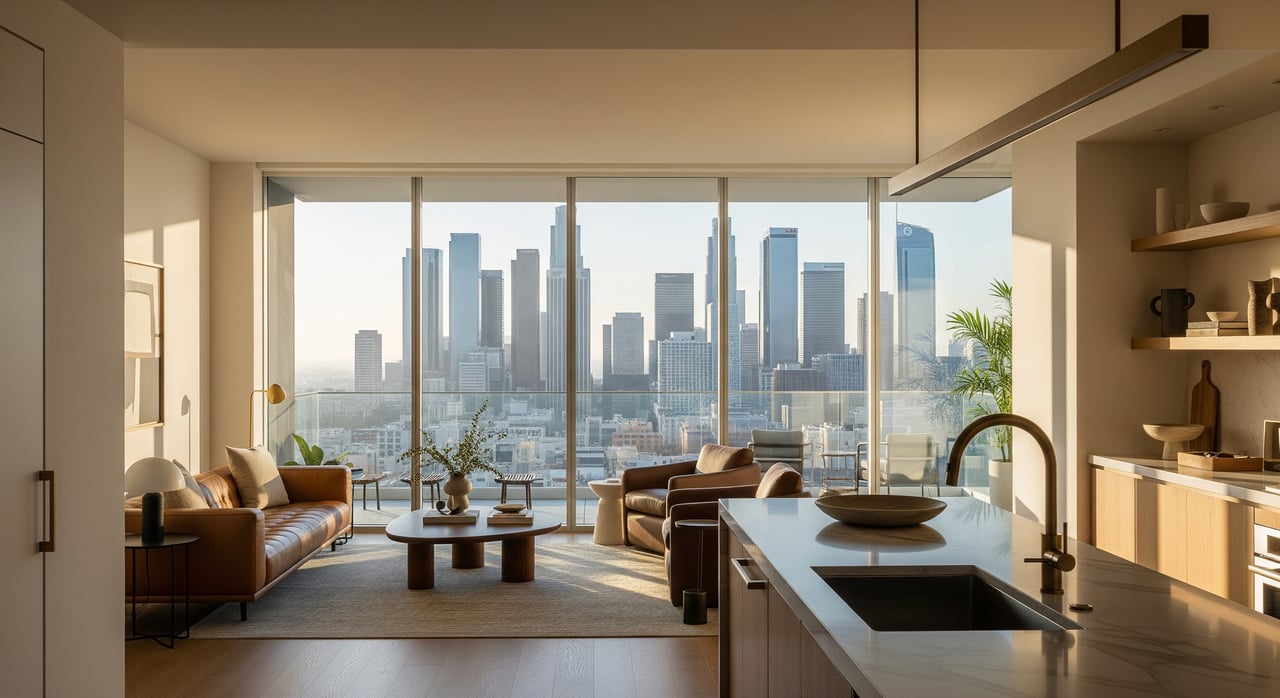
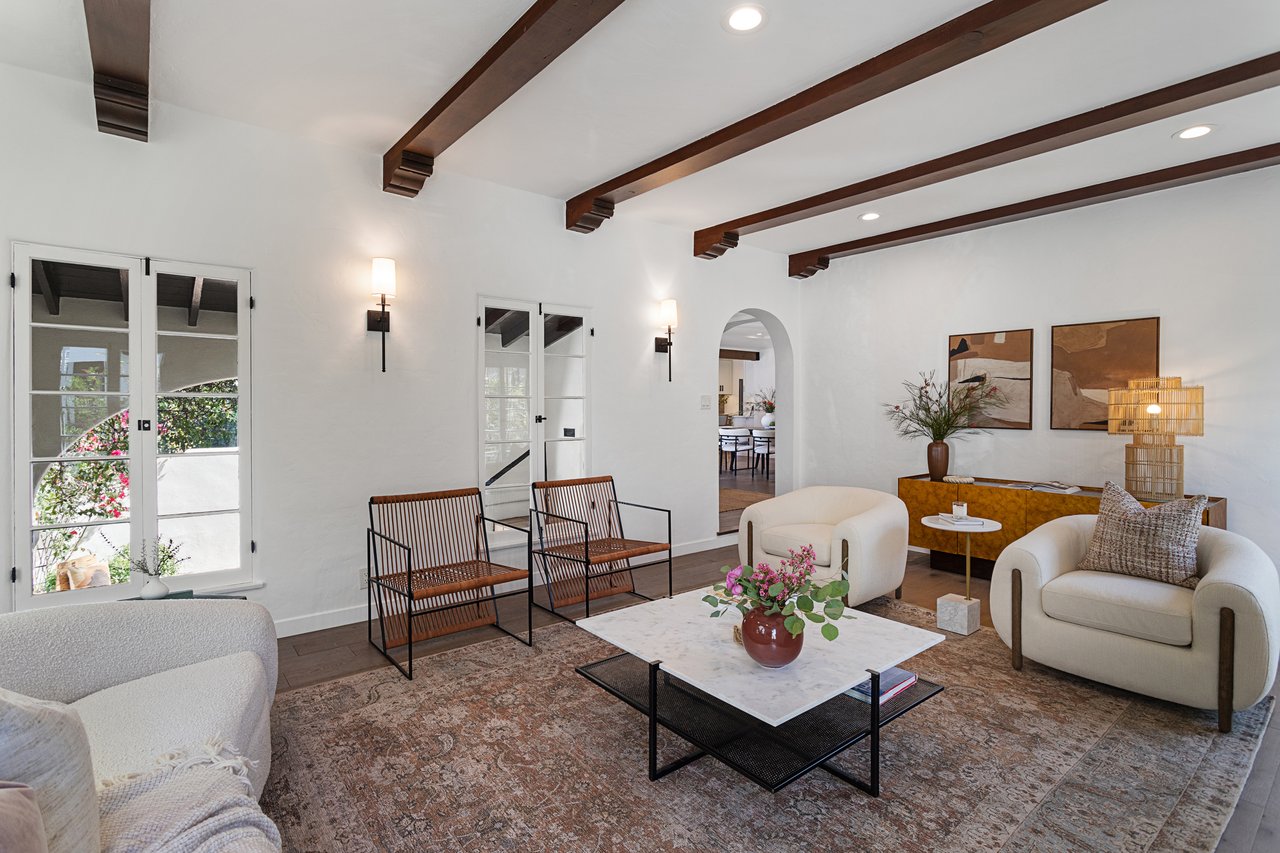
A soft loft is a newer, purpose-built residential condo designed to look and feel like a loft. You get open layouts and taller ceilings in select plans, but with modern assemblies, standard bedrooms and closets, and typical residential systems.
Both options are common across the Historic Core, Arts District, and South Park. The key is understanding how construction choices affect light, acoustics, storage, and long-term ownership costs.
Construction differences that shape daily life
Structure and sound
- True lofts often use concrete, steel, or heavy timber. The mass can help block some low-frequency noise between units, but inside your space the hard surfaces and high ceilings can create echo.
- Soft lofts typically use modern multifamily assemblies with acoustic insulation, resilient channels, and underlayment. Builders must meet current code targets for sound transmission, which can mean better occupant-to-occupant noise control.
What this means for you: do not assume concrete equals quiet. Visit at different times, listen for footfall above, and ask residents about noise.
Ceilings and daylight
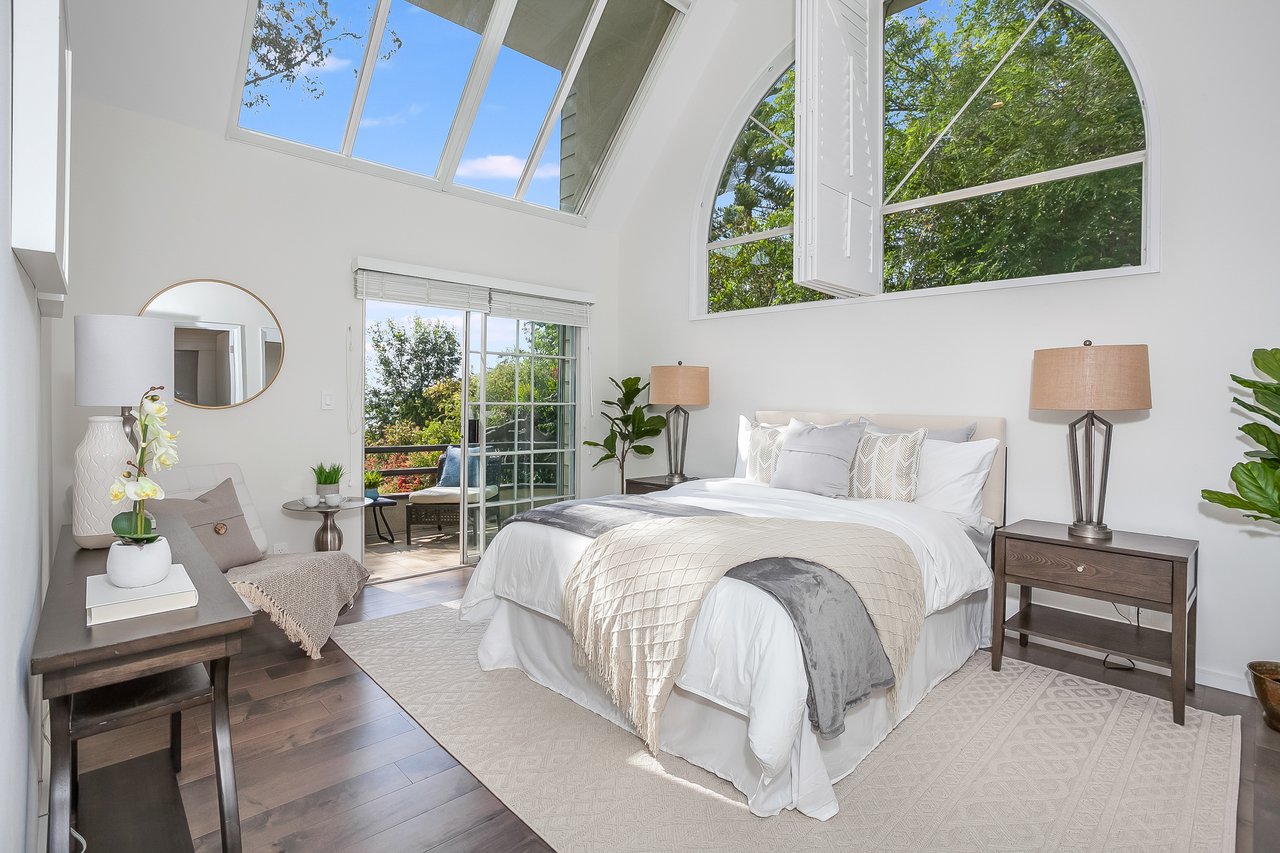
- True lofts are known for dramatic ceiling heights and oversized windows that flood spaces with natural light. Daylight still depends on unit orientation and depth, so interior units can feel dim if light does not reach the back of the floorplate.
- Soft lofts often deliver tall ceilings in select plans along with modern windows, commonly double glazed with energy-efficient coatings.
What this means for you: compare window size and type, and check light at morning, midday, and evening. Large original steel windows are visually stunning, but they may have weaker thermal performance if they are single pane.
Layout and storage
- True lofts usually have open plans and fewer built-ins. Closets can be limited, and bedrooms may be partially enclosed or on mezzanines.
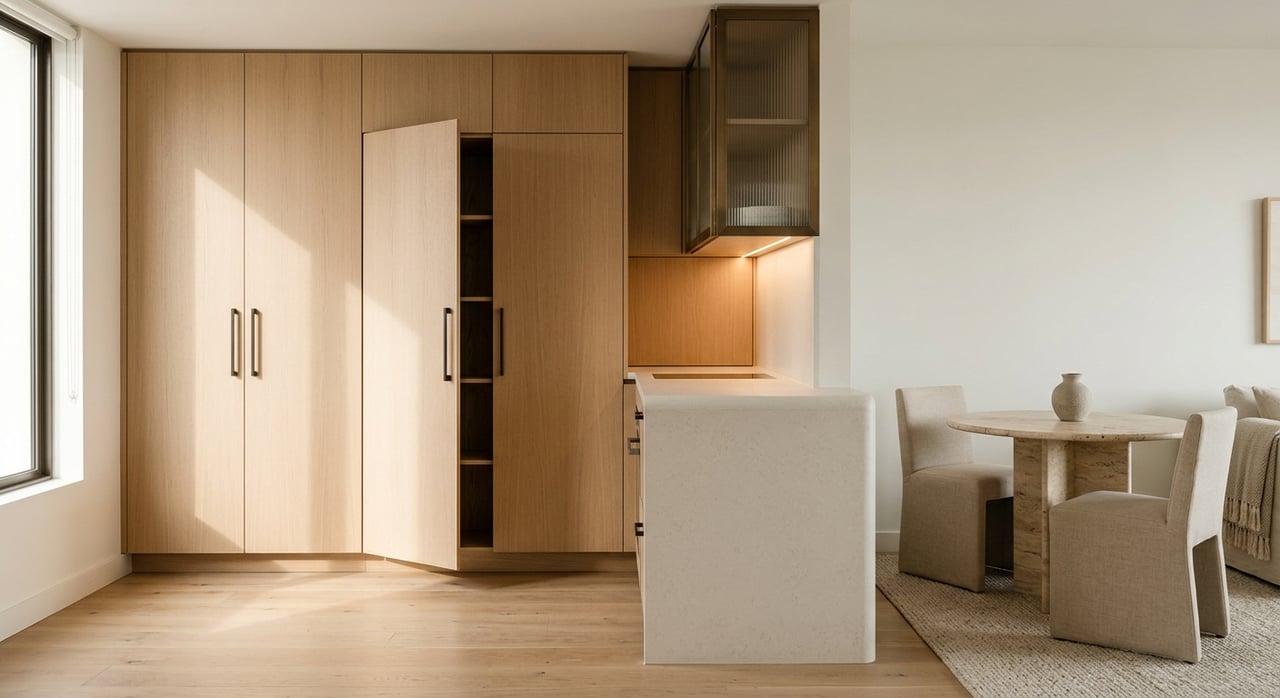
- Soft lofts usually include dedicated bedrooms, standard closets, laundry closets, and more predictable storage.
What this means for you: audit your storage needs. If you need full-height closets and pantry space, make sure the layout works for your daily routine.
Systems and utilities
- True lofts may keep or expose original building systems. Conversions vary in how thoroughly plumbing, sprinklers, electrical, and elevators were upgraded. Some components may be older and closer to replacement.
- Soft lofts are typically built with modern residential mechanicals and electrical capacity sized for today’s living.
What this means for you: ask for ages of HVAC and water heaters, elevator service history, and any recent plumbing or roof projects. The near-term maintenance picture matters.
Thermal performance and energy
- True lofts with large single-pane windows and limited insulation can feel drafty or run hotter and colder with the seasons.
- Soft lofts usually meet current energy code with insulation and efficient windows.
What this means for you: ask for past utility bills if available. Consider whether window or shade upgrades might be needed in older conversions.
Financing, appraisal, insurance, and HOA
Appraisal realities
Appraisers rely on comparable sales. True lofts are unique, so comps often come from the same converted building or a small set of similar buildings. This can create wider swings in value. Soft lofts, which are more standardized, often have more predictable comps and appraisal outcomes.
What to watch: mezzanines, nonstandard room counts, and open sleeping areas can affect functional utility and how square footage is treated.
Lending and project eligibility
Lenders review the entire condo project, not just your unit. Converted or live/work buildings can trigger extra scrutiny, especially if there is mixed use. Soft loft projects that follow standard condo formats are often simpler for lenders.
What to watch: verify project eligibility early for your loan type. If you plan to use FHA, VA, or a specific conventional program, confirm that the building qualifies.
Insurance and maintenance risk
Older systems and mixed-use elements can change a building’s insurance profile. True lofts, especially in historic structures, may have more complex envelopes or roof conditions that require specialized coverage. Soft lofts tend to follow standard insurance patterns and may still be within warranty windows depending on age.
What to watch: review the master insurance policy, recent claims, and any exclusions. Ask about building-wide maintenance plans.
HOA health and reserves
Some early conversions launched quickly and later faced big-ticket needs like elevator modernization, roof replacement, façade repairs, or seismic work. Soft loft HOAs often start with a reserve study and planned contributions.
What to watch: read the reserve study, HOA meeting minutes, and special assessment history. The HOA’s plan can affect both monthly costs and resale appeal.
Buyer checklist for DTLA loft tours
Use this checklist to compare a soft loft and a true loft side by side:
- Natural light: visit at different times; check window orientation and whether glazing is single or double pane.
- Acoustics: tour when neighbors are home; listen for footfall, voices, and echo in the unit.
- Storage: count closets, measure usable shelves, and ask about building storage lockers or bike rooms.
- Mezzanines: confirm permits and how the square footage is treated for valuation and lending.
- Mechanical condition: note ages of HVAC and water heater; ask about building boilers, chillers, or rooftop units.
- Building projects: request the reserve study, meeting minutes, and recent or upcoming capital work.
- Insurance and documents: review master policy and CC&Rs; look for unusual exclusions or live/work restrictions.
- Parking and storage: confirm parking type, location, and costs; note if spaces are deeded or assigned.
How to choose: tradeoffs that matter
- Light and character vs predictability and function: If you prize raw historic character, a true loft delivers drama. If you want defined bedrooms and built-in storage, a soft loft often fits better.
- Sound and comfort: Concrete and heavy timber can dampen low-frequency noise but create in-unit echo. Modern assemblies in soft lofts often reduce neighbor noise more consistently.
- Appraisal and lending risk: Soft lofts usually present fewer hurdles for valuation and project approval. True lofts can work well too, but expect more documentation and a tighter comp set.
- Resale fit: Some buyers pay a premium for authenticity, others for turnkey convenience and amenities. Building reputation, location, and HOA health often outweigh the loft label.
Negotiation and inspection tips
- Book a specialized inspection that covers windows, envelope, and building systems.
- For conversions, request the conversion date and a list of upgrades like seismic, sprinklers, electrical, and elevator work.
- If appraisal risk worries you, gather recent comps from the building and similar conversions nearby.
- Confirm lender project eligibility early to avoid delays.
- Consider a maintenance contingency if older systems are near end of life.
Next steps with a local guide
Choosing between a soft and a true loft is part design choice and part due diligence. You want a space that feels inspiring and functions smoothly day to day, with clear numbers and a solid building behind it. With a design-forward approach and hands-on vendor coordination, you can test acoustics, plan storage, review reserves, and map out smart upgrades before you commit.
If you are weighing loft options in DTLA, get tailored guidance from a pro who combines design sensibility with clear, data-backed advice. Reach out to Johannes Steinbeck to compare buildings, line up lenders, and tour with a focused checklist.
FAQs
Will a DTLA loft appraise differently than a standard condo?
- Possibly. Unique layouts in true lofts can limit comparable sales and create value swings, while soft lofts often have more straightforward comps and predictable outcomes.
Are converted DTLA lofts louder or quieter than soft lofts?
- It depends. Heavy structures can reduce some noise between units, but hard surfaces increase echo. Soft lofts often perform better for neighbor noise due to modern assemblies.
Do I need a special lender for a converted DTLA loft?
- Not always. Some lenders apply extra checks for converted or live/work buildings, so verify project eligibility early for your loan type.
Will I have less storage in a true DTLA loft?
- Often yes. True lofts may have limited built-in closets, while soft lofts usually offer standard closets and defined bedrooms.
Are utility costs higher in converted DTLA lofts?
- Possibly. Single-pane windows and limited insulation can raise heating and cooling loads. Ask for past utility bills and consider energy upgrades if needed.