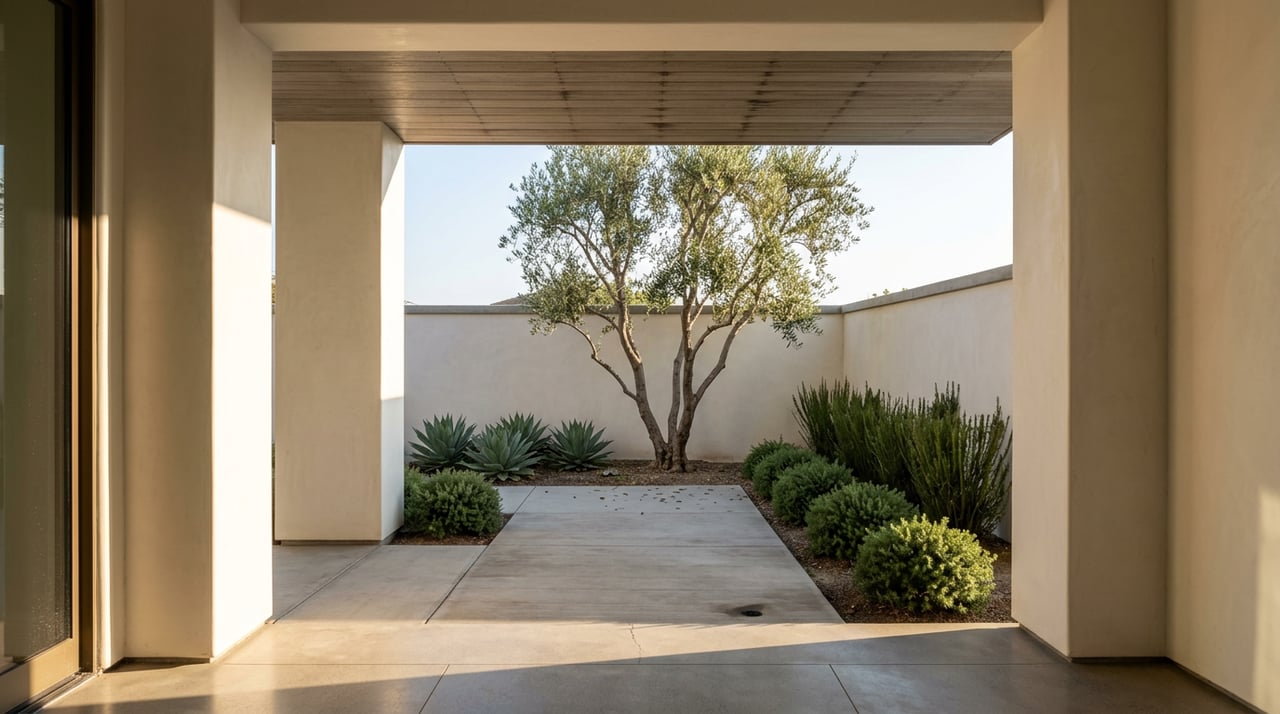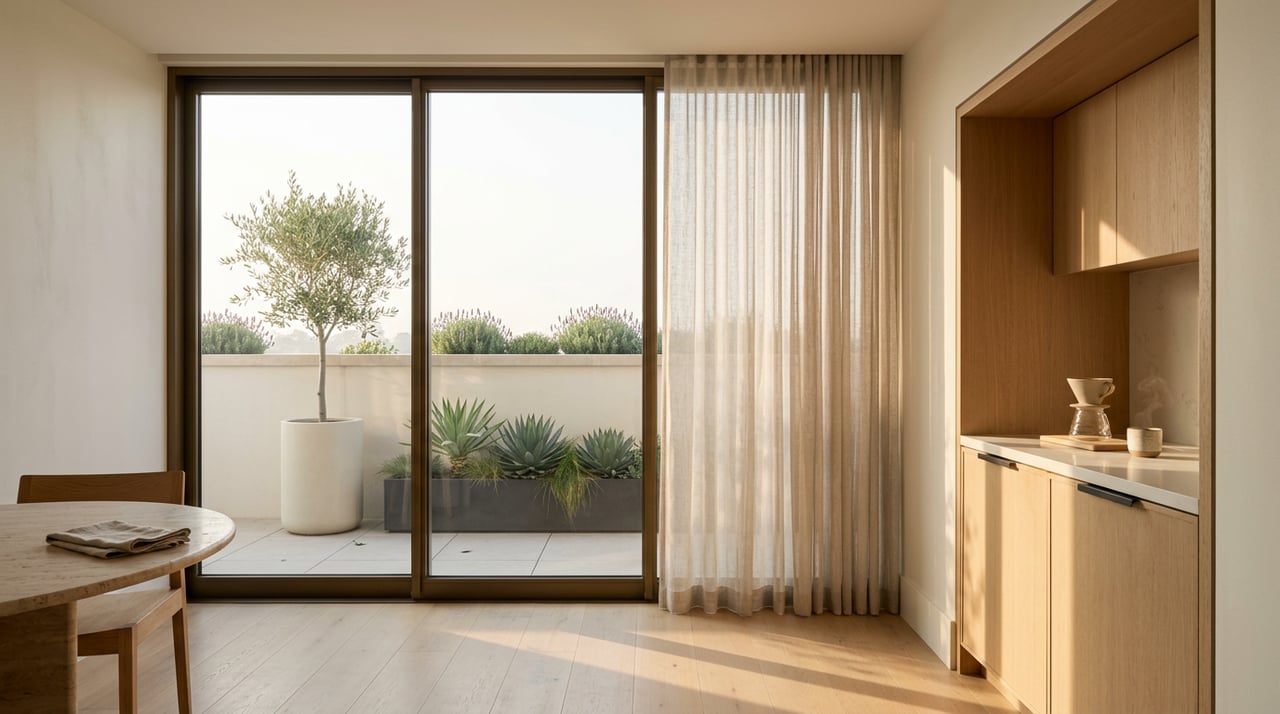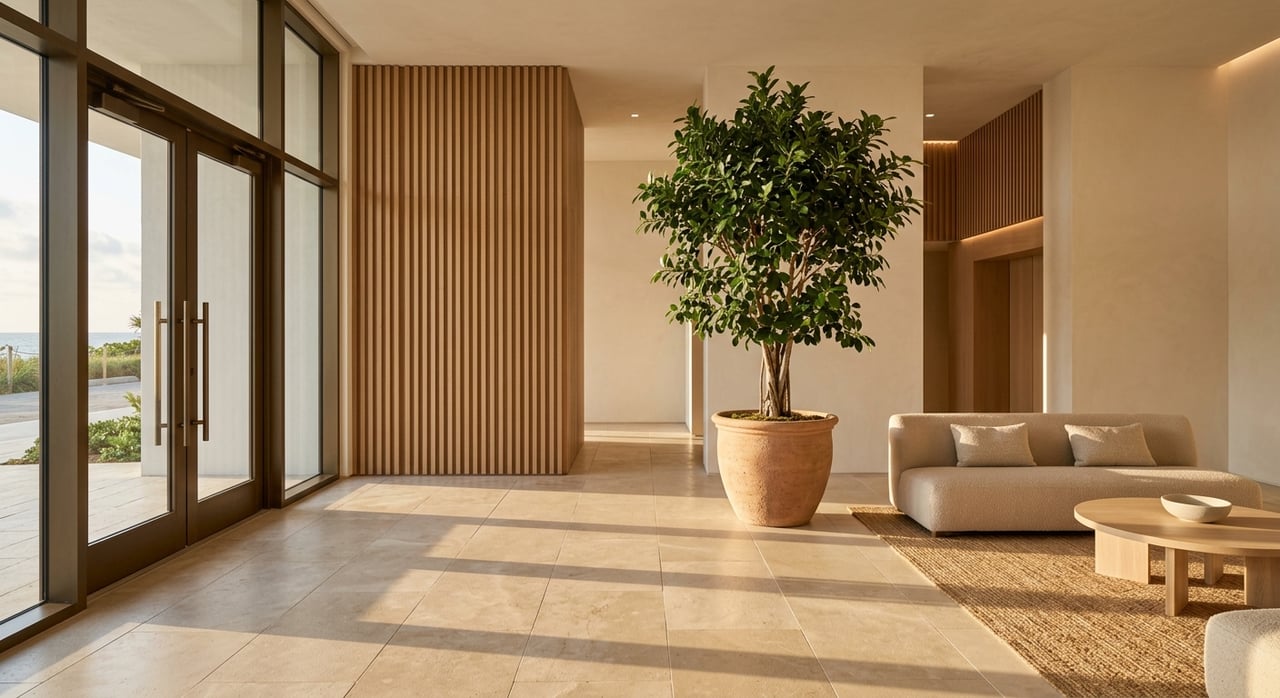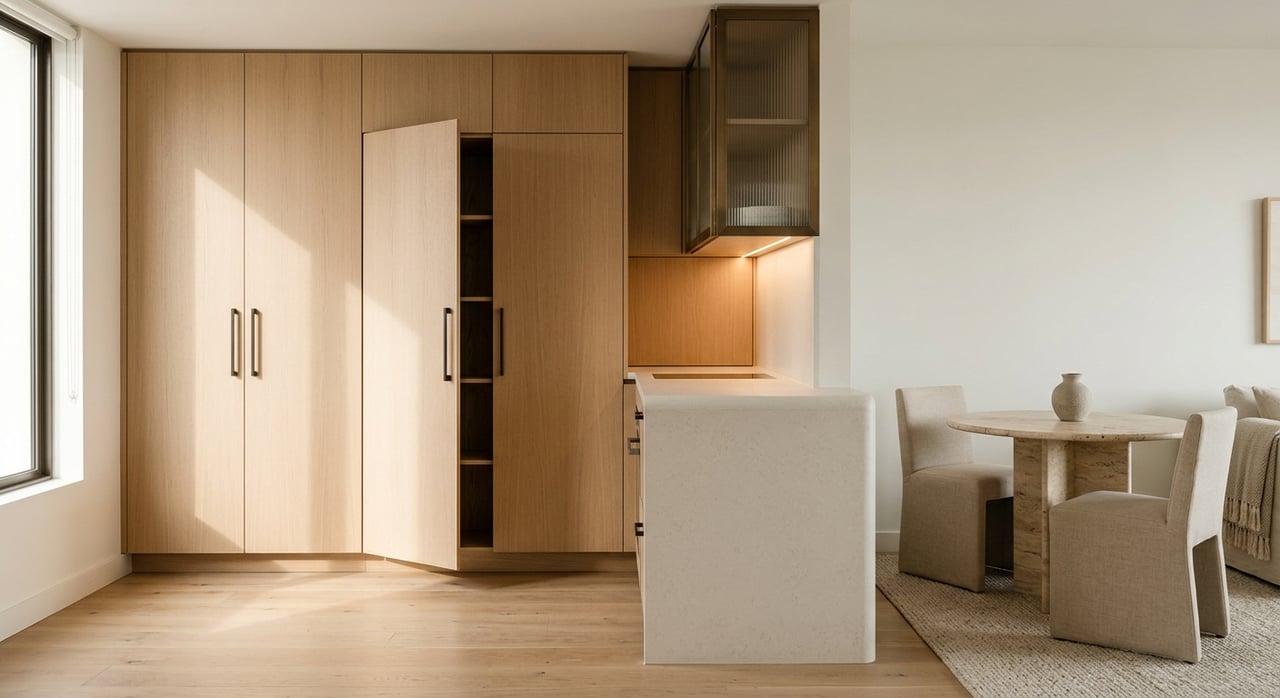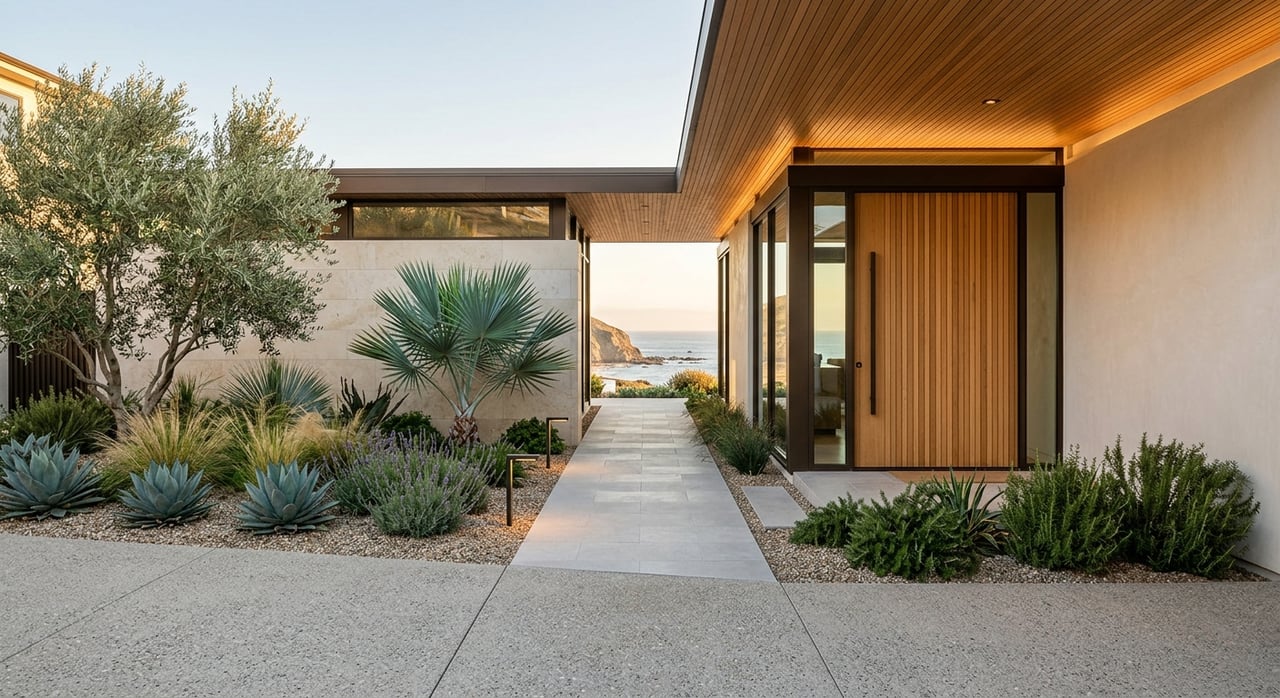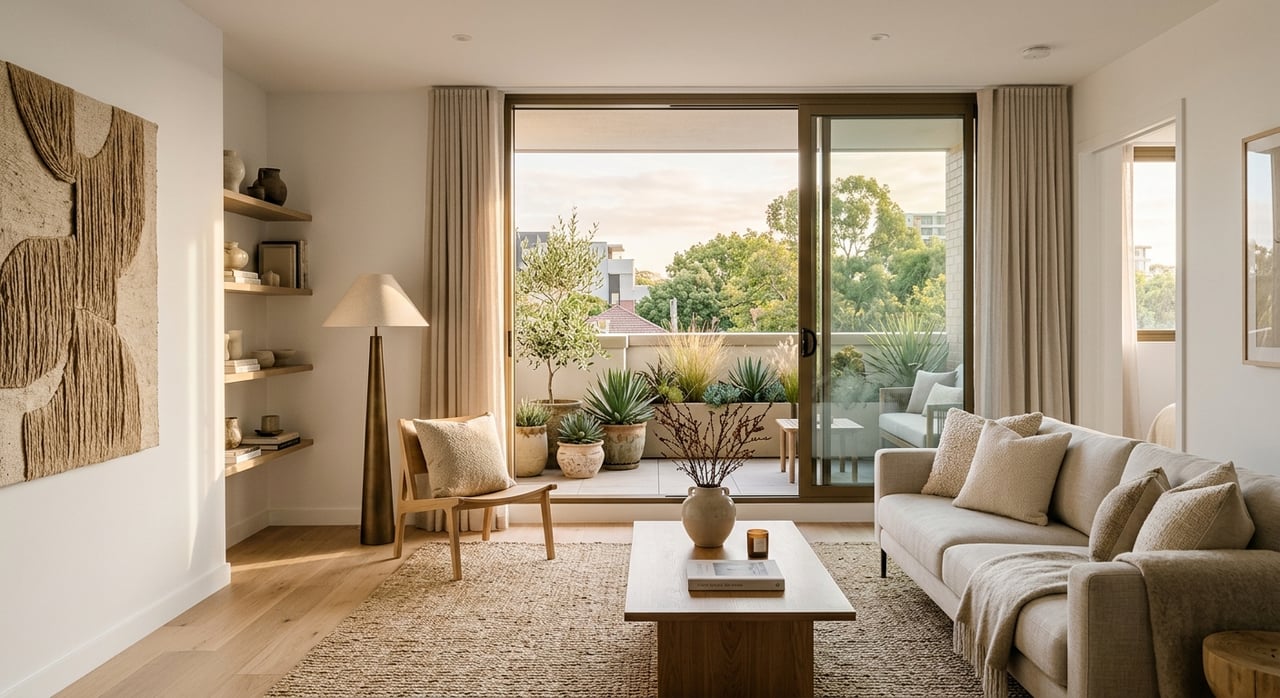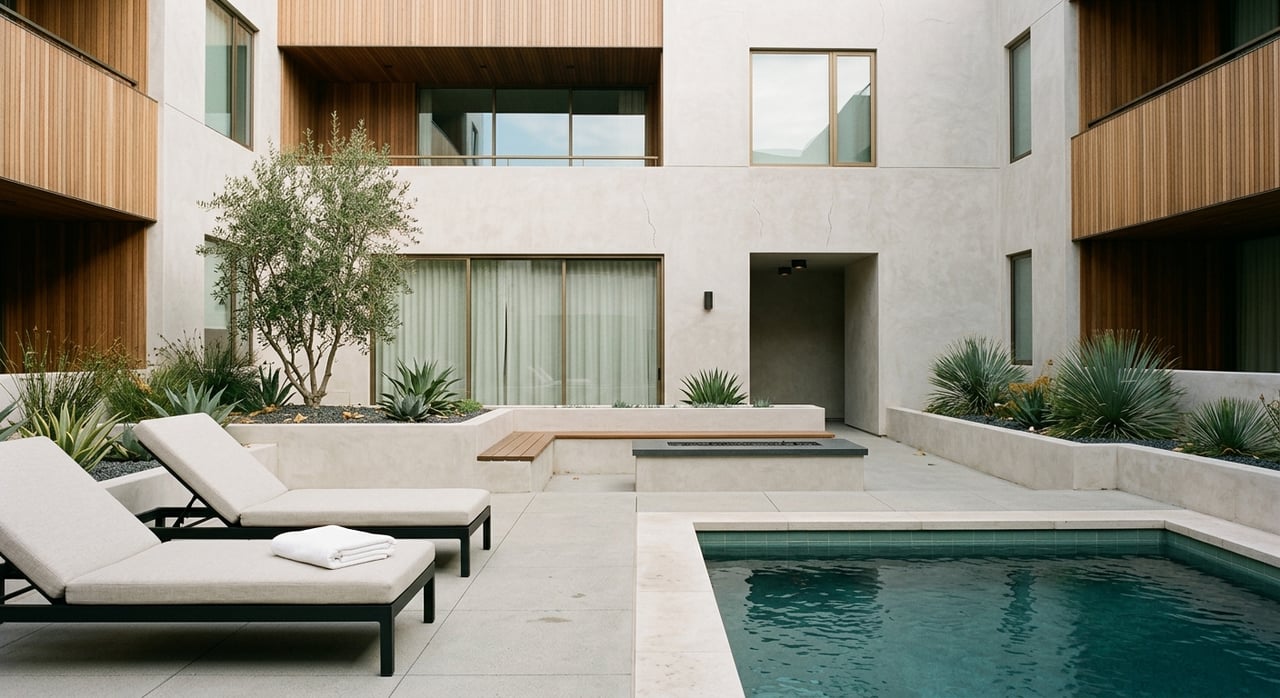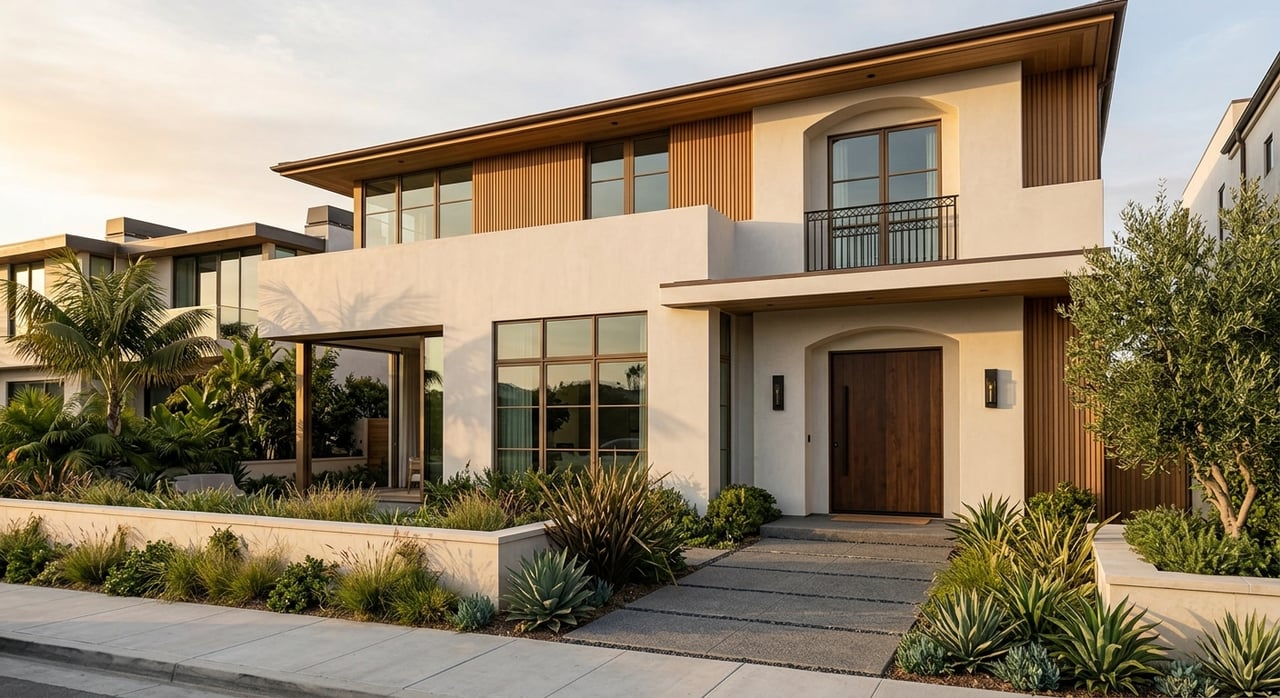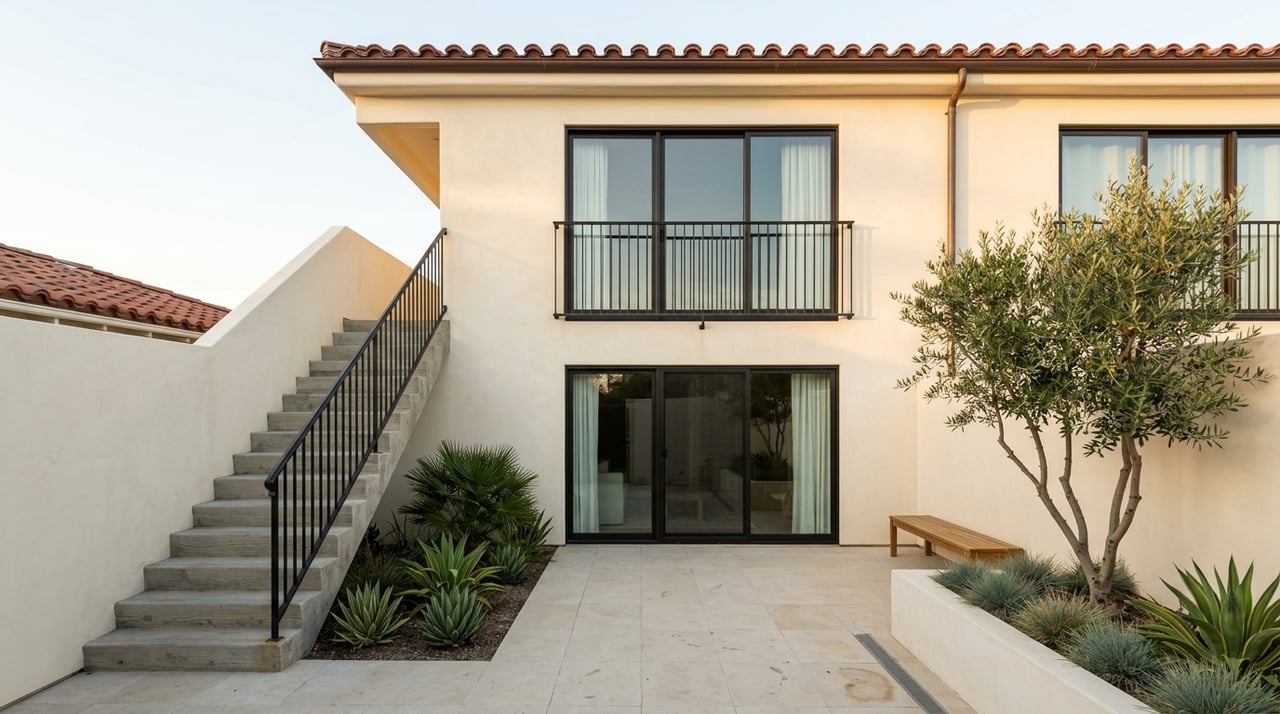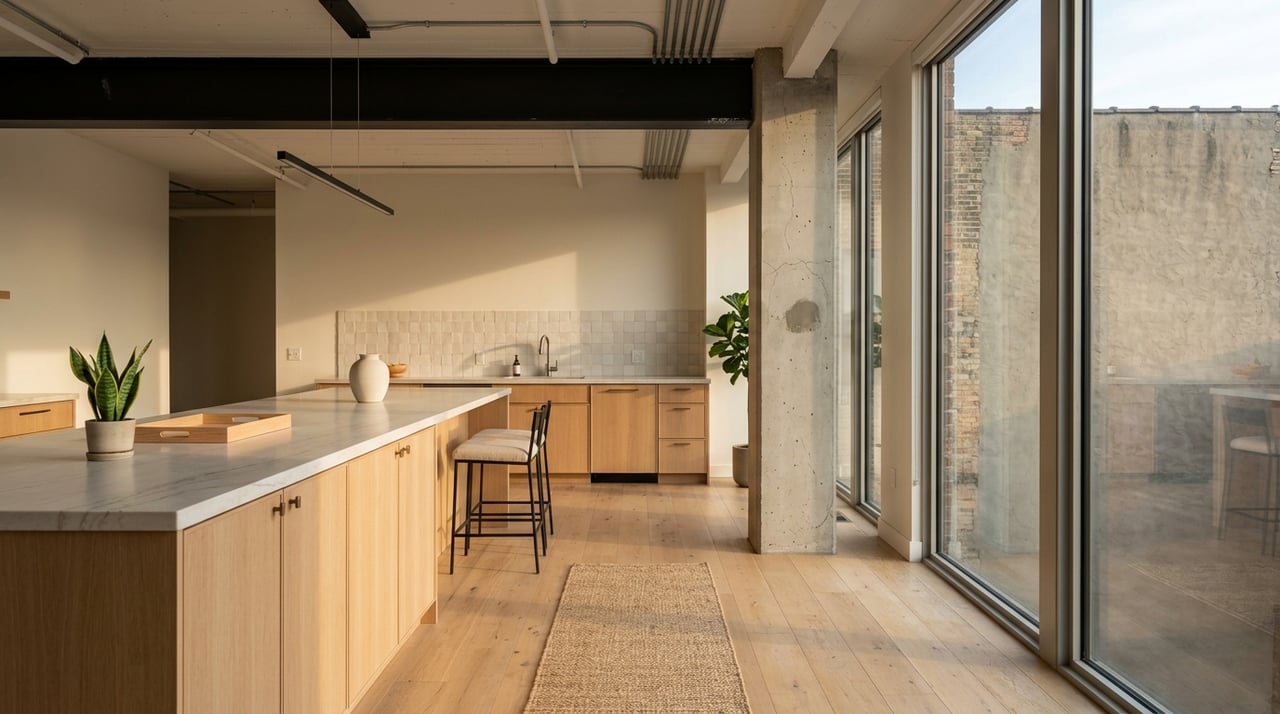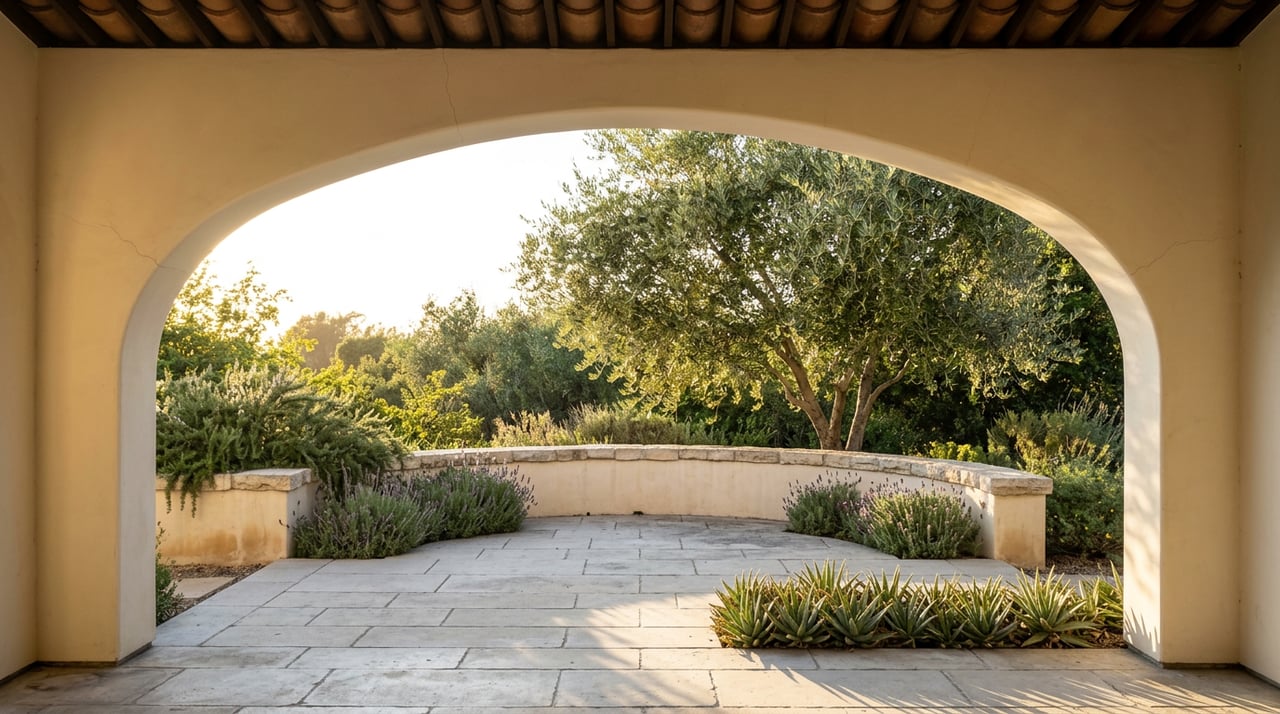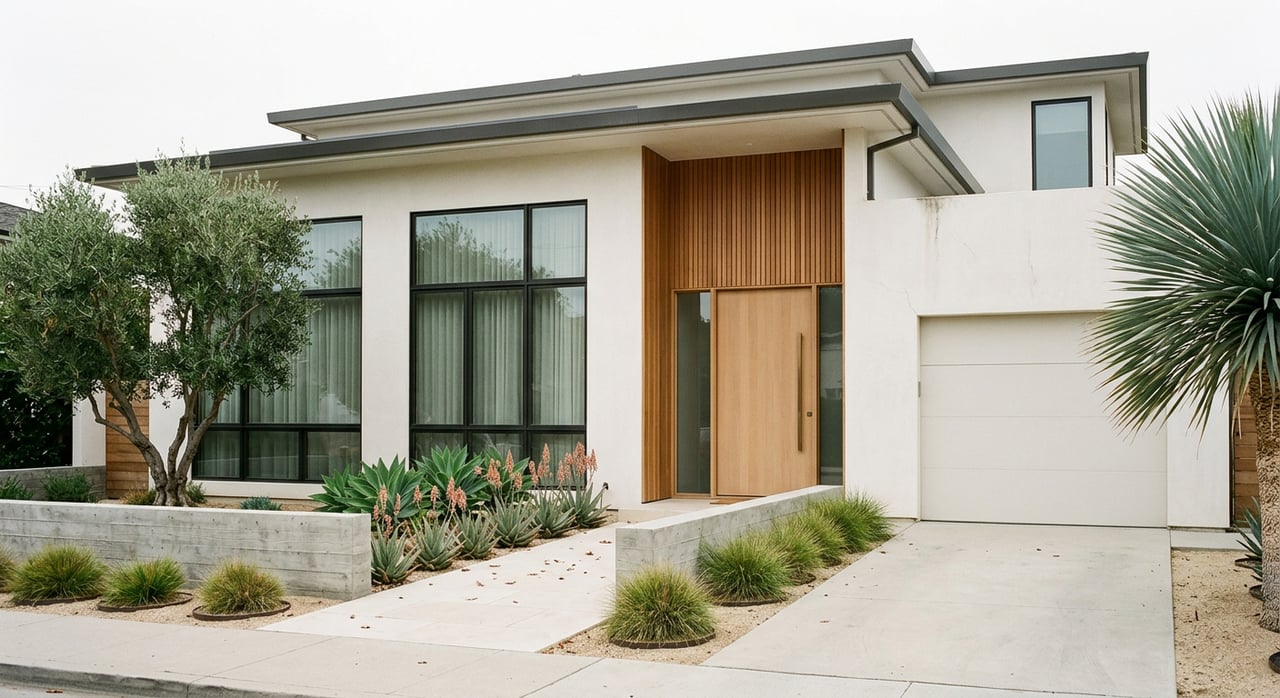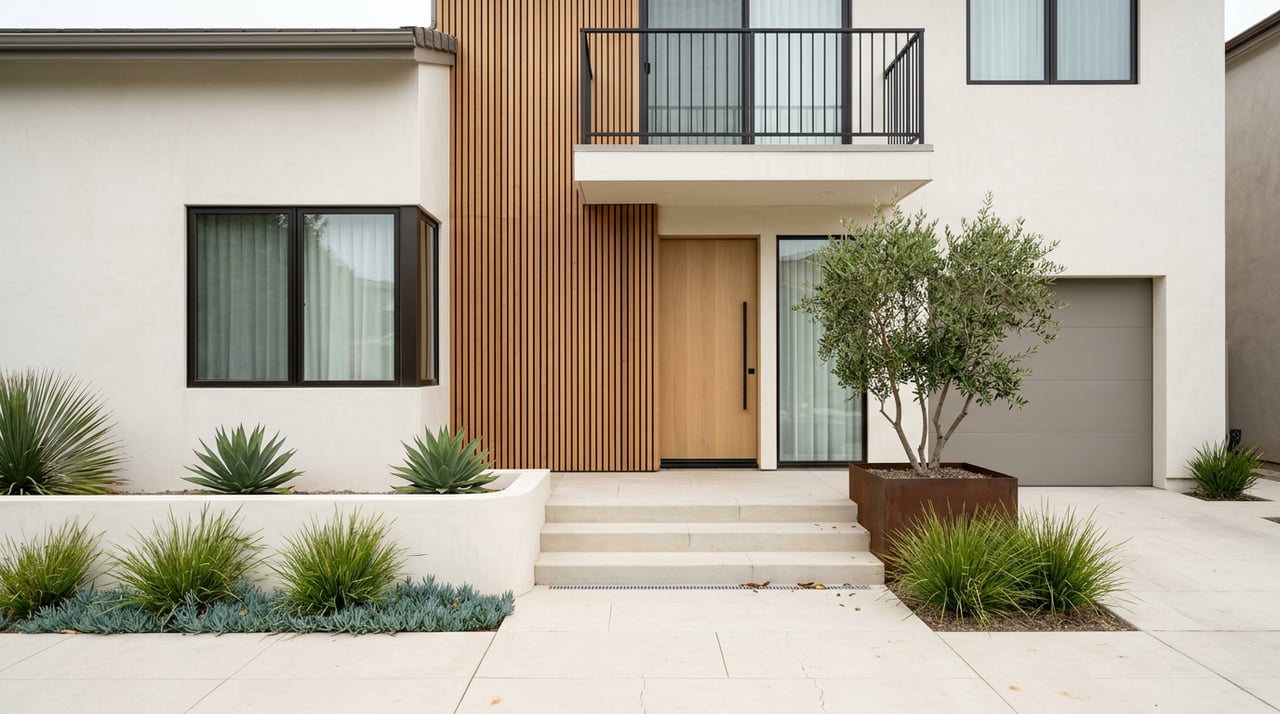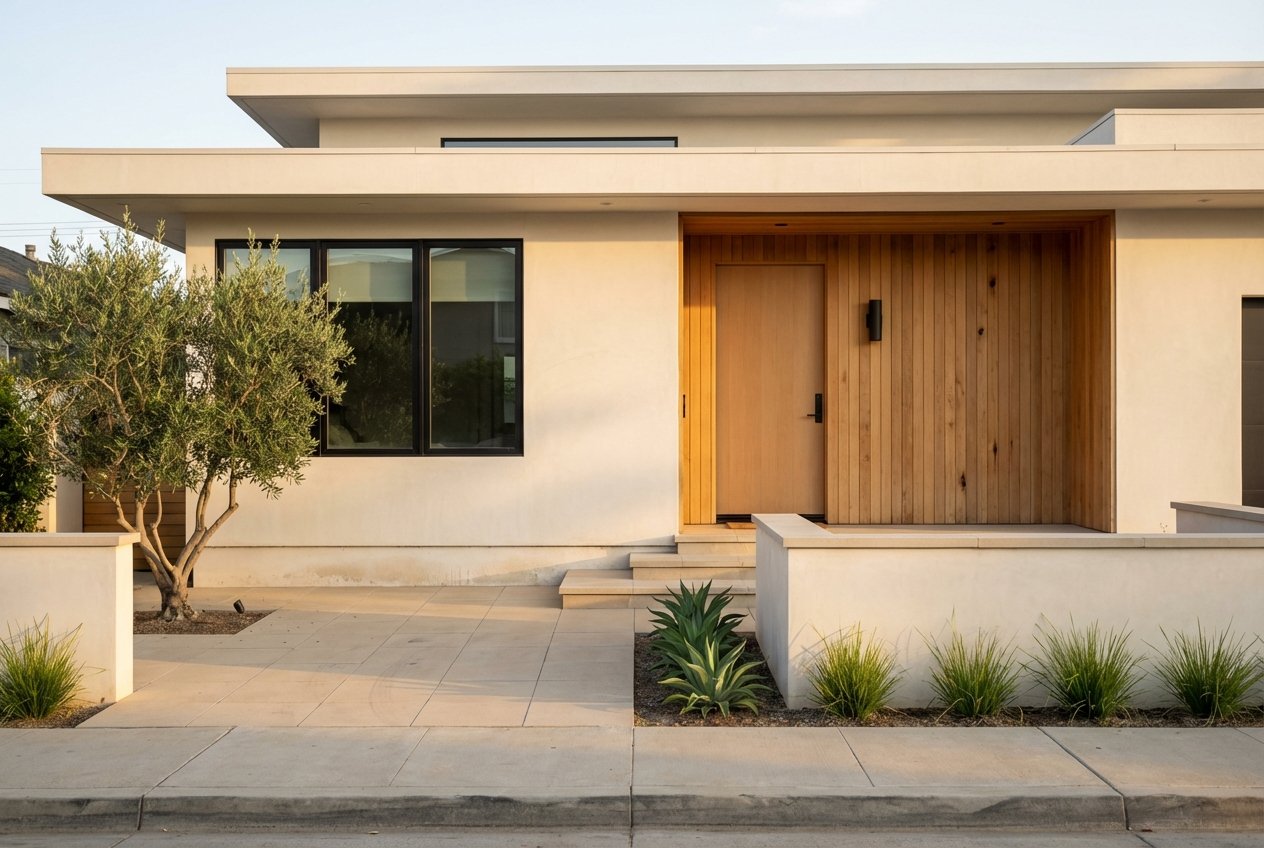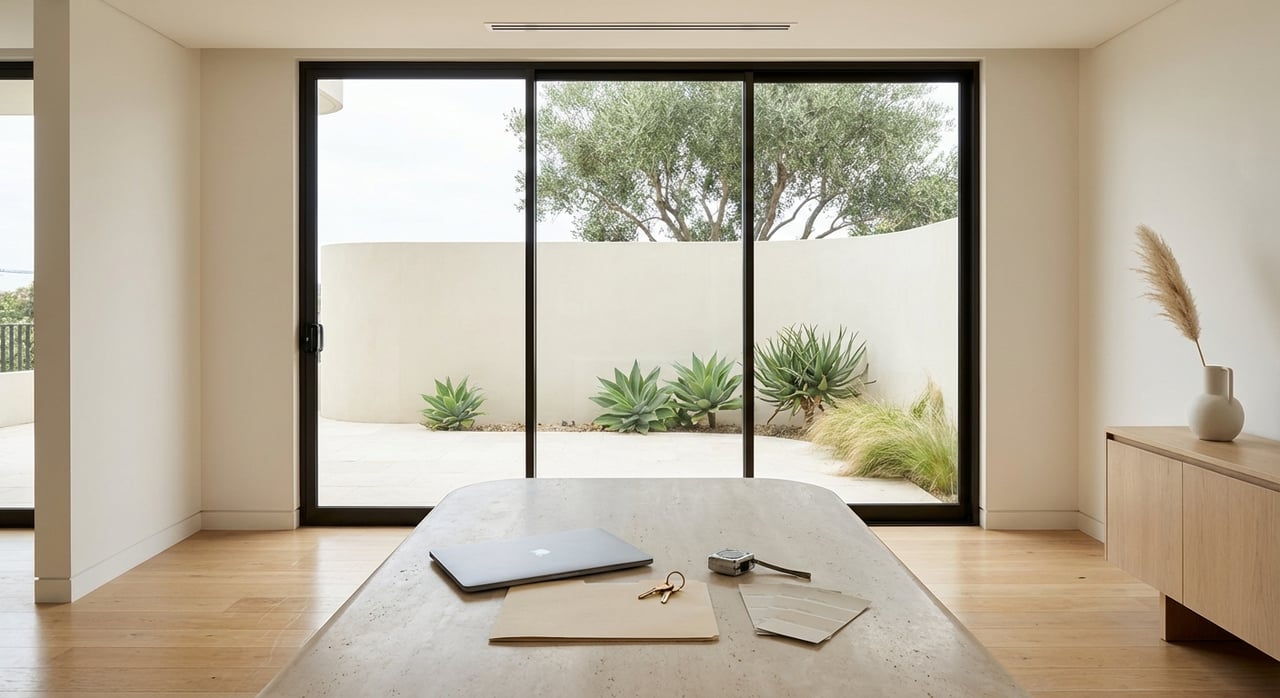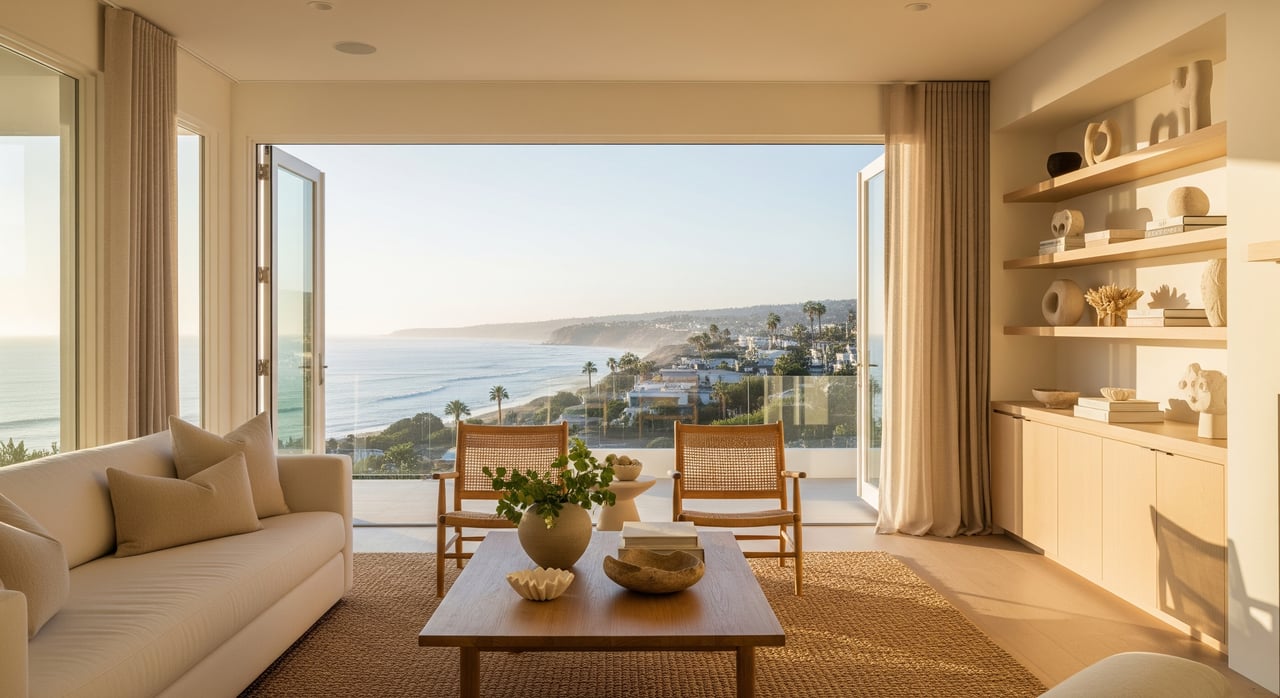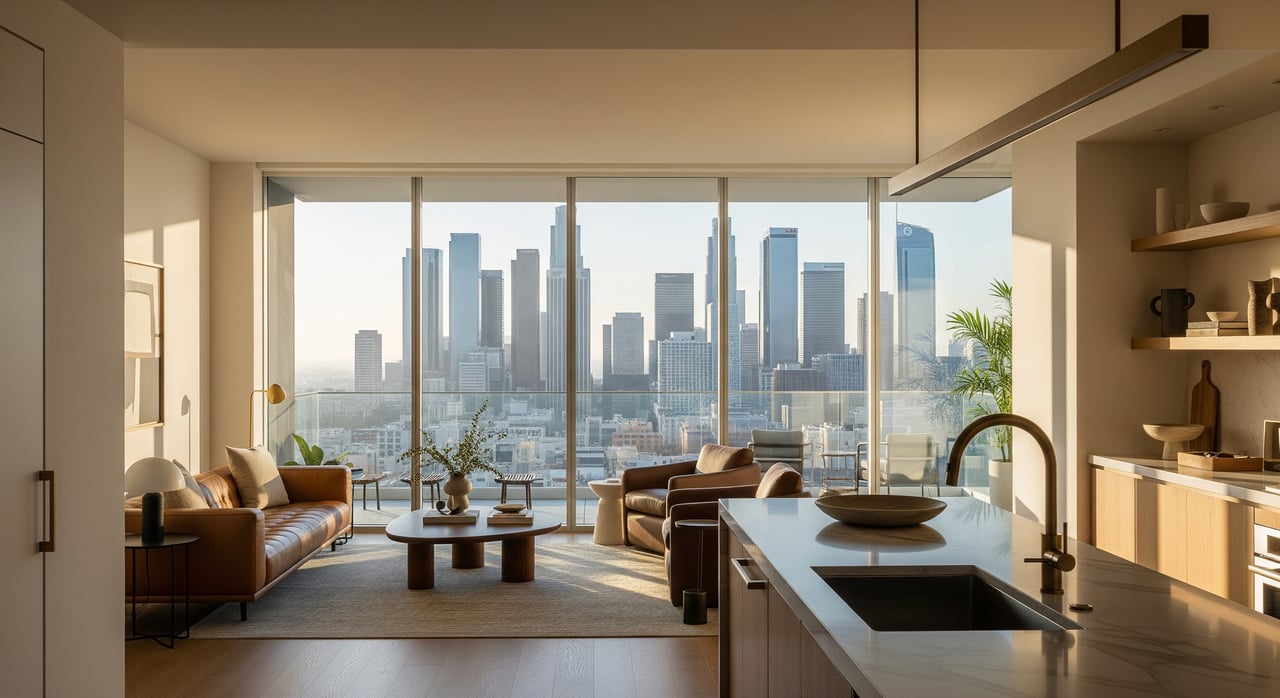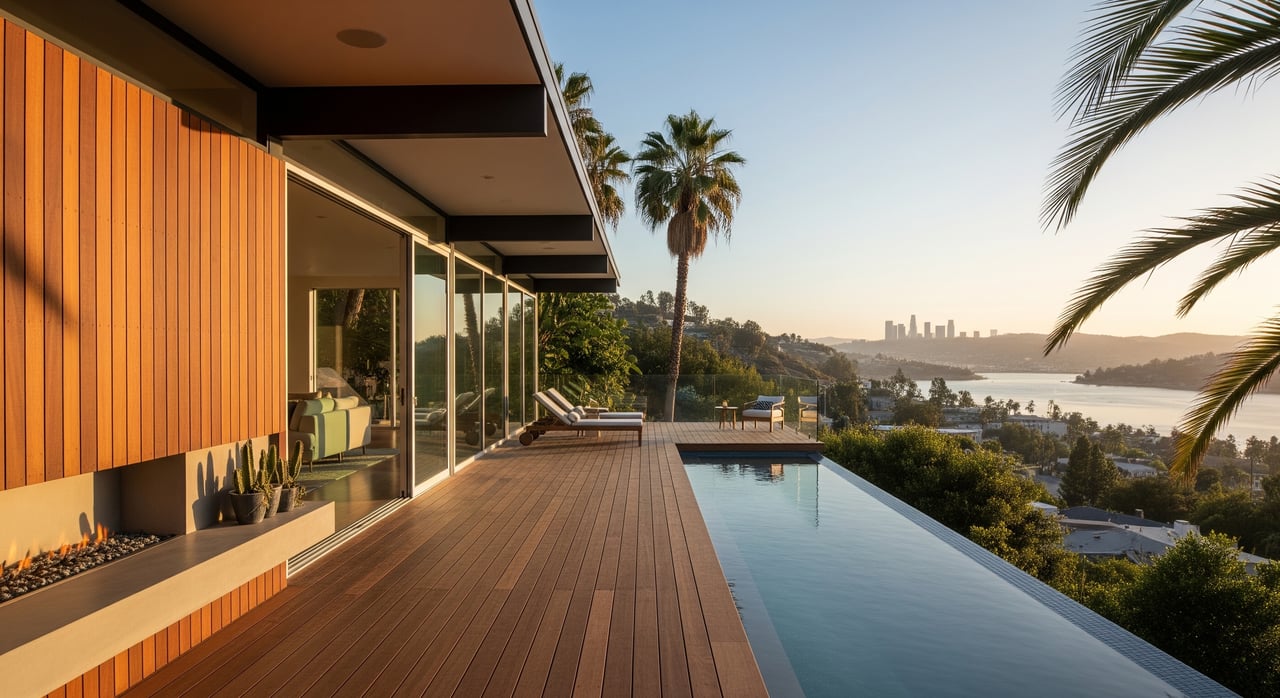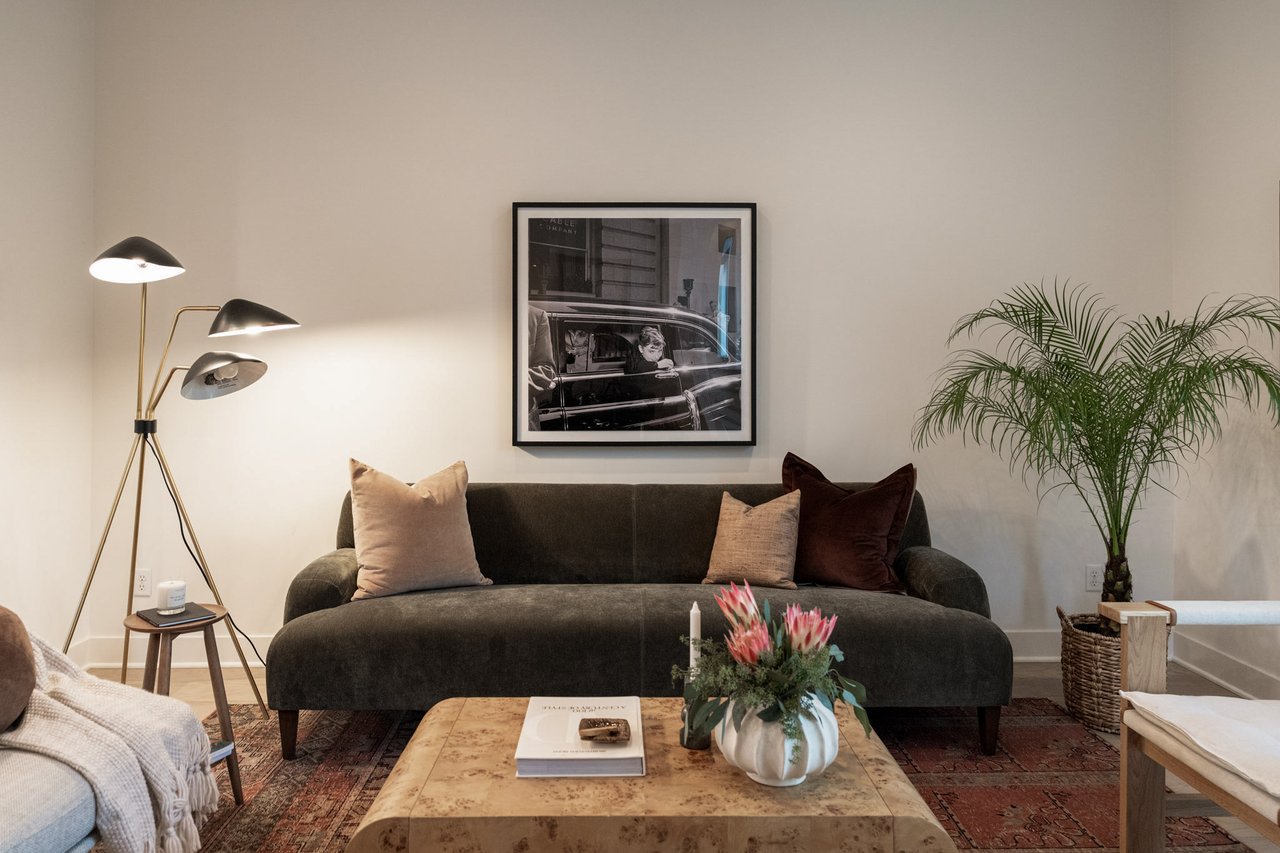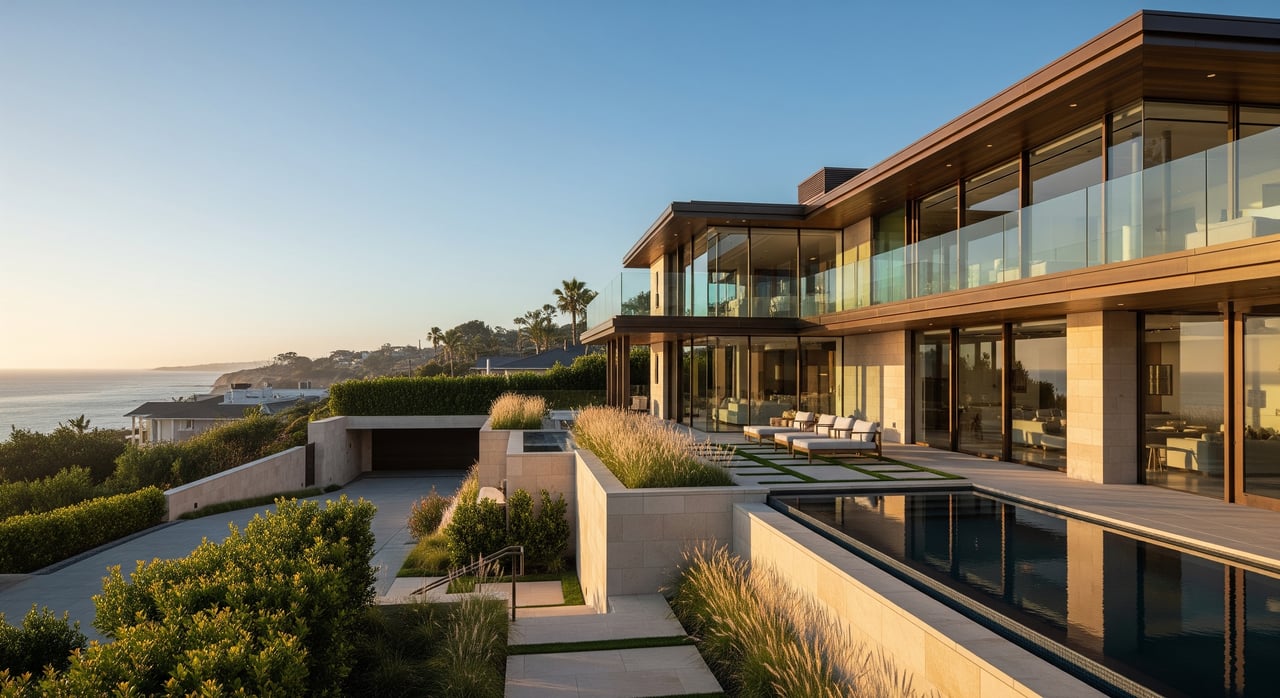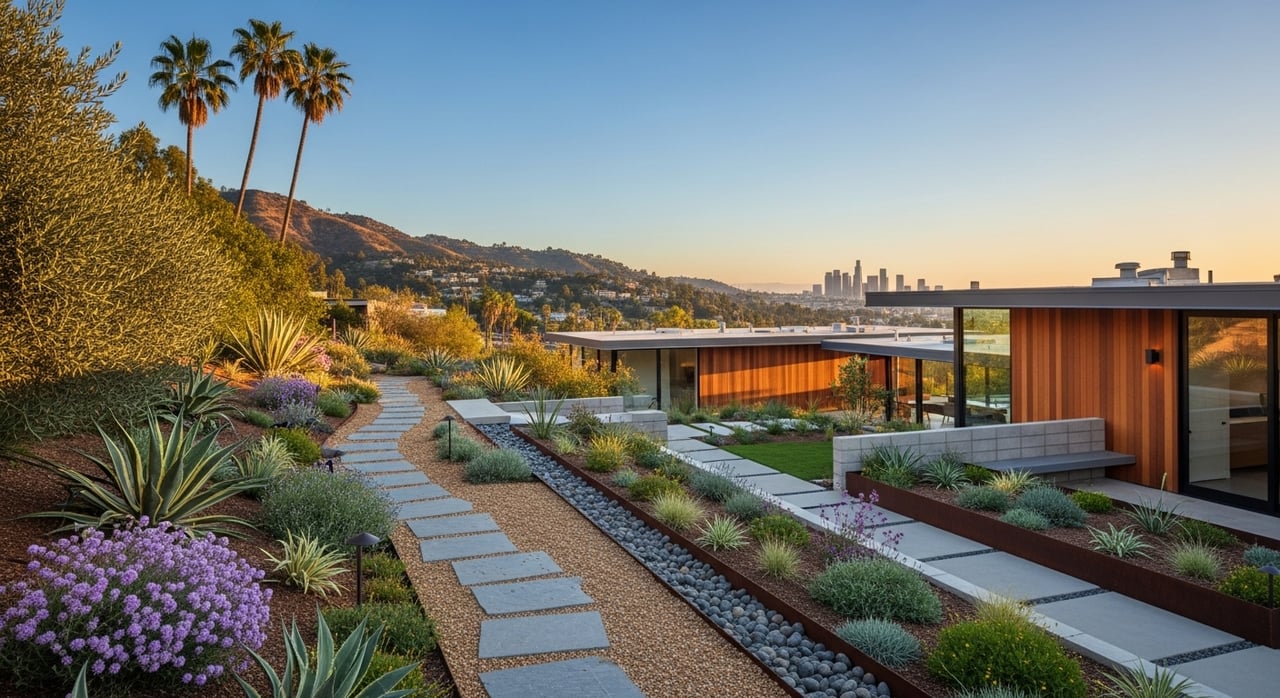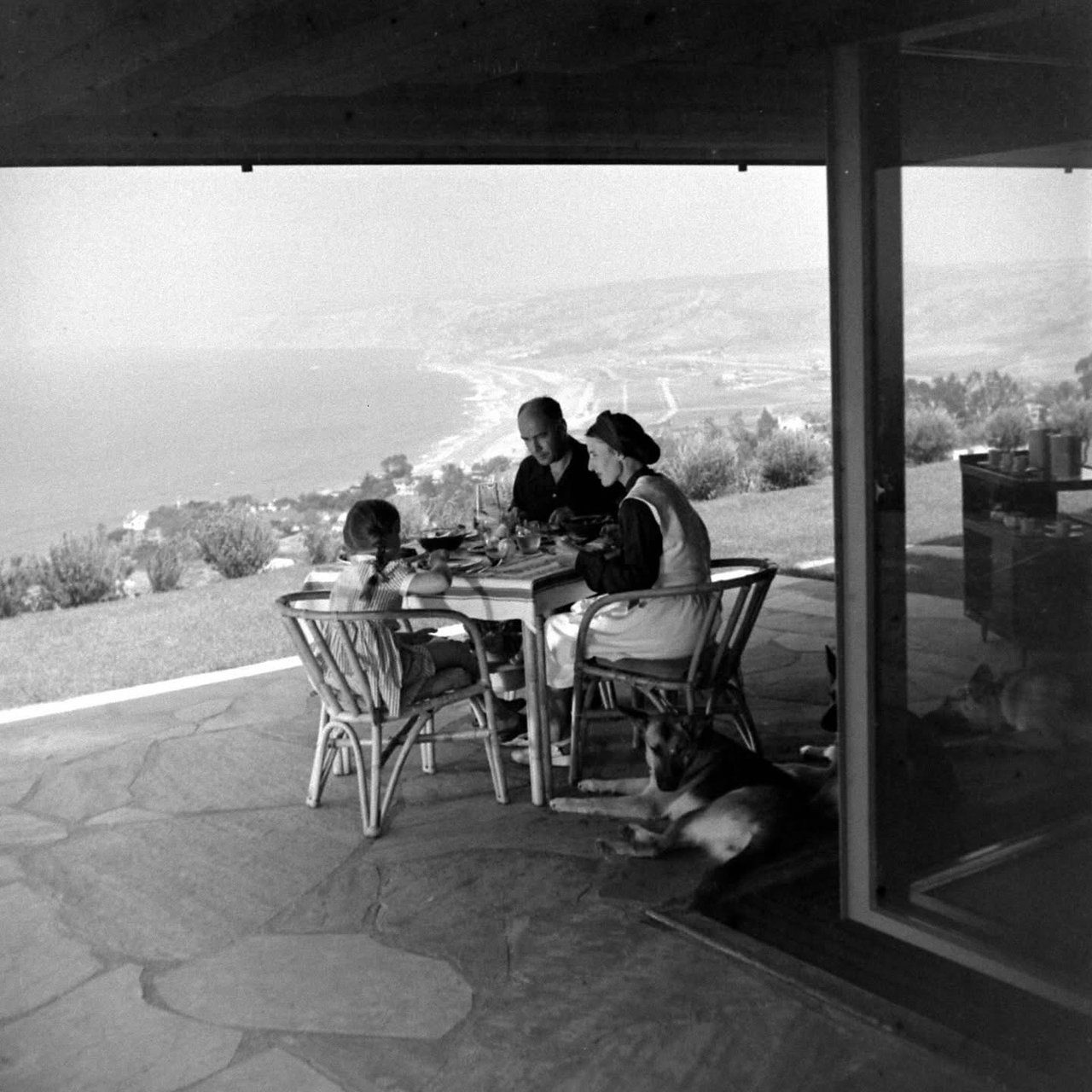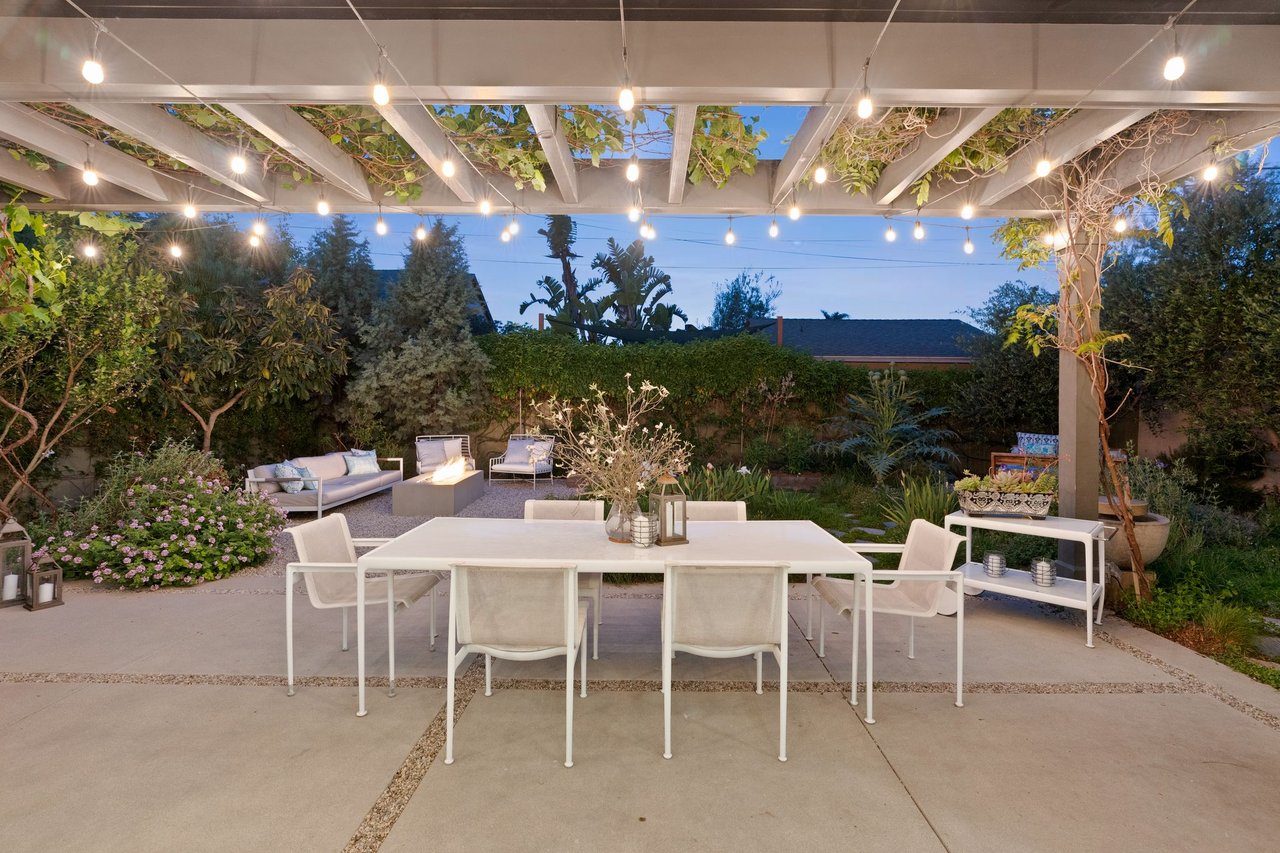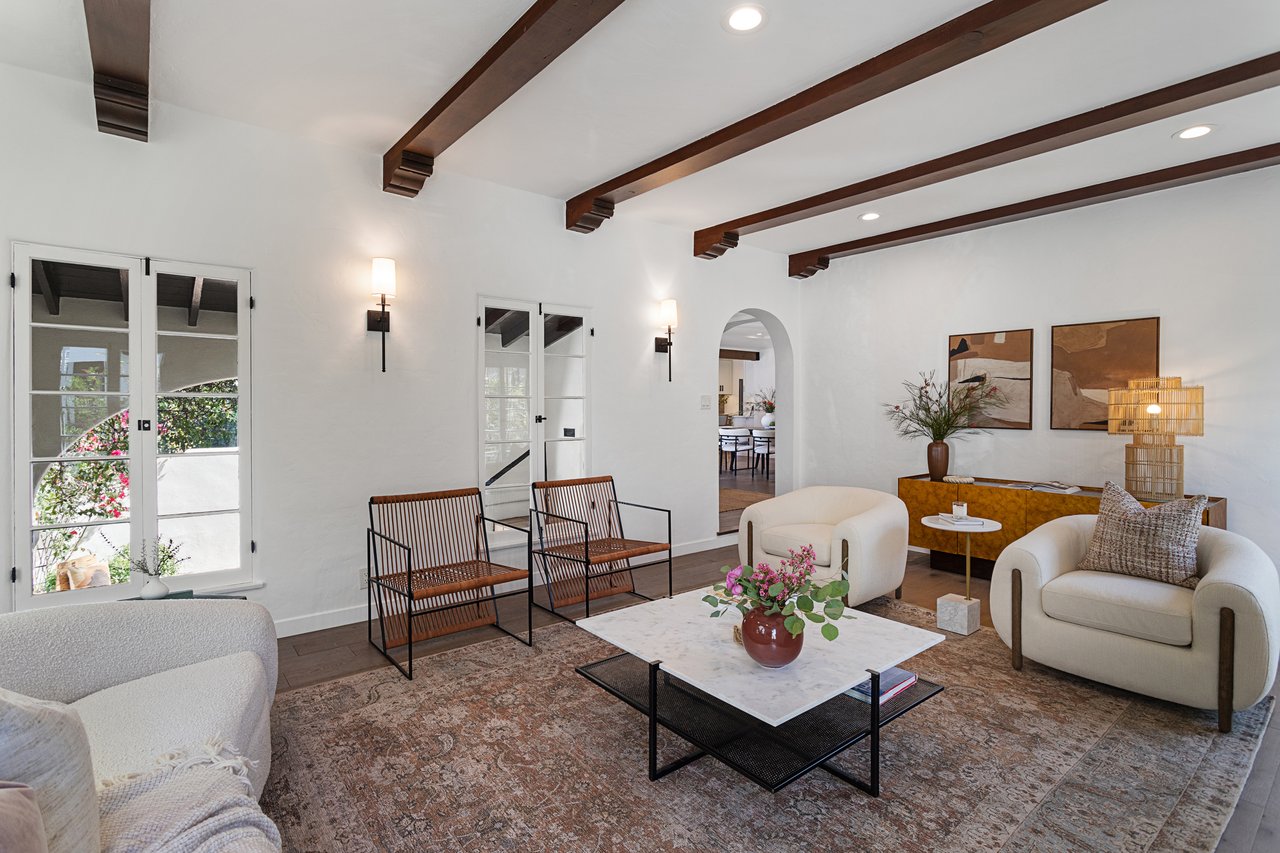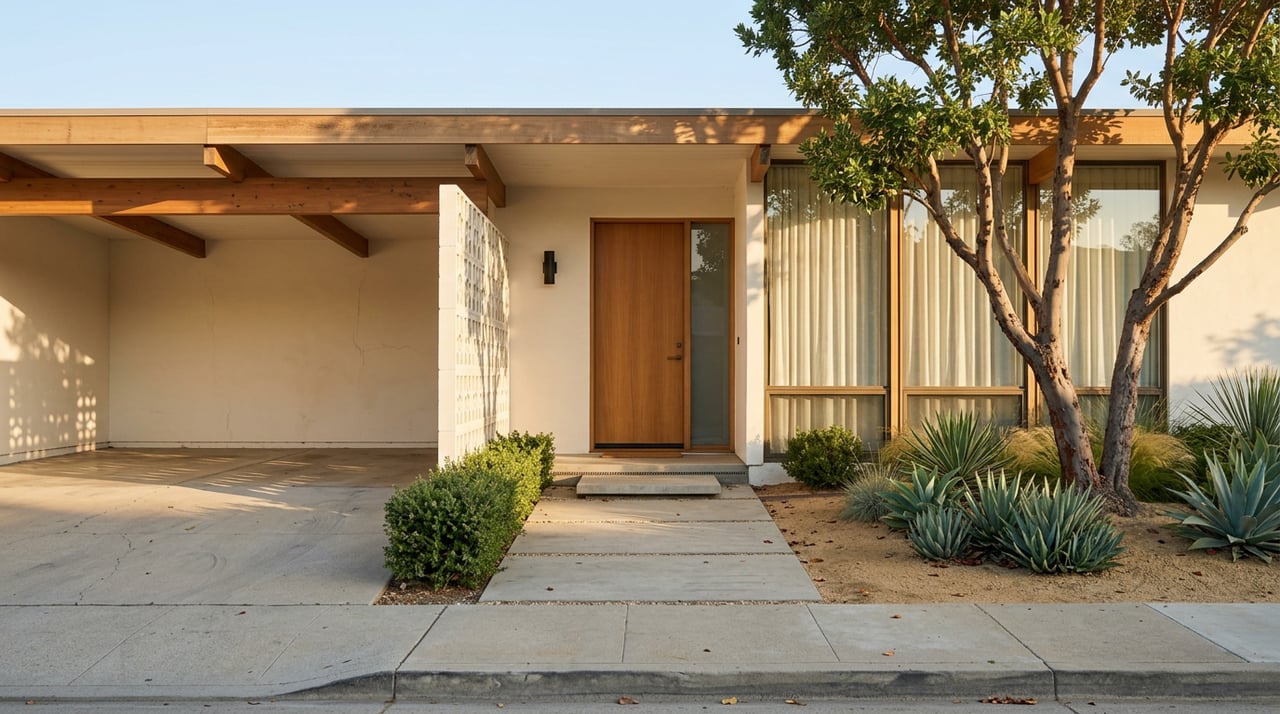
You love the look of clean lines, warm wood, and glass that pulls the garden right into your living room. If you’re eyeing Mar Vista, you’re in good company. This Westside pocket blends beach‑adjacent living with a real concentration of mid‑century architecture. In this guide, you’ll learn what to look for, what to update, and how local rules shape renovations so you can buy with confidence and keep the character you love. Let’s dive in.
Why Mar Vista appeals to design lovers
Mar Vista offers clusters of intact mid‑century homes and an active planning community that values architectural character. You get the Westside lifestyle with a neighborhood scale that still feels livable. For design‑minded buyers, that means authentic details, outdoor rooms, and floor plans that live larger than their square footage.
The Gregory Ain “Modernique” tract
Built in 1947–48, the Gregory Ain Mar Vista Tract spans three blocks of 52 homes planned with landscape architect Garrett Eckbo. It became Los Angeles’ first post‑war Historic Preservation Overlay Zone (HPOZ) in 2003. The tract showcases open plans, indoor‑outdoor flow, built‑ins, and simple materials that still feel modern. HPOZ status preserves that character and guides exterior changes, which helps maintain architectural value over time.
What to look for on a mid‑century tour
Plans and flow
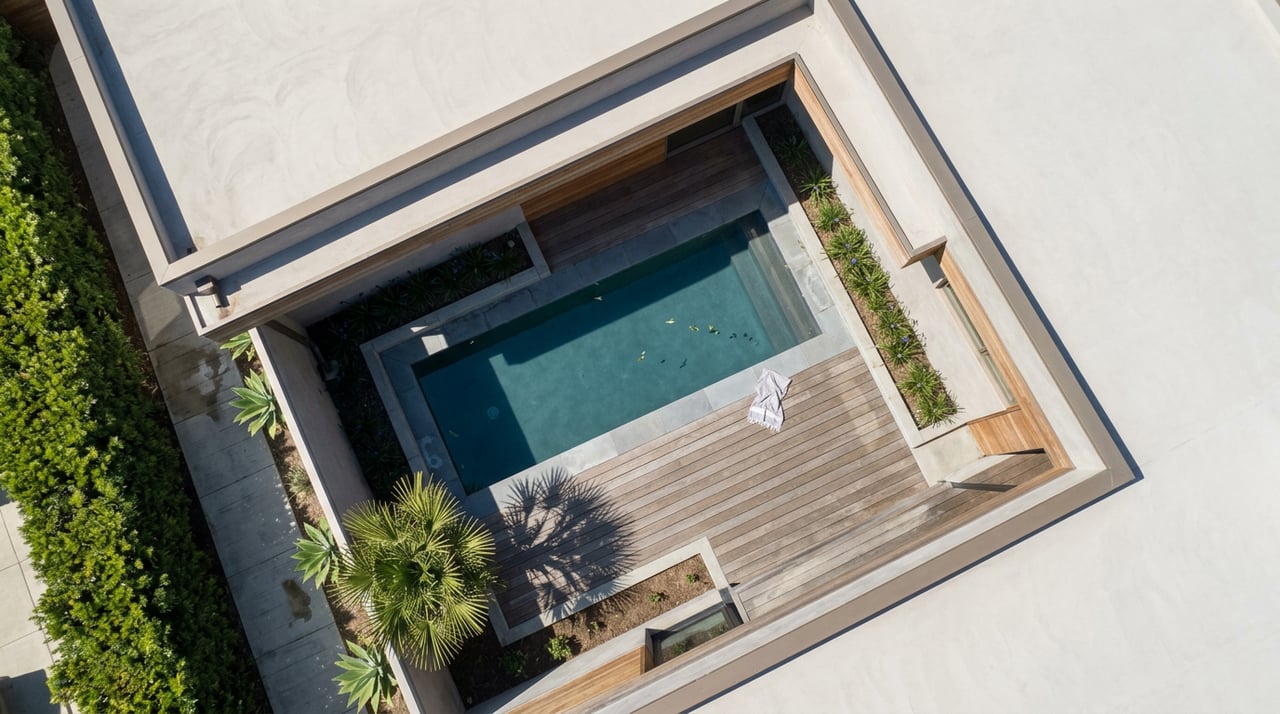
Expect compact, single‑story layouts that prioritize daylight and easy circulation. Living and dining areas often open to a patio or small courtyard. Many homes include flexible rooms that shift from office to guest space as your needs change.
Light and windows
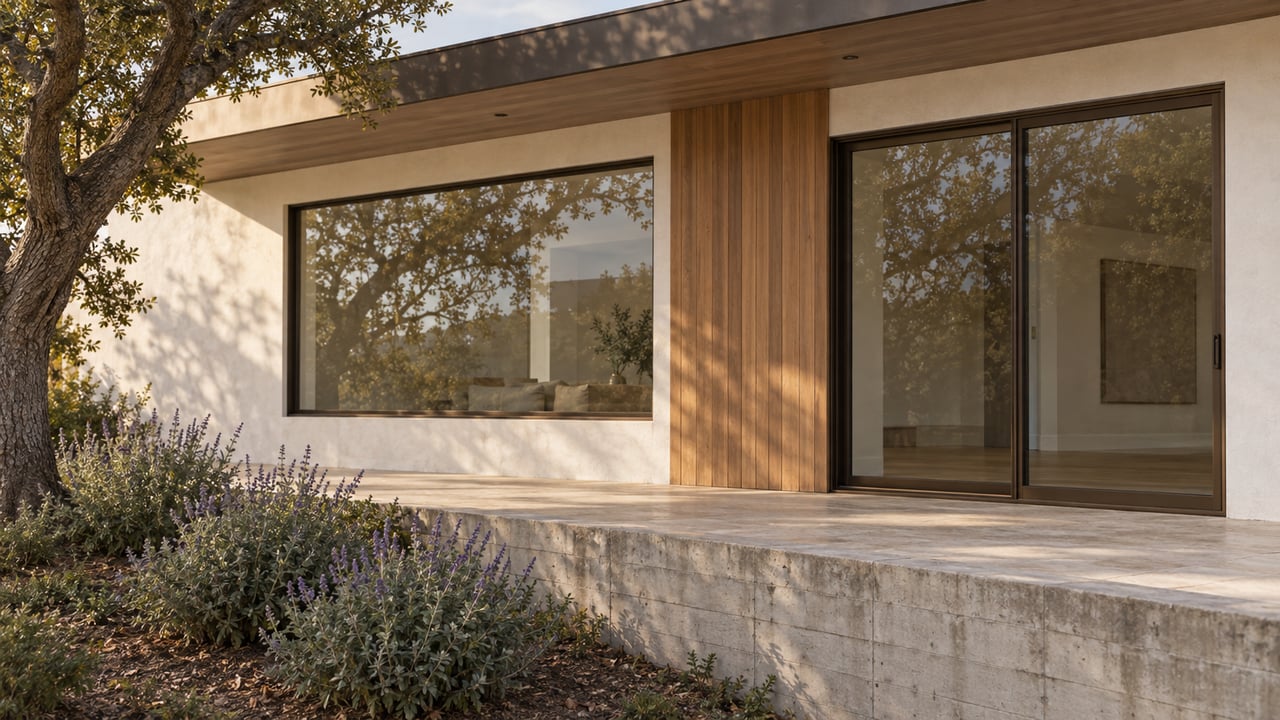
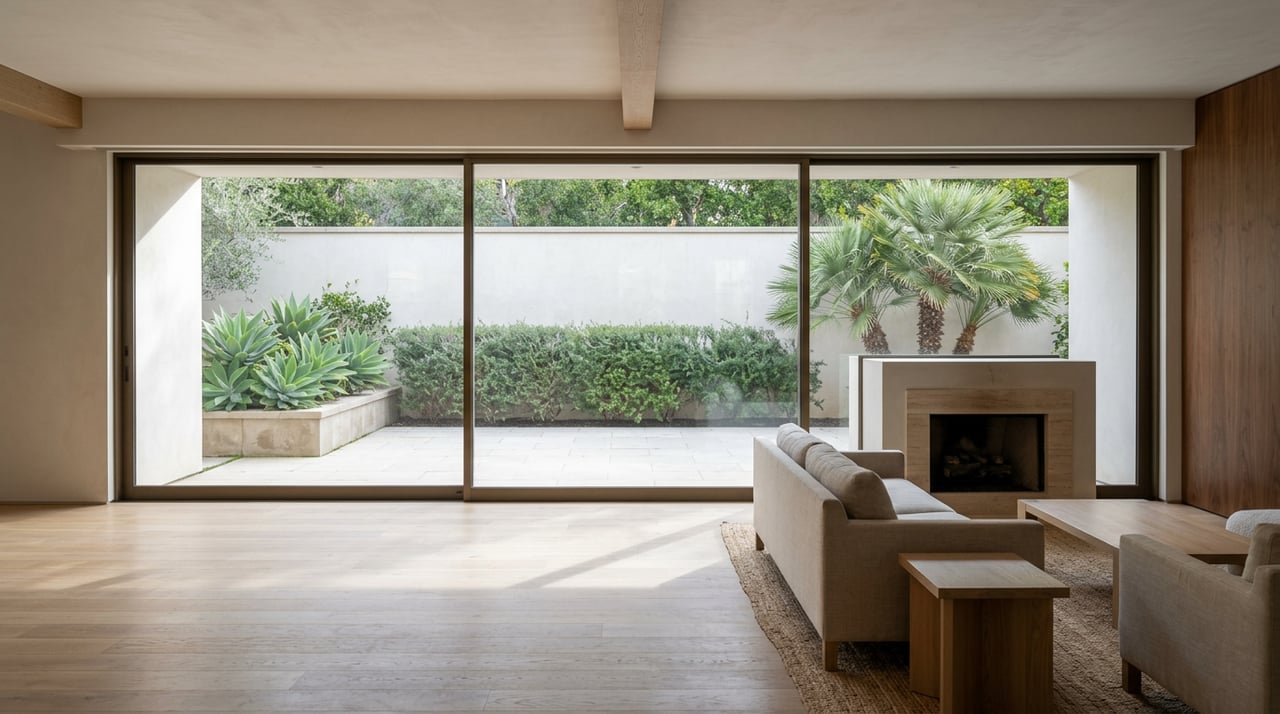
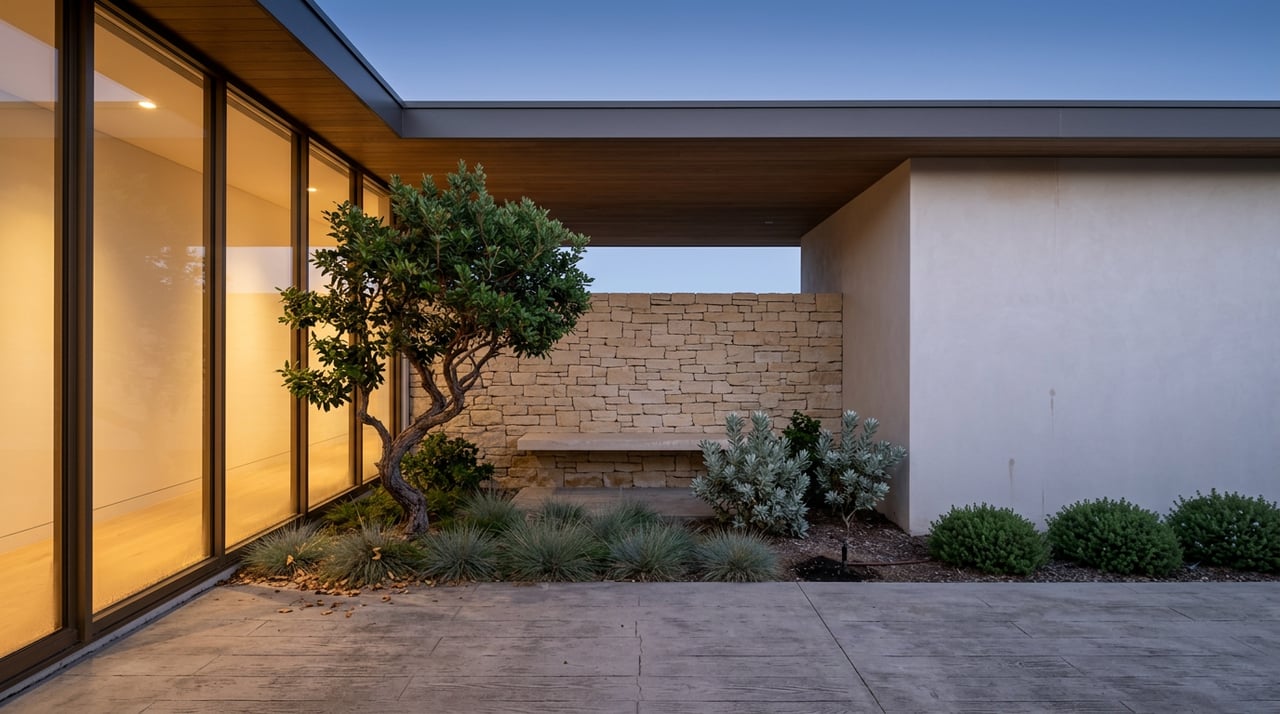
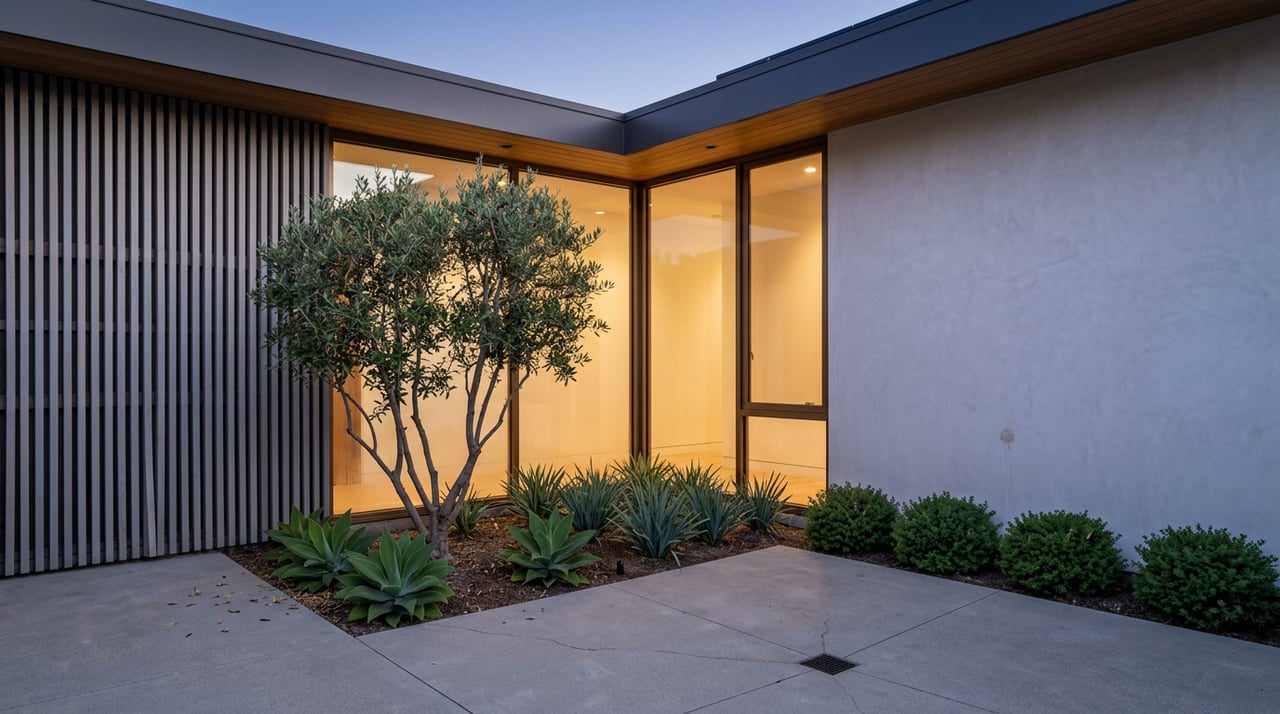
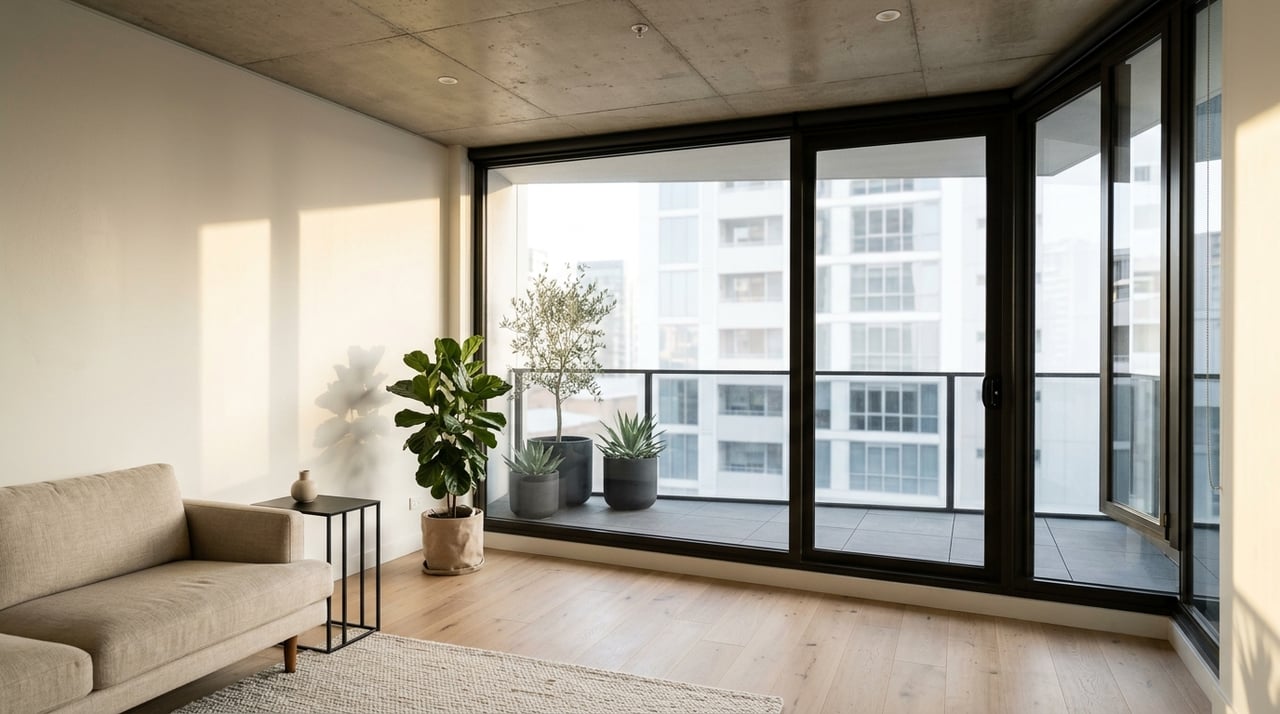
Look for floor‑to‑ceiling glass, sliding doors, and clerestory bands that draw light deep into the home. Clear sightlines to the garden make modest footprints feel expansive. Photograph how light moves through the rooms during the day.
Rooflines and exteriors
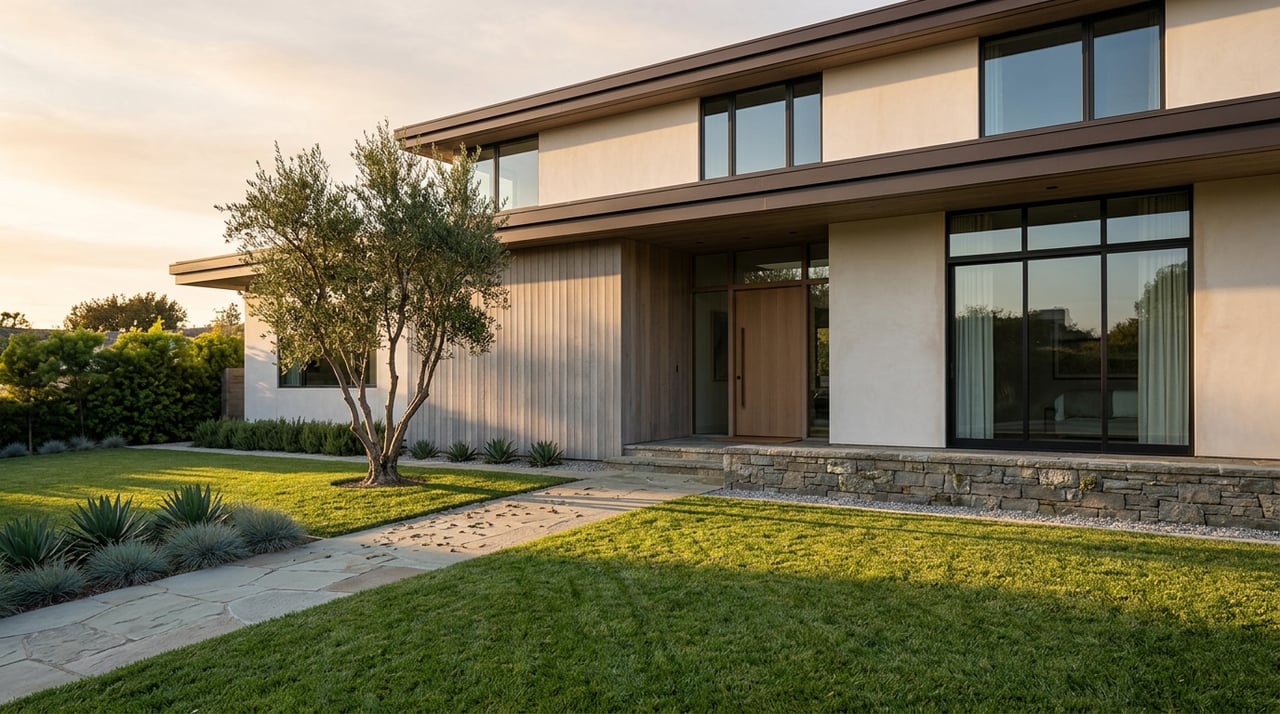
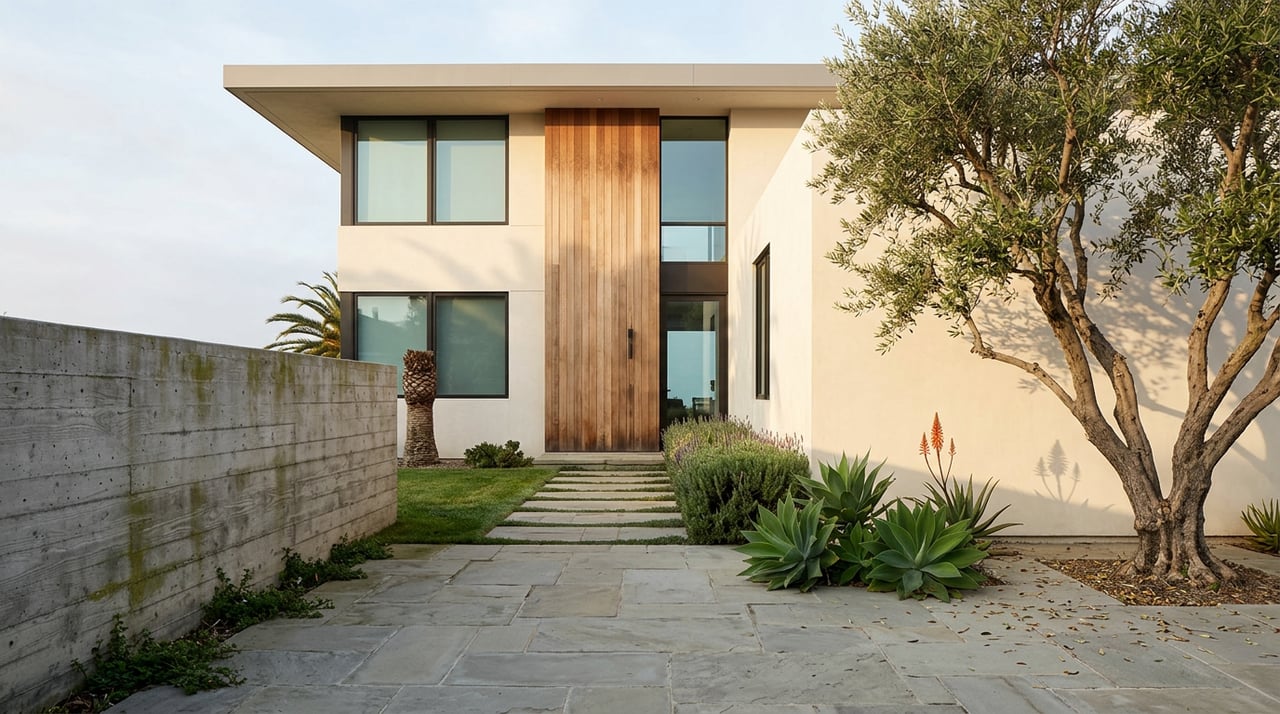
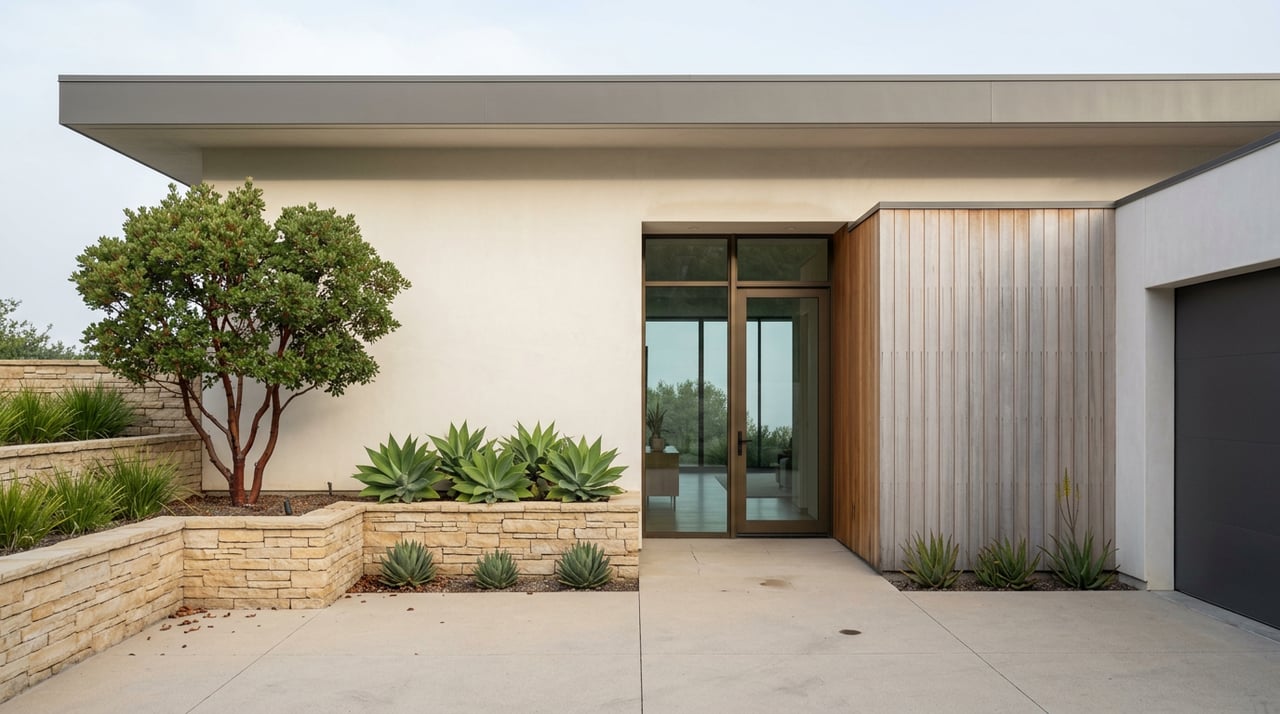
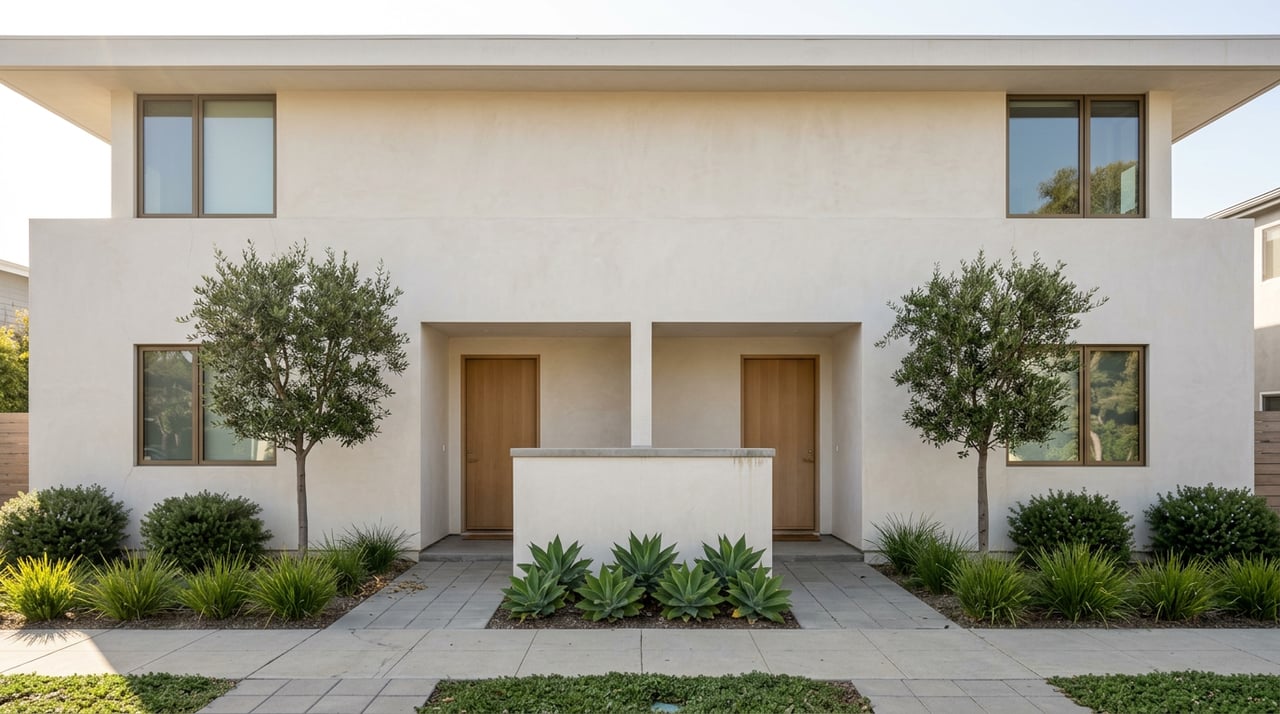
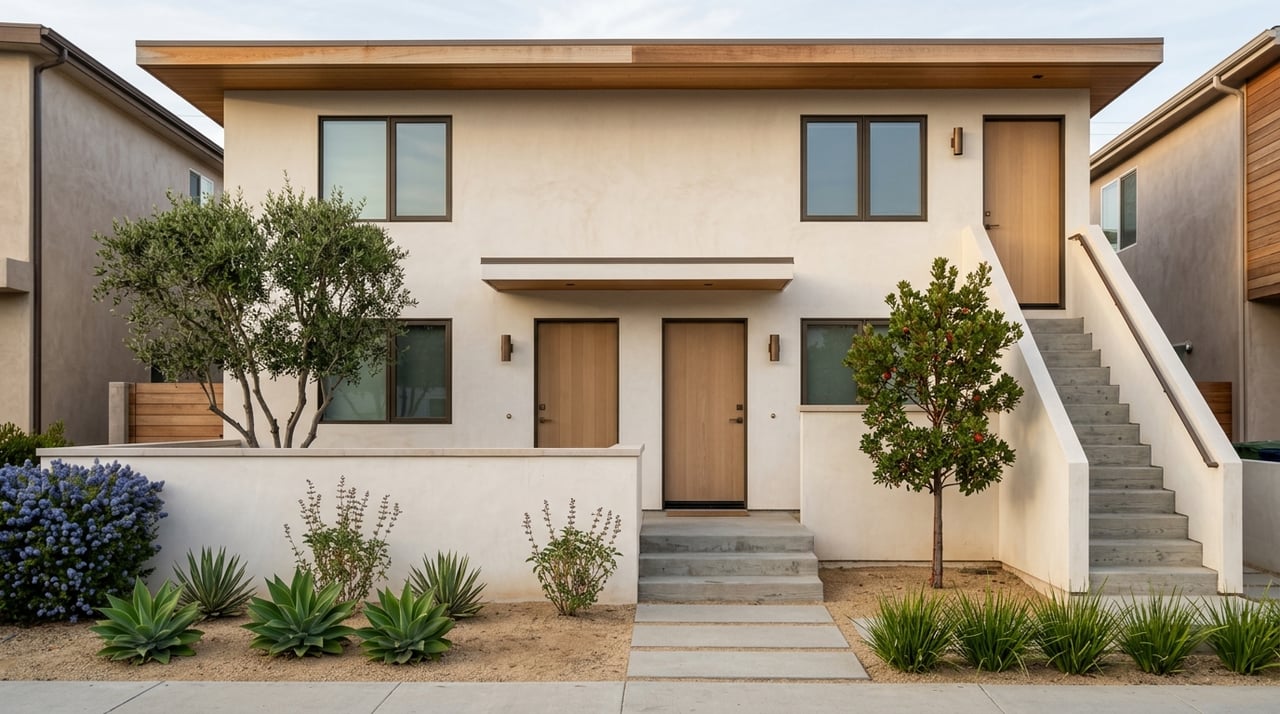
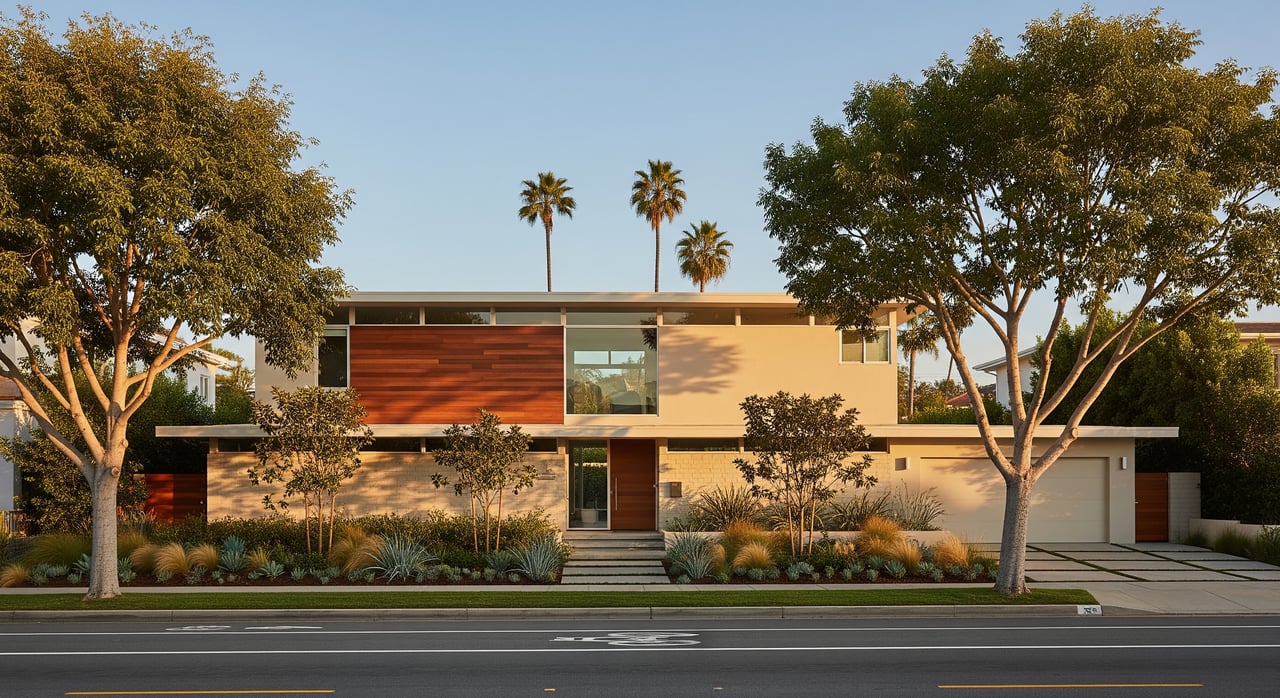
Low‑slope or flat roofs with deep overhangs are common. Facades read as calm and horizontal, with carports or discreet garages. Simple volumes and sheltered outdoor areas support everyday indoor‑outdoor living.
Interiors and materials
You’ll often find tongue‑and‑groove wood ceilings, warm paneling, built‑in shelving, and brick or stone fireplaces. Terrazzo and original tile show up in entries, kitchens, or baths. Intact period hardware and cabinetry are prized by architectural buyers.
Details and landscape
Movable partitions, pocket doors, and built‑ins are part of the design DNA. In the Ain tract, the collaboration with Garrett Eckbo means landscape and community spaces were integral to the plan. Notice how hedges, fences, and plantings frame privacy while keeping the street cohesive.
Renovation vs. preservation: smart updates
High‑impact, character‑safe upgrades
- Electrical and plumbing: Update panels and aging supply lines for safety and capacity.
- Insulation and windows: Improve comfort by adding insulation and considering slim‑profile double glazing that respects original sightlines.
- Roof and drainage: Low‑slope roofs need proper detailing; inspect for age and update flashing and gutters.
- HVAC: Mini‑split systems often provide efficient heating and cooling without disrupting ceilings or built‑ins.
- Kitchens and baths: Favor scaled, sympathetic refreshes. Update counters, appliances, fixtures, and lighting while retaining period cabinetry or refacing it with quality finishes.
Industry surveys on “Cost vs. Value” suggest that targeted midrange projects, like minor kitchen and bath updates, selective window or roof work, and curb improvements, often provide stronger resale percentages than full luxury overhauls. Actual returns vary by scope and market, so gather a few contractor bids and compare with local sales before committing.
Health and safety in pre‑1978 homes
Homes built before 1978 may contain lead‑based paint, and some older finishes can include asbestos. The EPA’s Renovation, Repair and Painting (RRP) rule outlines lead‑safe practices and contractor certification. If you plan to disturb painted surfaces or remove old materials, work with certified pros and factor proper containment into your budget and timeline.
Seismic basics in California
Older wood‑frame homes commonly benefit from foundation bolting and cripple‑wall bracing. Standard retrofit scopes published by state programs can improve safety with relatively modest disruption. Ask sellers for permits and documentation of past seismic work as part of your due diligence.
Permits, HPOZ, and timeline basics
Inside the Gregory Ain HPOZ
Exterior alterations and additions are reviewed under the HPOZ Preservation Plan. You will also need City of Los Angeles building permits for structural, electrical, plumbing, and mechanical changes. Contact HPOZ staff early to confirm what qualifies for staff sign‑off versus Board review. Interior work that does not change visible exteriors is typically more flexible, but always verify first.
Outside the HPOZ
For homes outside the overlay, the Los Angeles Department of Building and Safety uses online portals for permit applications, plan checks, and inspections. Structural changes, major system work, and window replacements usually require permits. Build in time for city review and inspections, and hire a contractor who is comfortable with local submittals.
Styling and staging tips buyers notice
Photo priorities
Lead with plan‑defining features: wood ceilings, clerestories, glass walls, built‑ins, and the relationship to patios or gardens. Use detail shots for materials and wide shots for proportion and light. If a property sits in the Ain tract, name the HPOZ in your marketing copy.
Staging checklist
- Keep and restore original woodwork and built‑ins; pair with clean, neutral wall paint so the wood reads as a design feature.
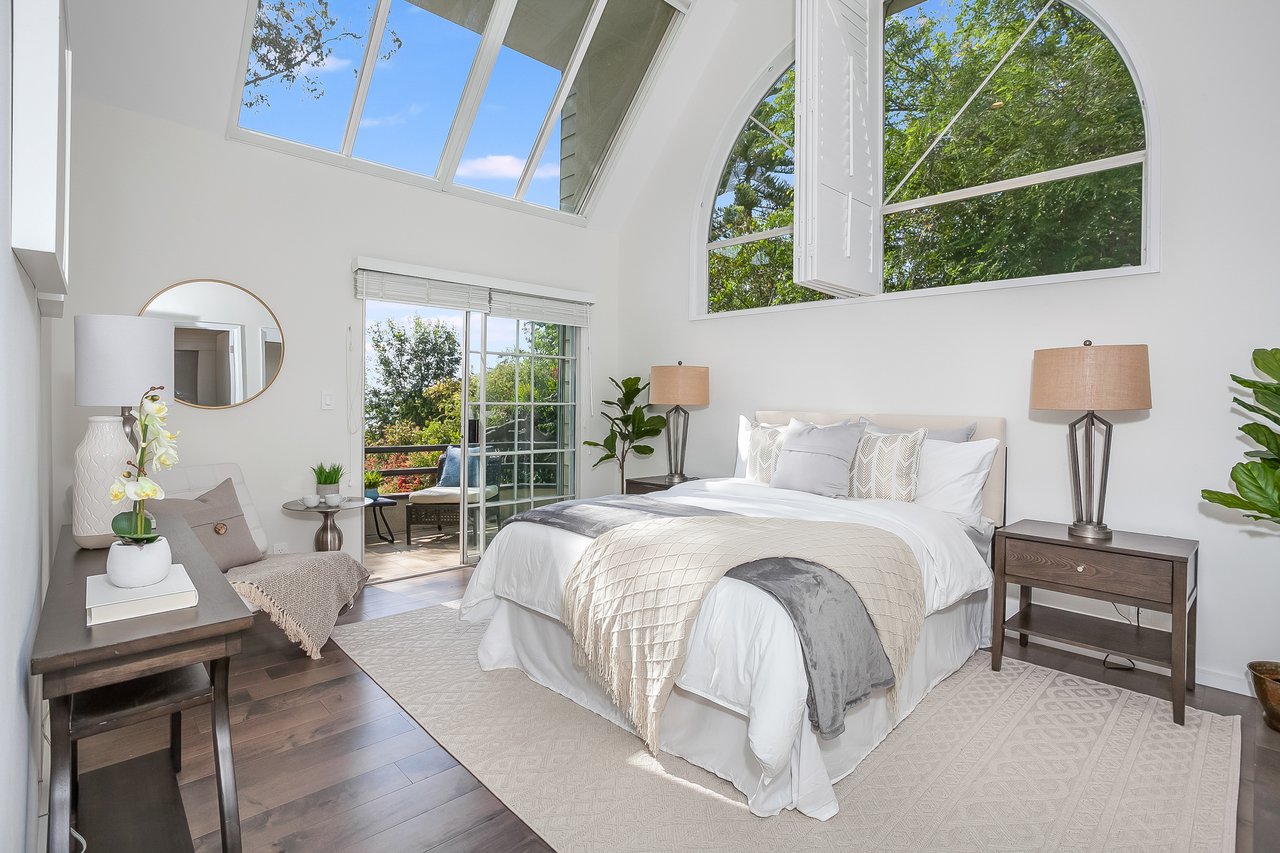
- Emphasize indoor‑outdoor flow: clear sightlines to patios, style outdoor rooms, and keep sliders unobstructed.
- Update kitchens and baths sympathetically: energy‑efficient appliances, quality counters, refreshed cabinets or refacing, and period‑friendly fixtures.
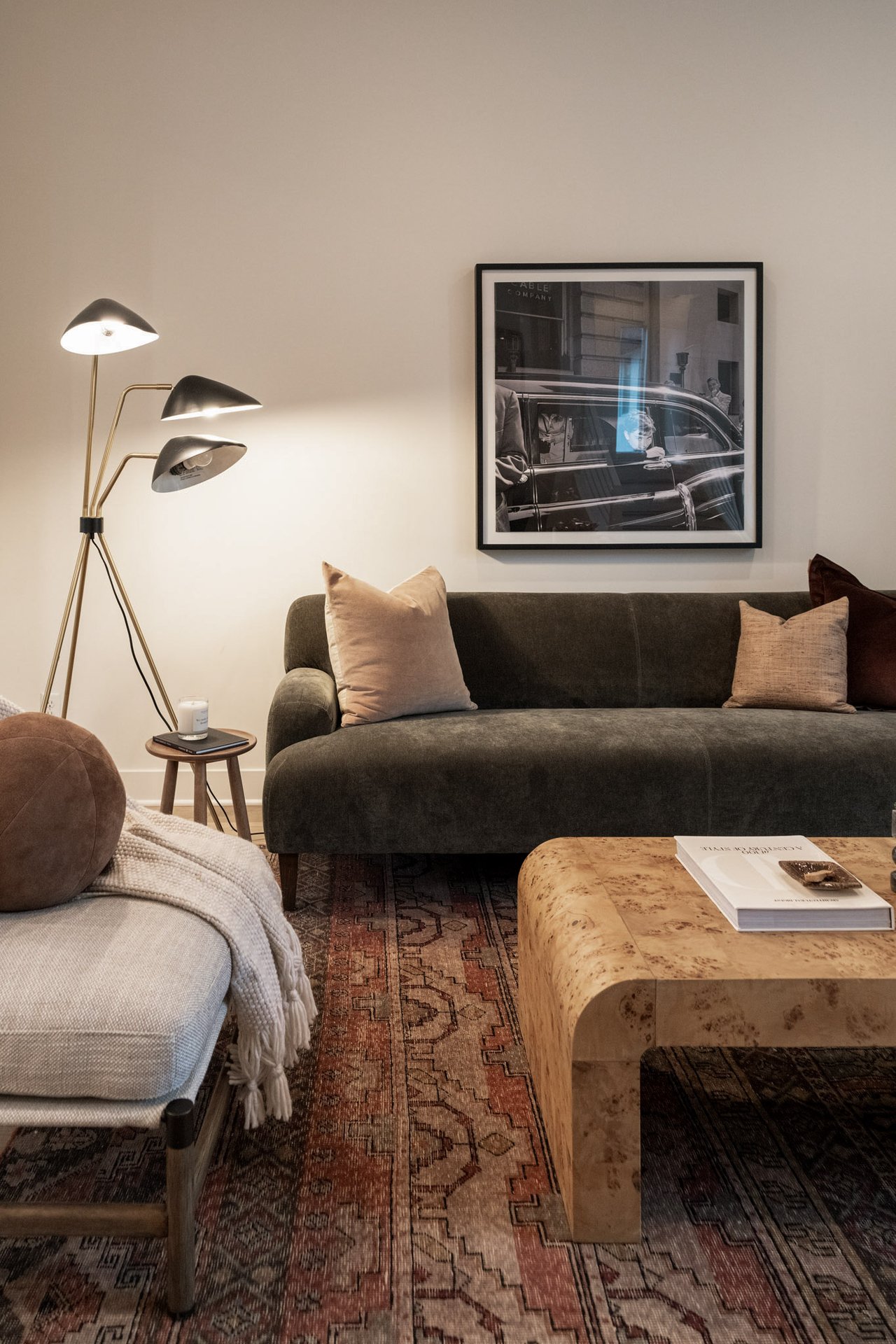
- Improve lighting with a restrained, warm palette and simple, mid‑century‑appropriate furniture and art.
According to national agent surveys on home staging, most agents say staging helps buyers visualize a property, often reduces time on market, and can increase offered prices in some cases. Even a focused staging plan for living areas, the main bedroom, and kitchen can deliver meaningful results.
Resale positioning for architectural homes
Authentic mid‑century design attracts a specific buyer pool. When your listing highlights original features, documents careful upgrades, and shows a clear indoor‑outdoor lifestyle, you position it to command stronger interest. Marketing that pairs professional photography with concise, design‑literate copy helps the right buyers see the value fast.
How I help as your advisor
You deserve guidance that blends design sense with transaction clarity. With a background in carpentry and a boutique, hands‑on approach, I help you identify authentic features, plan high‑value updates, coordinate trusted vendors, and present your home with polished staging and photography. For buyers, I curate showings that focus on floor plan, light, materials, and upgrade potential so you can move decisively.
Ready to tour Mar Vista’s mid‑century homes or prep yours for market? Reach out to Johannes Steinbeck for a design‑forward consult tailored to your goals.
FAQs
What defines a Mar Vista mid‑century home?
- Clean lines, low‑slope roofs, indoor‑outdoor flow, generous glass, and warm materials like wood ceilings, built‑ins, and simple masonry fireplaces.
Can I modernize a kitchen in the Ain HPOZ?
- Yes. Interior updates are typically more flexible, but exterior changes in the Gregory Ain Mar Vista Tract follow HPOZ review. Confirm scope with staff before starting.
How do I improve energy performance without losing character?
- Add insulation, upgrade HVAC with discreet mini‑splits, and consider slim‑profile double glazing that matches original sightlines. Document improvements for buyers.
What should I check before I buy?
- Ask about electrical panel capacity, roof age and detailing, plumbing updates, window condition, seismic retrofits, and permits for past work.
Are pre‑1978 homes safe to renovate?
- They can be, if handled properly. Expect potential lead‑based paint and asbestos. Hire RRP‑certified contractors and plan for safe containment and disposal.
Do architectural homes sell for more?
- Authentic design can attract a dedicated buyer pool and support premiums when condition, presentation, and marketing align. Results vary by property and timing.