If you are thinking about trading a driveway and backyard for a skyline view and elevator ride, Downtown Los Angeles can feel like a very different version of city living. DTLA high-rise life is faster-paced, more vertical, and often far more walkable than many other parts of Los Angeles. If you are wondering what day-to-day life actually feels like in one of these towers, this guide will help you understand the lifestyle, the perks, and the tradeoffs. Let’s dive in.
DTLA feels urban and vertical
Living in a DTLA high-rise means stepping into one of the most dense, mixed-use parts of Los Angeles. According to the DTLA Alliance, Downtown has an average walkability score of 93, and 49% of residents walk, bike, use transit, or work from home.
That shapes daily life in a big way. You are not just living in a residential pocket. You are living in a city center where housing, dining, transit, offices, entertainment, and cultural venues all exist close together.
Compared with many Westside or hillside neighborhoods, DTLA usually feels more transit-oriented and more active at street level. In practical terms, that often means less dependence on your car and more movement happening right outside your building.
DTLA neighborhoods feel different
One of the biggest surprises for many buyers is that Downtown Los Angeles is not one single experience. Your block, building, and nearby amenities can shape your routine just as much as the unit itself.
The DTLA neighborhood guide breaks the area into several distinct pockets:
- South Park is a major residential and entertainment district.
- Financial District acts as a convenience and transit hub.
- Historic Core is known for older architecture, arts, and classic buildings.
- Arts District is associated with galleries, converted warehouses, and loft-style living.
- Little Tokyo is one of Downtown’s most walkable areas.
- Bunker Hill has a cultural, skyline-centered feel with major institutions and residential towers.
If you are choosing a DTLA high-rise, this matters. A tower in South Park may feel very different from a loft conversion in the Historic Core or a residence near Grand Avenue on Bunker Hill.
Mixed-use living changes your routine
A big part of DTLA’s appeal is how many buildings blend multiple uses in one place. Instead of separating shopping, dining, offices, and residences, many Downtown properties stack them together.
For example, The Grand LA combines residences, retail, a hotel, and public space near major cultural destinations. That kind of setup helps create the on-your-doorstep feeling people often associate with high-rise urban living.
In daily life, that can mean grabbing coffee downstairs, meeting friends nearby for dinner, or walking to entertainment without much planning. If convenience and immediacy matter to you, this is one of DTLA’s strongest lifestyle advantages.
Views and amenities are a major draw
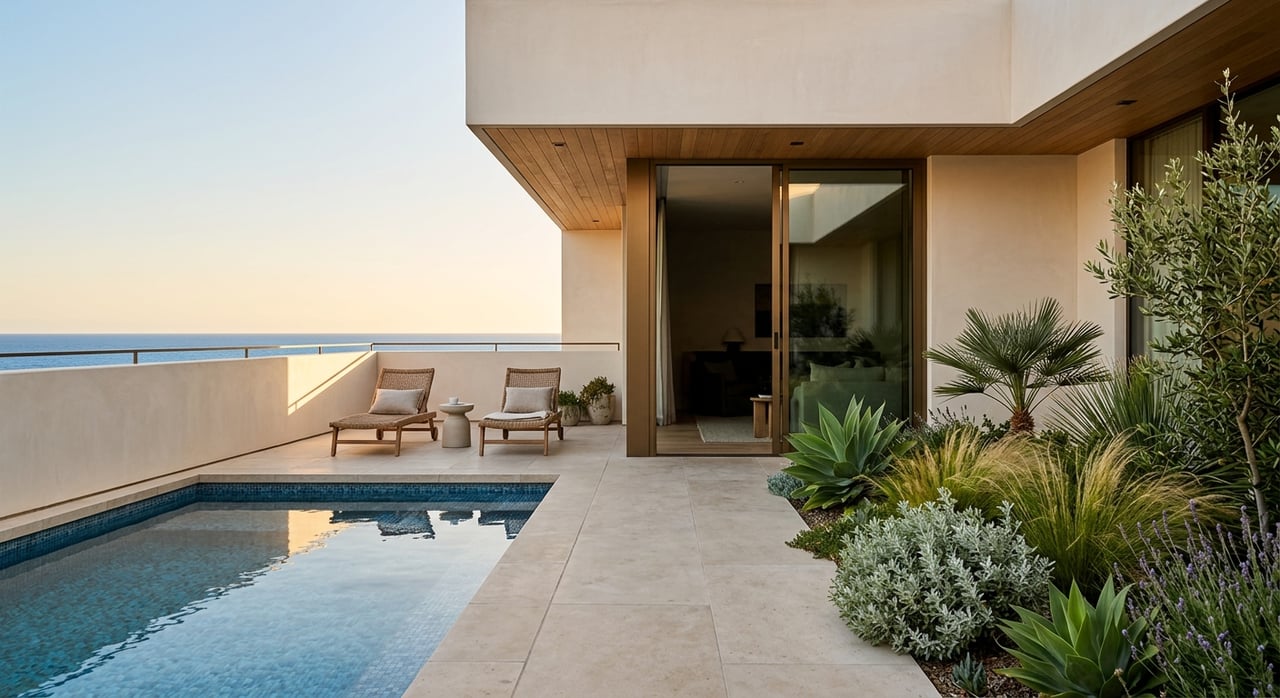
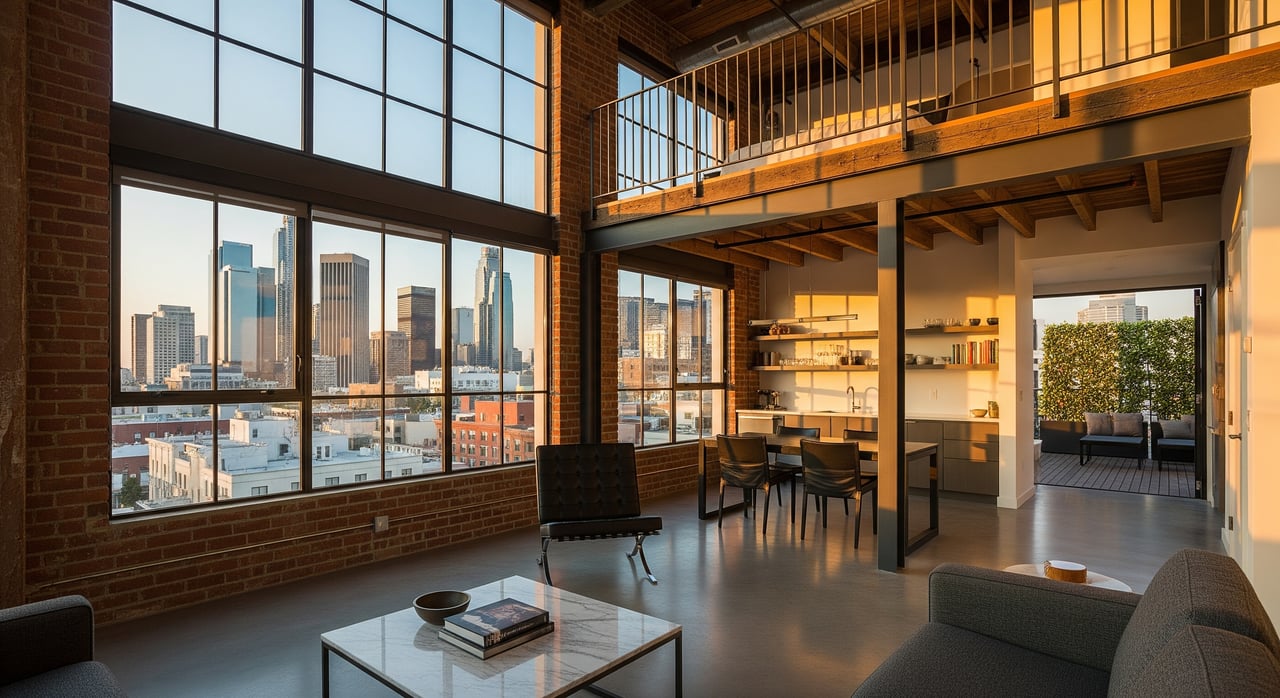
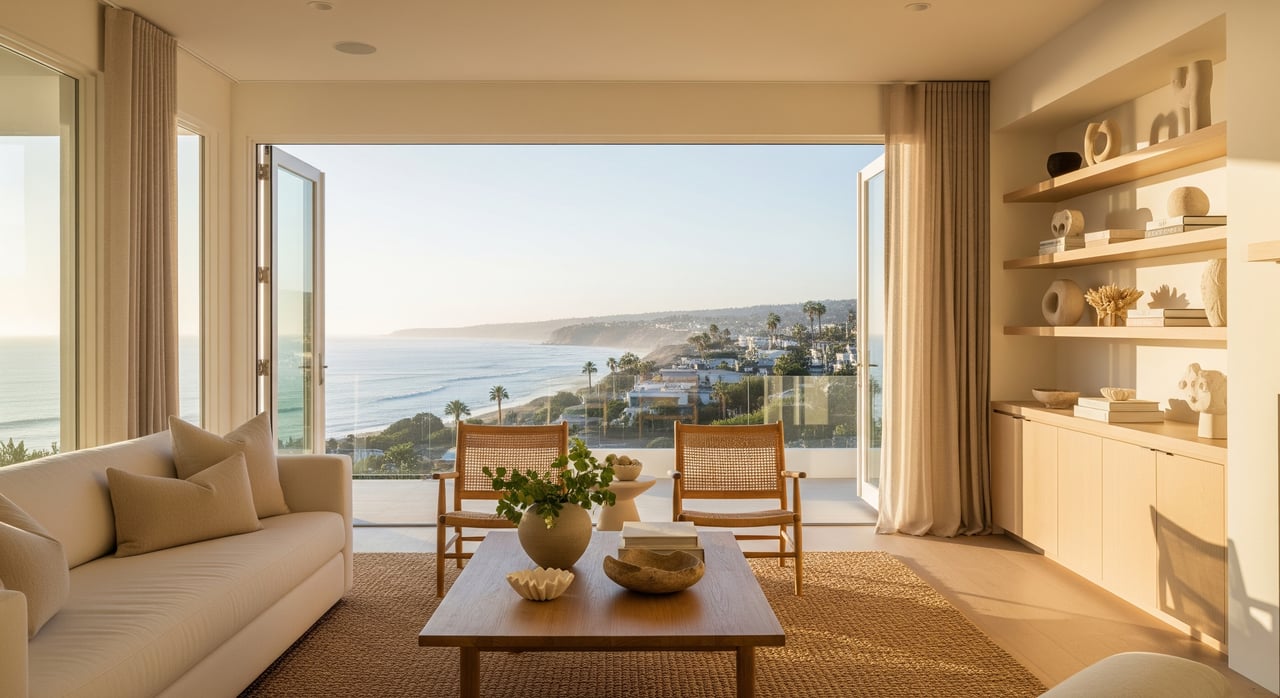
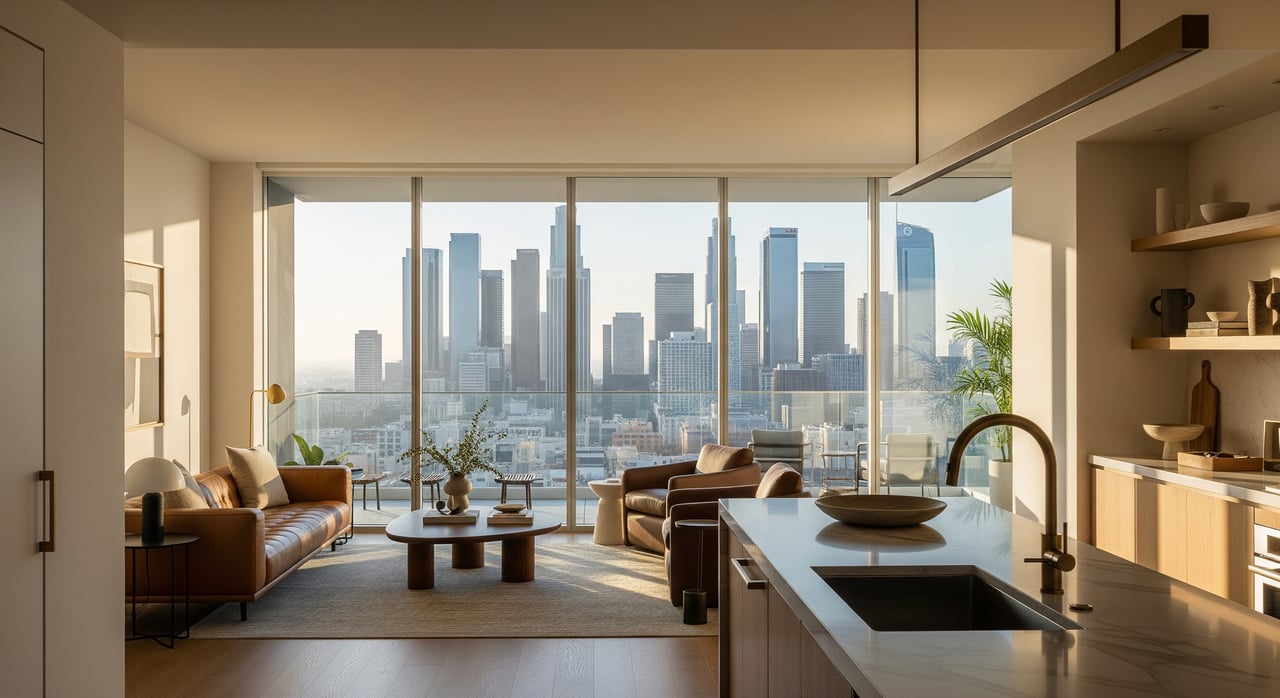
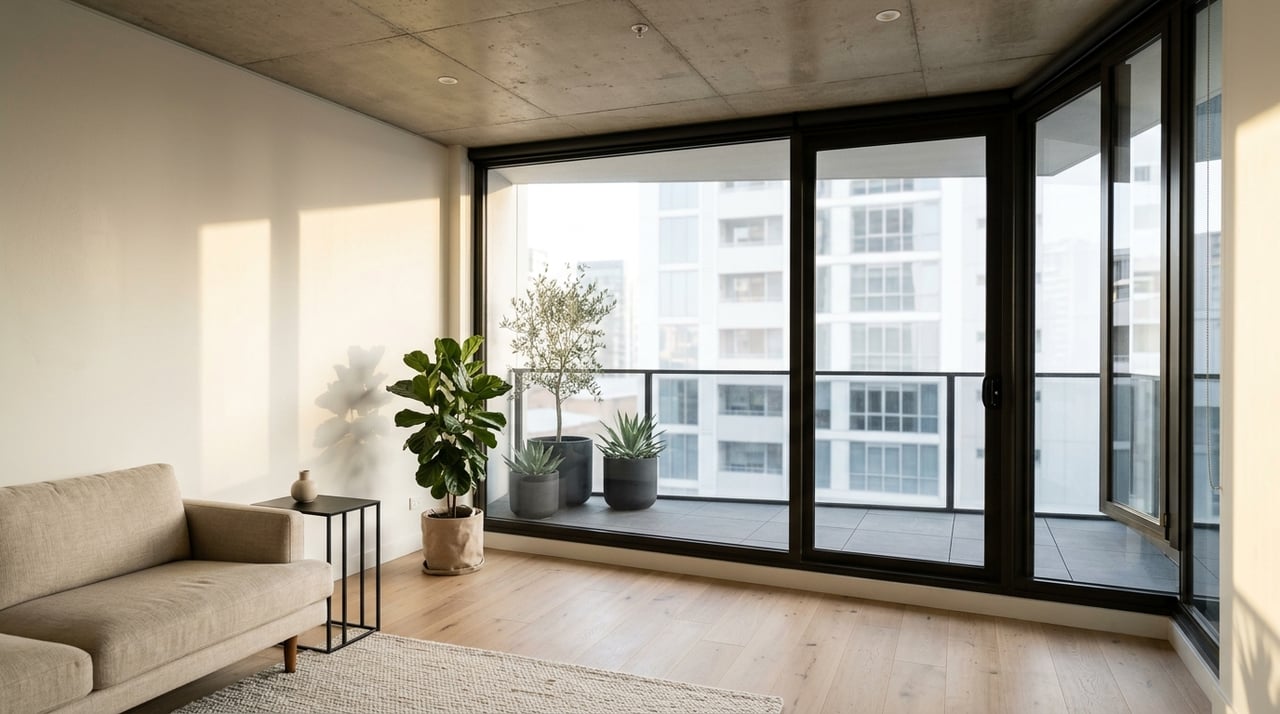
For many buyers, the biggest attraction of a DTLA high-rise is simple: the views. Depending on the building and exposure, you may have wide city vistas, dramatic sunsets, or sightlines that stretch toward the mountains or ocean.
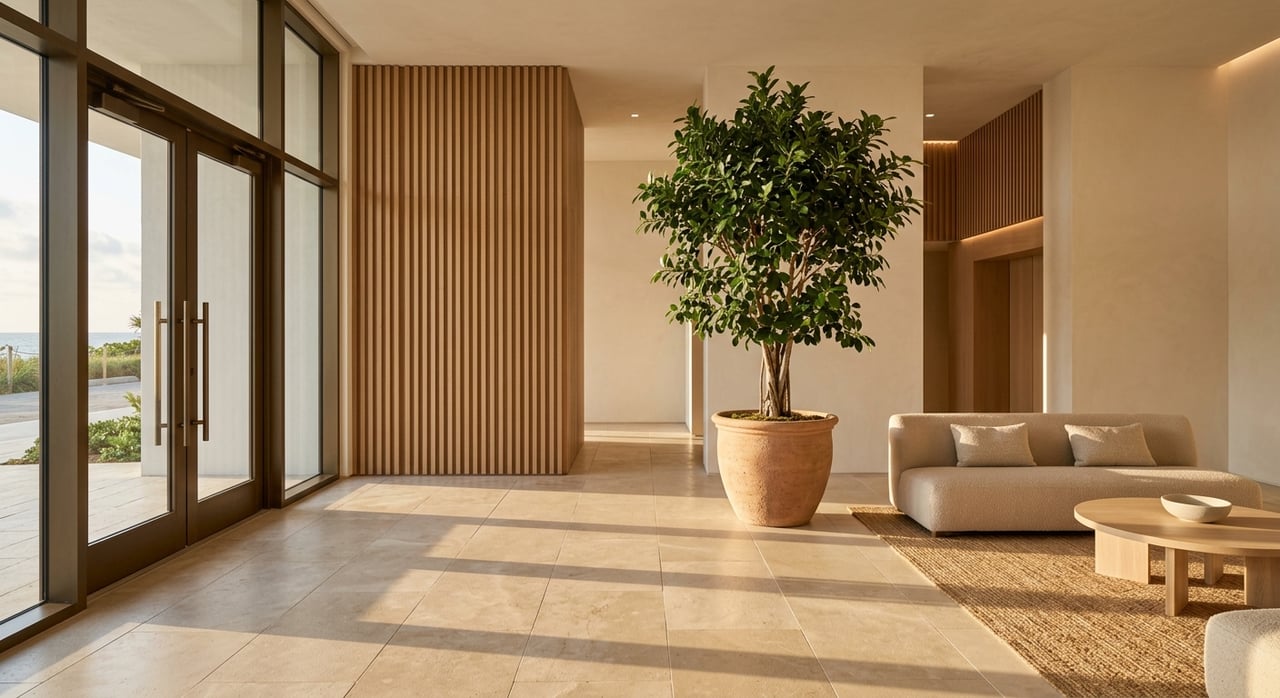
Amenities are also part of the package. Recent DTLA listing examples highlighted features such as pools, spas, fitness centers, resident lounges, balconies or terraces, guest parking, concierge service, front desks, and 24-hour security. Some buildings also include utilities in HOA dues, which can make monthly budgeting more predictable.
That amenity package can change how you use your home. Instead of treating your unit as the only usable space, you may also rely on a gym, outdoor lounge, BBQ area, or shared entertaining space within the building.
Floor plans vary more than you might expect
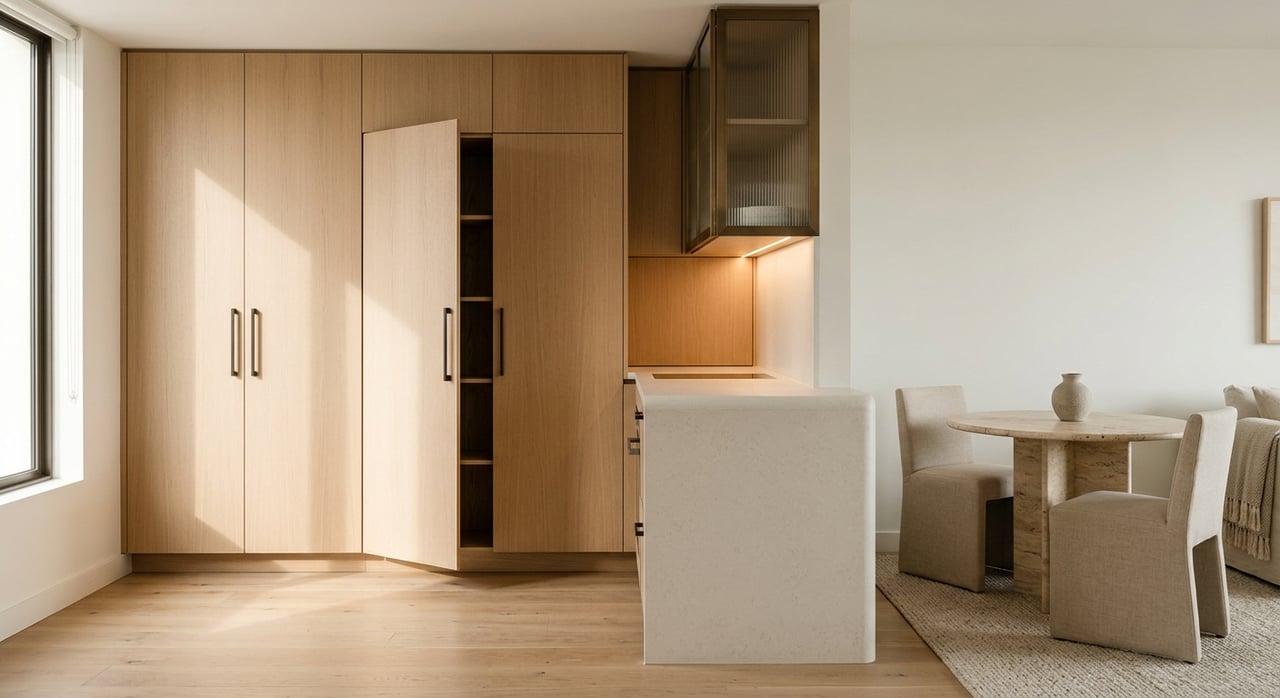
Not every DTLA high-rise unit looks the same. Newer towers often offer more conventional one- and two-bedroom layouts, while older adaptive-reuse buildings can deliver a very different design experience.
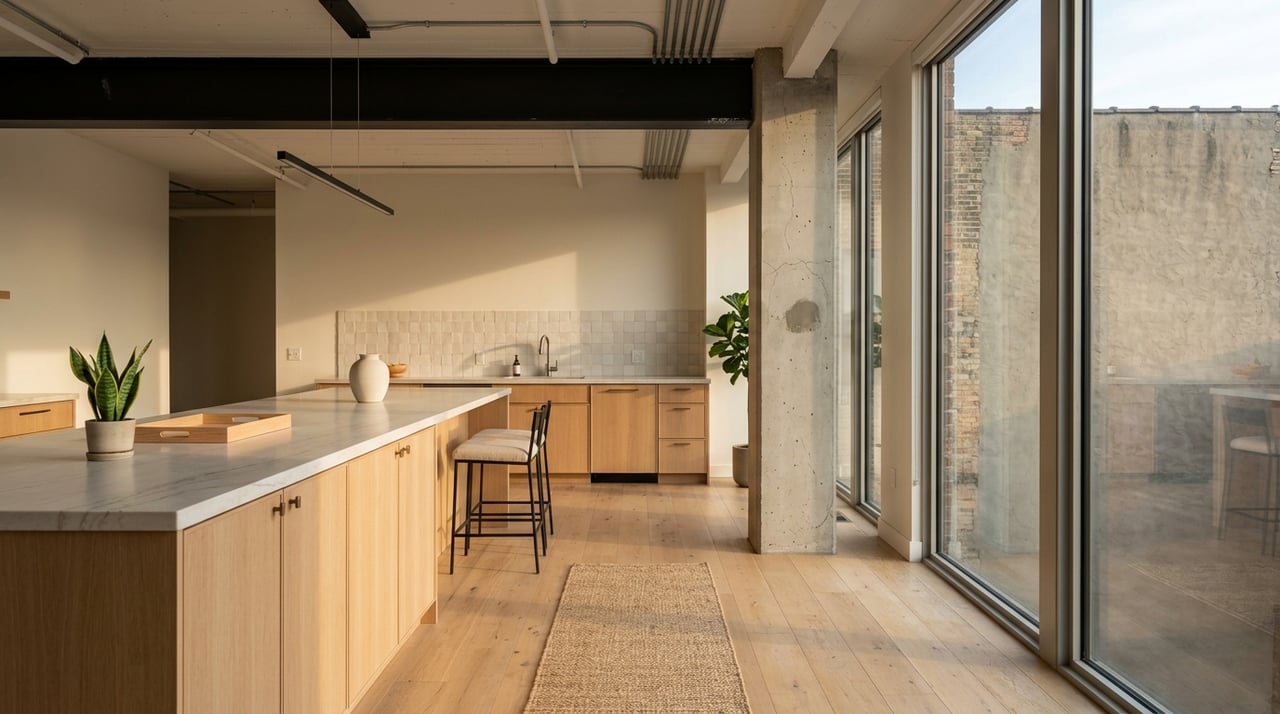
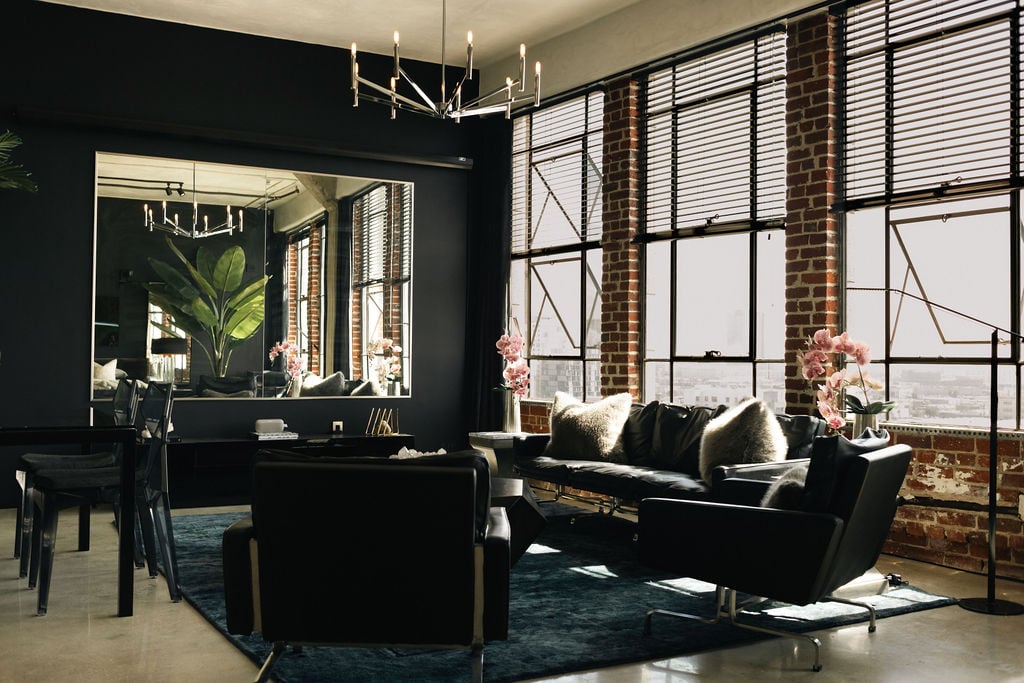
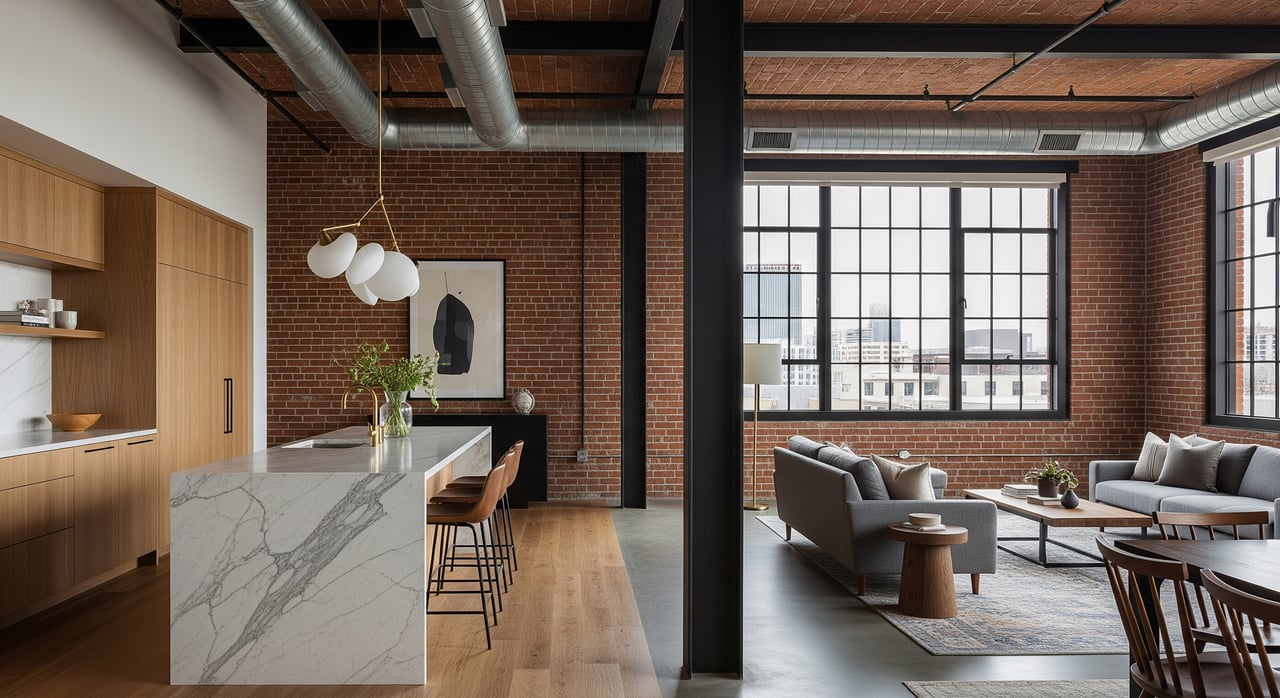
The Elleven building profile highlights soft loft living, while other Downtown examples include live/work lofts, two-story units, high ceilings, oversized windows, roof decks, and large terraces. This is one of the reasons DTLA appeals to design-conscious buyers. You can often choose between a polished full-service tower and a more architectural loft environment.
If layout and interior character matter to you, building type is just as important as location. A sleek glass tower and a converted historic structure can support very different lifestyles, even if they are only a few blocks apart.
Car-light living is more realistic here
One of DTLA’s biggest practical benefits is transit access. According to DowntownLA’s transit and mobility guide, the area is served by four Metro Rail lines, while the Regional Connector improved access through stations including Little Tokyo/Arts District, Historic Broadway, and Grand Av Arts/Bunker Hill.
You also have DASH bus service in Downtown, with 50-cent fares and frequent service, while Metro day passes are $7. For Los Angeles, that makes DTLA unusually well-connected.
If you want a more walkable, car-light version of LA living, Downtown can offer it more realistically than many other neighborhoods. That does not mean every resident gives up a car, but it does mean errands, commuting, and entertainment can often happen with less driving.
Dining and culture are part of daily life
Living in a DTLA high-rise often means your social life is built into your surroundings. Dining is not an occasional destination. It can be part of your everyday routine.
The DowntownLA restaurant guide points to destinations such as Grand Central Market, 7th Street Restaurant Row, FIGat7th, Bottega Louie, and Perch. Grand Central Market has been operating since 1917 and remains a major food anchor with more than 40 vendors.
Culture is just as central to the lifestyle. Around Bunker Hill and Grand Avenue, you are close to the Music Center, Walt Disney Concert Hall, The Broad, and MOCA. Downtown also includes the Historic Core’s art activity, weekly farmers market, and monthly events such as Art Walk and DTLA ArtNight, which brings together more than 25 galleries on the first Thursday of each month, as noted in this DowntownLA overview of the station areas and arts access.
Noise and activity are part of the tradeoff
The same energy that makes DTLA exciting can also be one of the main adjustments. High-rise living here often comes with more street activity, event traffic, and ambient city noise than you would find in a quieter suburban setting.
That is especially relevant in places like South Park, which includes L.A. LIVE, Crypto.com Arena, and the Convention Center, as well as active parts of the Financial District, Historic Core, and Arts District. Depending on the building and unit position, your experience may vary, but the broader environment is typically more active than many buyers expect.
This is why building choice matters so much. Floor level, window orientation, proximity to nightlife, and how the tower is managed can all affect how peaceful or lively your day-to-day experience feels.
HOA rules and costs deserve close review
If you are buying in a DTLA high-rise, HOA diligence is essential. The California Attorney General’s HOA consumer guidance explains that associations enforce CC&Rs, bylaws, and board rules, and those rules can affect daily living in meaningful ways.
Before you commit, review what the dues cover and how the building operates. Rules may address move-ins, pets, parking, leasing, and other building-specific policies. The exact terms vary by association, so there is no substitute for careful document review.
Budget matters too. The California Department of Real Estate guidance cited in the research notes that buyers should account for mortgage costs as well as HOA dues, taxes, special assessments, and maintenance. Recent DTLA listing examples showed monthly HOA fees around $920, $950, $1,058, and $1,170, with one full-amenity Bunker Hill tower listed at $4,198 per month, including electricity, gas, water, internet, trash, and parking.
Who tends to enjoy DTLA high-rise living
DTLA high-rise living tends to appeal to buyers who value convenience, design, access, and energy. Current DTLA Alliance data shows a median resident age of 38 and a highly mobile resident base, with major residential growth in South Park, the Historic Core, and the Arts District.
That does not mean there is one “typical” resident, but it does point to a more urban and fast-moving housing environment. If you enjoy being close to dining, arts, transit, and a constant sense of activity, DTLA may feel exciting and efficient.
If you prefer quiet streets, simpler ownership costs, and more separation from nightlife or event traffic, you may want to be especially selective about building and location. In Downtown, the right fit often comes down to matching your habits with the right micro-neighborhood and tower.
The bottom line on DTLA towers
Living in a DTLA high-rise is best understood as a trade: you give up some privacy, quiet, and simplicity in exchange for convenience, views, amenities, transit access, and a stronger sense of being in the middle of the city. For many buyers, that trade is absolutely worth it.
The key is knowing what kind of Downtown experience you want. A full-service South Park tower, a cultural hub near Bunker Hill, or a loft-style building in the Historic Core can each offer a very different version of high-rise living.
If you are exploring DTLA condos, lofts, or high-rise residences and want thoughtful guidance on layout, building feel, and long-term value, Johannes Steinbeck can help you evaluate the details that matter most.
FAQs
What is daily life like in a Downtown Los Angeles high-rise?
- Daily life in a DTLA high-rise is usually walkable, amenity-rich, and urban, with easy access to dining, transit, and cultural destinations.
What are the benefits of living in a DTLA high-rise condo?
- Common benefits include skyline views, shared amenities, transit access, mixed-use convenience, and the ability to live more car-light than in many other Los Angeles neighborhoods.
What are the downsides of living in a Downtown Los Angeles tower?
- Common tradeoffs include more noise, heavier street activity, event traffic, and the added complexity of HOA dues and building rules.
Which DTLA neighborhoods are popular for high-rise living?
- South Park, Bunker Hill, the Financial District, the Historic Core, the Arts District, and Little Tokyo each offer distinct residential experiences within Downtown Los Angeles.
What should buyers review before buying a DTLA high-rise unit?
- You should review HOA dues, CC&Rs, building rules, what the dues cover, move-in procedures, parking policies, pet rules, and any leasing restrictions.
Is car-free or car-light living possible in Downtown Los Angeles?
- It can be more realistic in DTLA than in many LA neighborhoods because the area has strong walkability, Metro Rail access, and DASH bus service.