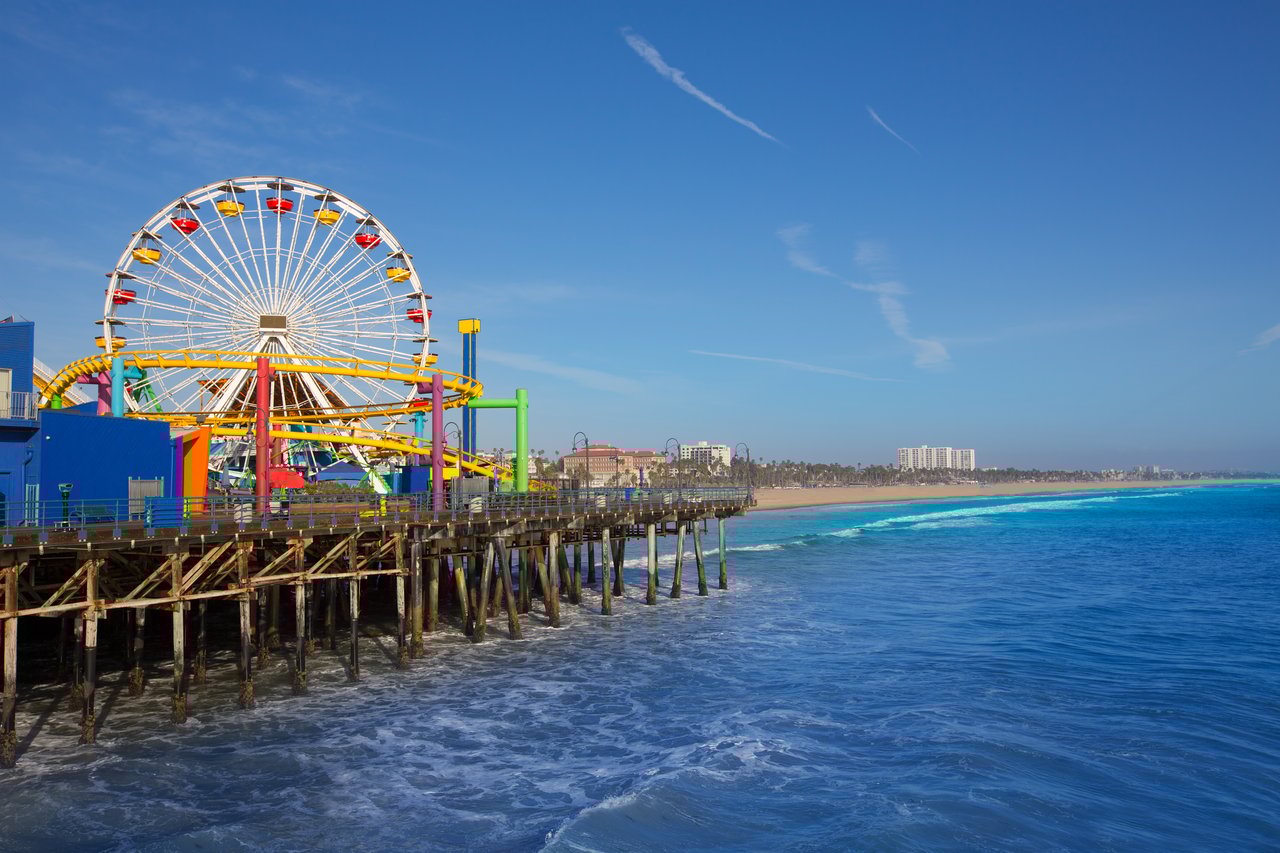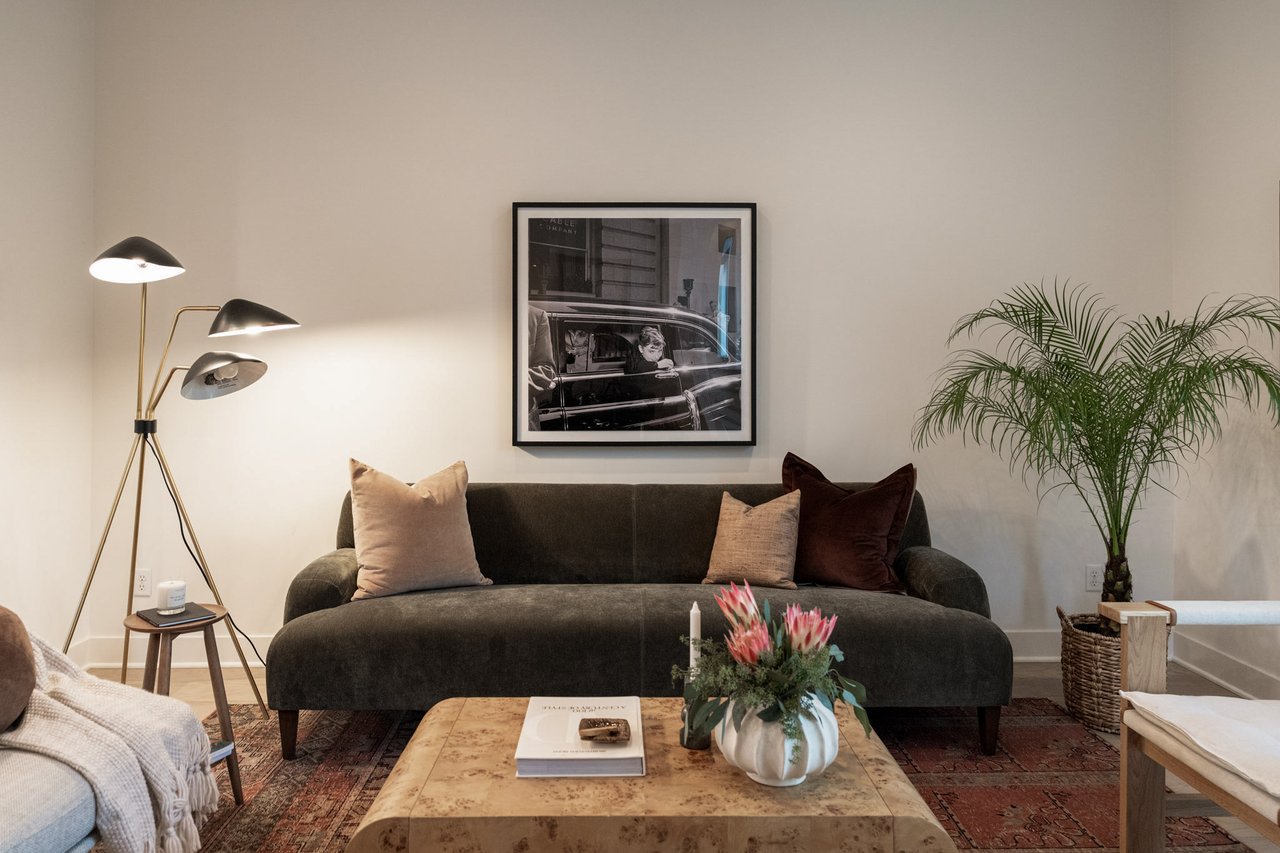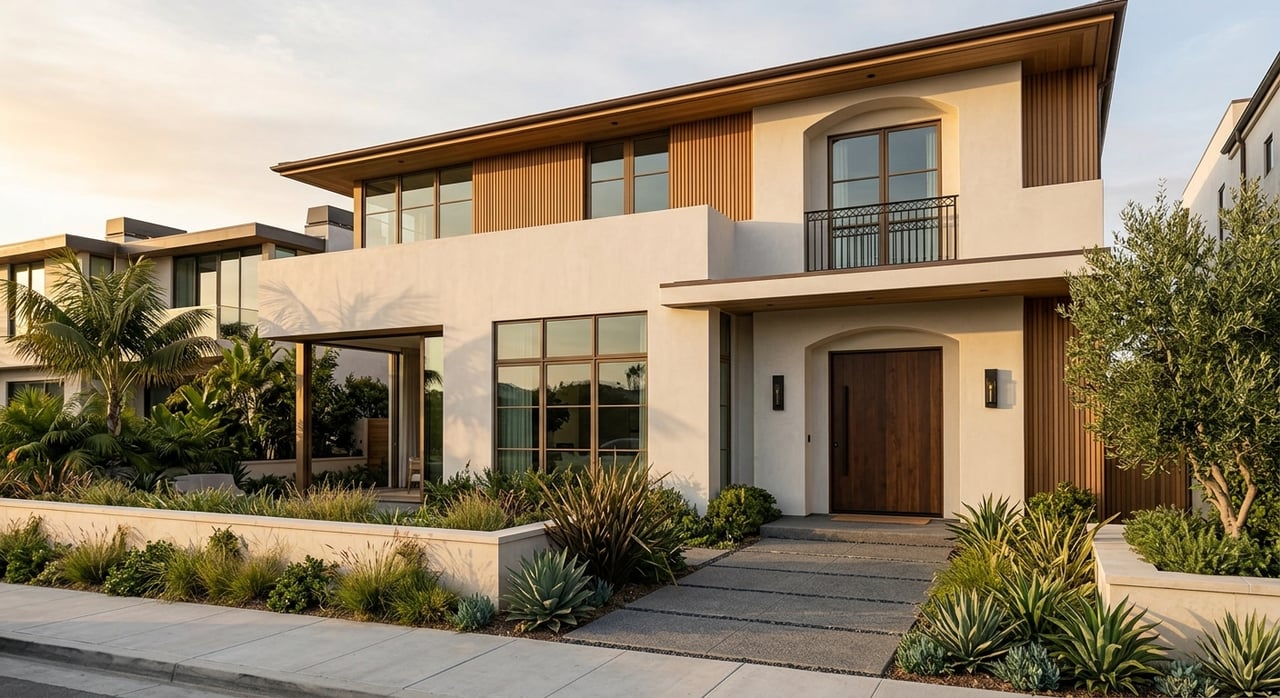
What makes Santa Monica feel so distinctly Santa Monica? In many cases, it comes down to architecture. If you are buying, selling, or simply trying to understand the city’s housing stock, knowing the styles that shape local streets can help you spot value, refine your taste, and make better decisions. Let’s dive in.
Santa Monica tells its story through design
Santa Monica’s residential landscape is not defined by one single look. City preservation documents describe a layered mix that includes early beach cottages and bungalows, interwar Spanish and Colonial Revival buildings, bungalow courts and courtyard apartments, postwar Mid-Century Modern and Ranch properties, and newer contemporary infill shaped by local design review.
That mix is a big part of what makes the city feel visually rich and livable. You can move from a block with low-slung Craftsman homes to a stretch of courtyard apartments, then pass a clean-lined mid-century building or a newer contemporary residence that responds to its surroundings.
For buyers, this variety helps you narrow down what feels right before you start touring. For sellers, it helps you understand how your home fits into Santa Monica’s broader design story and how presentation can highlight the features that matter most.
Craftsman and bungalow roots
Some of Santa Monica’s earliest residential areas grew from a beach-resort pattern with small lots and modest homes near the coast. The city’s preservation history points to beach cottages and bungalows in areas such as Ocean Park, and the Third Street Neighborhood Historic District is noted for turn-of-the-century cottages and Craftsman bungalows.
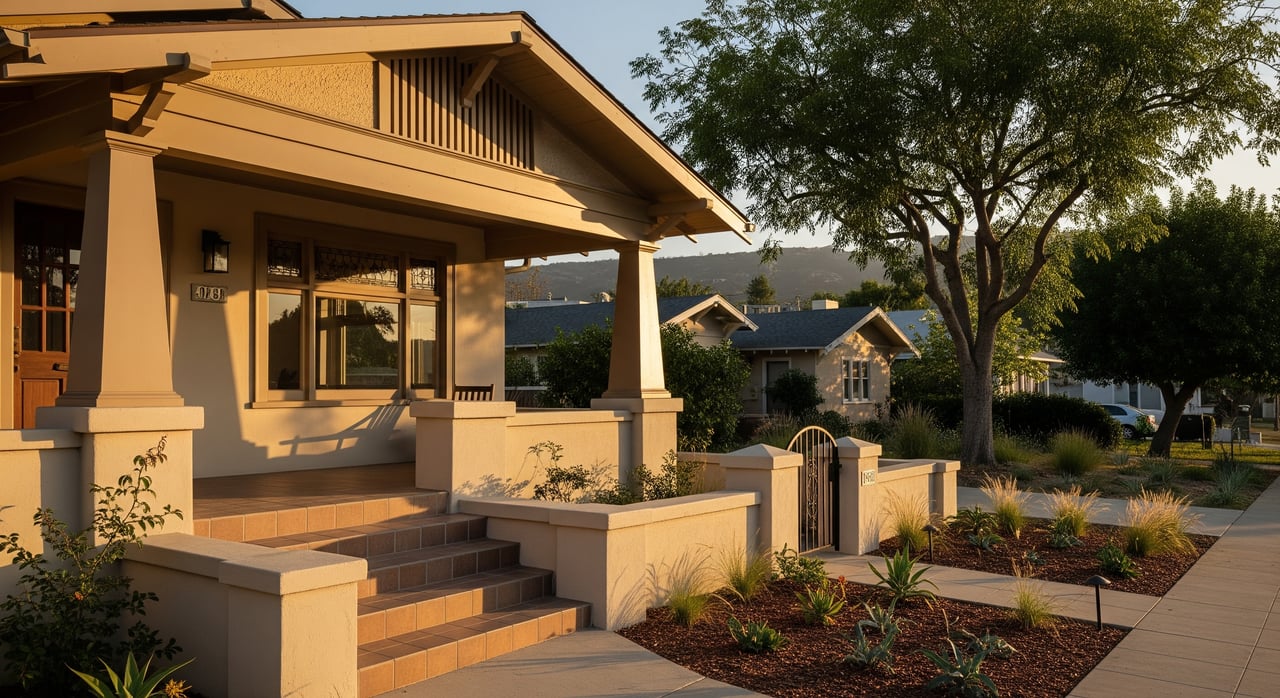
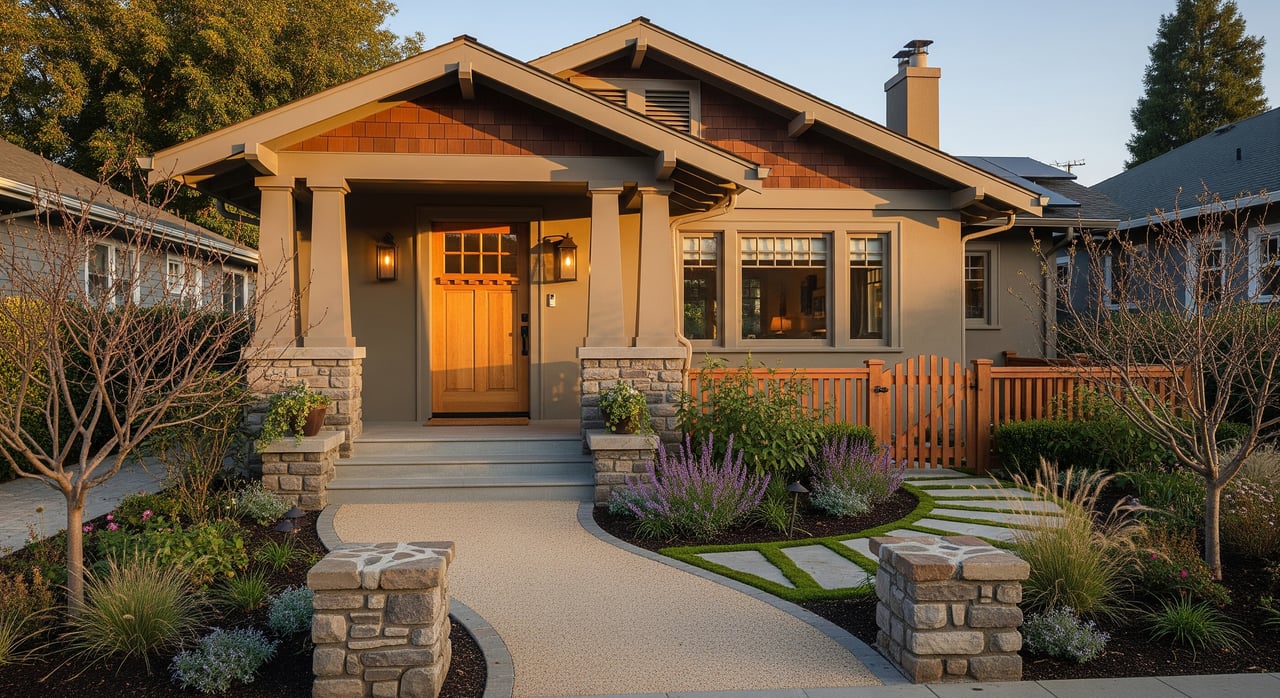
In practical terms, Craftsman homes tend to feel grounded and approachable. They are usually one to two stories with medium- to low-pitched gable roofs, broad porches, heavy piers, wide wood trim, and exposed rafters or beams.
That design language still resonates today because it feels connected to both climate and street life. These homes often create a strong sense of entry and a close relationship to the front yard, sidewalk, and surrounding landscape.
What makes Craftsman homes easy to spot
If you are touring Santa Monica homes, a few details can help you identify a Craftsman or bungalow quickly:
- Low, horizontal massing
- Broad front porches
- Tapered or heavy porch supports
- Exposed woodwork and rafters
- A handcrafted, human-scaled feel
These homes often appeal to buyers who want character and warmth rather than a polished, formal look. They can also offer strong visual charm from the street, which matters when a seller is preparing to list.
Bungalow courts add a classic Santa Monica form
Bungalow courts are one of the city’s most distinctive housing types. Santa Monica describes Horatio West Court as a textbook example, with a shared courtyard acting as the transition between the street and the homes.
The city’s preservation documents note that bungalow courts and other courtyard housing forms were developed mainly between 1915 and 1930. That timing matters because it reflects how Santa Monica adapted compact residential living to climate, density, and outdoor space.
Instead of facing only the street, these homes and units often gather around a central open area. The result can feel intimate, calm, and pedestrian-friendly, even in a dense urban setting.
Why courtyard living still stands out
For many buyers, bungalow courts offer something hard to replicate in newer construction. They combine privacy with a shared sense of space, and they often deliver architectural charm without the scale of a large single-family home.
They also help explain why Santa Monica’s housing identity is not just about detached houses. Apartment and multifamily forms are part of the city’s design DNA too.
Spanish and Mission Revival shape the seaside look
Santa Monica’s early homes were never limited to bungalows alone. According to the city’s preservation history, beach cottages and bungalows were also built in Craftsman, Spanish Colonial Revival, and Mission Revival styles, while the Gold Coast beach-house area was dominated by Spanish and American Colonial Revival buildings.
This is one reason Santa Monica feels stylistically varied rather than uniform. Even within older housing stock, you can see very different ideas about form, materials, and how a home connects to outdoor living.
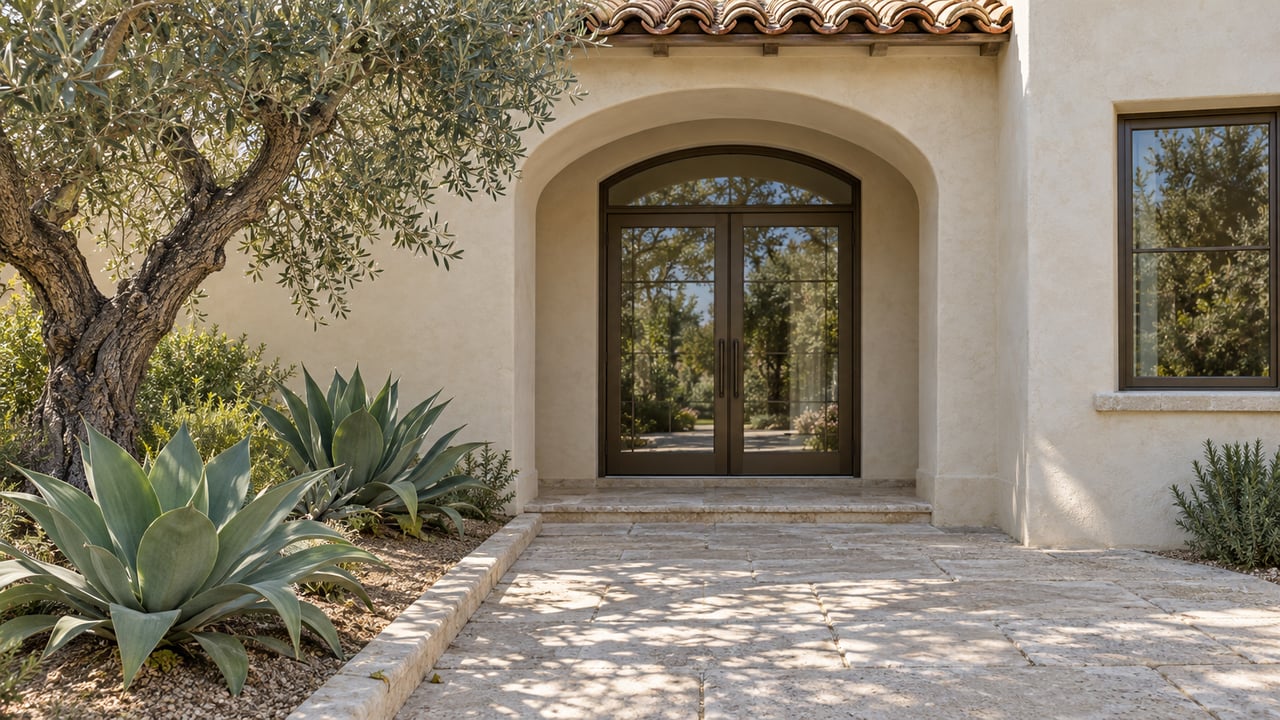
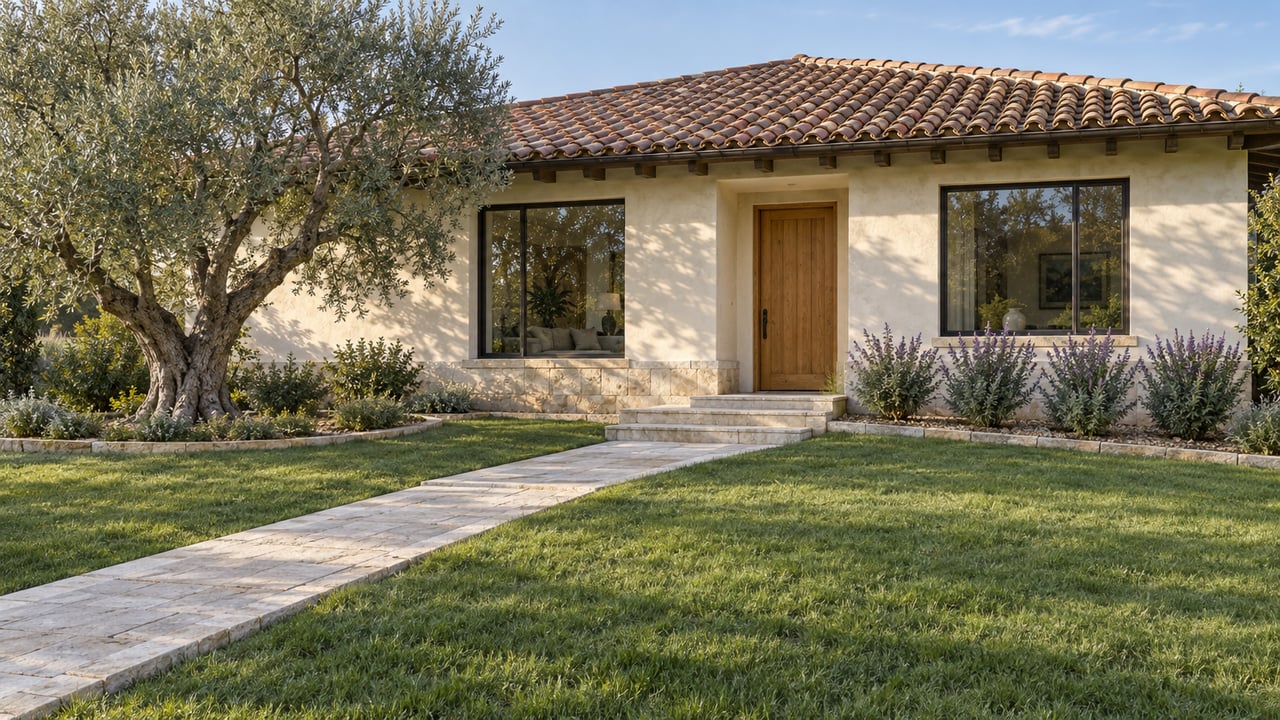
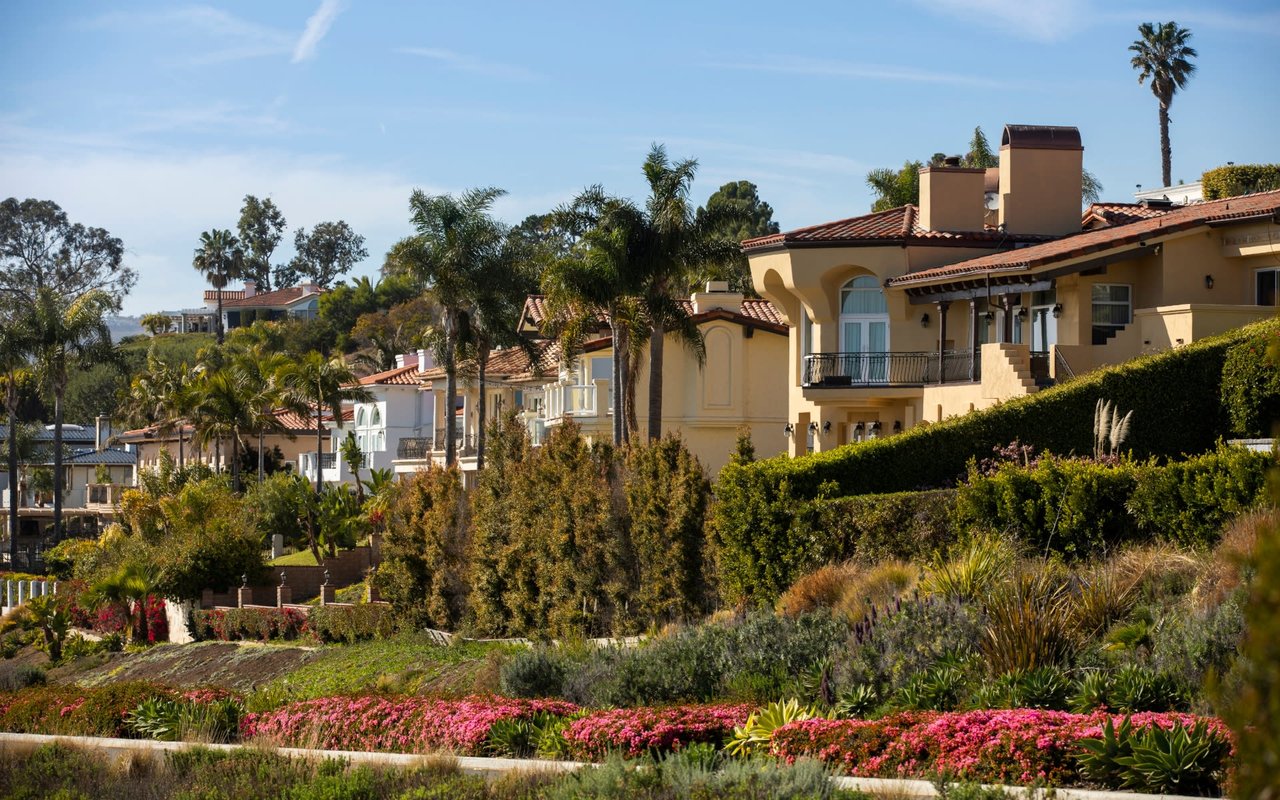
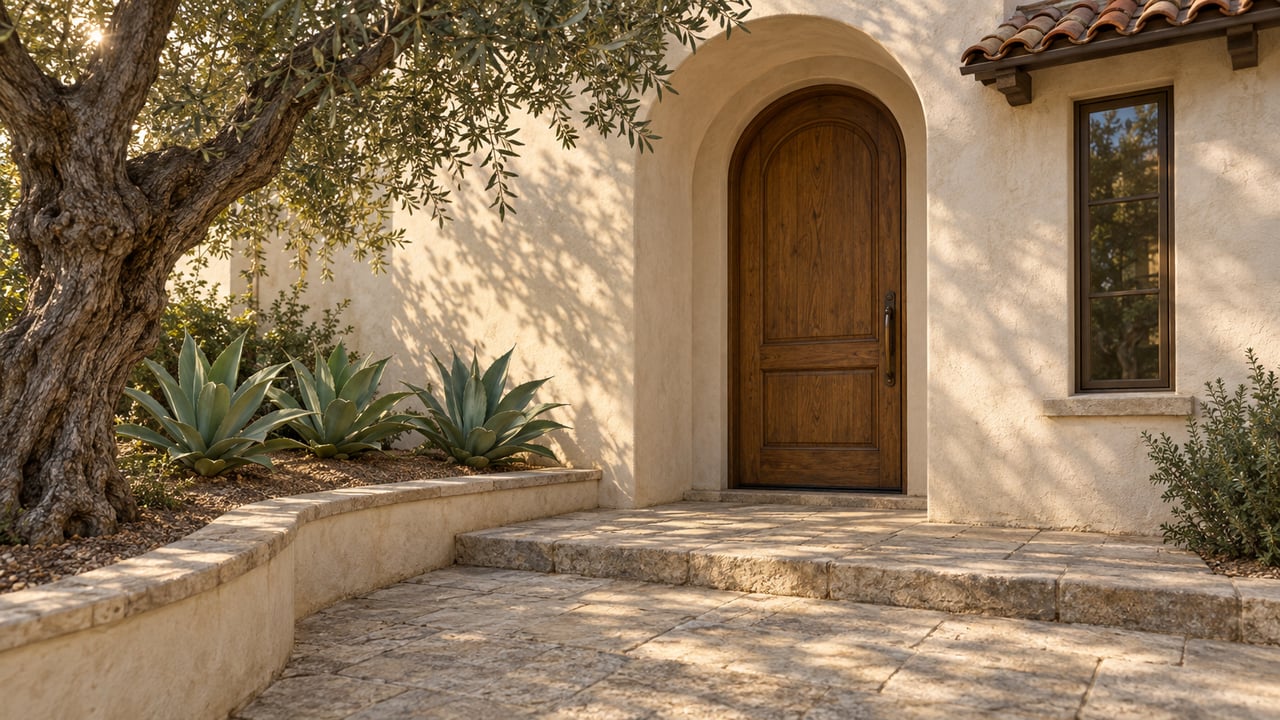
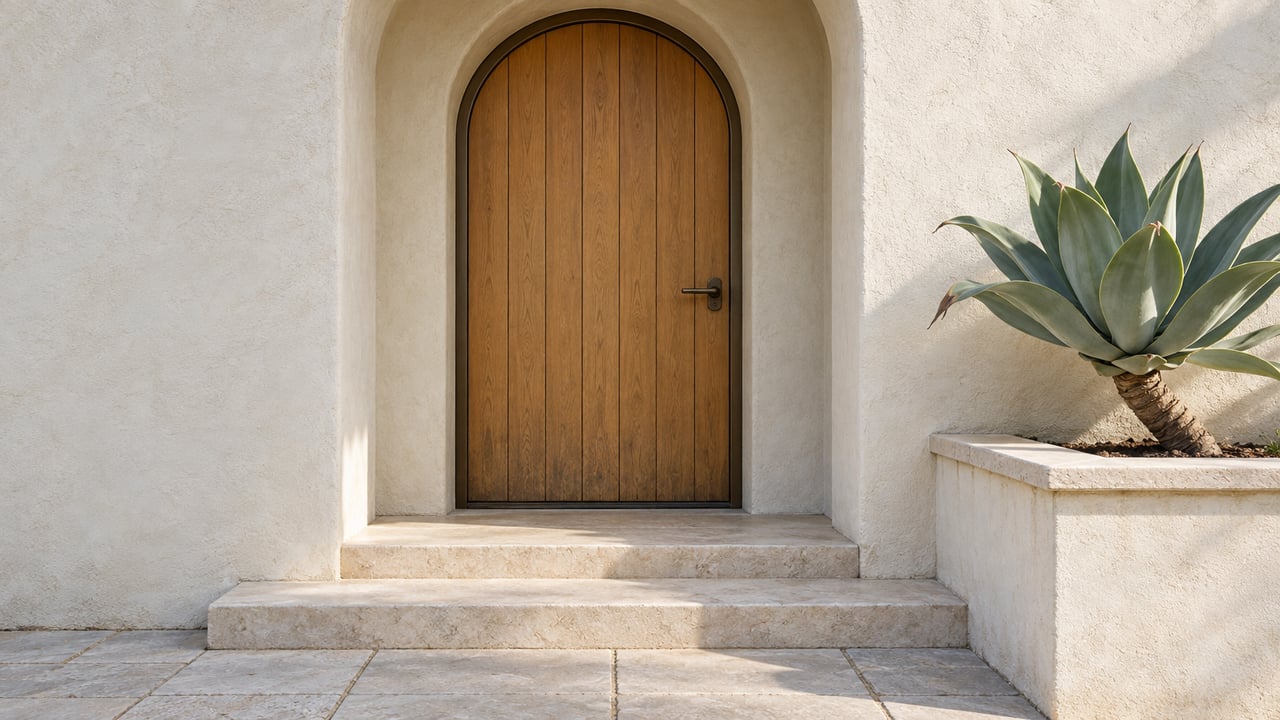
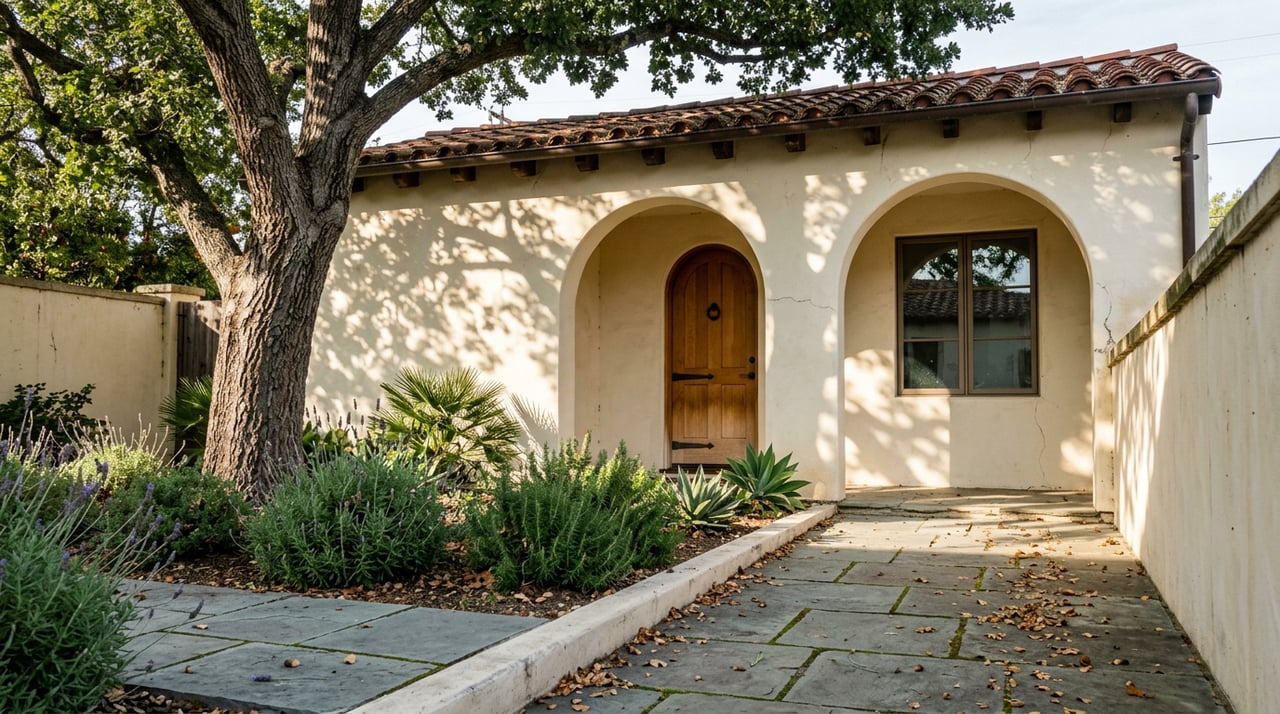
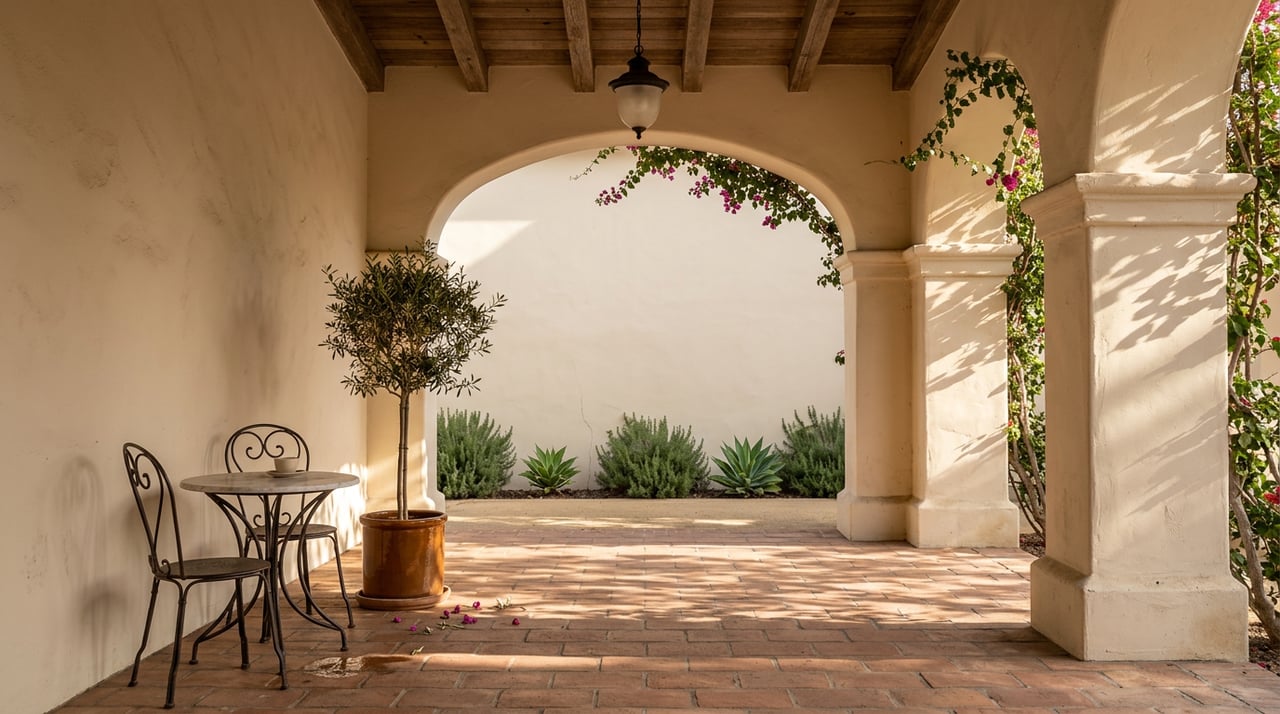
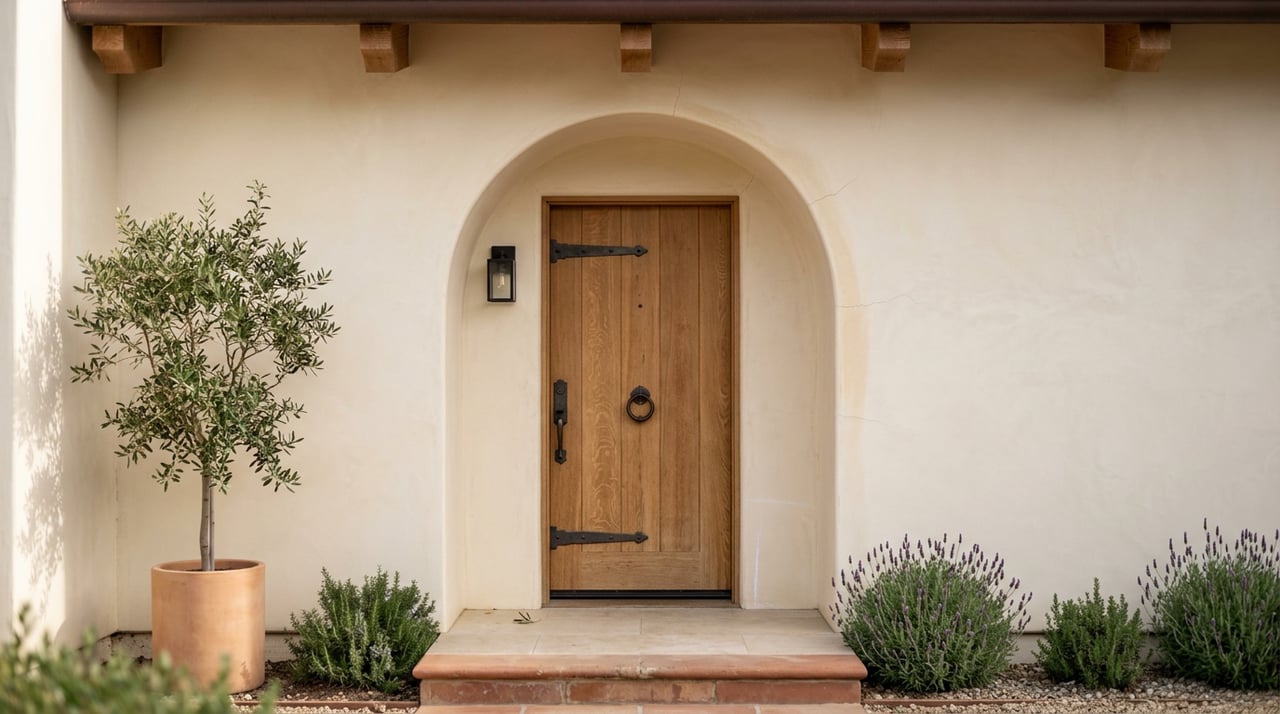
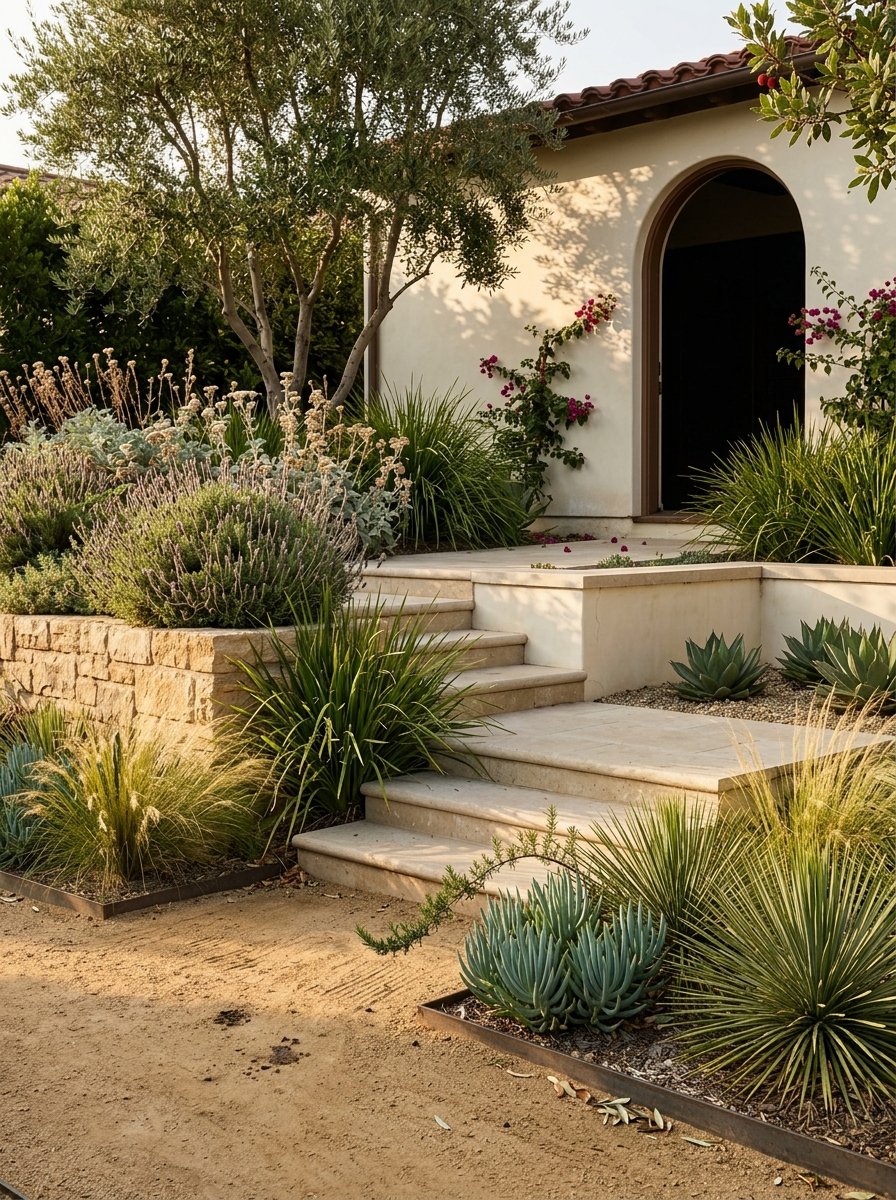
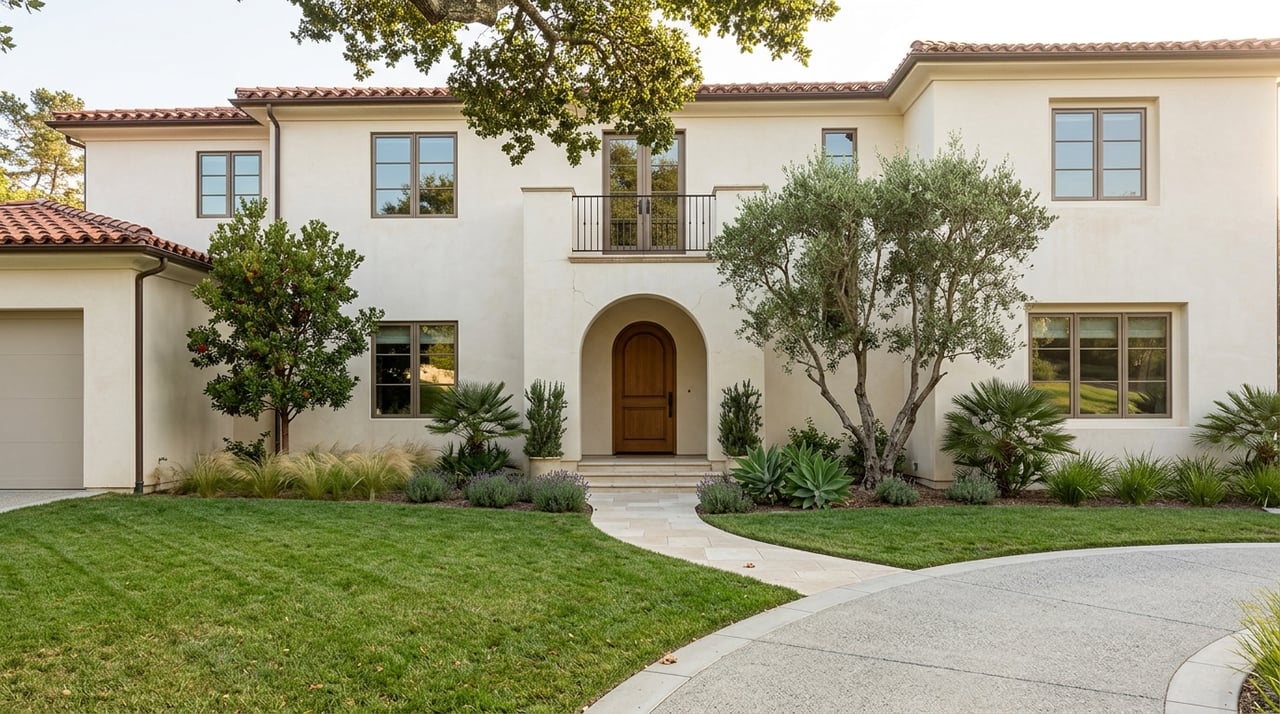
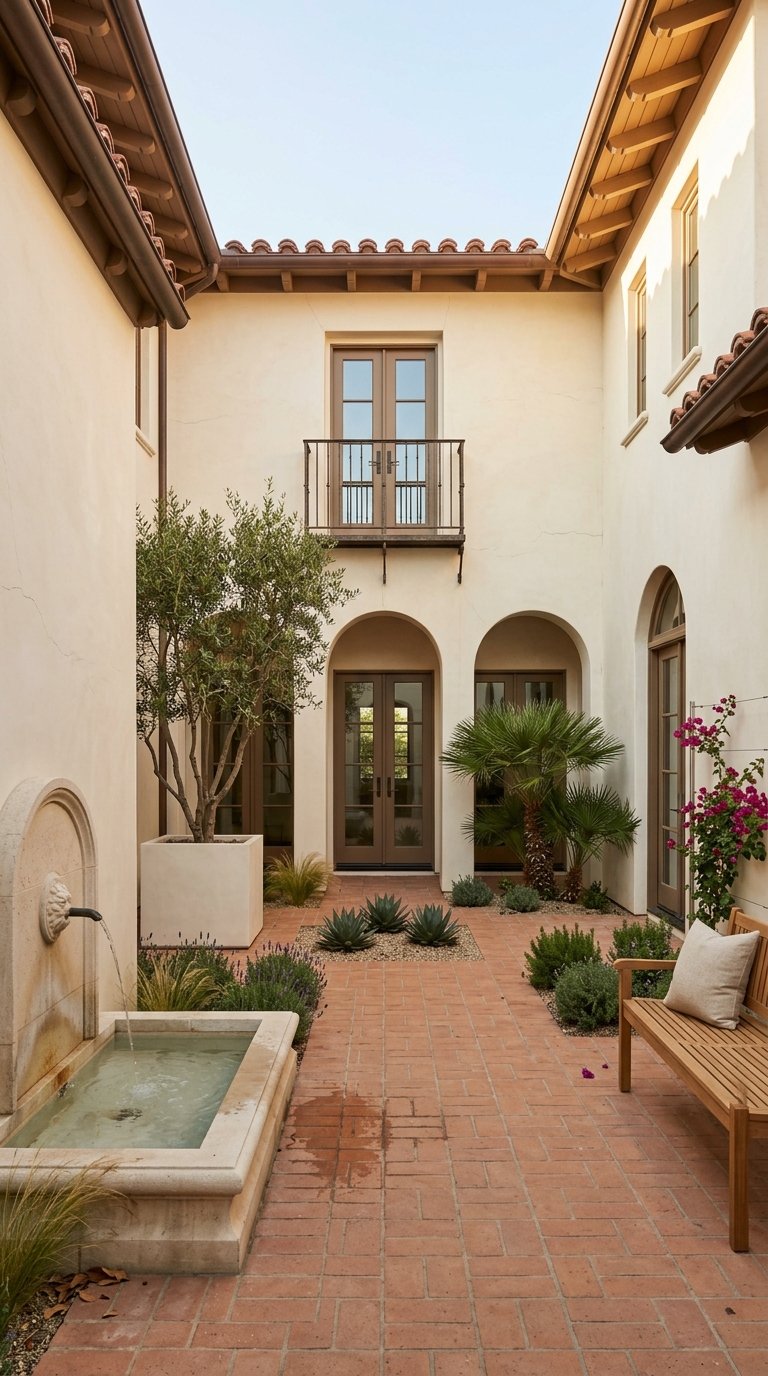
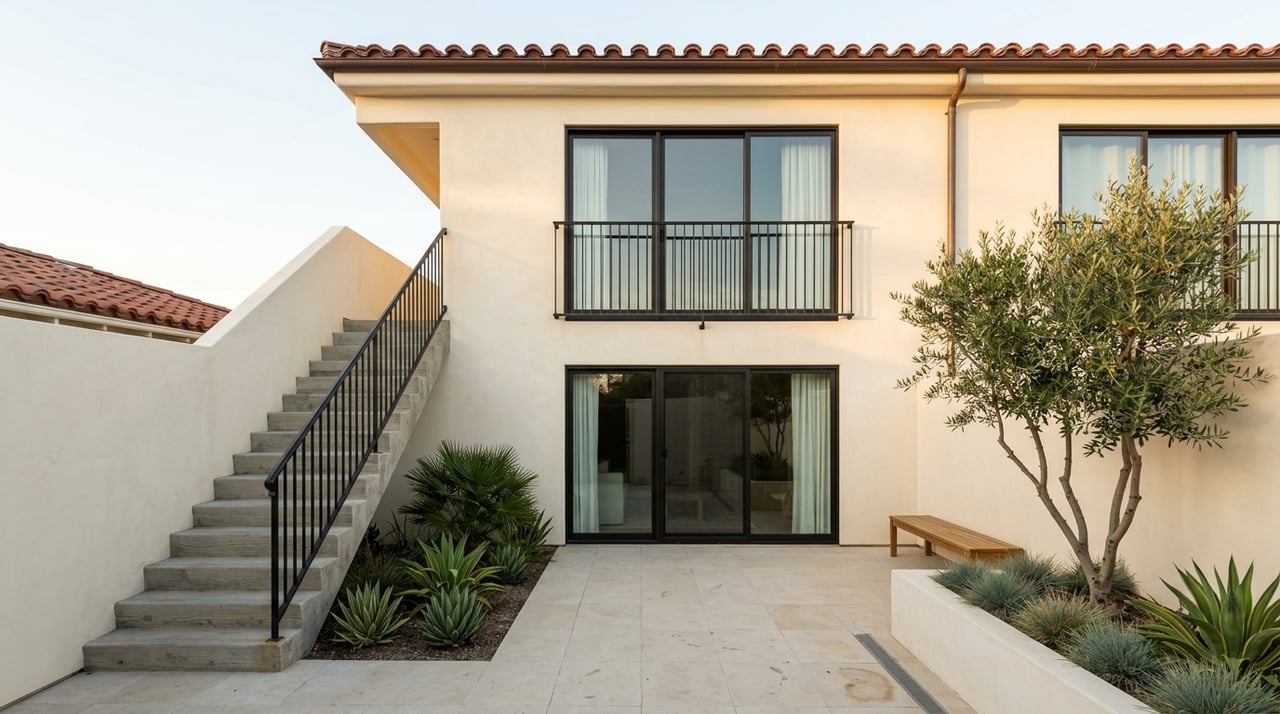
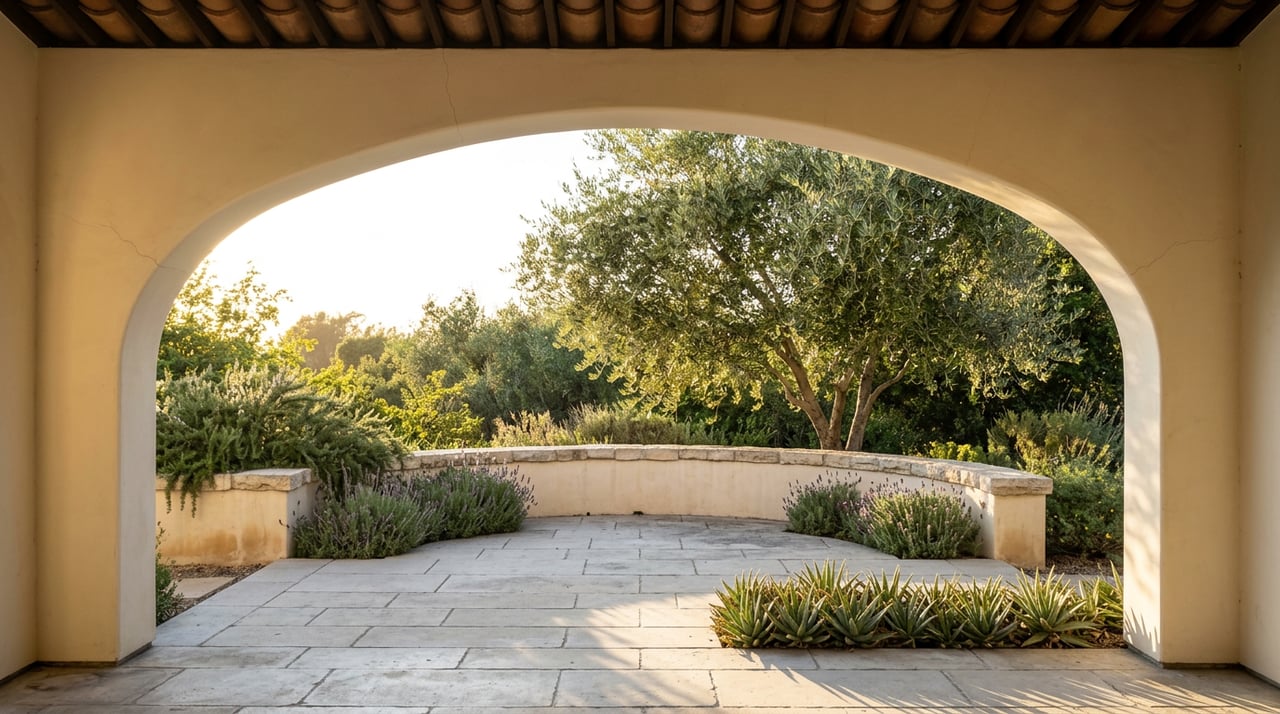
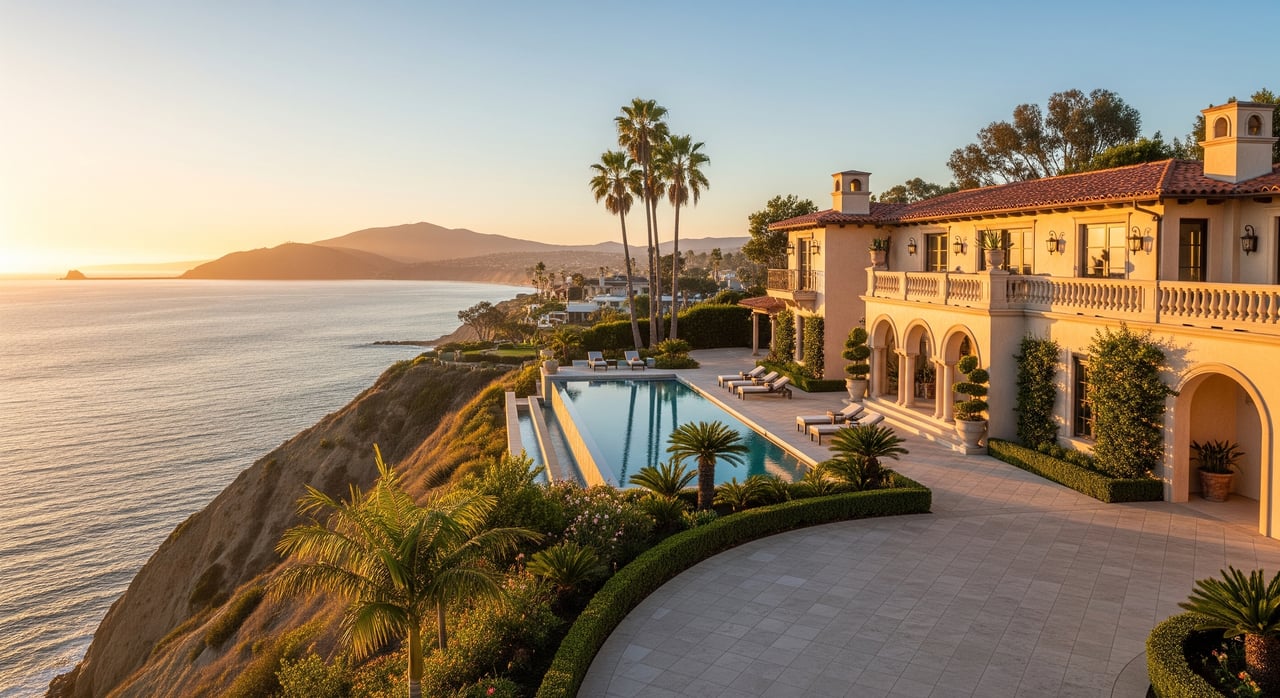
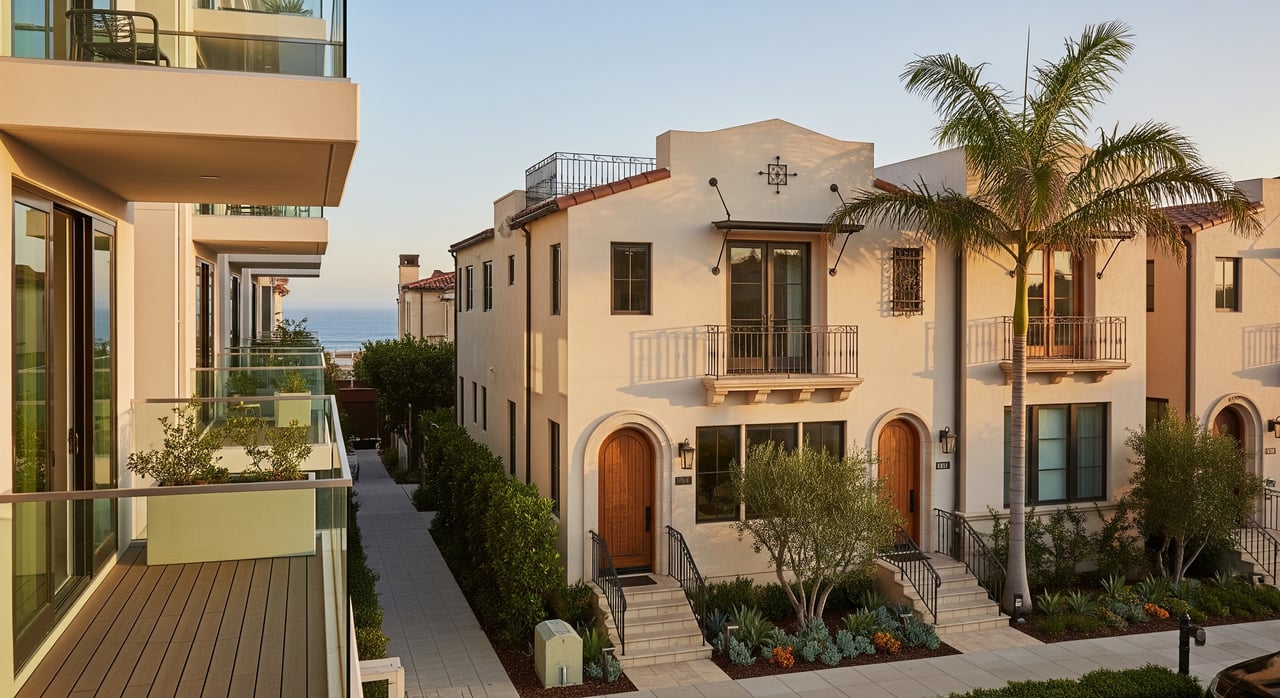
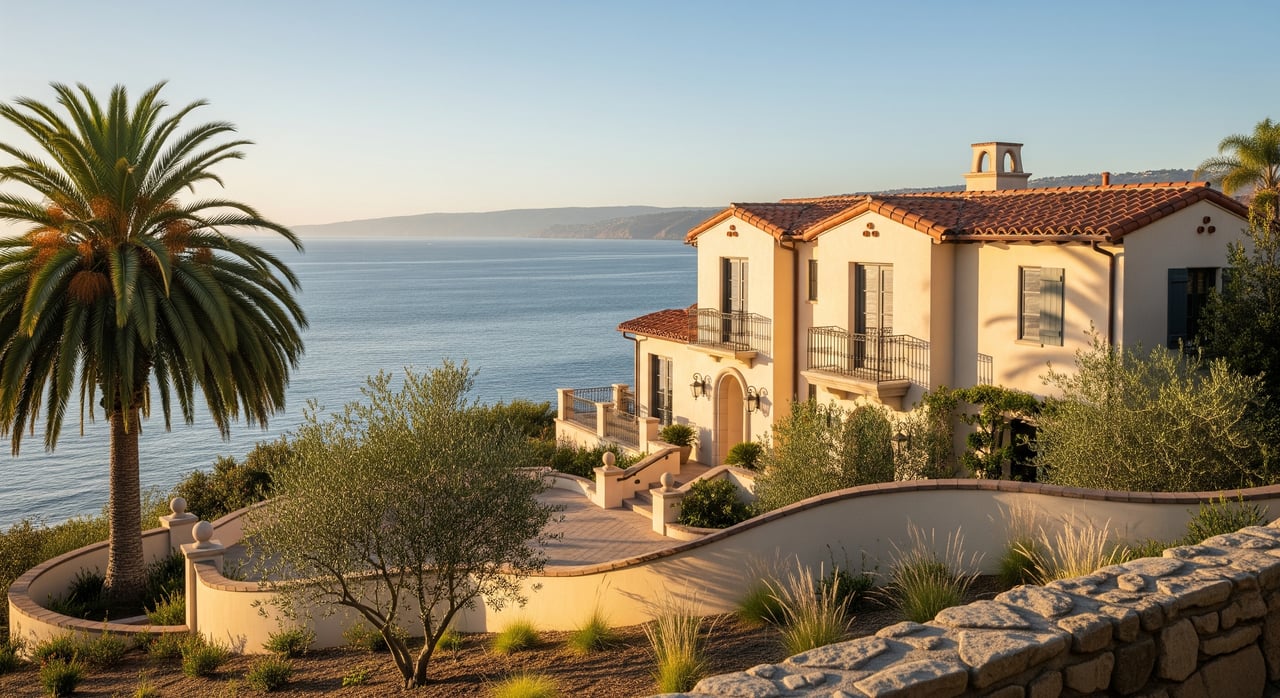
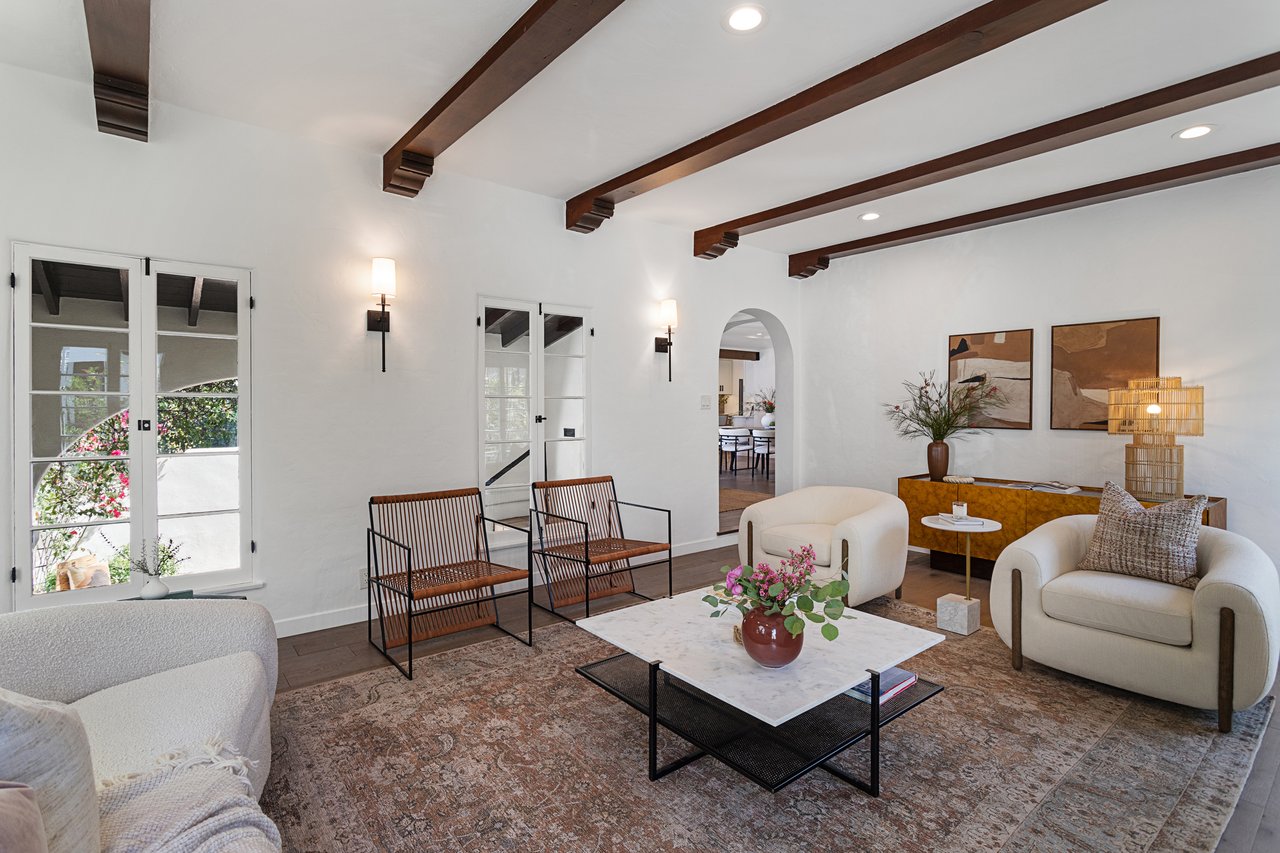
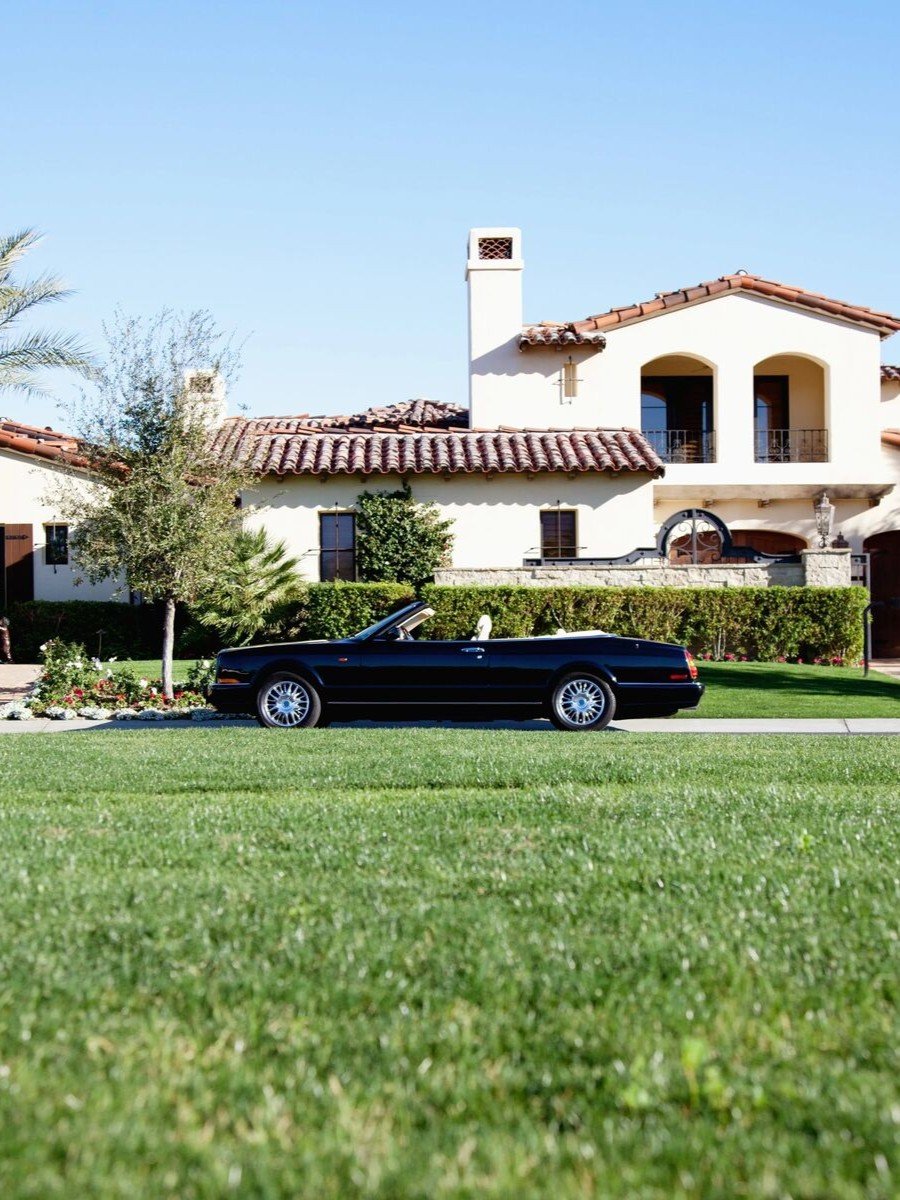
Spanish Colonial Revival is one of the clearest examples. In California, the style is typically associated with stucco walls, low-pitched red-tile roofs, arches, courtyards, wrought iron, and tile accents.
In Santa Monica, examples such as the Miles Memorial Playhouse and the Sovereign Apartment Hotel show why this style remains so recognizable. It often feels sun-washed, textured, and oriented around outdoor space.
The visual language of Spanish Revival
If you are trying to describe your taste before a home search, Spanish Revival is often shorthand for:
- Stucco-clad exteriors
- Red-tile roofing
- Arched openings
- Courtyard-centered layouts
- Decorative iron and tile details
For design-conscious buyers, this style can offer both romance and practicality. It tends to age well visually and often creates memorable curb appeal.
Where Mission Revival fits in
Mission Revival is closely related to Spanish Revival but has its own historic roots. It is often associated with thick white stucco walls, red clay roofs, bell towers, and forms inspired by California missions.
In Santa Monica, Mission Revival appears as part of the city’s broader early-20th-century resort vocabulary rather than as the dominant local style. Still, it adds another layer to the city’s coastal architectural identity.
Colonial Revival and other early layers
Santa Monica’s older housing stock includes more than the styles most buyers name first. Preservation records also describe earlier waterfront homes in Queen Anne Eastlake, Shingle Style, and Colonial Revival.
That matters because it reinforces an important point: Santa Monica is not architecturally one-note. Its historic neighborhoods developed over time, and many blocks reflect that gradual evolution rather than a single planning era.
For buyers, this means you may find a surprising mix of home types within a relatively small area. For sellers, it means your home’s architectural character can be part of a broader local story that buyers already value.
Postwar Santa Monica expanded the style mix
Santa Monica’s design story continues well beyond the prewar era. The city’s historic-resources analysis identifies a wide range of styles and building types, including Craftsman, Period Revival, and Mid-Century Modern, along with duplexes, triplexes, fourplexes, bungalow courts, apartment houses, courtyard apartments, and some 1960s and 1970s towers.
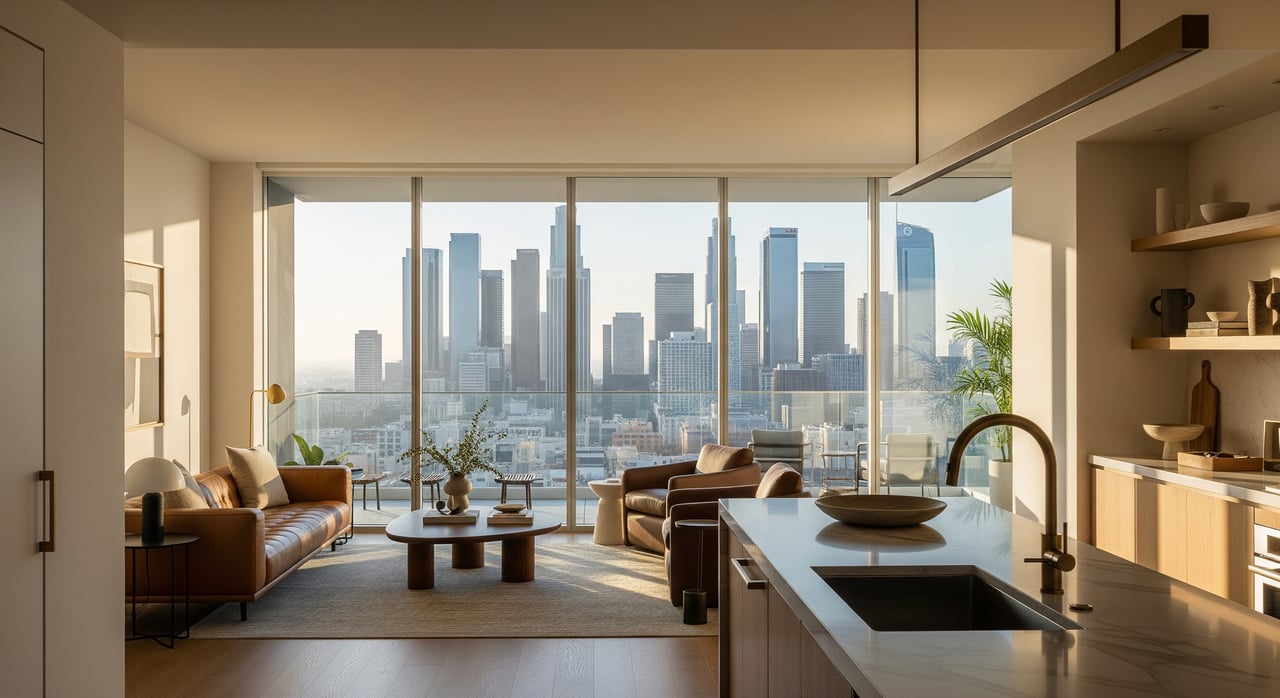
This is especially important if you are searching for a condo, townhome, or multifamily property. In Santa Monica, the lived experience of the city comes as much from apartment and condo stock as it does from single-family homes.
Certain areas make that especially visible. The San Vicente Boulevard Courtyard Apartments Historic District is identified by the city as a rare contiguous concentration of courtyard housing, while the Montana Avenue multifamily district includes Minimal Traditional, American Colonial Revival, Mid-Century Modern, and Ranch properties.
Mid-Century Modern brings a clean, coastal edge
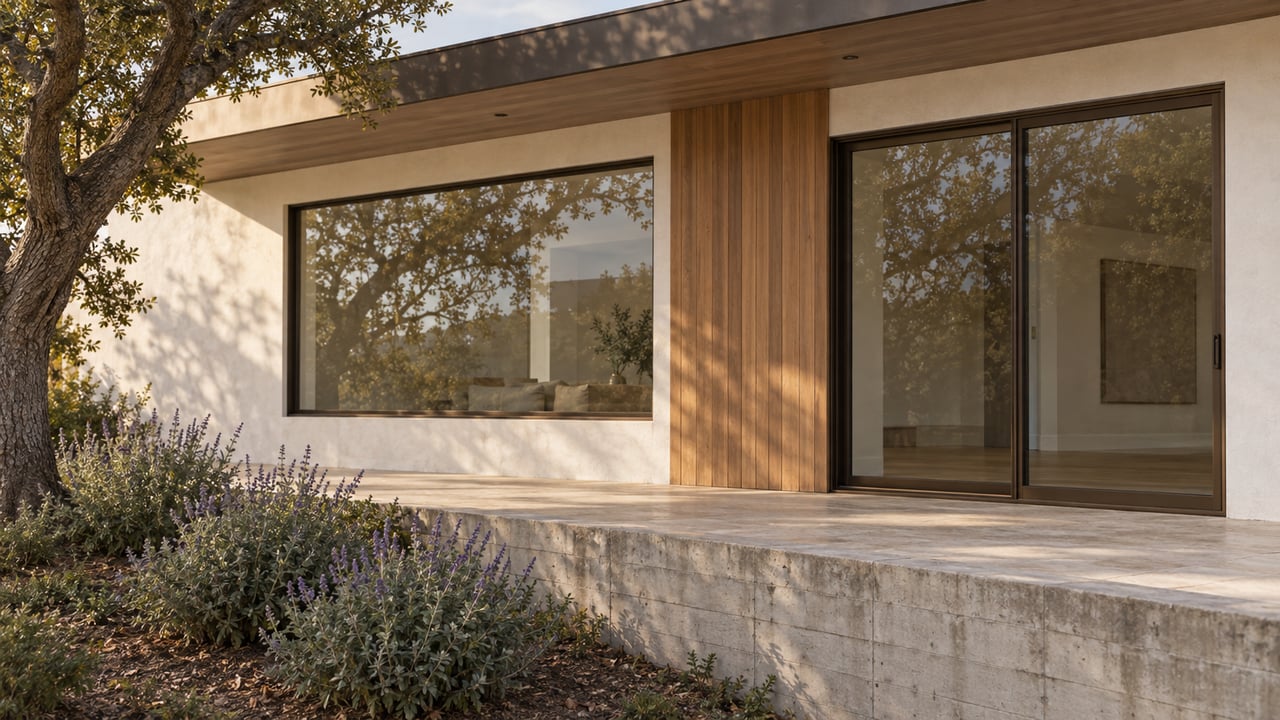
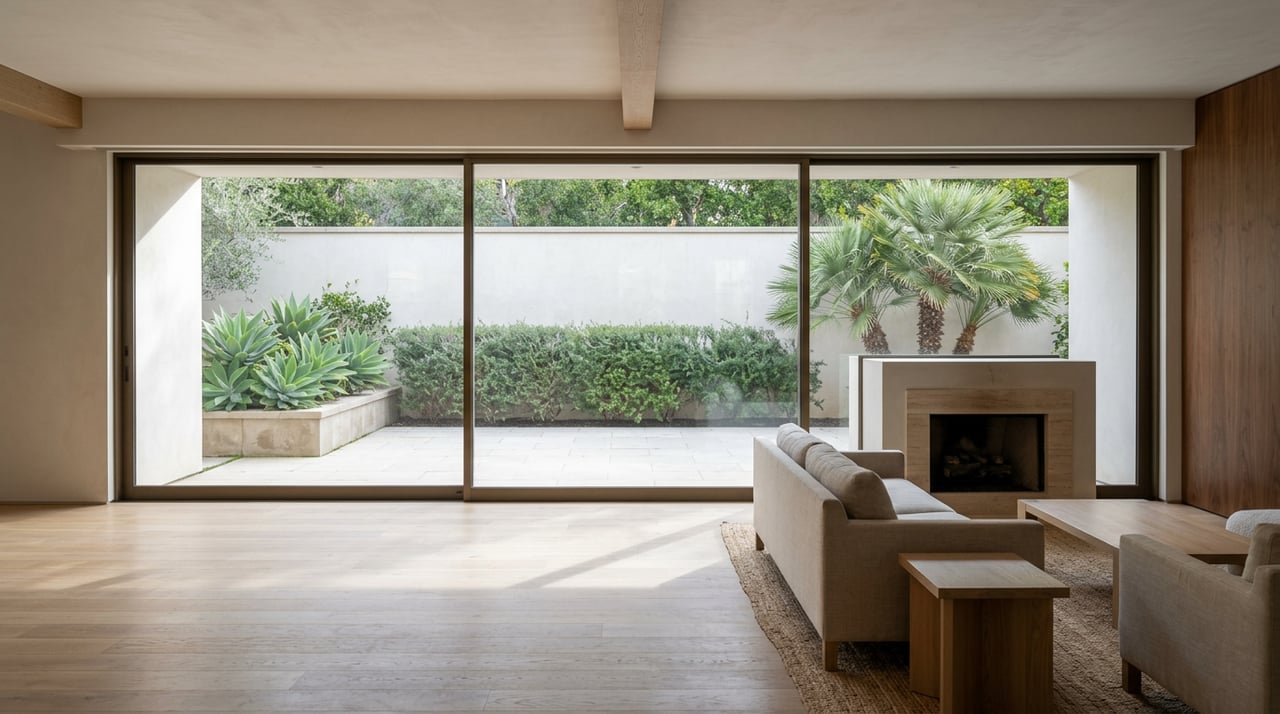
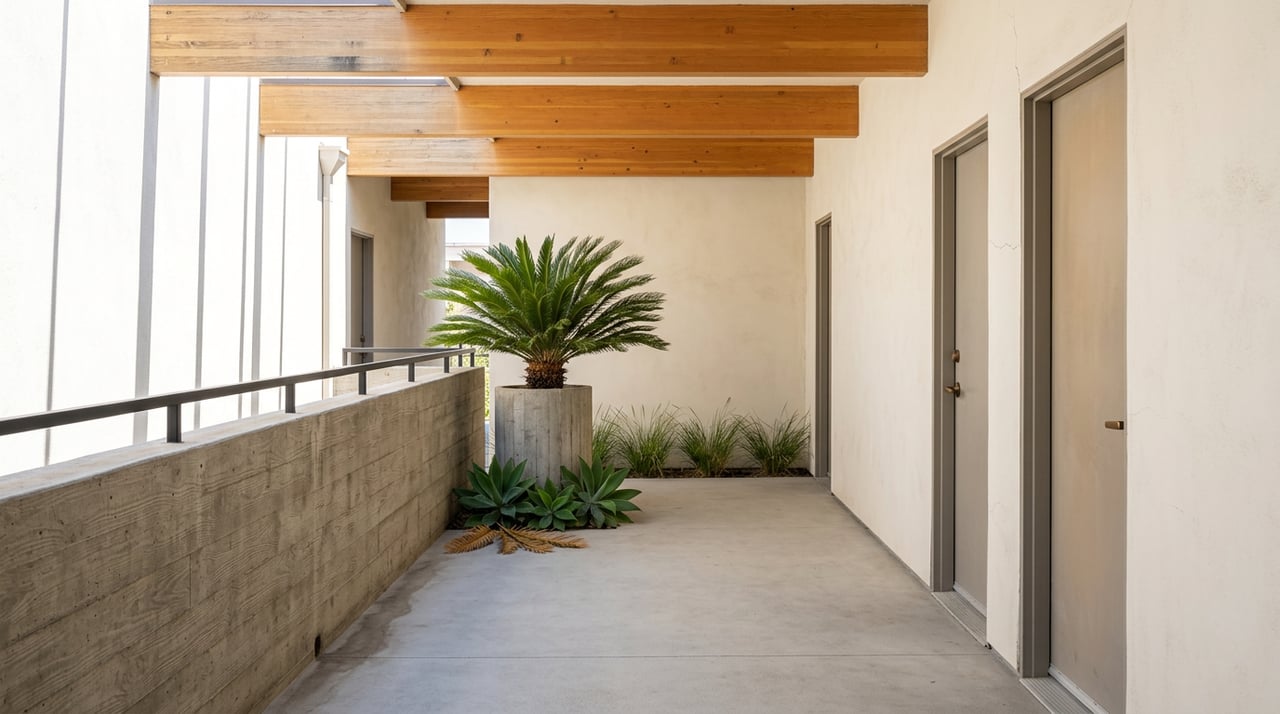
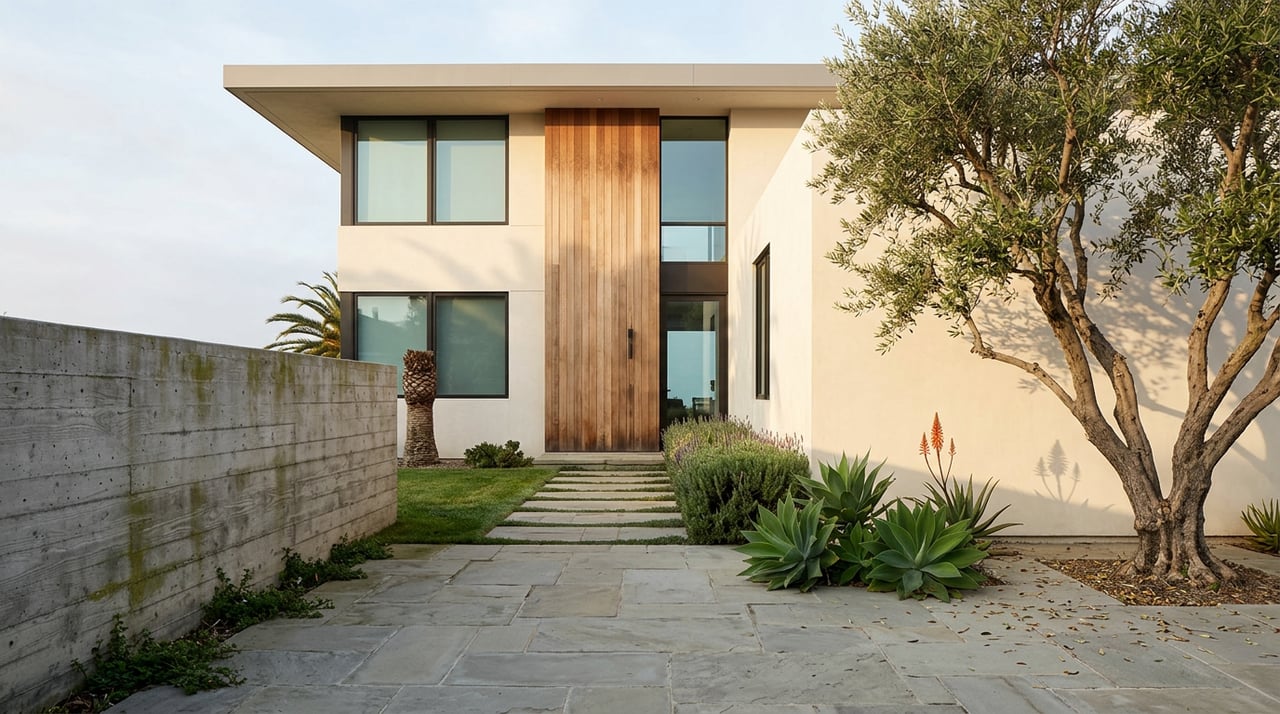
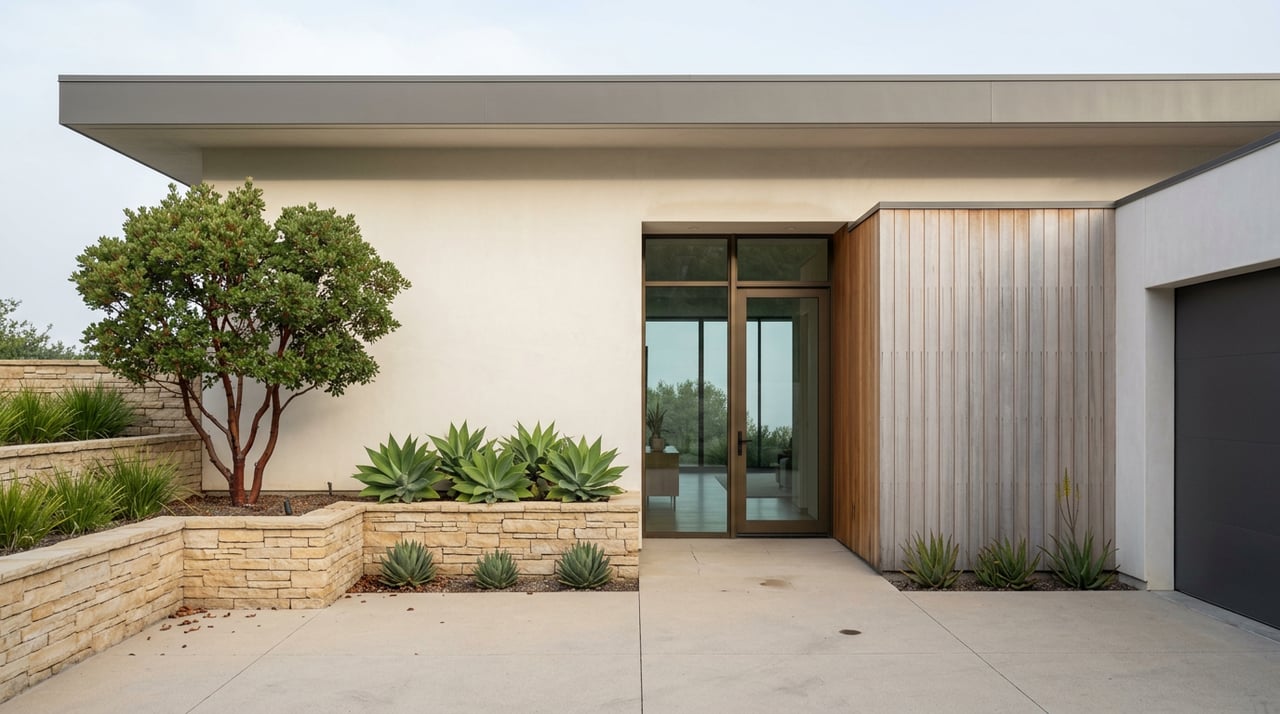
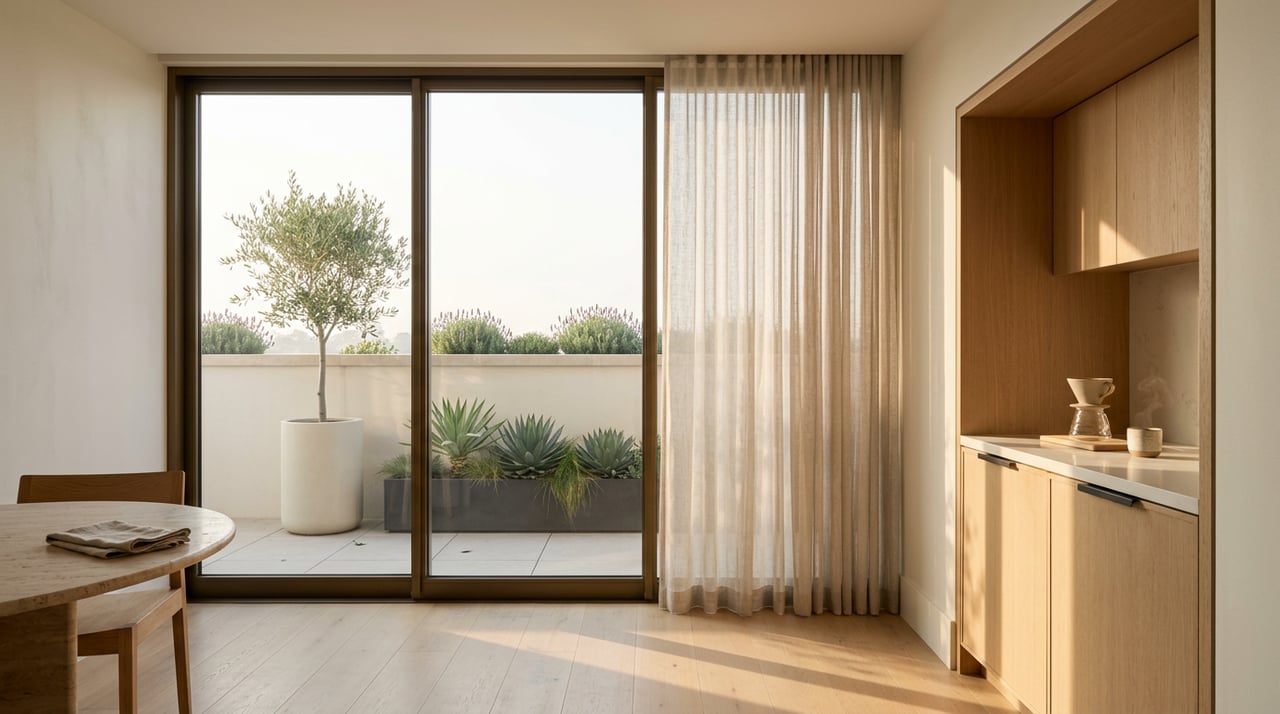
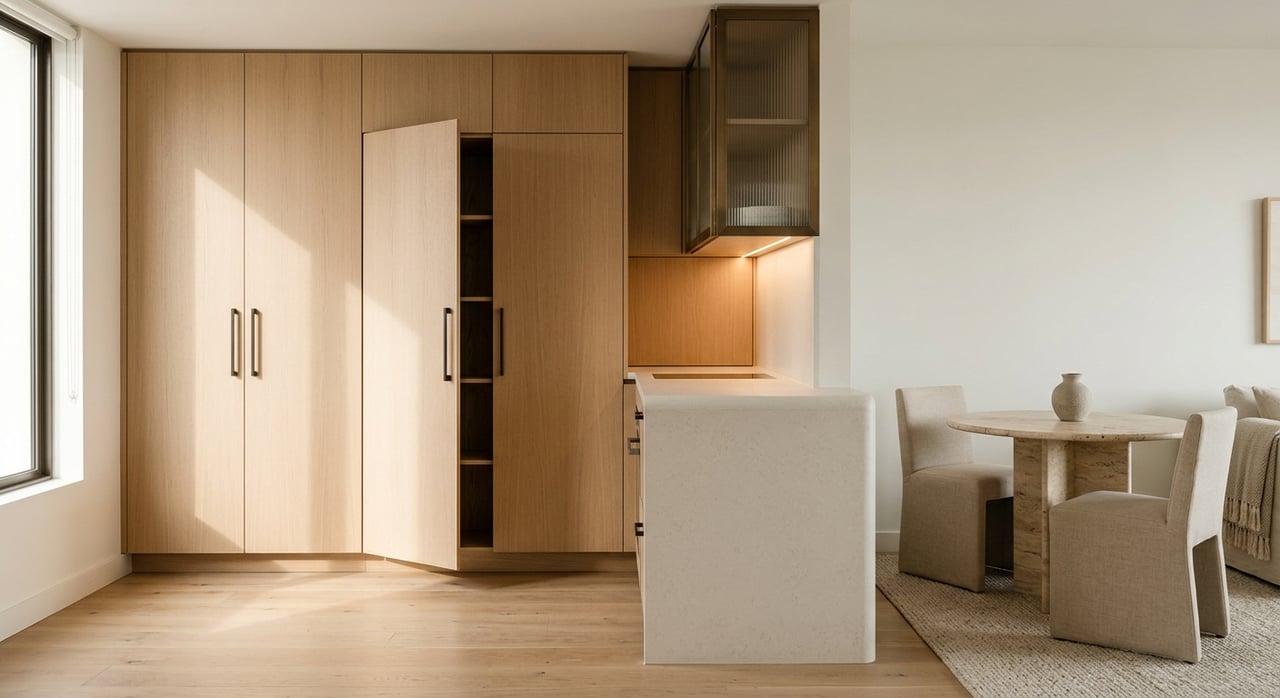
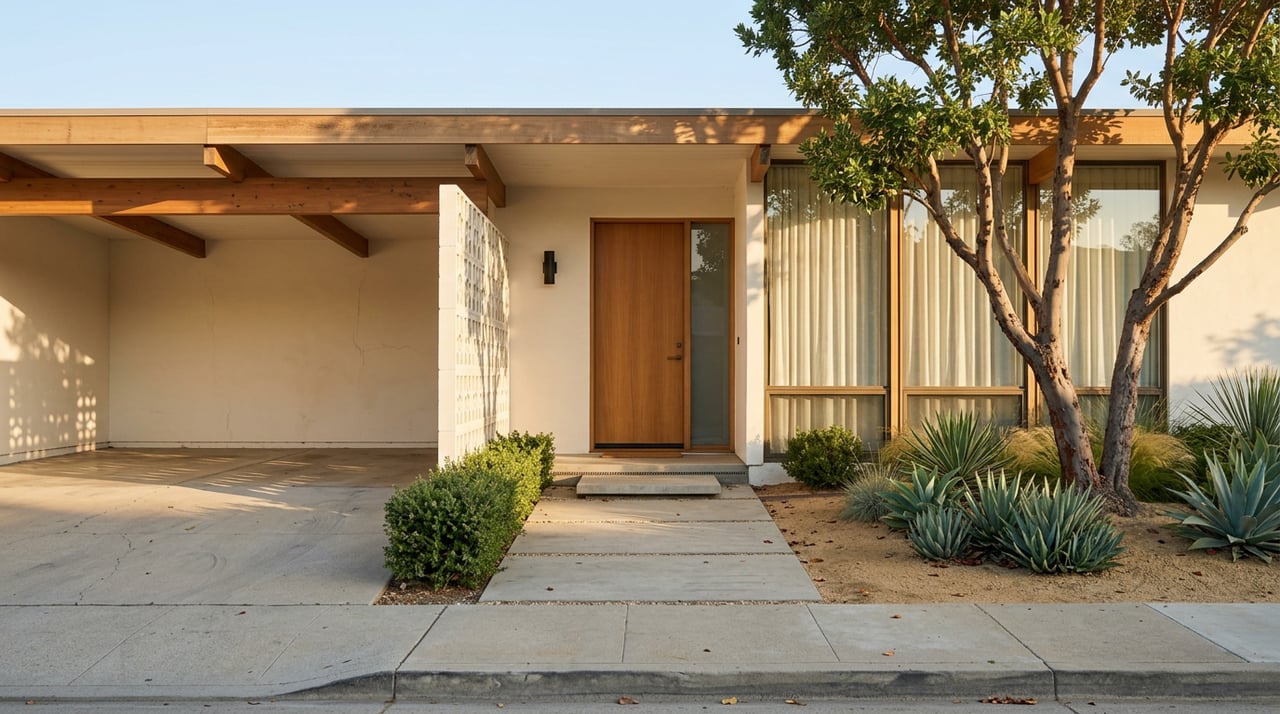
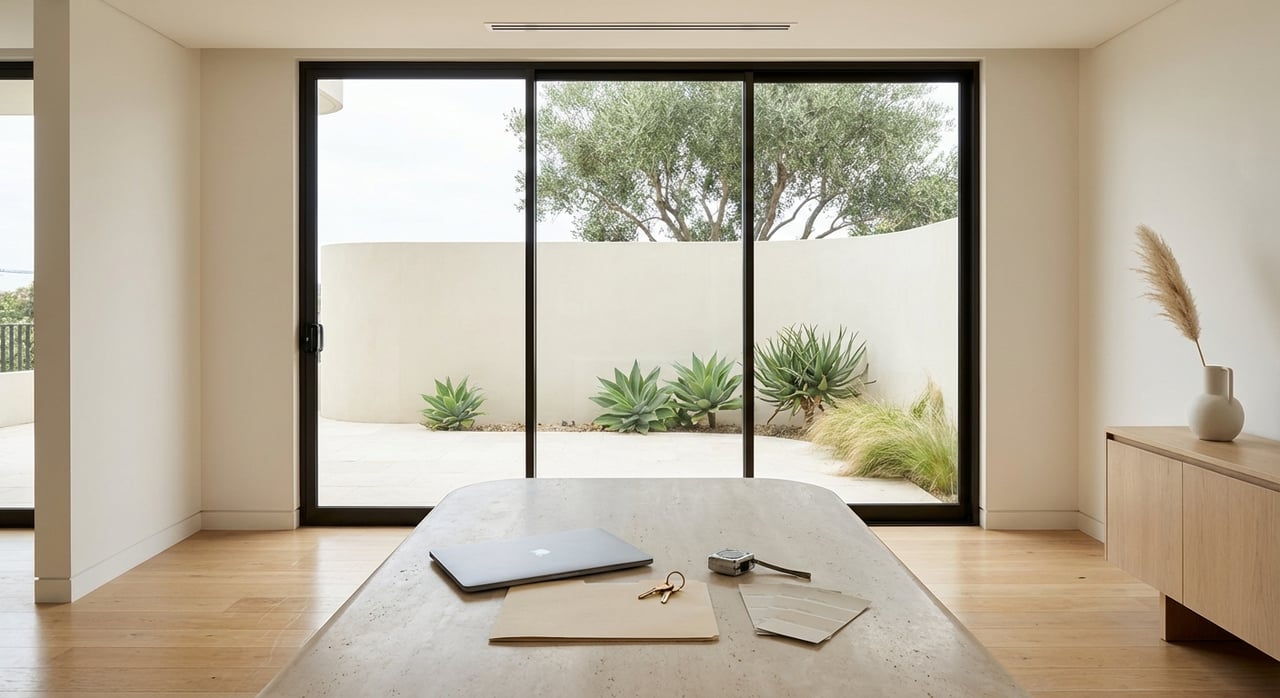
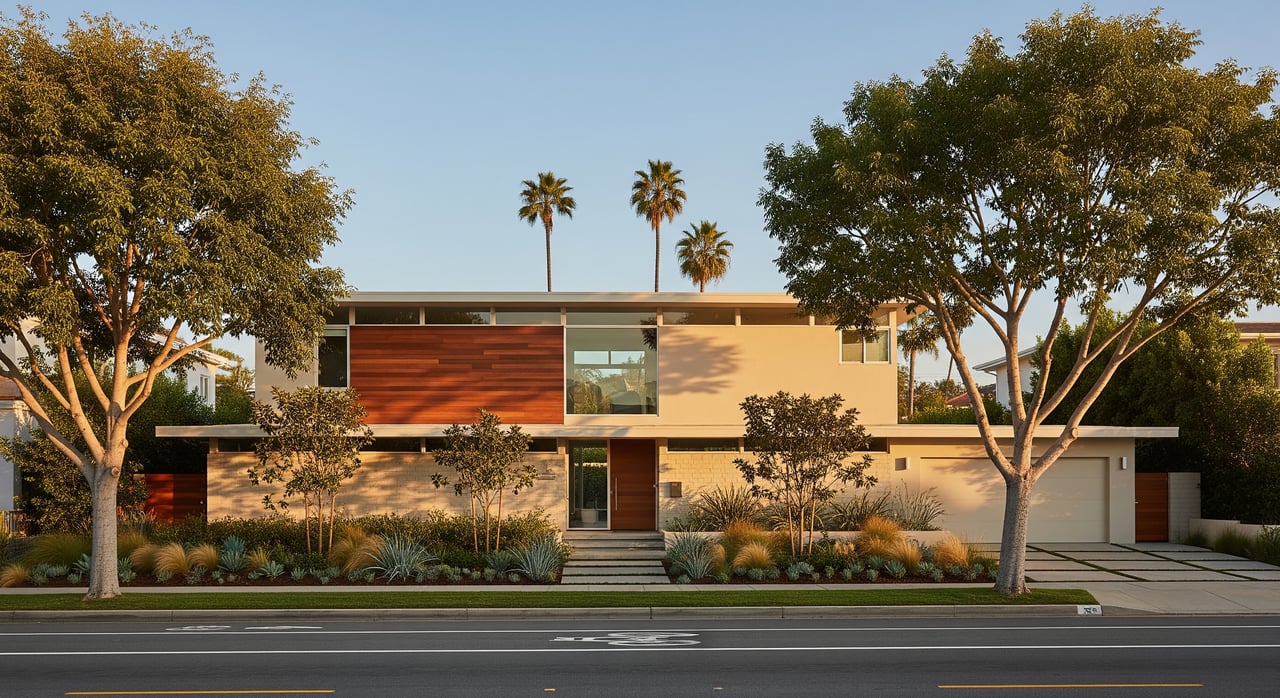
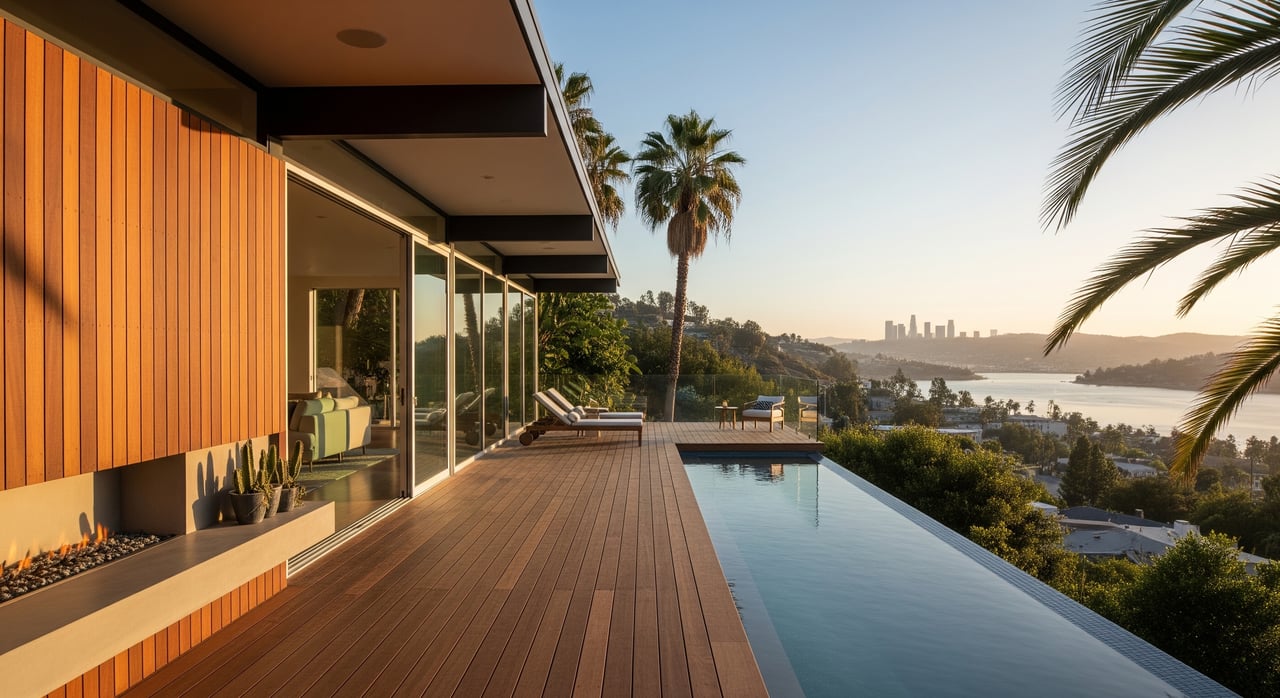
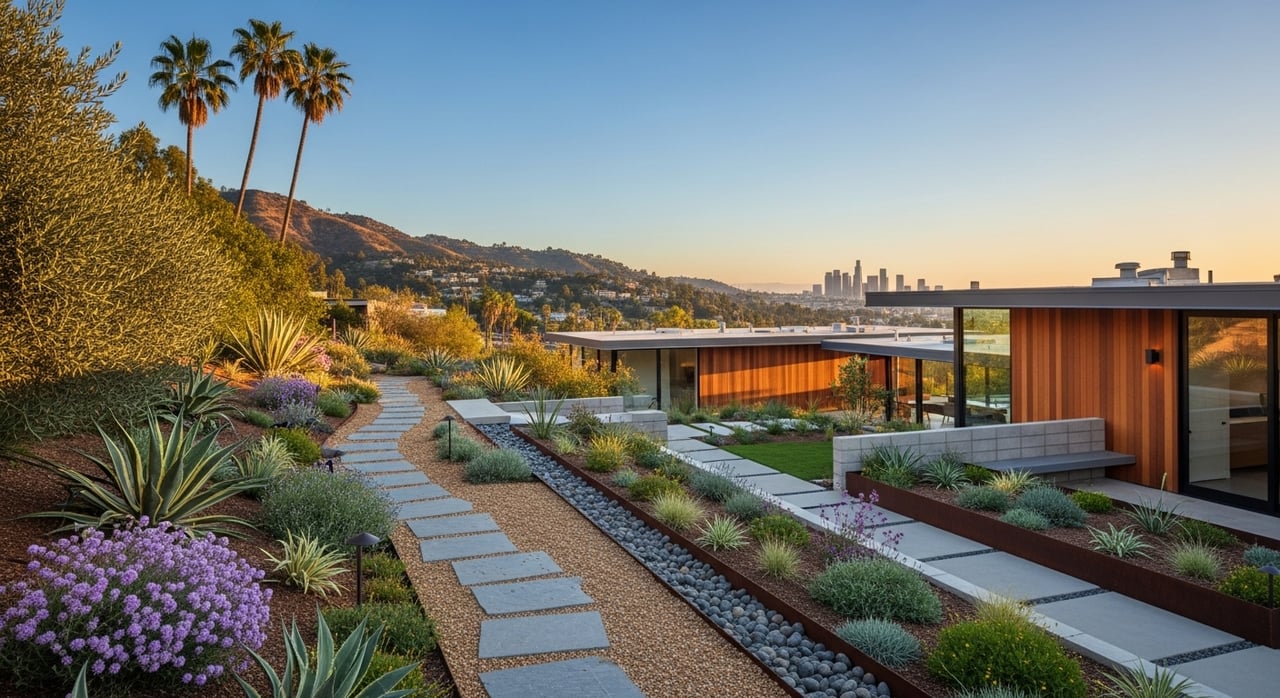
Mid-Century Modern is one of the most useful style categories for understanding postwar Santa Monica. The style is generally associated with clean lines, functional layouts, organic shapes, expansive windows, smooth wall surfaces, flat roofs, and minimal ornament.
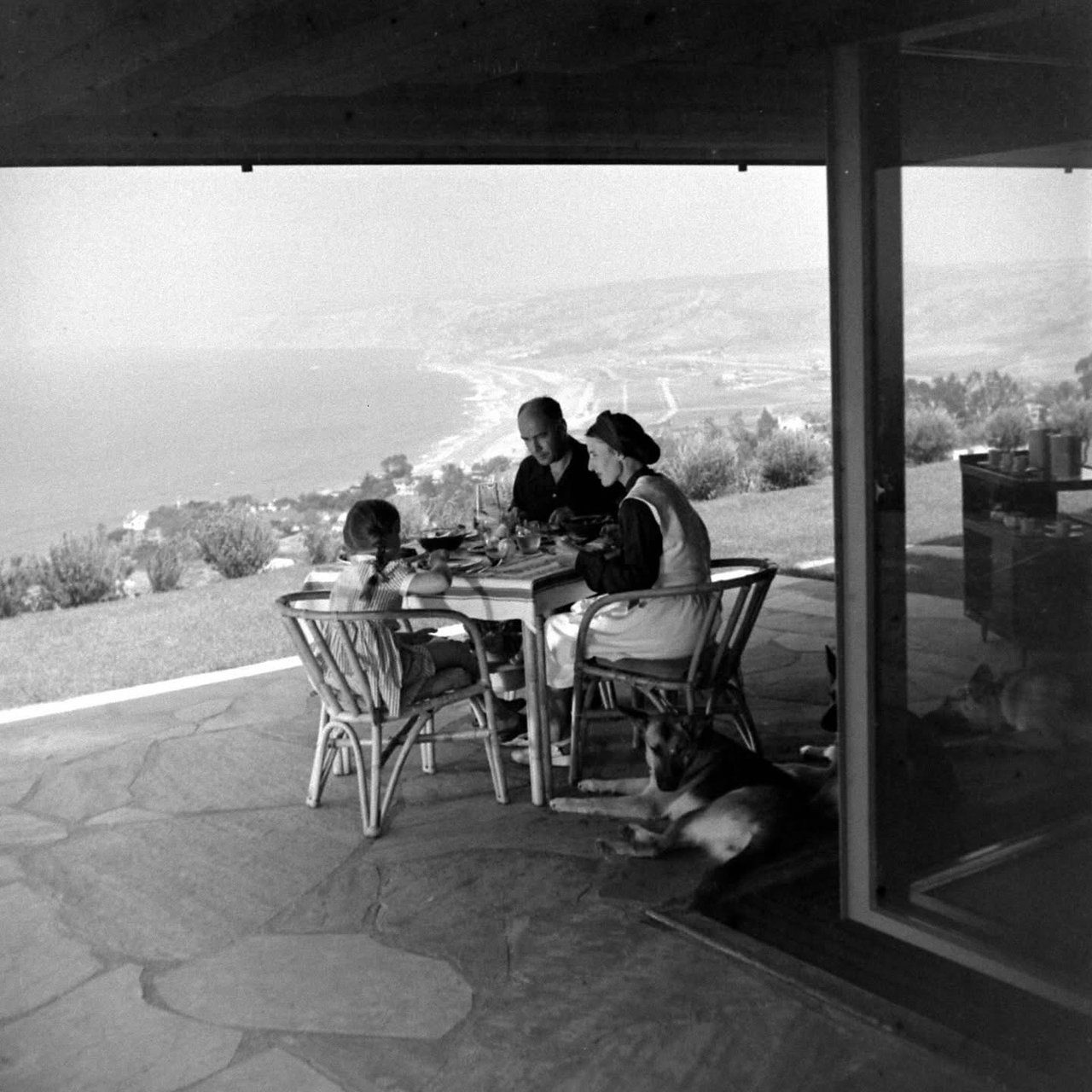
In Santa Monica, the Camera Obscura’s mid-century modern home in Palisades Park and the city’s references to the Case Study House tradition help show how modernist ideas became part of the local design vocabulary. This architecture often feels light-filled, understated, and closely tied to indoor-outdoor living.
For buyers, mid-century homes can be especially appealing when you want clarity instead of decoration. For sellers, these properties often benefit from presentation that highlights volume, natural light, and original design intent.
Common mid-century cues
You may be looking at a mid-century or modernist-influenced property if you notice:
- Flat or low-sloped roofs
- Large windows or glass walls
- Minimal exterior ornament
- Clean, horizontal lines
- Open, functional planning
These details can feel especially at home in a coastal city where light, breeze, and outdoor connection matter.
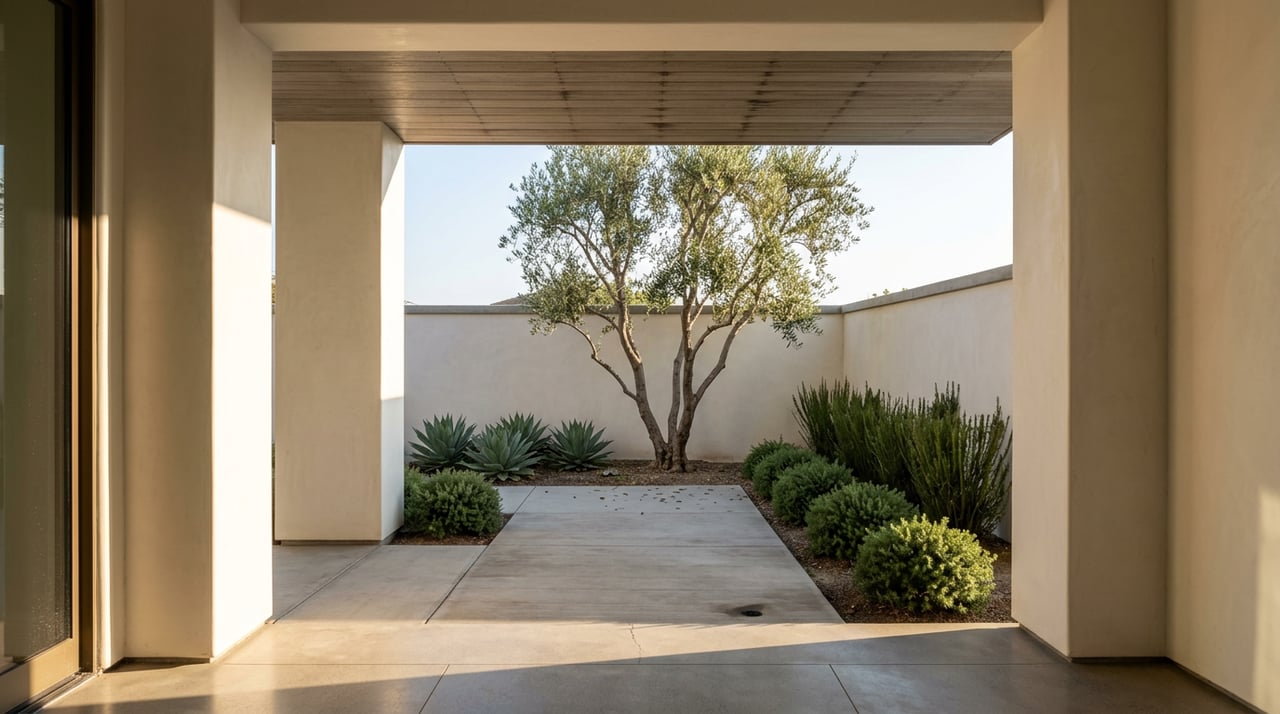
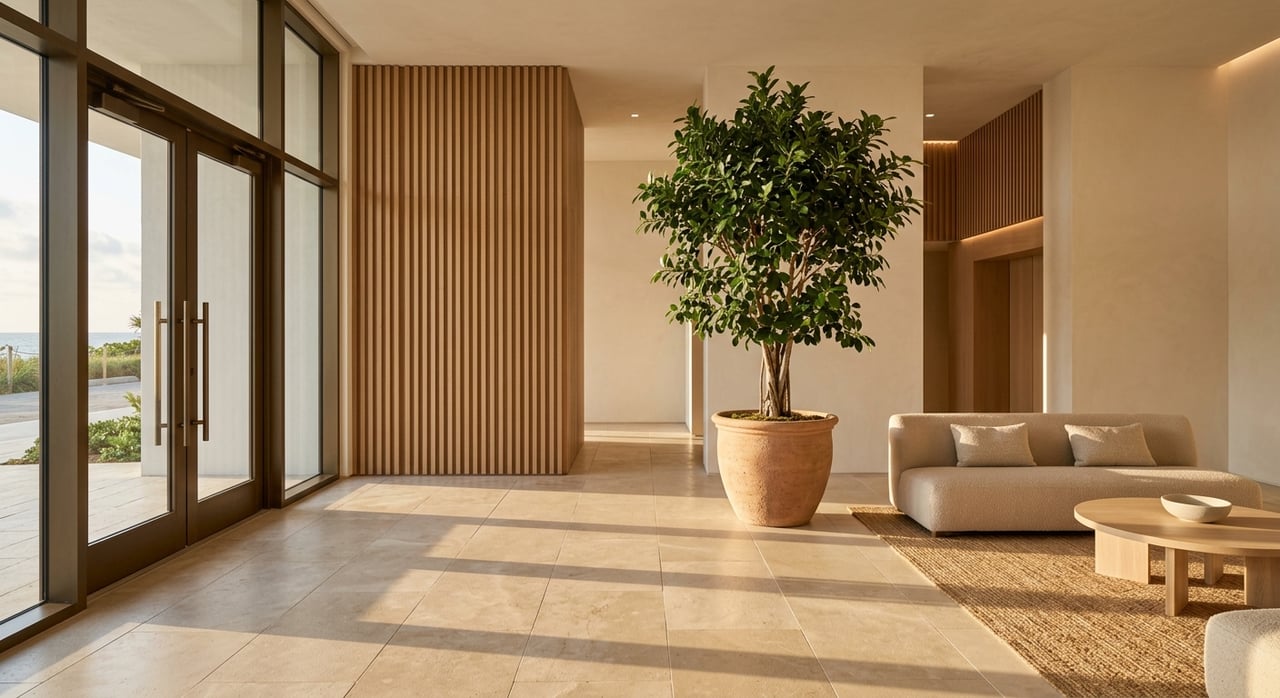
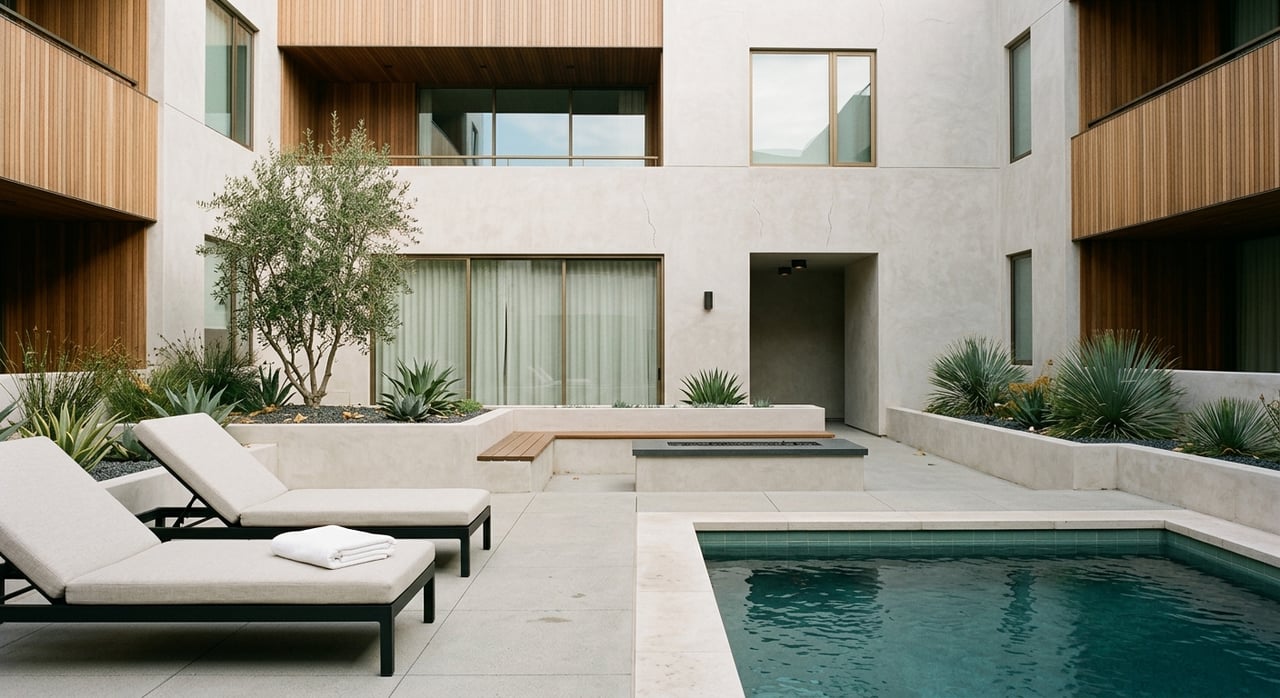
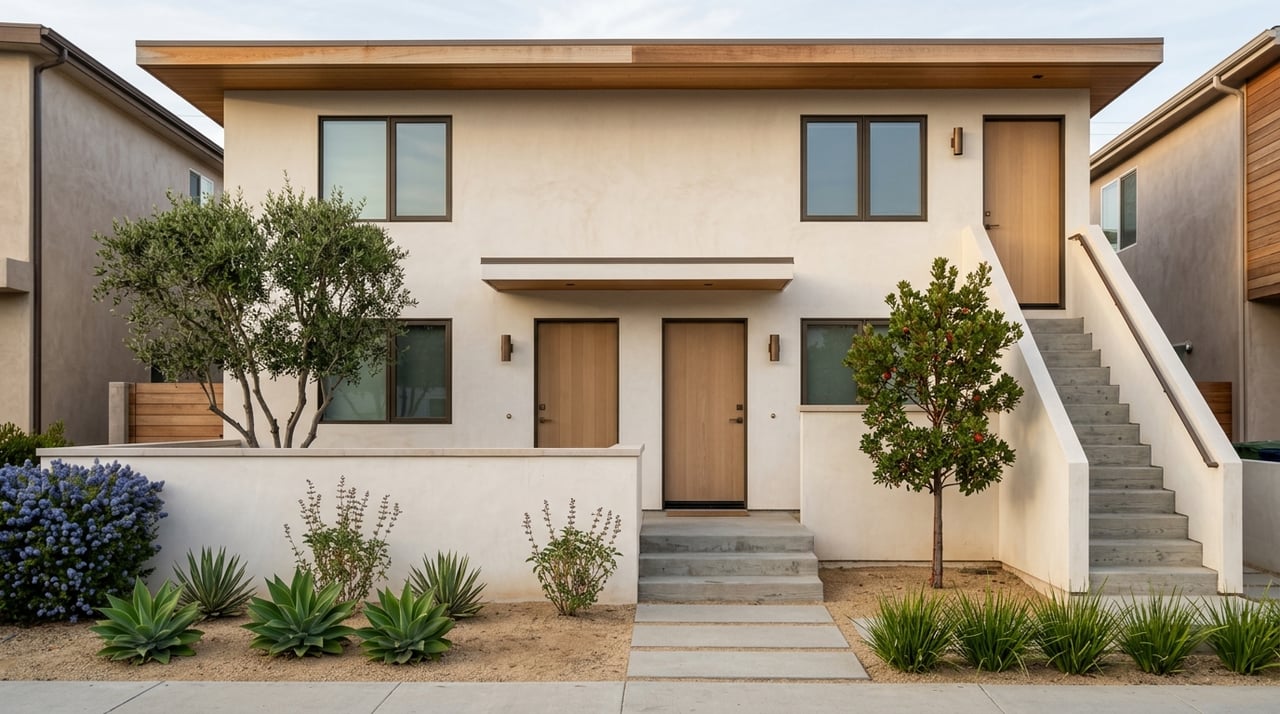
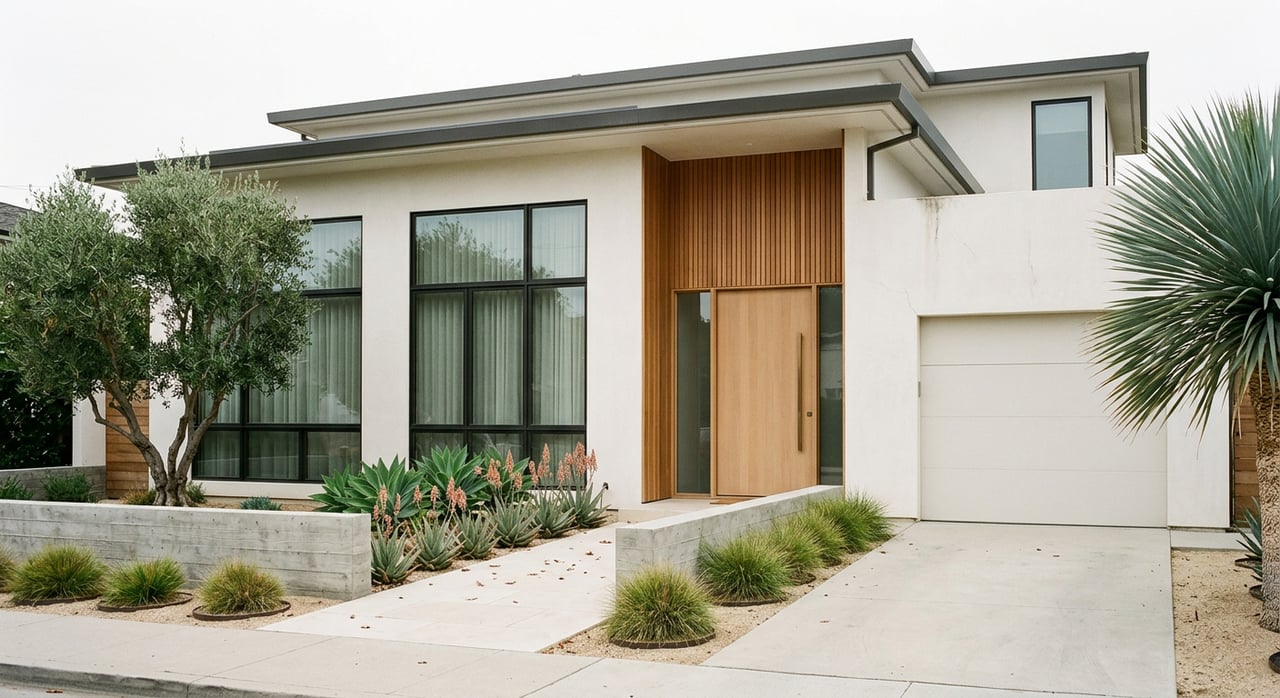
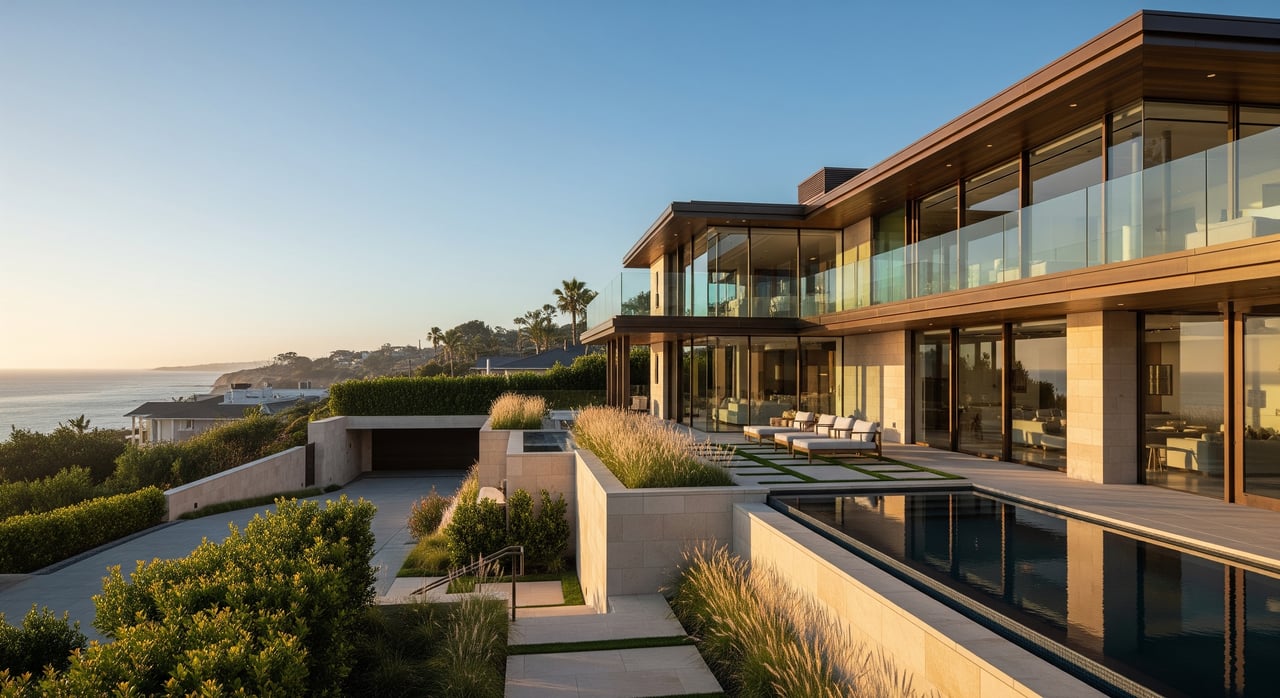
Contemporary coastal homes reflect city review standards
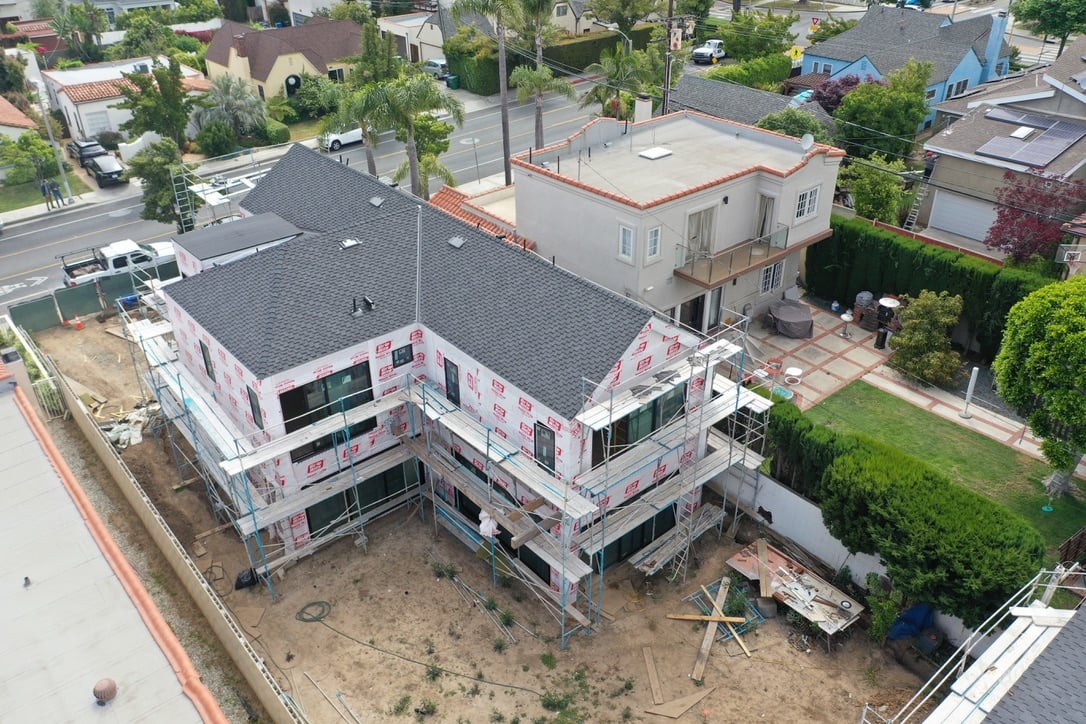
Newer construction in Santa Monica tends to be less about one historic style and more about context. The city’s Architectural Review Board focuses on compatibility, quality, material choices, color, sustainability, and how projects fit their surroundings.
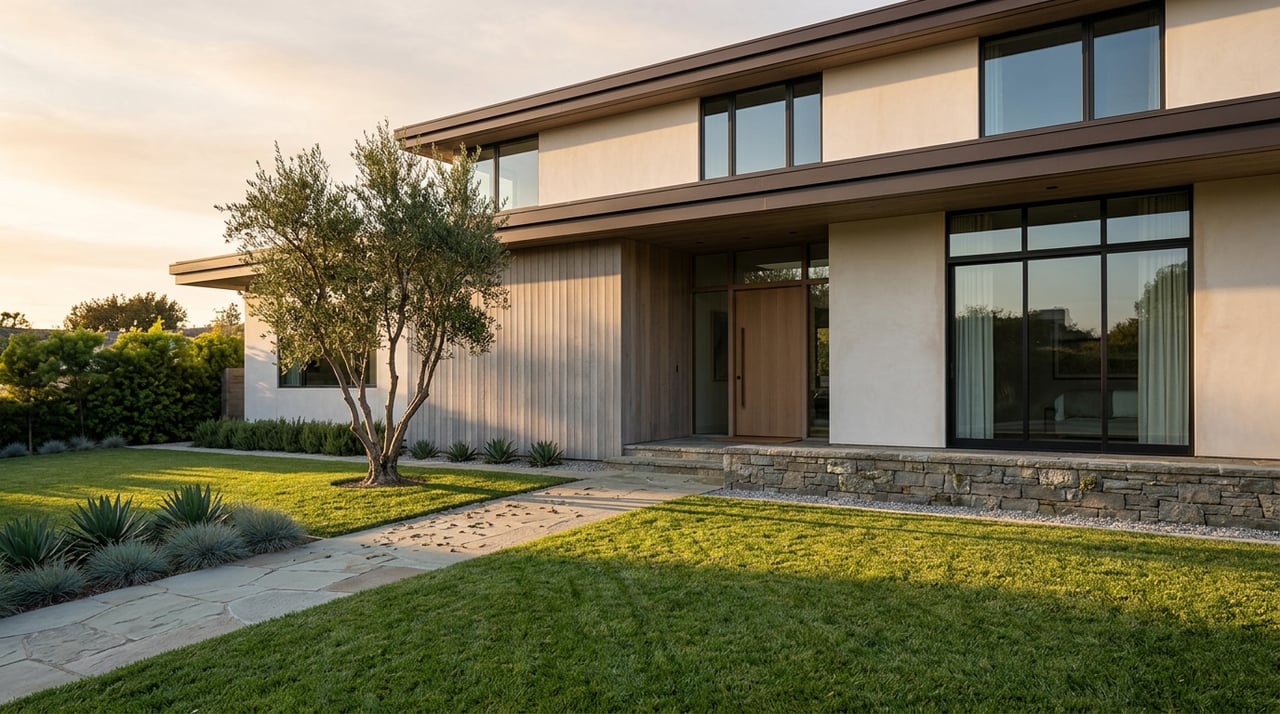
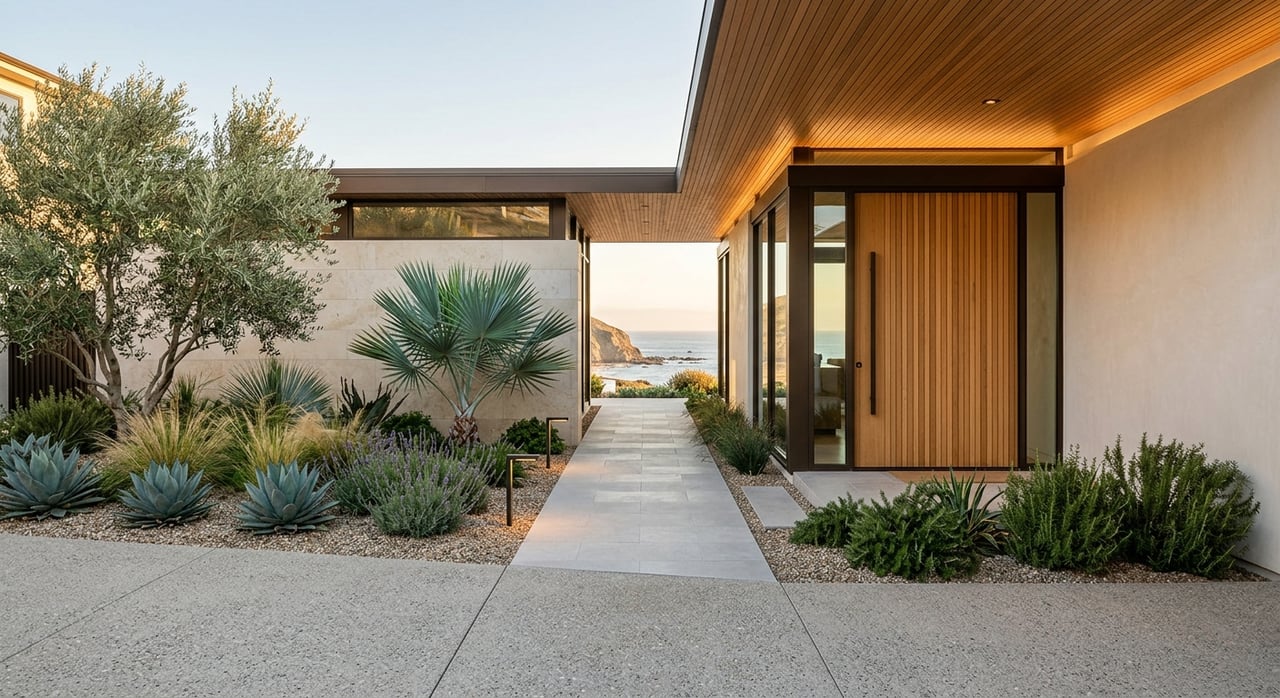
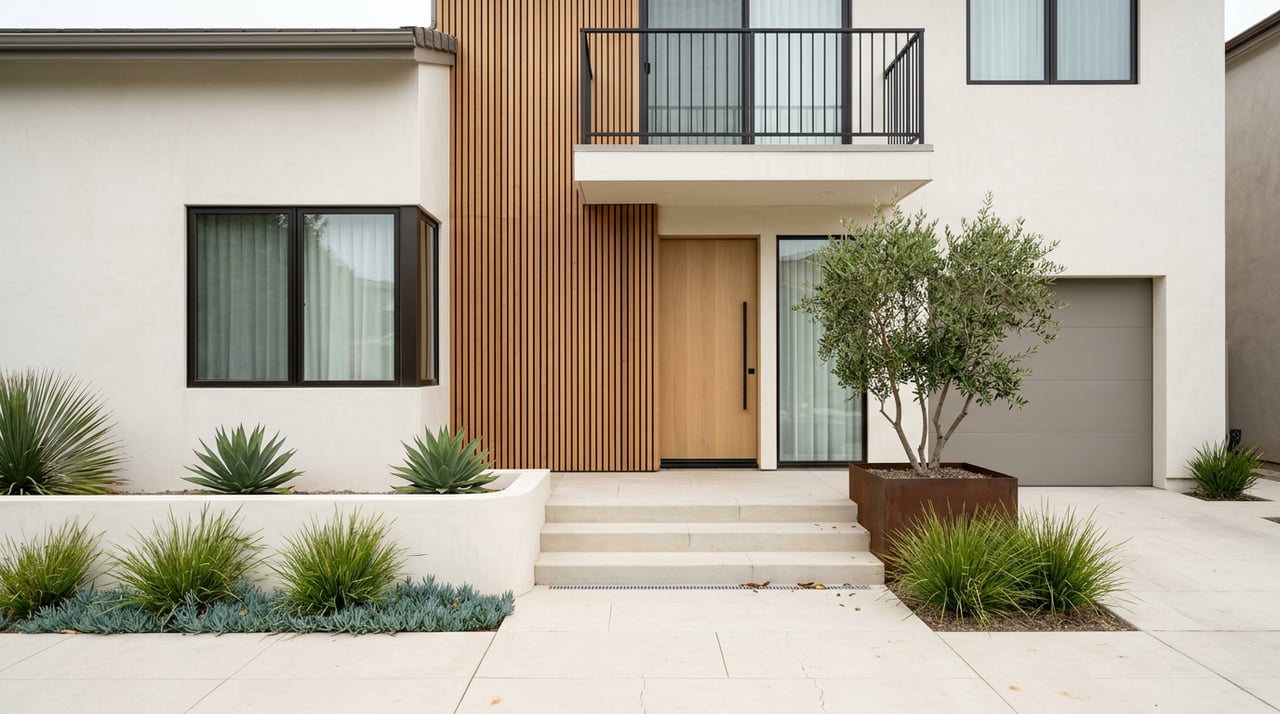
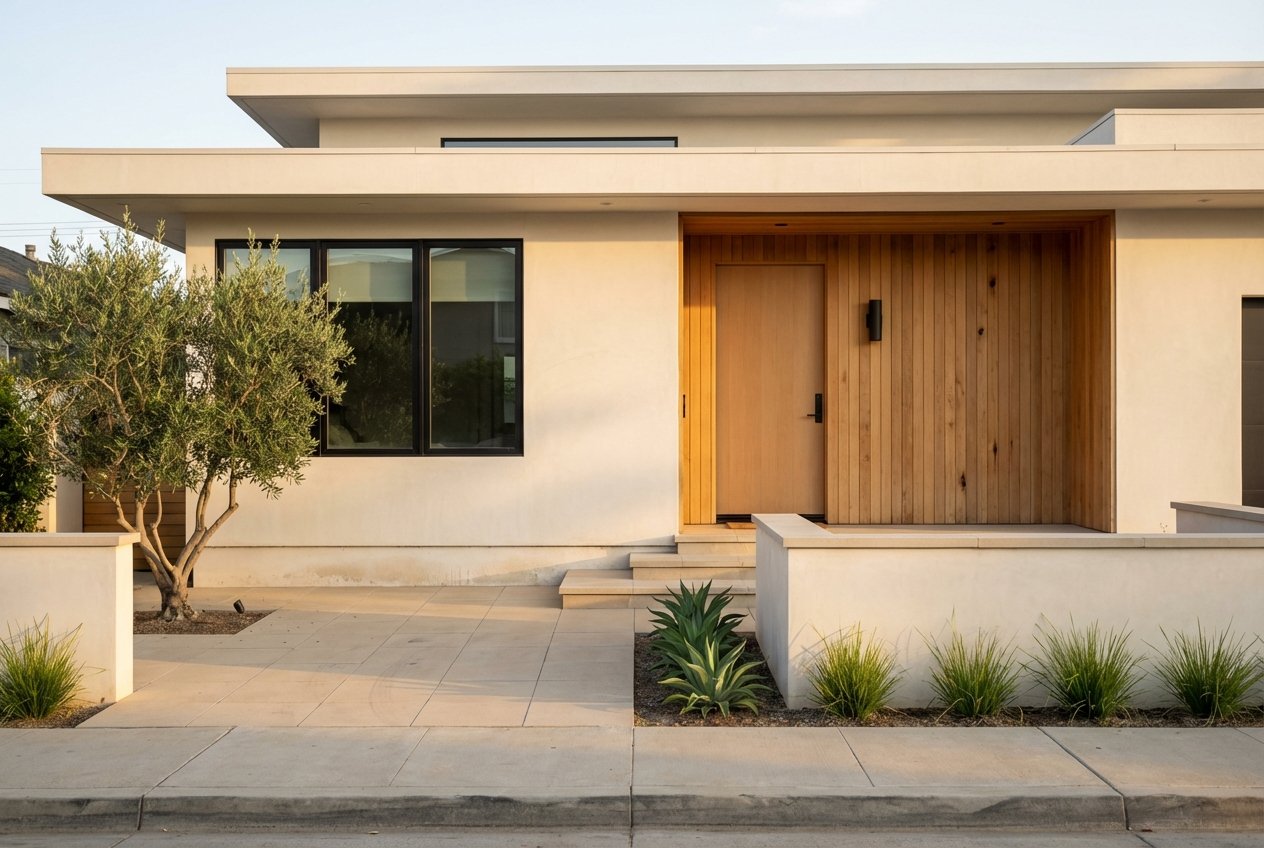
City design work also emphasizes façades, transparency, materials, windows, landscaping, and street engagement. Taken together, these standards help explain why many newer homes in Santa Monica read as contemporary coastal.
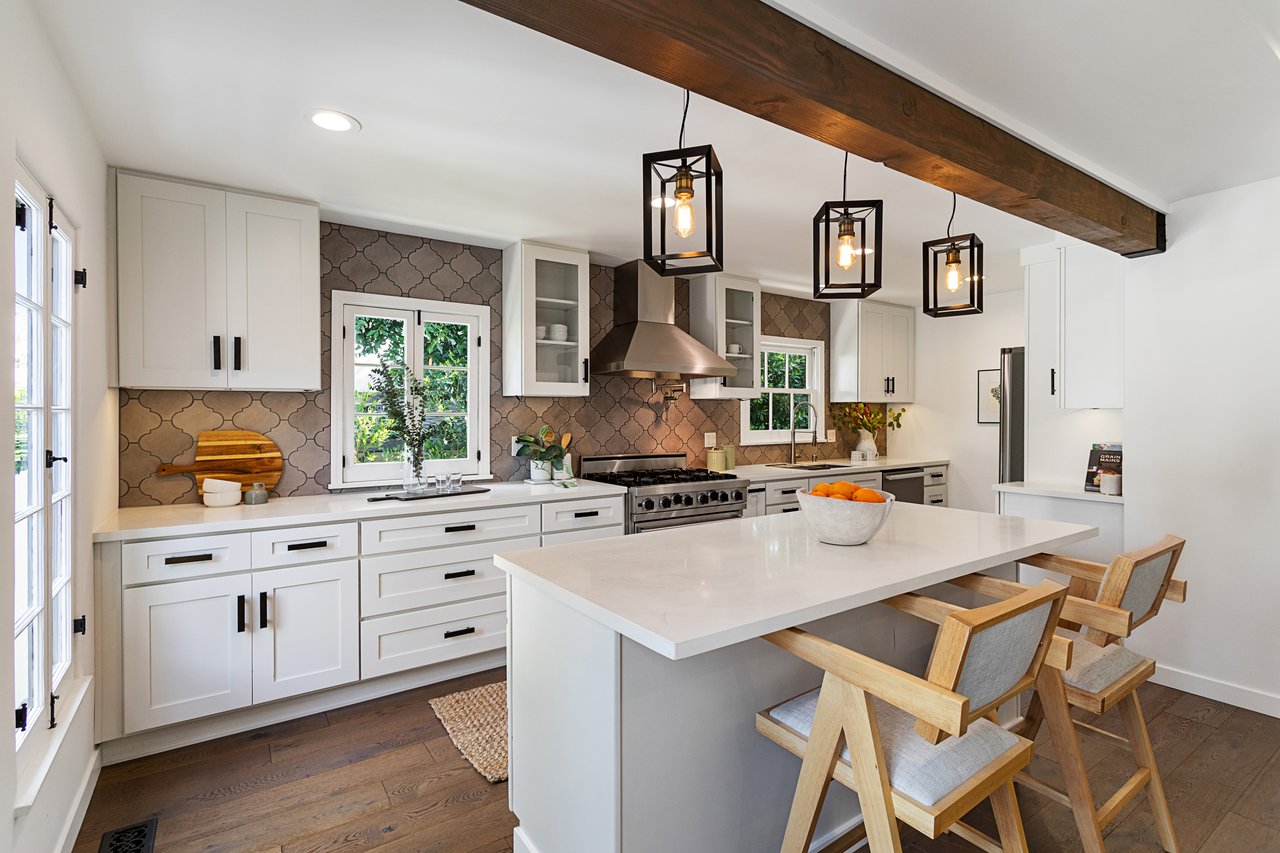
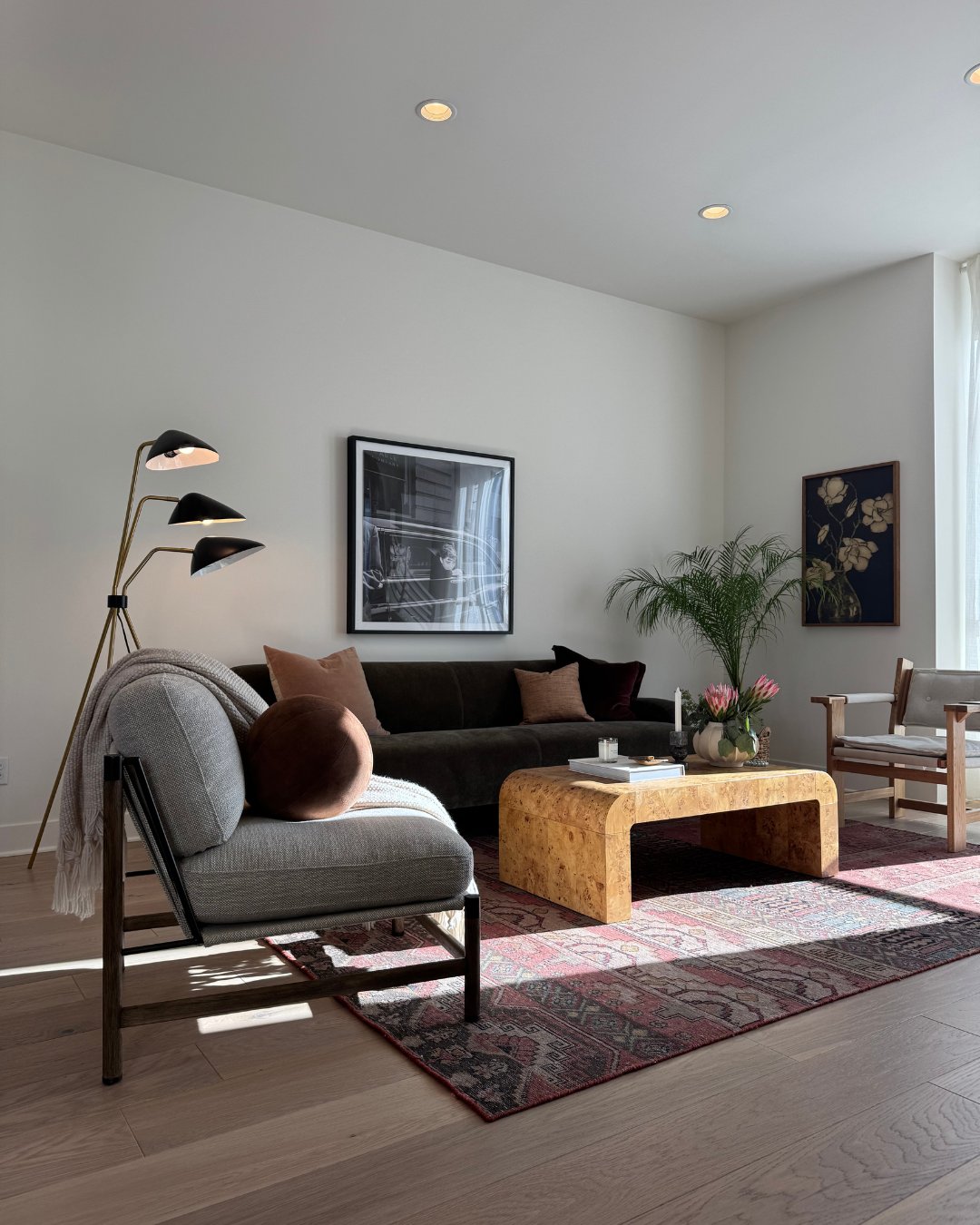
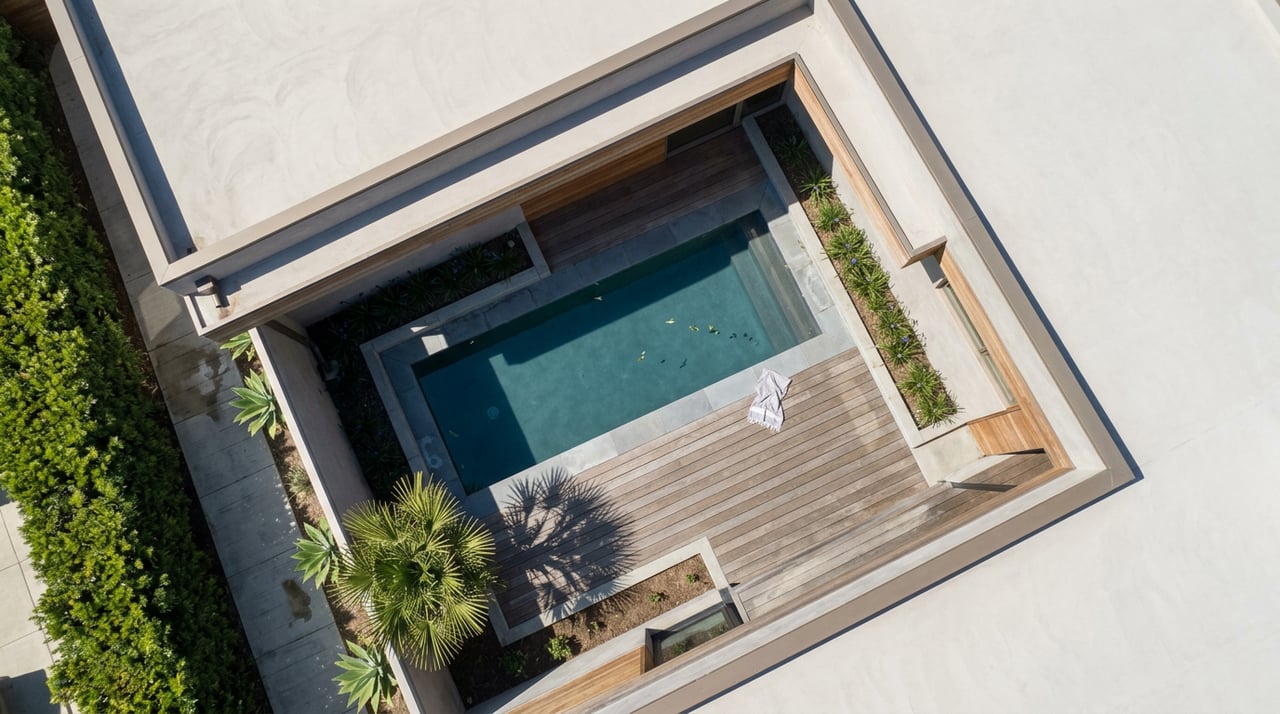
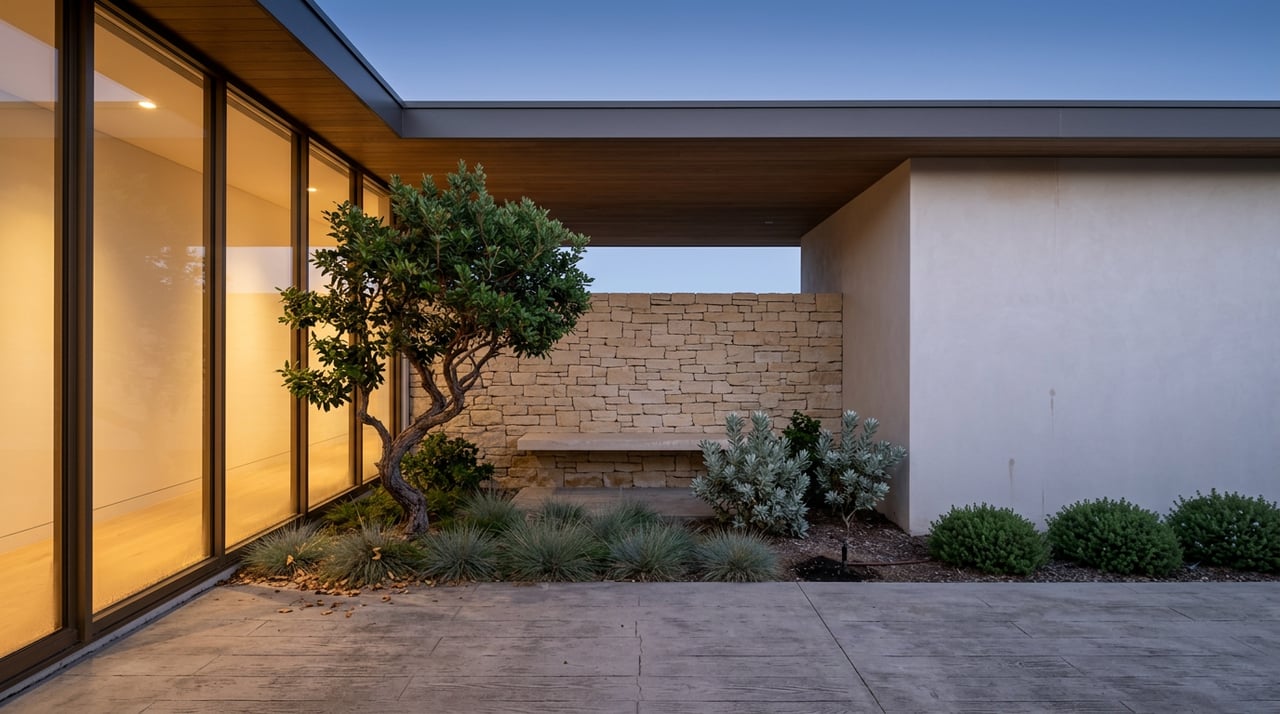
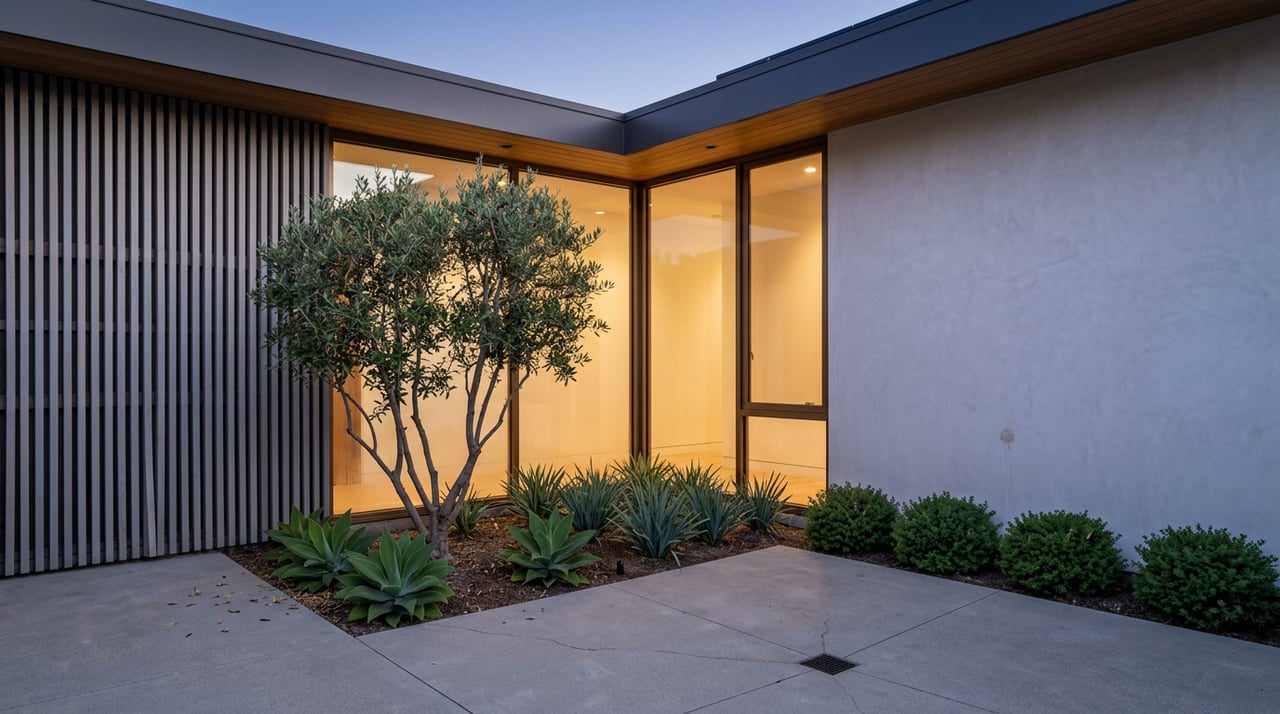
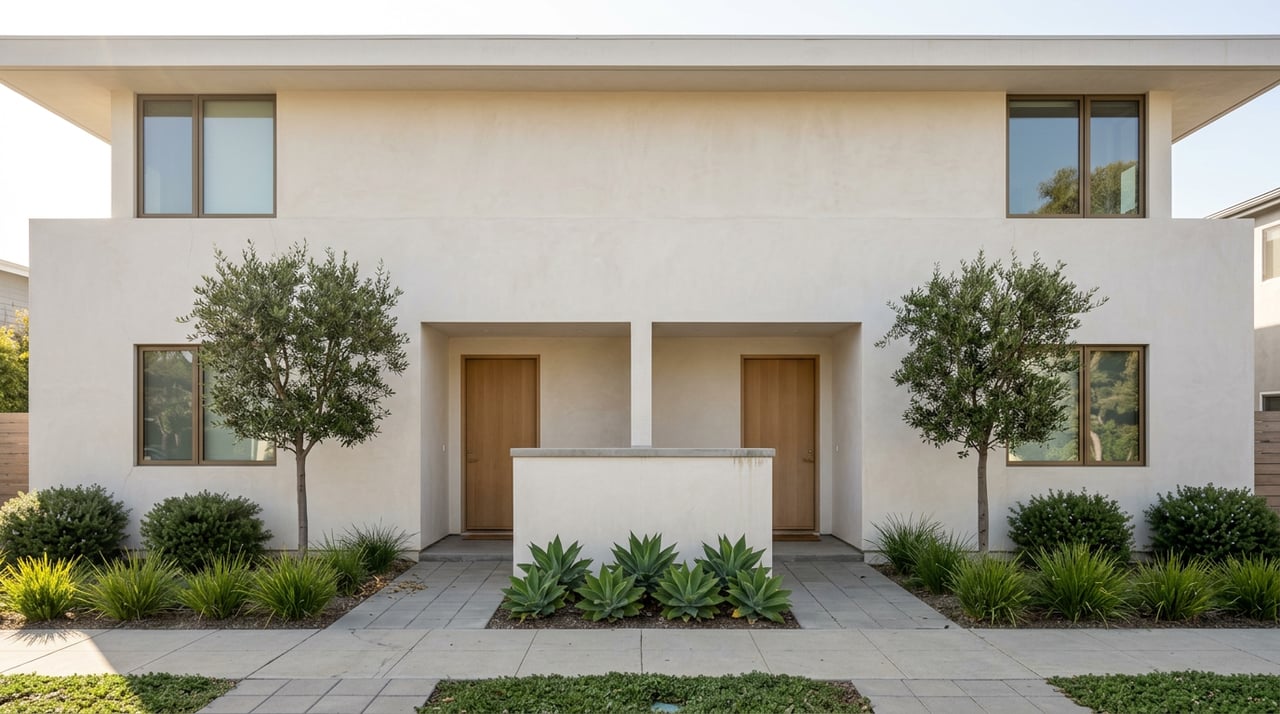
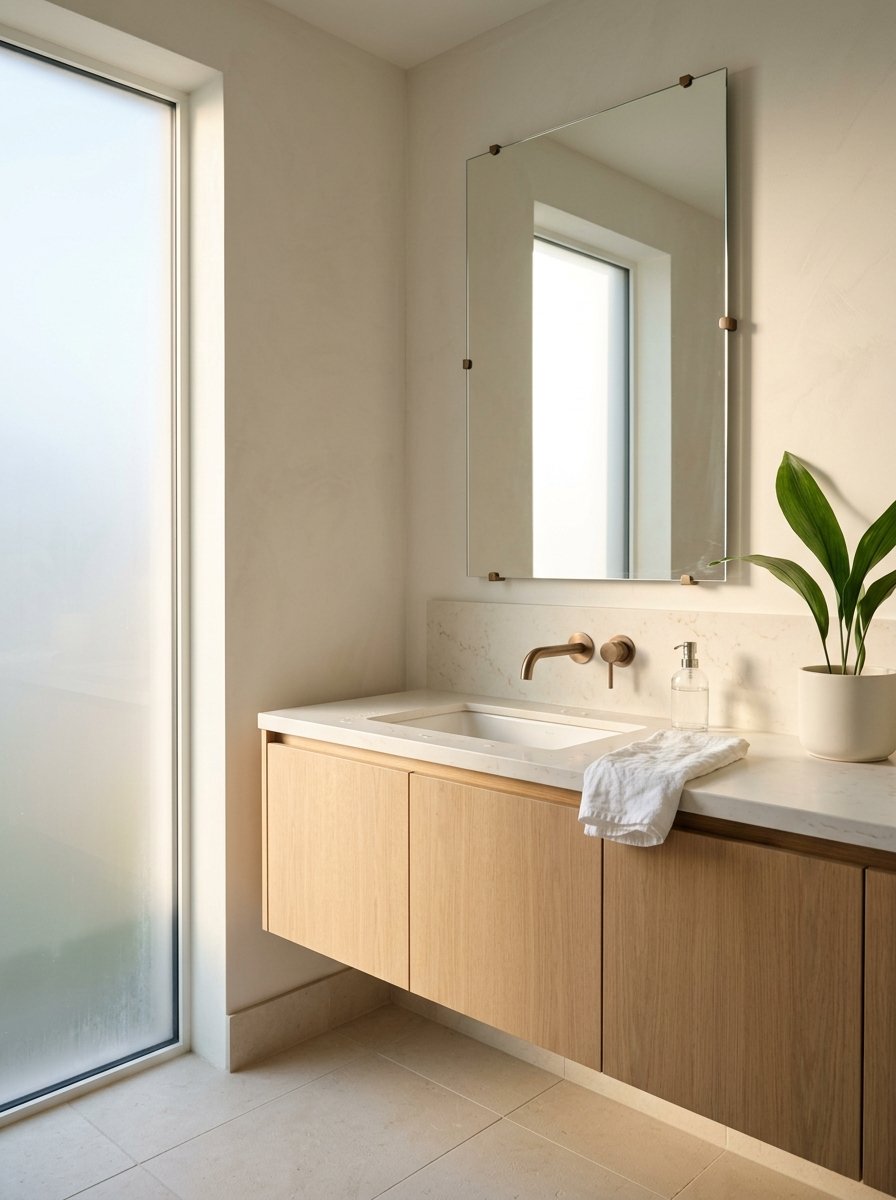
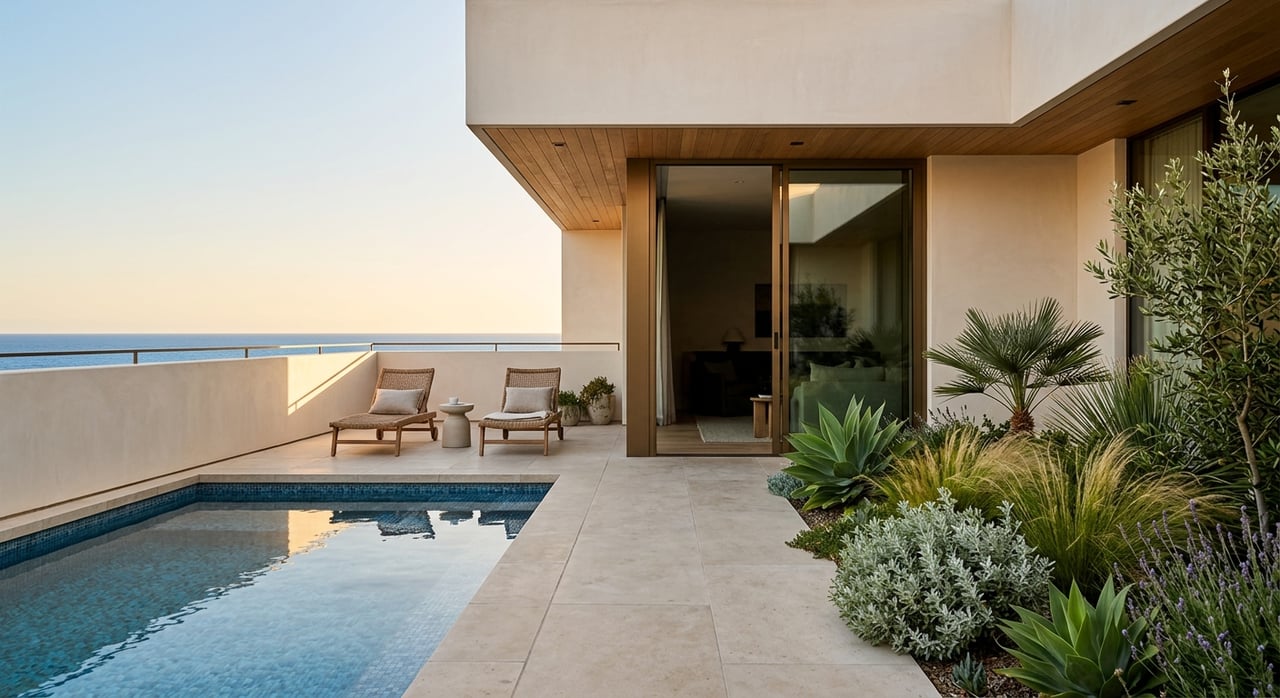
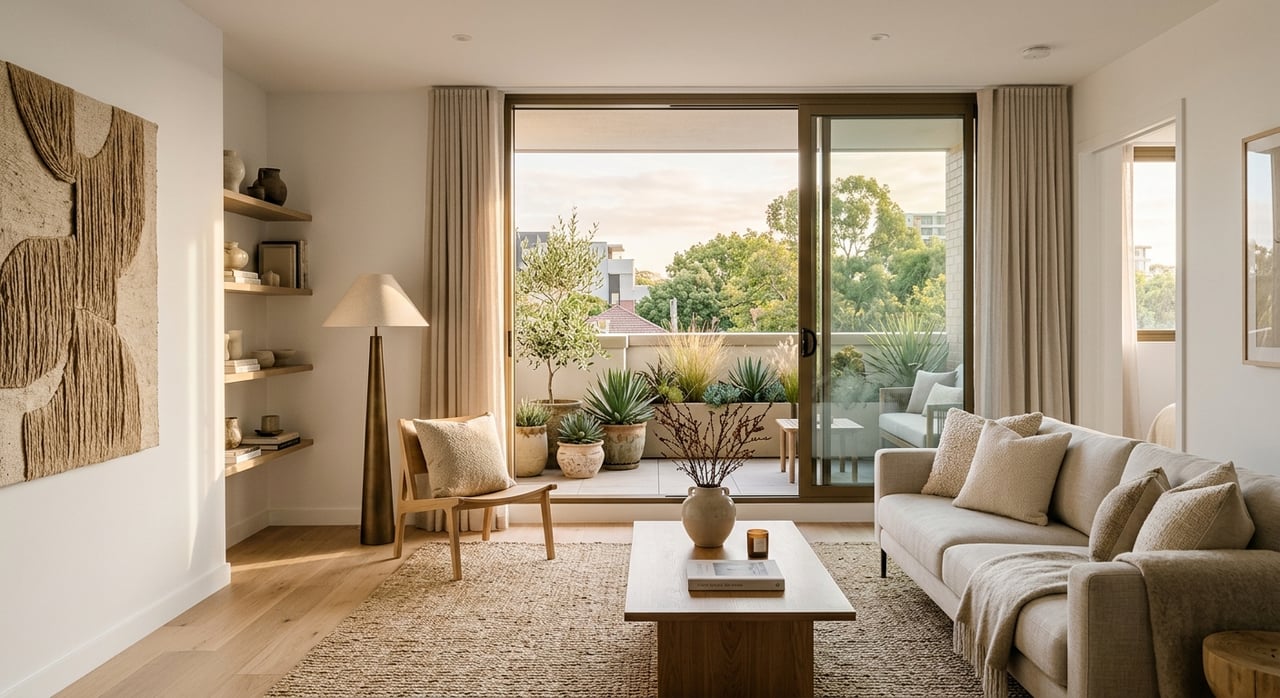
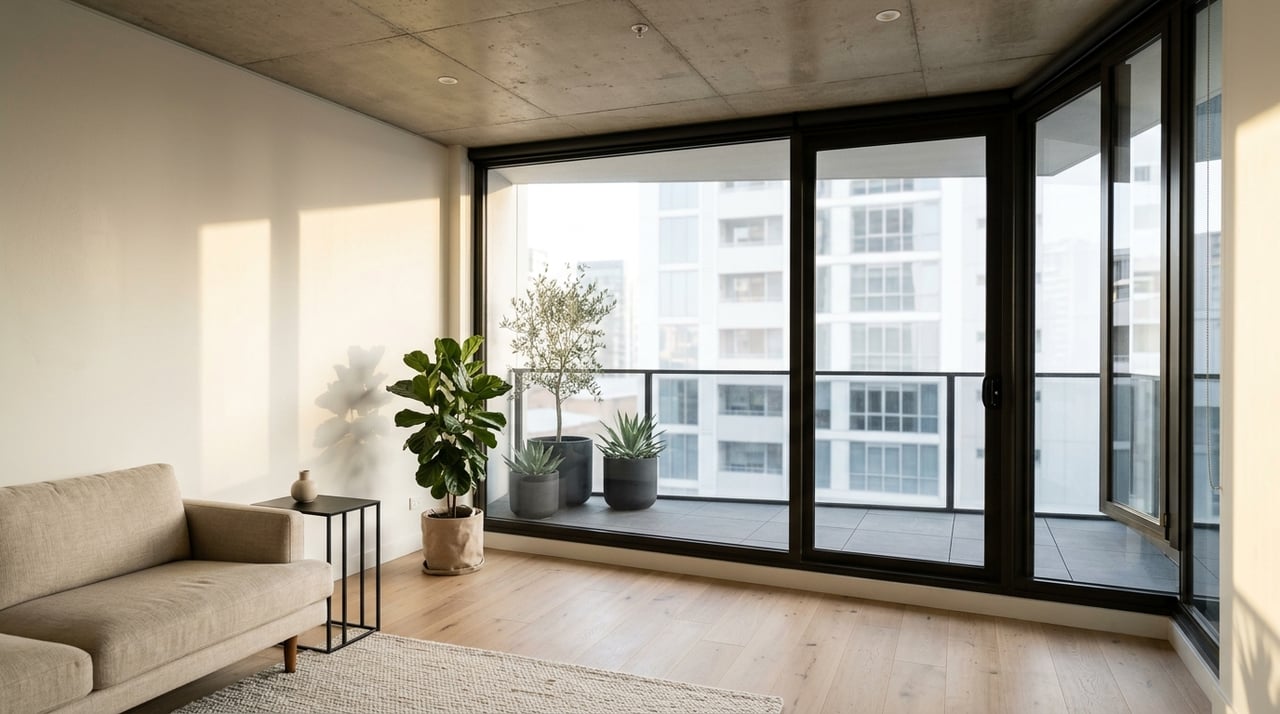
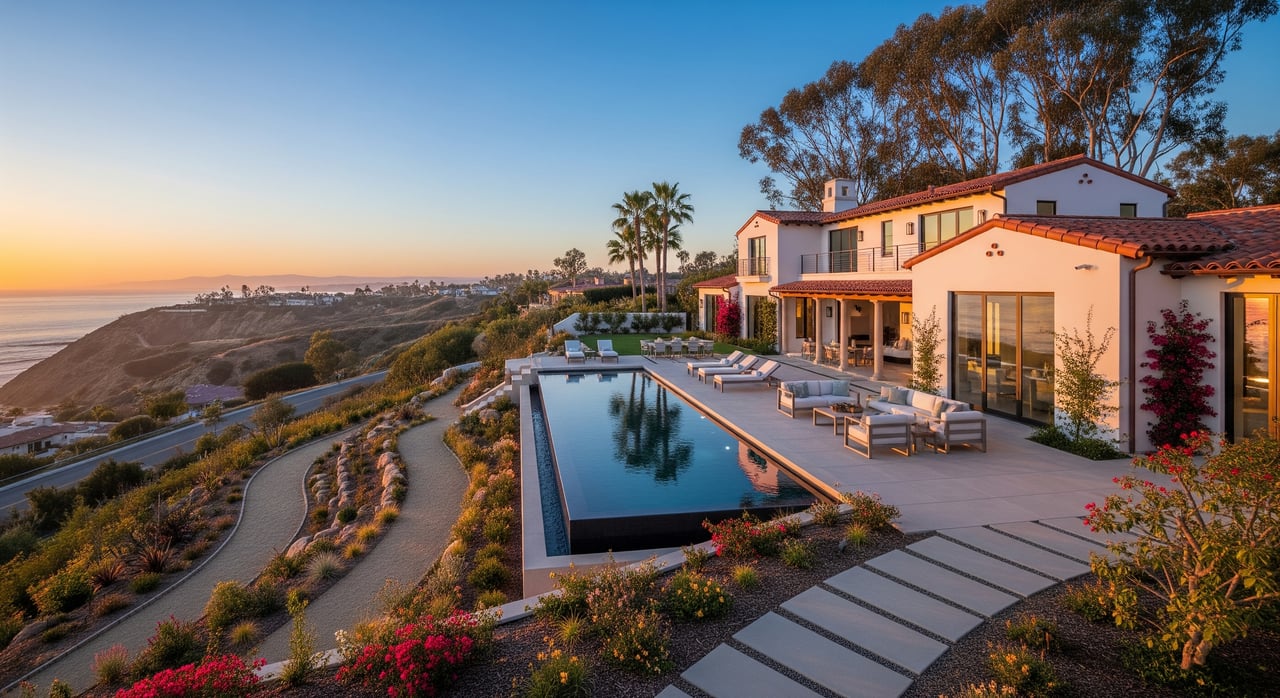
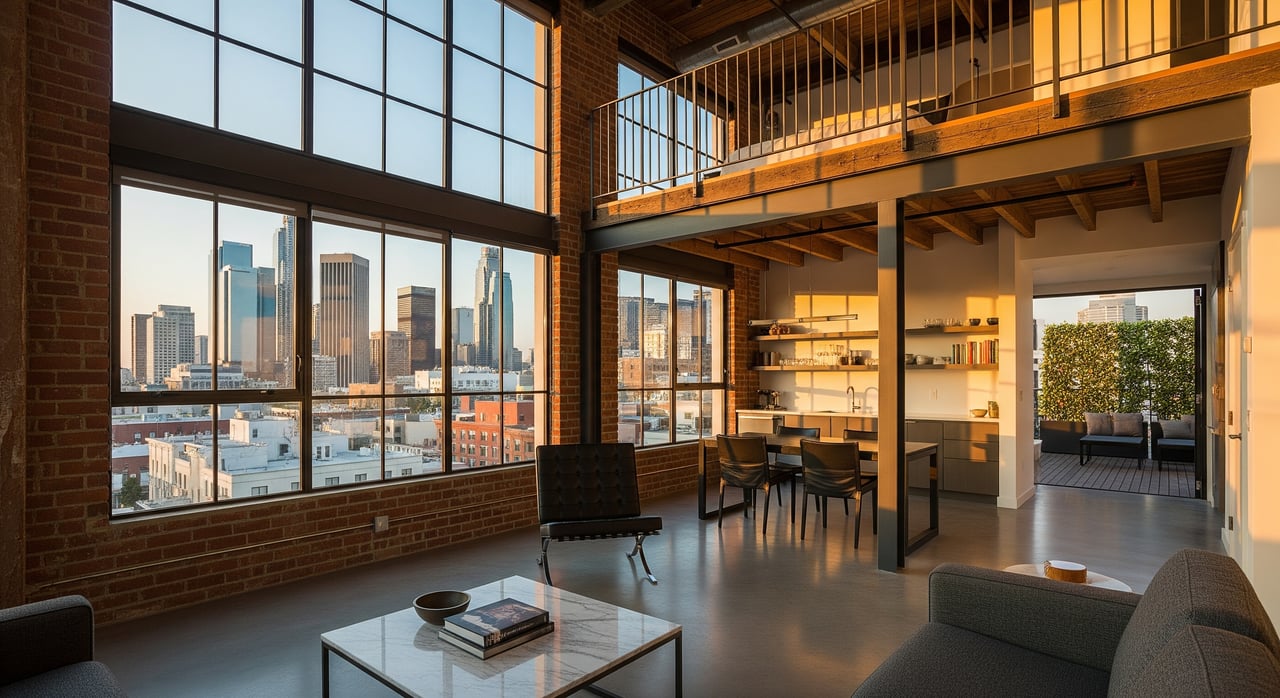
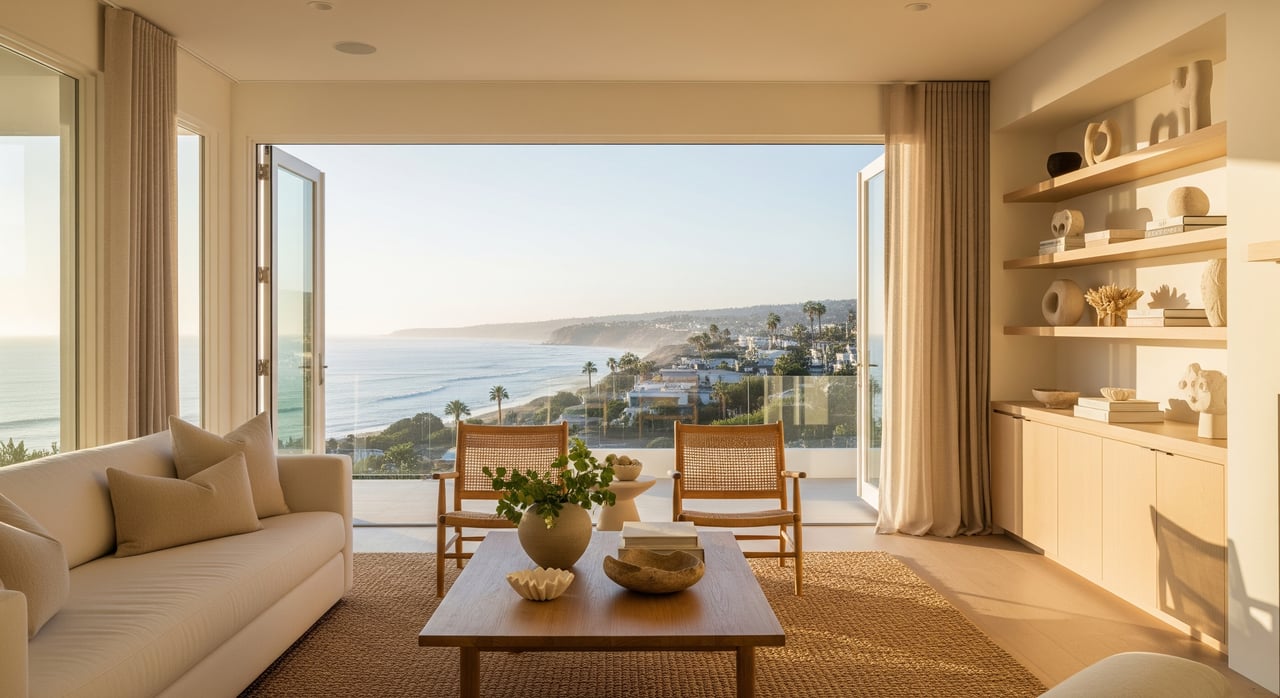
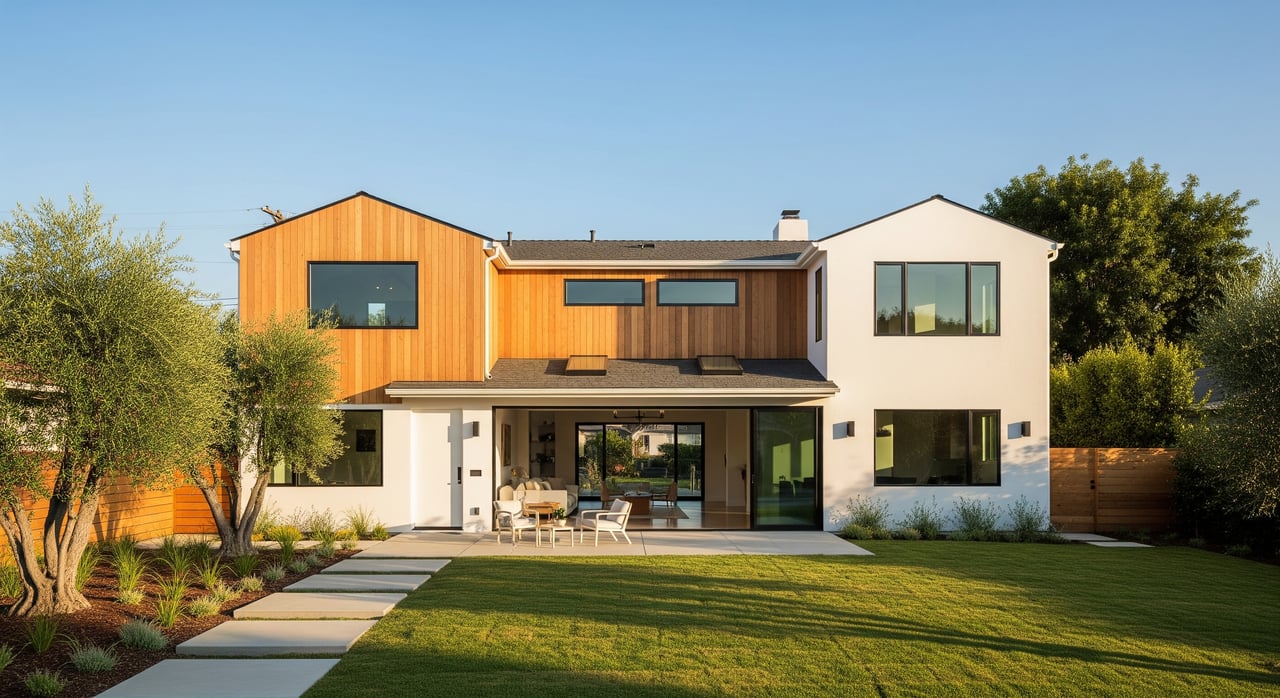
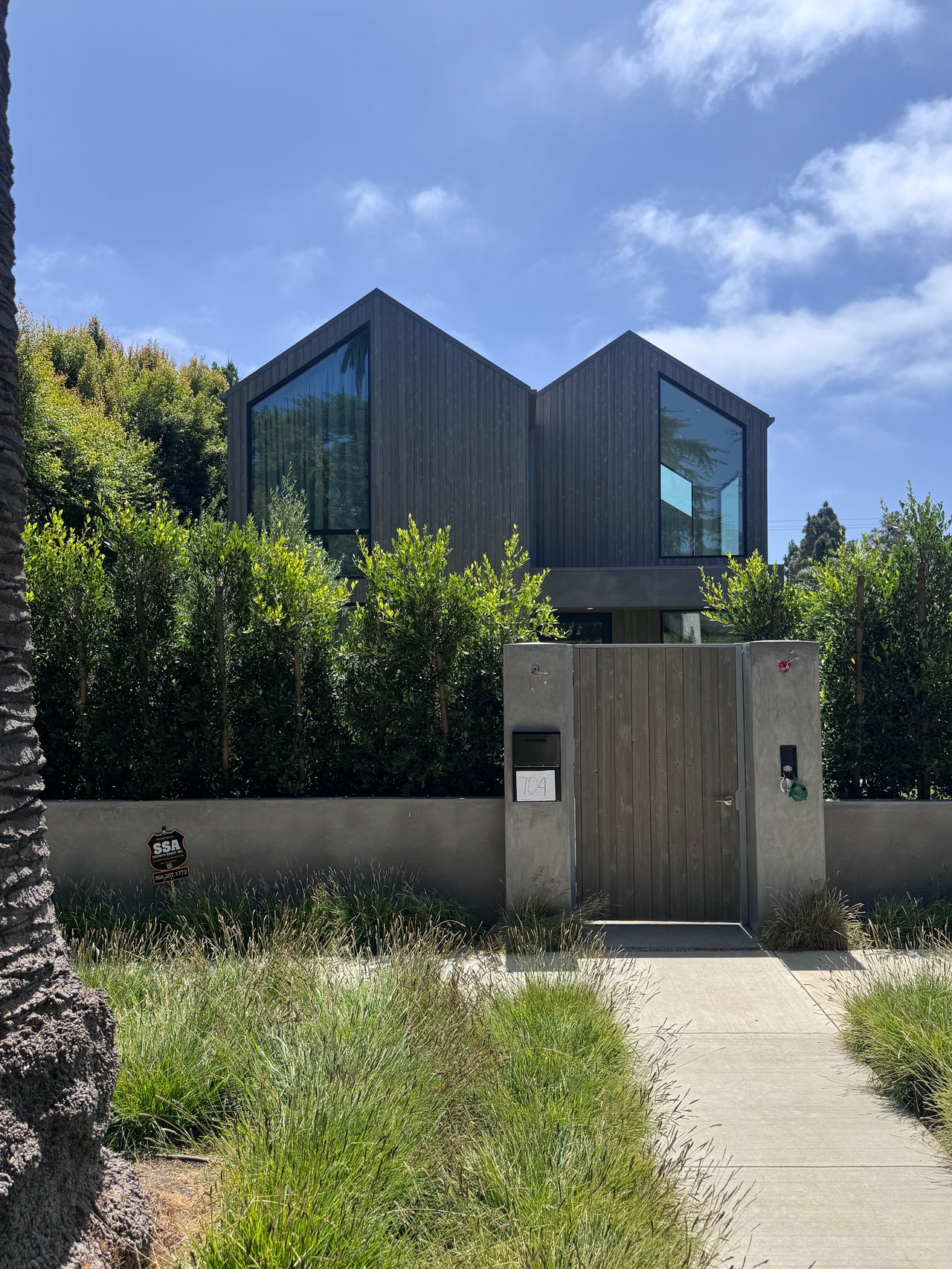
In everyday terms, that often means simpler forms, more glass, strong indoor-outdoor flow, and a visible relationship to planting and the sidewalk. The result can feel crisp and modern while still responding to the block around it.
How to describe contemporary coastal style
For many Santa Monica buyers, contemporary coastal usually means:
- Crisp, minimal massing
- Glassier elevations
- Light-filled interiors
- Indoor-outdoor transitions
- Clean materials and restrained detailing
This style often appeals to buyers who want a fresh, edited look with a strong connection to climate and lifestyle.
Historic status can affect what you can change
Architecture is not just about looks. In Santa Monica, it can also affect what changes are possible. The city’s Historic Preservation program continues to establish landmarks and historic districts, and the Landmarks Commission oversees historic resources and can regulate alterations to landmarks.
That means it is worth knowing the difference between an older home, a designated landmark, and a property located within a historic district. If you are buying with renovation plans in mind, that distinction can shape timelines, approvals, and design flexibility.
This is one place where local guidance matters. A design-forward search is not only about finding the right style. It is also about understanding the rules that may come with it.
A simple style guide for Santa Monica buyers
If you want a quick way to translate your taste into useful search language, these labels can help:
- Craftsman / bungalow: low-slung, porch-forward, handcrafted, grounded
- Spanish / Mission Revival: stucco-clad, red-tile, arched, courtyard-centered, sun-washed
- Mid-Century Modern: clean-lined, open, light-filled, understated
- Contemporary coastal: crisp, minimal, glassy, indoor-outdoor
The more clearly you can describe what you like, the easier it becomes to focus your search. That same clarity also helps sellers position a home in a way that feels accurate and compelling.
Why architectural style matters in your real estate strategy
In Santa Monica, architectural style is more than a visual preference. It shapes first impressions, influences how homes live day to day, and often affects how buyers respond emotionally to a property.
That is why design knowledge can be practical, not just aesthetic. If you understand what defines a home’s style, you can market it more effectively, evaluate it more thoughtfully, and make smarter decisions about updates, staging, and positioning.
Whether you are drawn to a porch-front bungalow, a courtyard apartment, a Spanish Revival residence, or a clean-lined modern home, Santa Monica offers a rare range of options. The key is knowing how to read what you are seeing and how to align that style with your goals.
If you are planning a move in Santa Monica and want guidance that blends market knowledge with a strong design eye, Johannes Steinbeck can help you evaluate homes, prepare a property for sale, and make confident decisions with a clear strategy.
FAQs
What architectural styles are most common in Santa Monica homes?
- Santa Monica includes a documented mix of beach cottages, Craftsman bungalows, Spanish Colonial Revival, Mission Revival, Colonial Revival, bungalow courts, courtyard apartments, Mid-Century Modern, Ranch, and newer contemporary infill.
What defines a Craftsman bungalow in Santa Monica?
- A Santa Monica Craftsman bungalow typically features low-pitched gable roofs, broad porches, heavy piers, exposed rafters or beams, and a low, grounded appearance.
What is a bungalow court in Santa Monica real estate?
- A bungalow court is a housing form where small homes or units are arranged around a shared courtyard, a pattern Santa Monica developed mainly between 1915 and 1930.
What does Spanish Revival look like in Santa Monica?
- Spanish Revival homes in Santa Monica are generally recognized by stucco exteriors, red-tile roofs, arches, courtyards, wrought iron, and tile accents.
What makes Mid-Century Modern homes in Santa Monica different?
- Mid-Century Modern homes in Santa Monica usually emphasize clean lines, large windows, smooth wall surfaces, minimal ornament, and strong indoor-outdoor flow.
Why does historic designation matter for Santa Monica properties?
- Historic designation matters because Santa Monica’s Landmarks Commission oversees historic resources and can regulate alterations to designated landmarks, so renovation flexibility may vary by property status.
How can architectural style help when buying a Santa Monica home?
- Knowing architectural style can help you refine your search, communicate your preferences clearly, and better understand how a home’s design, layout, and features fit your goals.