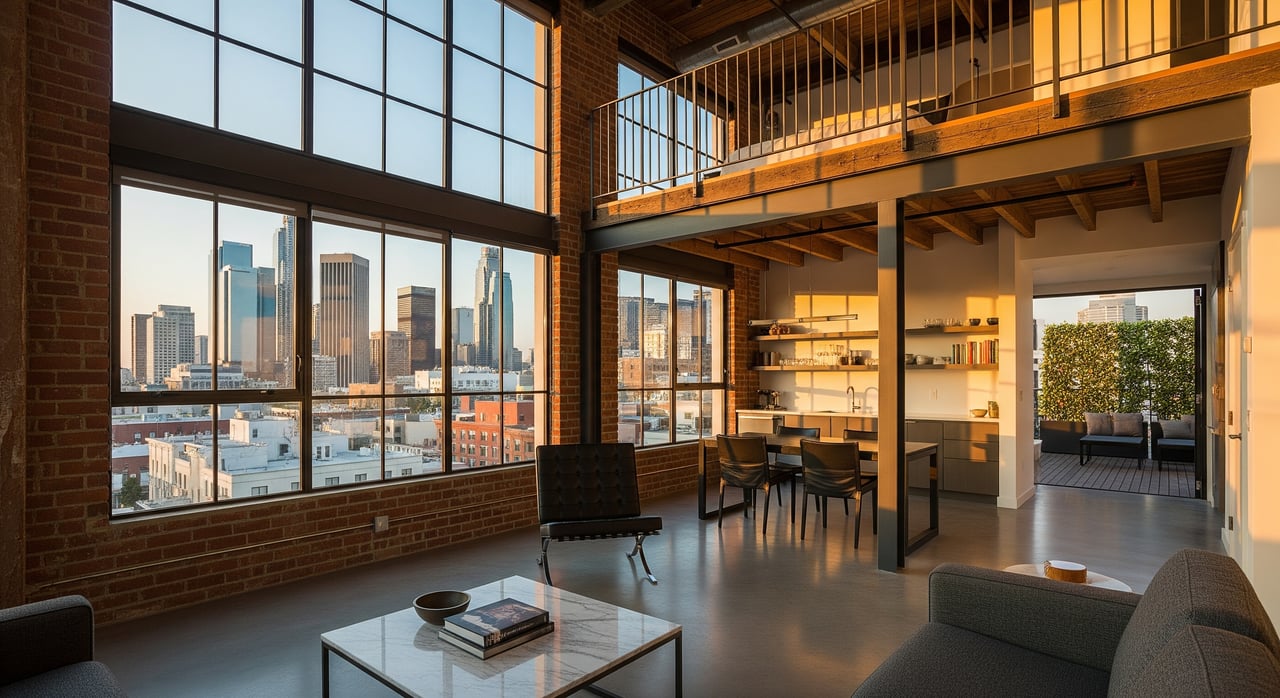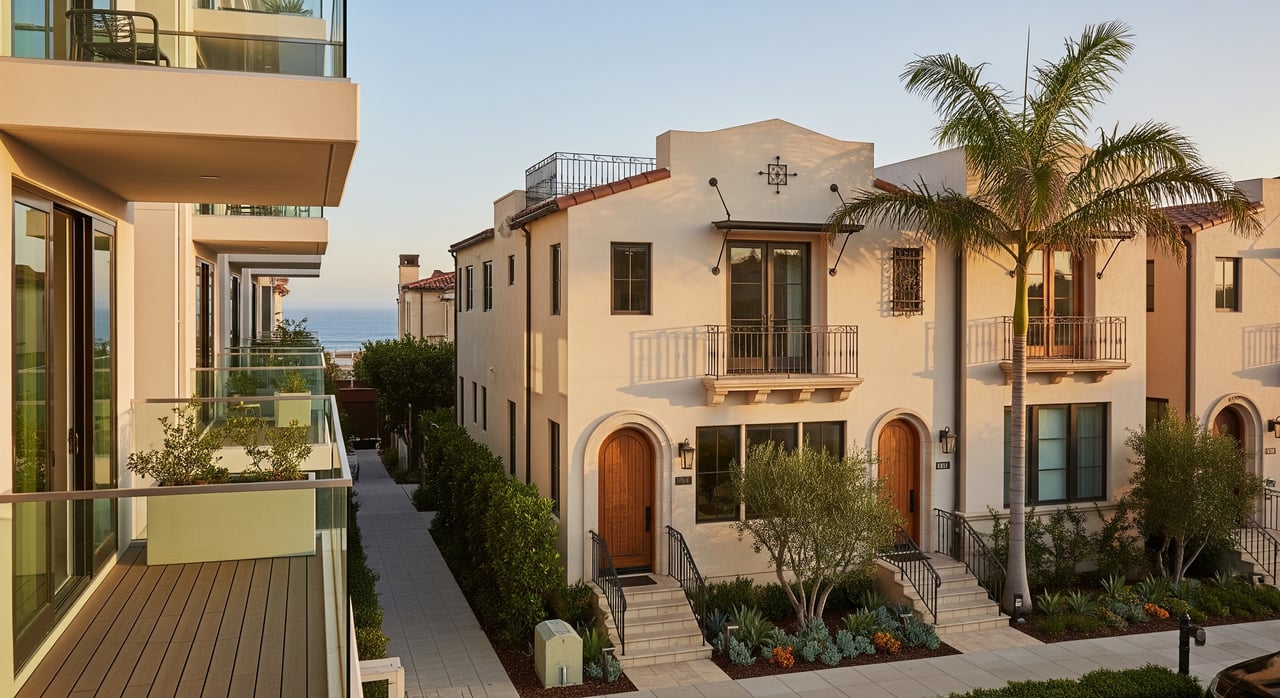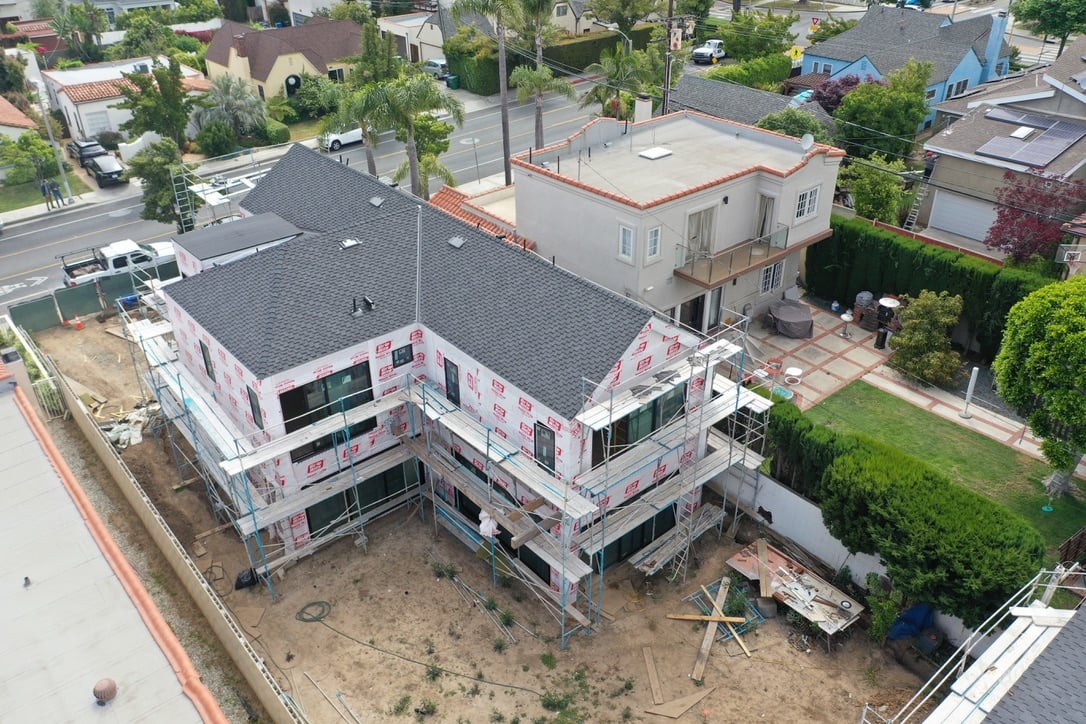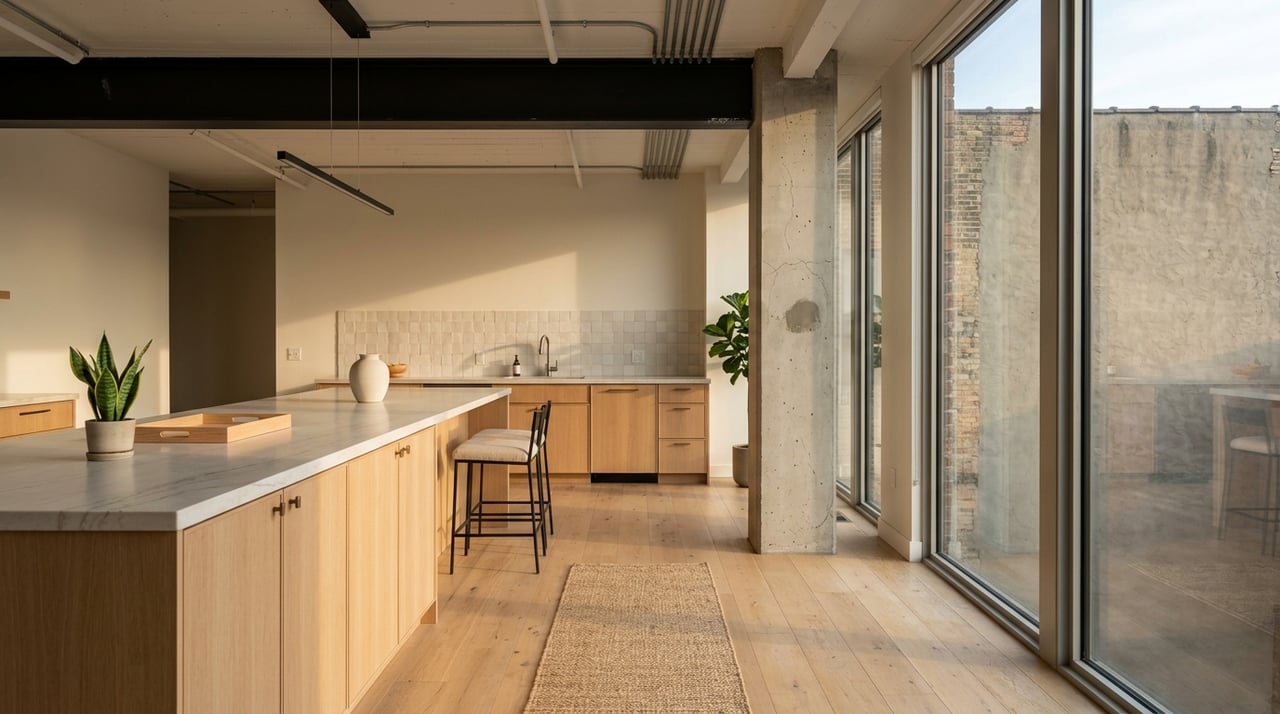
Thinking about making an offer on a Downtown Los Angeles loft? A great unit can be exciting, but in DTLA, the building behind the loft often matters just as much as the space itself. If you want to buy with confidence, this checklist will help you focus on the details that can affect your use of the property, your financing, and your future costs. Let’s dive in.
Why DTLA lofts need extra homework
DTLA lofts are not always straightforward condo purchases. Many are located in converted commercial or historic buildings, and those buildings may fall under Los Angeles rules tied to adaptive reuse projects. That history can affect parking, alterations, permitted use, and even lender comfort.
It also matters that Downtown Los Angeles is the first community plan area using the City’s New Zoning Code for the Downtown Community Plan Area. In plain terms, you should not assume older citywide standards apply the same way they might in another neighborhood. A loft can look turnkey while the real questions sit in the HOA documents, zoning framework, or building records.
Start with the building, not the finishes
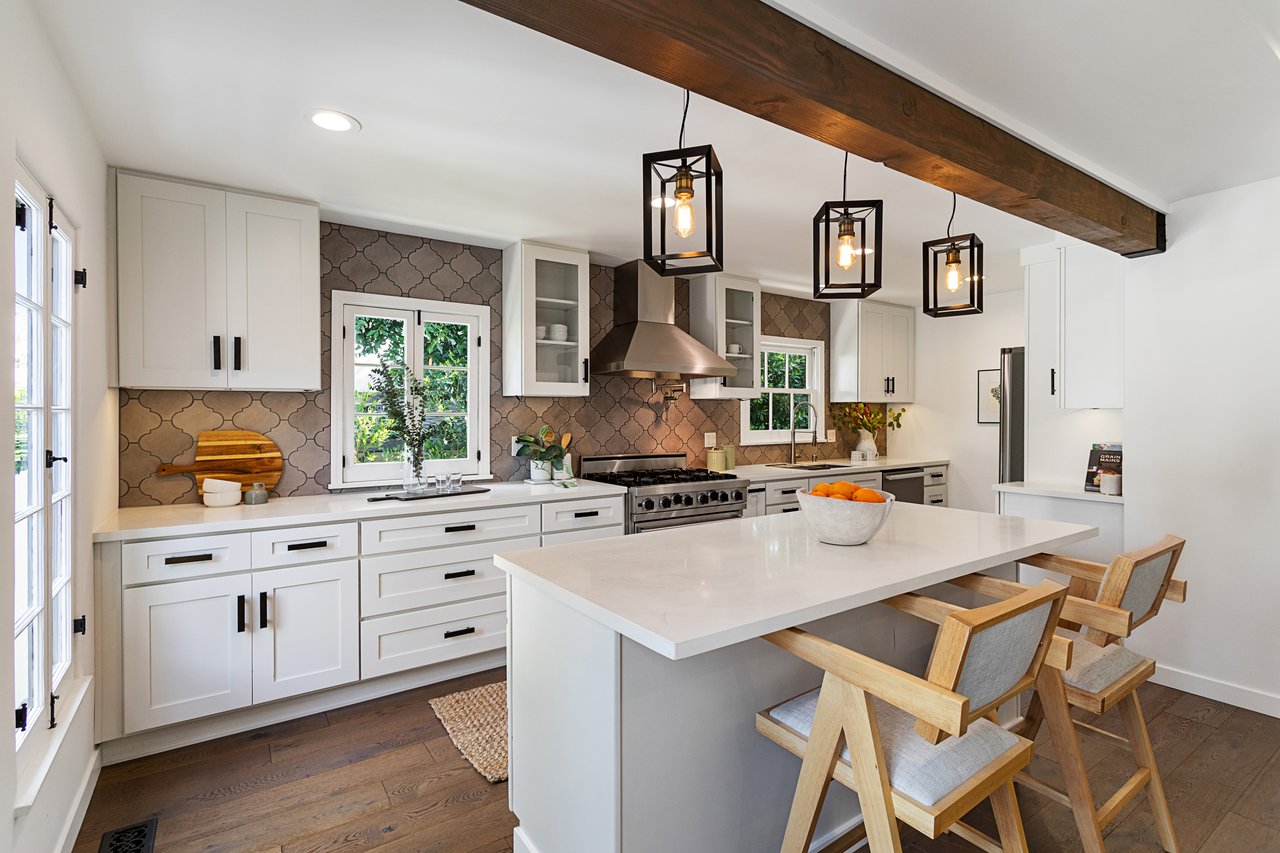
A polished kitchen and dramatic windows can draw you in fast. Still, before you write an offer, it helps to treat the building as part of the purchase, not just the unit. In DTLA, that mindset can save you from expensive surprises.
Ask early whether the building was originally commercial, whether it was converted under adaptive reuse rules, and whether there are known restrictions on alterations or use. If the property is in a historic resource, surveyed historic resource, or HPOZ area, additional review may apply, so future renovation plans may not be as simple as they seem.
Review HOA documents carefully
For a DTLA loft, HOA due diligence is a major part of your pre-offer checklist. Under California law, common interest developments must provide key disclosures, including governing documents, budget information, assessments, and other association records through the resale disclosure package requirements.
You should ask for:
- Governing documents
- The latest annual budget report
- Current assessments and fees
- Any unpaid assessments or fines
- Unresolved violation notices
- Any rental prohibition statement
- The latest approved board minutes, if requested
These documents help you understand how the building is run and whether there are issues that may affect your ownership experience right after closing.
Check reserves and special assessments
One of the most important items in any condo or loft purchase is the reserve picture. California requires qualifying associations to conduct a visual inspection for a reserve study at least once every three years, with annual board review. That study should identify major components, estimate remaining life and repair costs, and provide a funding plan.
This matters because low reserves can point to future financial pressure. If the reserve summary shows a large deficiency per unit, or if the building has a pattern of special assessments, you may be stepping into higher ownership costs than the list price suggests.
As part of your pre-offer review, confirm:
- Current reserve balance
- Date of the most recent reserve study
- Reserve deficiency per unit, if disclosed
- Any current or planned special assessment
- Any long-term loans carried by the HOA
The annual budget report should also indicate whether the board expects a special assessment and whether the association has outstanding long-term obligations under California Civil Code Section 5300.
Review insurance and risk exposure
Insurance is easy to overlook when you are focused on square footage and style, but it can become a major ownership issue. California requires the HOA’s annual budget report to summarize property, general liability, earthquake, flood, and fidelity insurance, including policy limits and deductibles in the association’s annual disclosures.
Pay close attention to high deductibles, especially in older or more complex buildings. A building may appear financially stable at first glance, but a combination of low reserves and high deductibles can increase your exposure if a major claim or repair arises.
Confirm how parking really works
Parking is one of the biggest DTLA-specific issues to verify before making an offer. Planning materials for the downtown update state that minimum parking requirements are removed throughout the Downtown Plan Area. In adaptive reuse settings, existing parking may remain, and reductions may depend on the use.
That means you should never rely on listing shorthand alone. Verify whether the parking is:
- Deeded to the unit
- Assigned by the HOA
- Leased separately
- Available only on a first-come basis
You should also ask whether the building offers guest parking, storage, or EV charging. Those practical details can shape your daily experience more than a designer light fixture ever will.
Verify live/work use rights
In DTLA, the term live/work is not just a branding phrase. Los Angeles defines joint living and work quarters as a residential occupancy with work space, and the building must meet fire, life-safety, and structural standards. Certain hazardous activities are prohibited unless a limited exception is approved by the Fire Department under the Los Angeles Municipal Code provisions for joint living and work quarters.
Before you write an offer, make sure the loft’s legal use matches how you plan to occupy it. If you want a flexible space for residential living plus a studio or office setup, confirm that the designation and building rules support that intended use. A mismatch between marketing language and legal use can create problems later.
Watch for noise and day-to-day livability
Loft living in DTLA often comes with energy, activity, and density. That can be part of the appeal, but it also means you should do a real-world livability check before making an offer.
Visit at different times of day if possible. Pay attention to street noise, nearby loading zones, nightlife patterns, and building mechanical noise. The City of Los Angeles directs non-emergency noise complaints through city service and reporting channels, and that resource can also help you understand how local nuisance issues are handled.
Ask about litigation and deferred maintenance
Litigation deserves close review because it can affect both financing and future costs. According to Fannie Mae’s project eligibility rules, projects with pending litigation that affects safety, structural soundness, habitability, or functional use may be ineligible.
You should also look for signs of deferred maintenance in board minutes, inspection discussions, and disclosure materials. A beautiful loft inside an aging building can still become an expensive purchase if the association has postponed major repairs.
Make sure the building fits your financing
Financing for a DTLA loft may be more nuanced than financing for a detached home. The good news is that California’s disclosure package often includes many of the items a lender wants to review, including governing documents, financials, assessments, rental restrictions, and board minutes through the required association disclosures.
If you are using FHA financing, a project may sometimes qualify through HUD’s single-unit approval process, even if it is not on the approved list, but the project still must meet HUD requirements. If you are using VA financing, the condominium or lot must be approved by VA for loan guaranty.
For conventional financing, project eligibility can be especially important. Fannie Mae treats projects as ineligible if they operate like a hotel or motel or manage daily or short-term rentals, and it also screens for serious litigation issues. Live/work projects can be eligible, but only when they comply with local zoning and remain primarily residential under Fannie Mae’s condo project standards.
Your pre-offer DTLA loft checklist
Before you submit an offer, try to confirm all of the following:
- HOA budget is current
- Reserve study date is current enough to review
- Reserve balance and any reserve deficiency are disclosed
- Special assessment history is clear
- Any pending special assessment is identified
- Insurance limits and deductibles are reviewed
- Litigation status is confirmed
- Rental rules and restrictions are clear
- Parking is verified as deeded, assigned, leased, or unassigned
- Live/work legality matches your intended use
- Any balconies, decks, or elevated walkways have a current inspection report if applicable
- Historic or adaptive reuse status is understood
This checklist is especially useful in DTLA because the building’s legal and financial framework can have as much impact on value as the loft’s design.
Red flags to take seriously
Some warning signs should prompt deeper review before you move forward. A short-term-rental or hotel-like operating pattern, unresolved litigation tied to structure or habitability, critically low reserves, or missing reserve information can all affect financing and ownership risk.
You should also pause if parking does not truly fit your needs or if the loft’s live/work setup does not match how you plan to use the property. In DTLA, the details behind the listing are often where the real story sits.
Buying a loft should feel exciting, not uncertain. With the right pre-offer review, you can move from admiring the aesthetic to understanding the full picture of the building, the rules, and the long-term costs. If you want a design-minded, detail-focused perspective as you evaluate DTLA loft options, connect with Johannes Steinbeck for thoughtful buyer guidance.
FAQs
What should you review before offering on a DTLA loft?
- You should review the HOA budget, reserve study date, reserve balance, insurance deductibles, special assessment history, litigation, parking status, rental rules, live/work legality, and any applicable inspection reports.
Why is parking so important when buying a DTLA loft?
- Parking matters because DTLA zoning and adaptive reuse rules can make parking setups very different from one building to another, so you need to confirm whether a space is deeded, assigned, leased, or only first-come, first-served.
Can a DTLA live/work loft affect financing?
- Yes. A live/work loft may still be financeable, but the project generally needs to comply with local zoning and remain primarily residential, especially for conventional loan standards.
What HOA red flags matter most in a DTLA loft purchase?
- The biggest red flags include low reserves, recurring or pending special assessments, high insurance deductibles, unresolved litigation, and signs of deferred maintenance.
Why does adaptive reuse matter when buying a DTLA loft?
- Adaptive reuse can affect permitted use, parking, alterations, and review requirements, especially if the building is historic or was converted from a commercial use.
How can you check livability before buying a loft in Downtown Los Angeles?
- You can visit the property at different times of day, observe noise and activity patterns, and review how city service channels handle common area issues like noise, lighting, dumping, and parking enforcement.