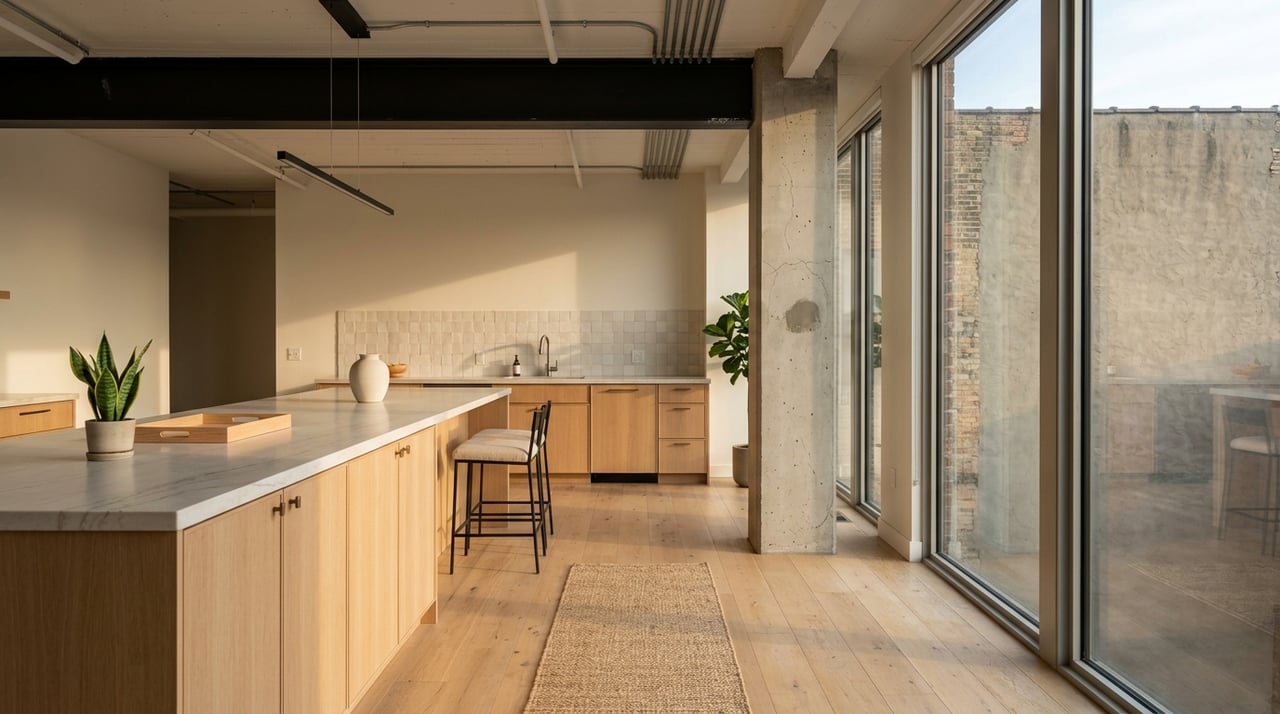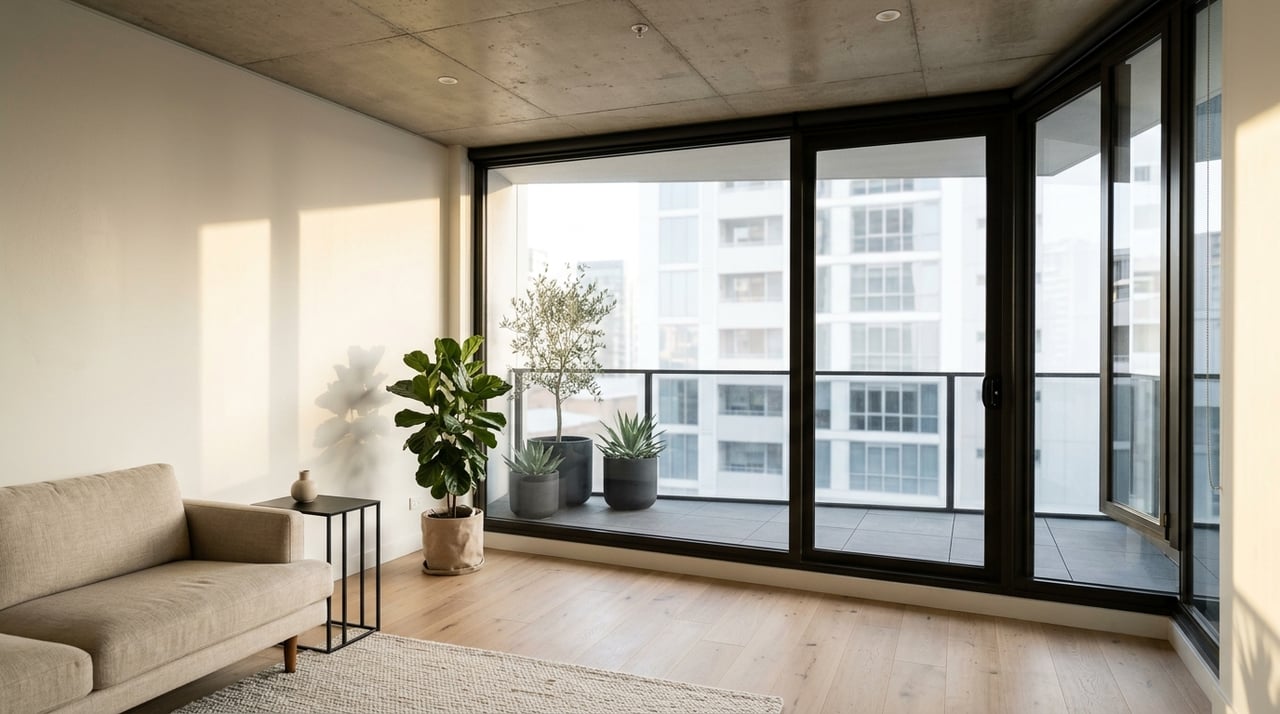
Wondering whether that rooftop deck, pool, or polished lobby is actually worth the monthly HOA dues? If you are shopping for a Santa Monica condo, it is easy to focus on the visible lifestyle perks and overlook the financial structure behind them. The smart move is to evaluate amenities and HOA health together so you can better understand monthly costs, future risk, and day-to-day usability. Let’s dive in.
Why amenities and HOA dues go together
Amenities are not just bonus features. In a condo building, they are part of the property’s operating model, and they need ongoing funding for maintenance, repair, administration, and reserves.
California’s Department of Real Estate explains that HOA costs typically include fixed costs, operating costs, reserves, administration, and contingency planning. It also notes that reserve items can include major components such as painting, roofing, lighting, carpet, pool areas, furniture, and paving.
That matters because a building with more shared features usually needs more monthly revenue to support them over time. A fitness room, secured garage, elevator, pool, or furnished common space may improve daily life, but each one can also add to long-term maintenance obligations.
What to evaluate in Santa Monica amenities
Start with daily use
Begin with a simple question: will you actually use the amenity? A beautiful lounge or spa area may look appealing during a tour, but if it does not fit your lifestyle, it may not justify higher monthly dues.
Try to separate visual appeal from practical value. A well-designed building can absolutely enhance your experience, but the best amenity package is the one that supports how you live, not just how the listing photographs.
Look for maintenance intensity
Some amenities cost much more to maintain than others. Pools, elevators, extensive landscaping, furnished outdoor areas, and larger common interiors often require more regular service, more repairs, and stronger reserve planning.
California DRE guidance makes this especially important because reserves are meant to account for future repair and replacement of shared components. If a building offers a long list of features, you want to see whether the budget and reserve planning realistically support them.
Match amenities to the building’s age
An older building with attractive amenities can still be a strong purchase, but you should check whether those shared elements are approaching major repair or replacement cycles. Items like paving, lighting, roofing, and exterior features can become expensive if reserves have not kept pace.
This is particularly relevant in Santa Monica, where buyers may be comparing classic buildings, updated mid-century stock, and converted projects. DRE specifically cautions that converted projects can carry higher maintenance costs in infrastructure, mechanical, electrical, and plumbing systems.
Which HOA documents matter most
Before you remove contingencies, the document package can tell you a great deal about the building behind the marketing. California Civil Code 4525 requires the seller to provide key HOA disclosures, including governing documents, the latest annual budget report, current regular and special assessments, unpaid amounts, unresolved violation notices, rental prohibitions in the governing documents, requested board minutes from the prior 12 months, defect-related documents, and the most recent inspection report required by Civil Code 5551.
That is a powerful preview of how the building operates. You can often spot signs of financial stress, pending work, rule strictness, or condition issues before you are fully committed.
Review the annual budget report
Civil Code 5300 requires the HOA’s annual budget report to include the operating budget, reserve summary, reserve funding plan, statements about deferred repairs or replacement, whether special assessments are expected, how reserves will be funded, outstanding loans, an insurance summary, and the project’s FHA and VA approval status if it is a condominium project.
In plain terms, this is where you learn whether the dues appear aligned with the building’s actual needs. It can also show whether future costs are already on the horizon.
Read the reserve summary closely
Do not stop at the reserve balance. Civil Code 5565 says the reserve summary must be based on the most recent reserve study and show each major component’s estimated replacement cost, remaining useful life, current cash reserves, percentage funded, and reserve deficiency on a per-unit basis.
That level of detail can help you understand whether the HOA is planning ahead or simply reacting to problems. A reserve account may look sizable at first glance, but the more useful question is whether it is adequate relative to the building’s actual obligations.
Ask for board minutes
Board minutes can reveal issues that a listing brochure never will. They may show recurring maintenance problems, owner concerns, insurance issues, contractor discussions, inspection findings, or approved dues increases and assessments.
For Santa Monica condo buyers, this is one of the best ways to connect the building’s appearance with its operating reality. If the minutes repeatedly mention leaks, structural work, deferred maintenance, or budget pressure, that context matters.
Red flags buyers should not ignore
Low dues with high upkeep
Low monthly dues can feel attractive, especially when you are comparing payment scenarios. But low dues are not always a bargain if the building has significant maintenance needs and limited reserves.
California law requires associations to levy regular and special assessments sufficient to perform their obligations, while also limiting how quickly boards can raise regular dues or impose larger special assessments without member approval. If a building has been keeping dues artificially low, the gap may show up later through deferred repairs, special assessments, or reduced services.
Deferred maintenance
Fannie Mae’s 2024 condo-lending research identified HOA financial instability, deferred maintenance, and inadequate insurance as major condo-project risk areas. It also noted that condo project review can add time and cost to mortgage approval.
For you as a buyer, that means building condition is not just a comfort issue. It can affect financing, timing, and even your ability to close smoothly.
Weak reserve planning
California law requires boards to conduct a visual inspection for reserve planning at least once every three years and to review the study annually. Civil Code 5551 adds a separate nine-year inspection requirement for condominium exterior elevated elements such as balconies and walkways.
If reserve planning appears outdated or disconnected from known building needs, that is worth a closer look. In coastal environments, deferred exterior work can become more expensive over time.
Converted building caution
Converted condo projects deserve special scrutiny. California DRE warns that converted buildings can carry surprise maintenance costs in core systems, and buyers may also face assessment increases after a developer subsidy or temporary assessment support ends.
If you are considering a converted building in Santa Monica, ask extra questions about infrastructure, utilities, plumbing, electrical systems, and the history of dues increases.
Santa Monica checks that can change value
Rental rules matter
If rental flexibility is important to you, review city rules and HOA rules side by side. Santa Monica’s Homesharing and Vacation Rentals Ordinance prohibits short-term vacation rentals of less than 30 days when the host does not live on site.
The city’s Minimum Lease Requirements Ordinance also requires residential leases to be at least one year and only to natural persons intending to use the unit as a primary residence. Even before you get to the HOA’s CC&Rs, city rules may already narrow your options.
Seismic retrofit status matters
Santa Monica’s seismic retrofit program is another major checkpoint for condo buyers. The city says the retrofit ordinance was adopted in 2017 and identified more than 2,000 commercial and multi-family structures as potentially vulnerable.
As of June 2025, the city reported that 65 percent of all identified buildings and 67 percent of soft-story multi-family structures had completed retrofit work or demonstrated compliance. The city also states that being on the list is not, by itself, a final finding that a building is unsafe, but it can trigger structural analysis and possible retrofit work.
For a buyer, the practical question is simple: do the current dues and reserves already account for known structural, balcony, waterproofing, or retrofit-related work, or could those costs still arrive later? Santa Monica provides a searchable map and open-data listing for buildings subject to the seismic retrofit program, which can help you verify a building’s status.
Questions to ask before removing contingencies
A disciplined condo review goes beyond finishes and floor plans. Before you move forward, ask questions that connect lifestyle, building condition, financing, and long-term cost.
Ask the HOA and seller
- What do the current monthly dues cover?
- Have any dues increases or special assessments already been approved but not yet due?
- Are there known deferred repairs or replacement projects?
- Can you review the latest annual budget report, reserve study, reserve funding plan, and insurance summary?
- Can you review the last 12 months of board minutes?
- Are there any unresolved violation notices or defect-related documents?
- Is there a rental prohibition or leasing restriction in the governing documents?
Ask your lender
- Is the condo project FHA- or VA-eligible?
- Will the project require additional condo review for financing?
- Could HOA financials, insurance, or deferred maintenance create underwriting delays?
These questions matter because Civil Code 5300 requires disclosure of FHA and VA approval status in the annual budget report for condominium projects. It also requires disclosure of insurance policy limits and deductibles, which can shape your risk after a loss.
Ask about insurance exposure
The HOA insurance summary deserves careful attention. California law requires disclosure of policy limits and deductibles, and it also warns that HOA coverage may not protect your personal property or improvements around the unit.
That means a building’s insurance profile can affect more than the association itself. It can affect your out-of-pocket exposure if something goes wrong.
How to make a smart Santa Monica condo comparison
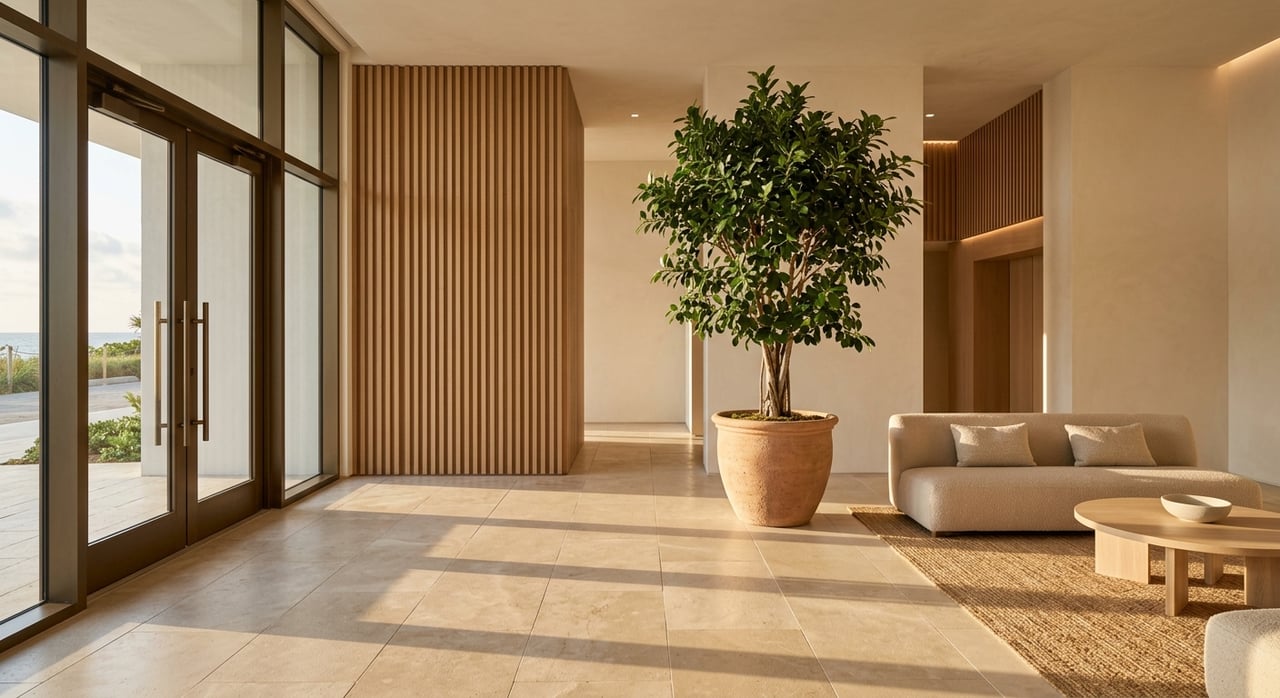
When you compare two Santa Monica condos, try using a wider lens than finishes alone. A stylish lobby and roof deck may be worth the cost in one building and a warning sign in another, depending on reserves, pending work, insurance terms, and rule structure.
A practical comparison should include these five factors:
- Amenity value for your lifestyle
- Monthly dues and what they cover
- Reserve strength and upcoming capital needs
- Insurance terms and deductibles
- Santa Monica-specific issues like lease rules and seismic retrofit status
This is where an experienced, detail-oriented advisor can add real value. In condo purchases especially, good guidance is not just about identifying what looks great today. It is about helping you understand what the building is likely to demand tomorrow.
If you are evaluating a Santa Monica condo and want a clear, design-minded second opinion on the building, budget, and long-term value, connect with Johannes Steinbeck.
FAQs
What HOA documents should Santa Monica condo buyers review?
- Santa Monica condo buyers should review the governing documents, annual budget report, reserve summary, reserve funding plan, current and special assessments, insurance summary, unresolved violation notices, requested board minutes from the prior 12 months, and the latest required inspection report.
How should buyers evaluate Santa Monica condo amenities?
- Buyers should evaluate Santa Monica condo amenities based on how often they will use them, how costly they are to maintain, and whether the HOA budget and reserves appear strong enough to support them over time.
Why can low HOA dues be risky in a Santa Monica condo?
- Low HOA dues can be risky if the building has substantial maintenance needs, weak reserves, deferred repairs, or future costs that may later show up as service reductions or special assessments.
How do Santa Monica rental rules affect condo buyers?
- Santa Monica rental rules can limit flexibility because the city prohibits certain short-term vacation rentals and requires residential leases to be at least one year for natural persons intending to use the unit as a primary residence.
Why should Santa Monica condo buyers check seismic retrofit status?
- Santa Monica condo buyers should check seismic retrofit status because a building may require structural analysis or retrofit work, and those costs may affect dues, reserves, or future special assessments.