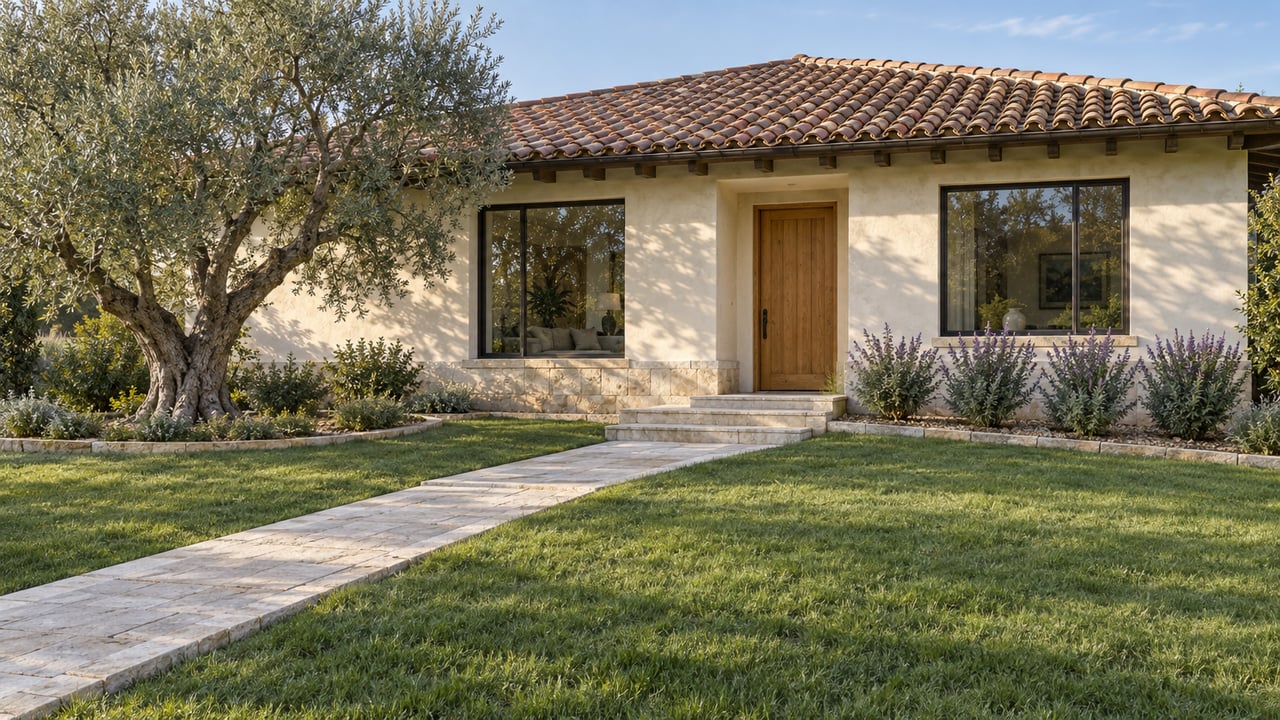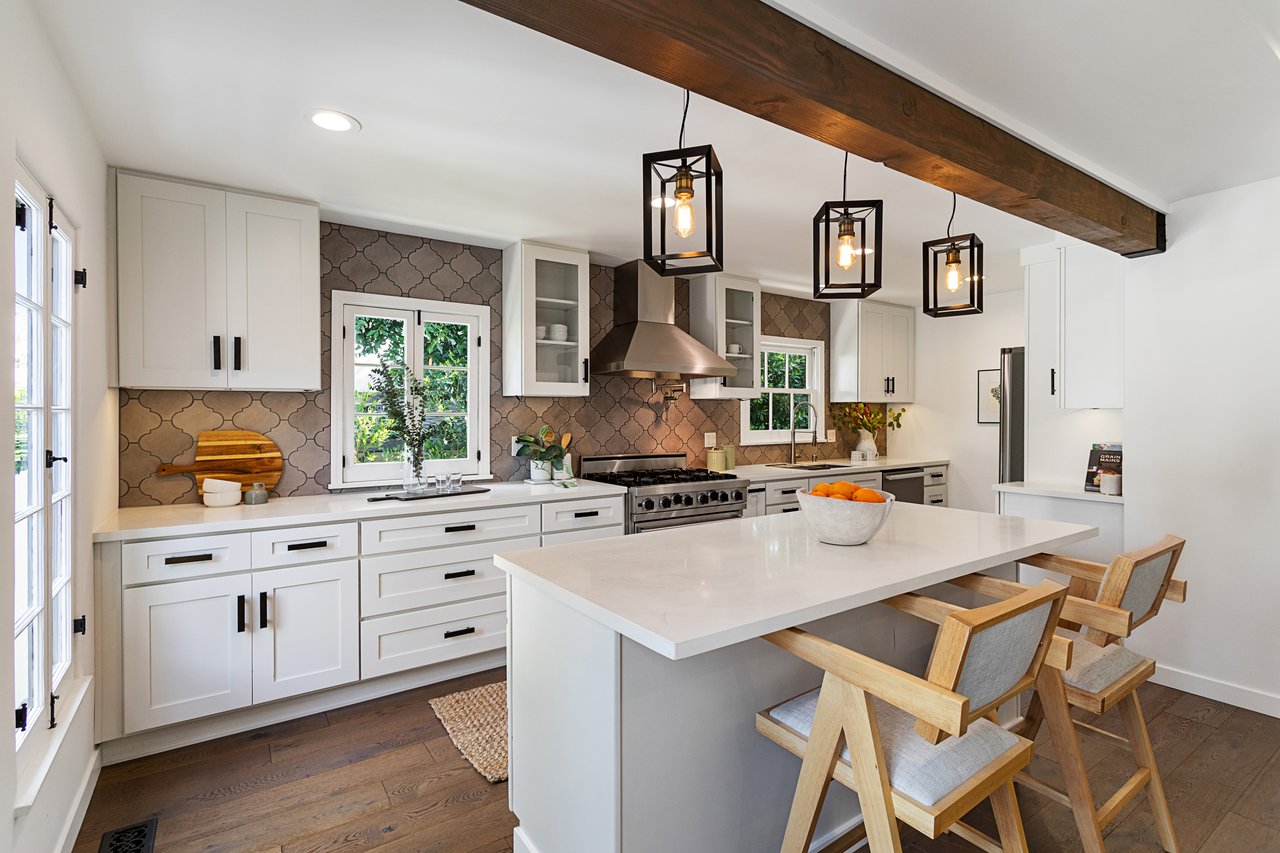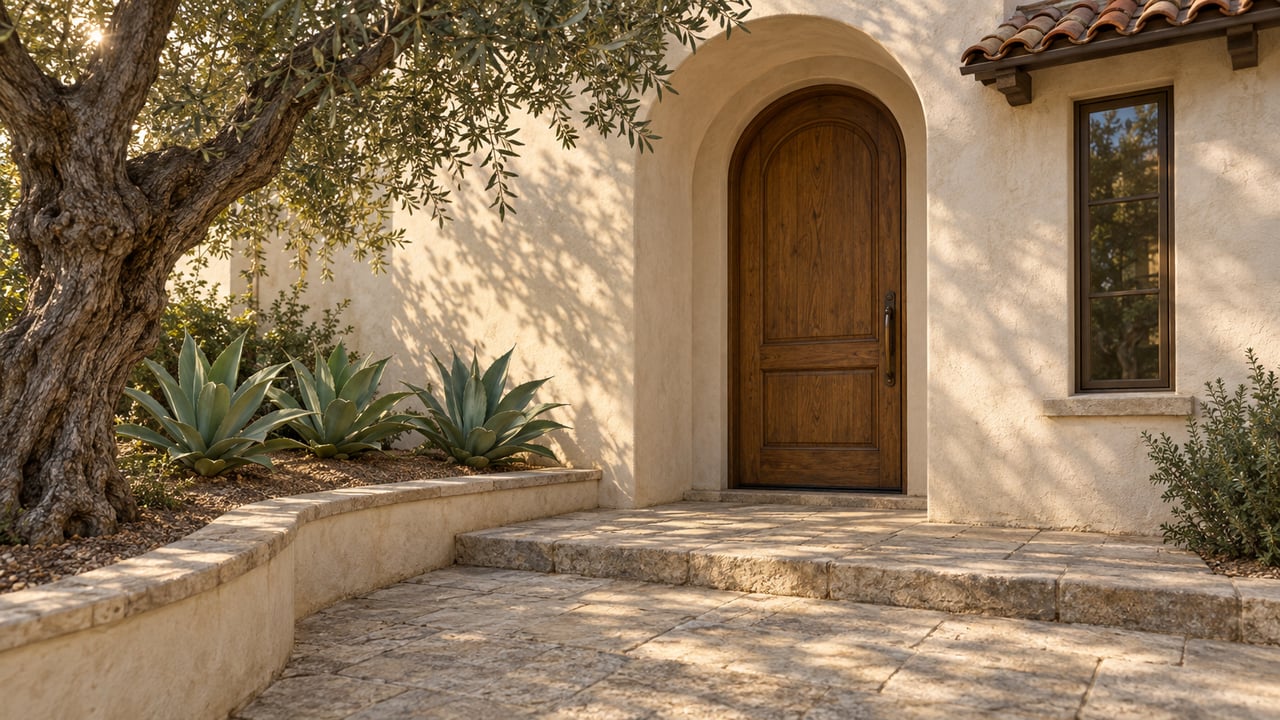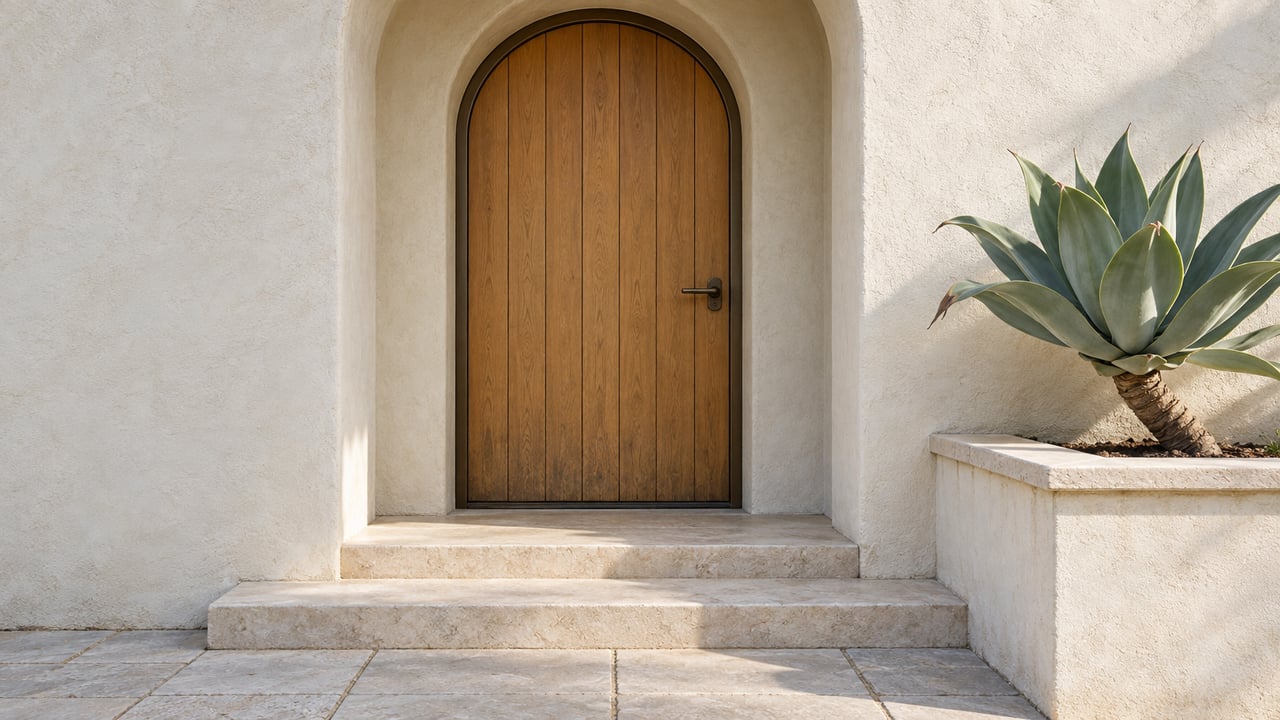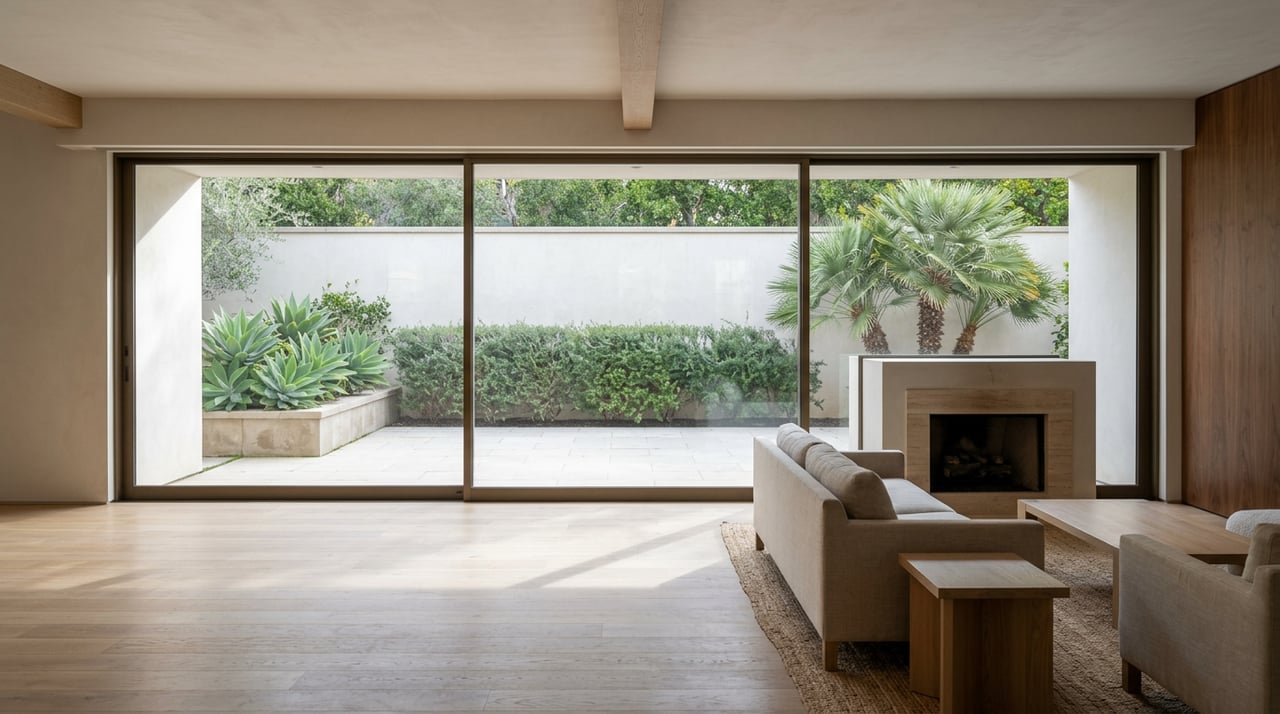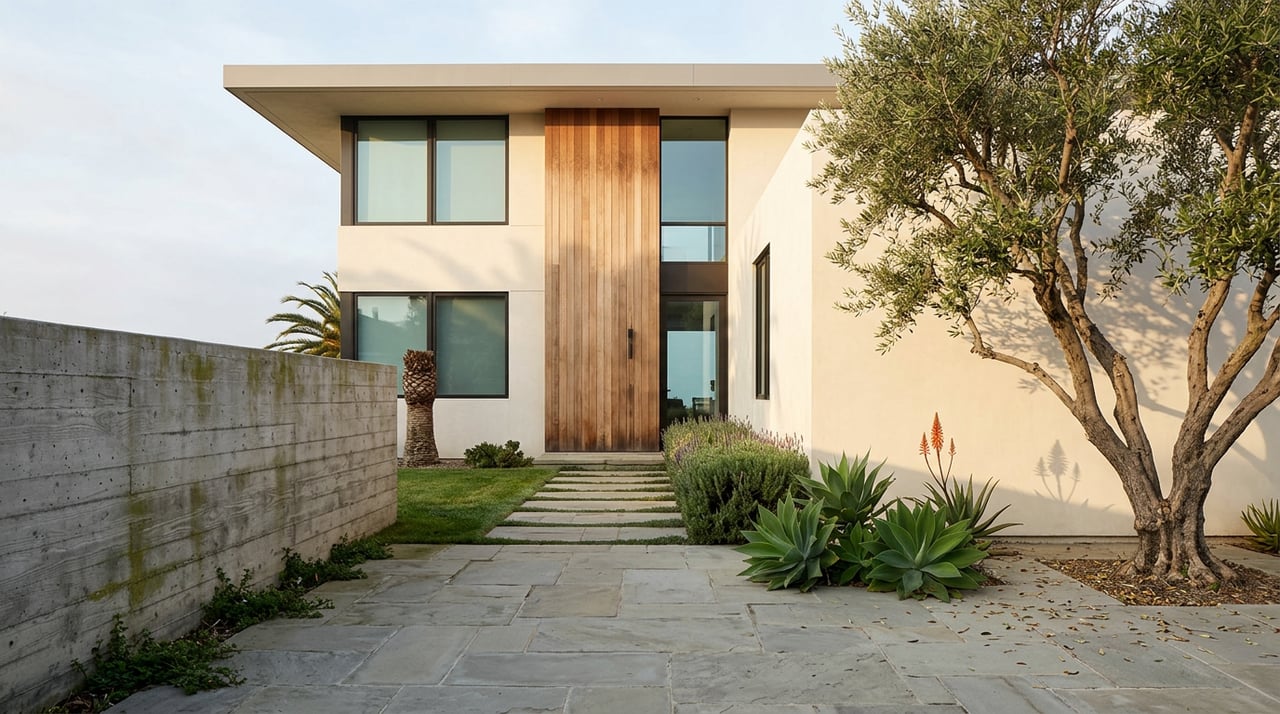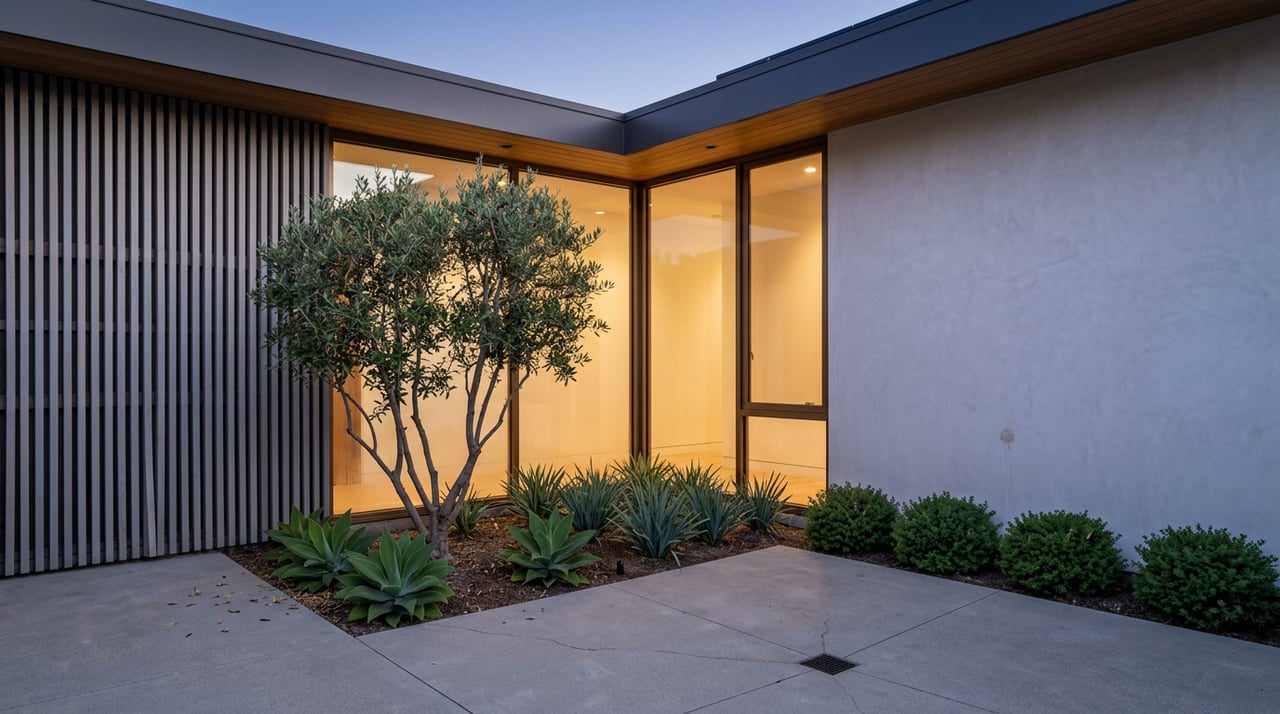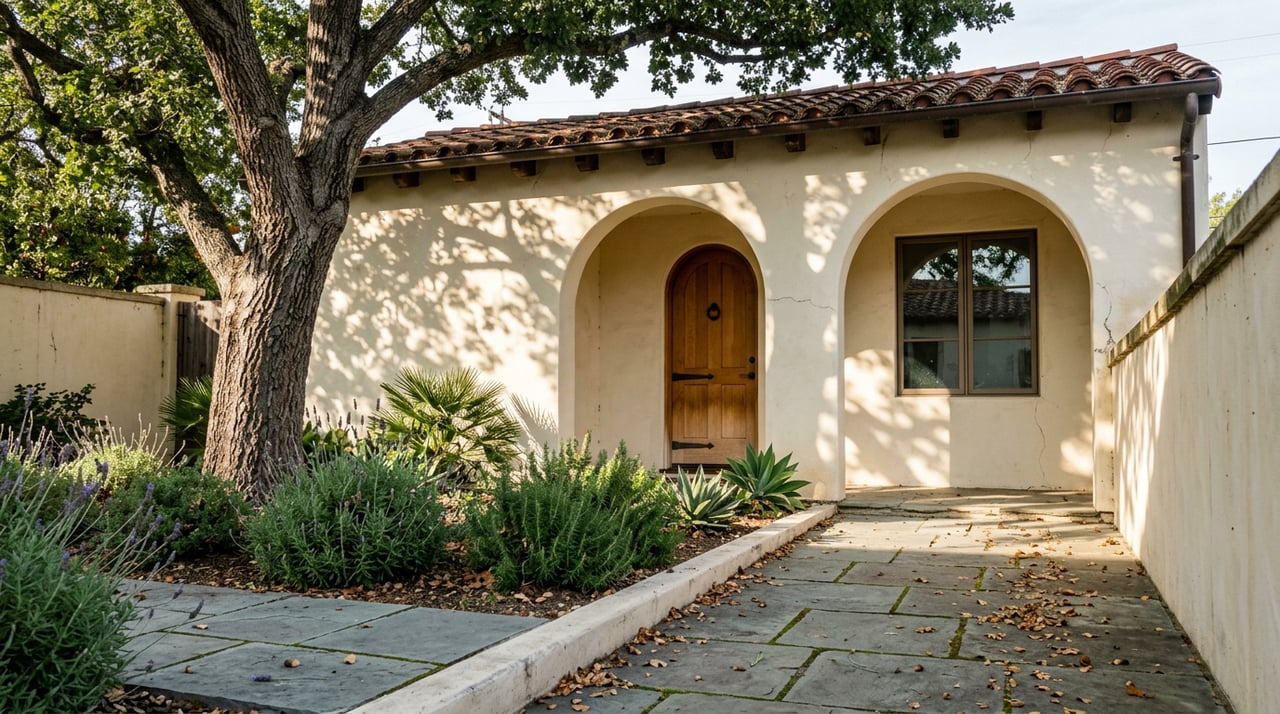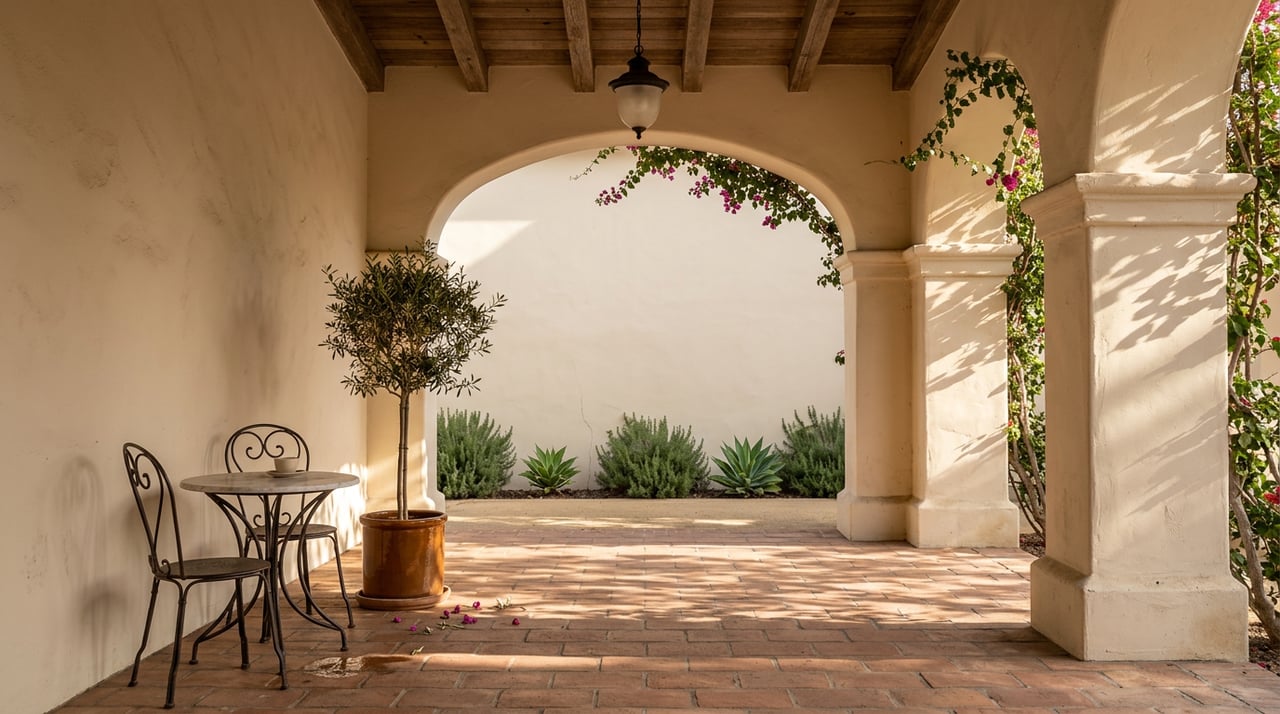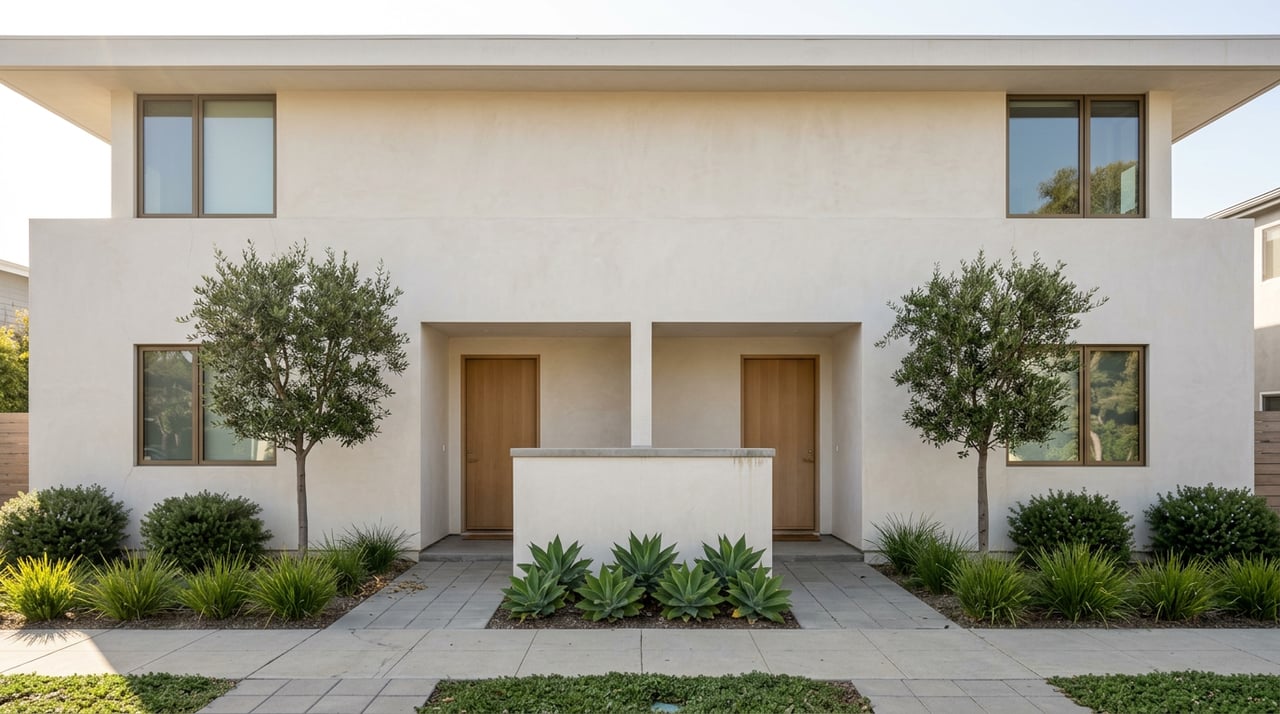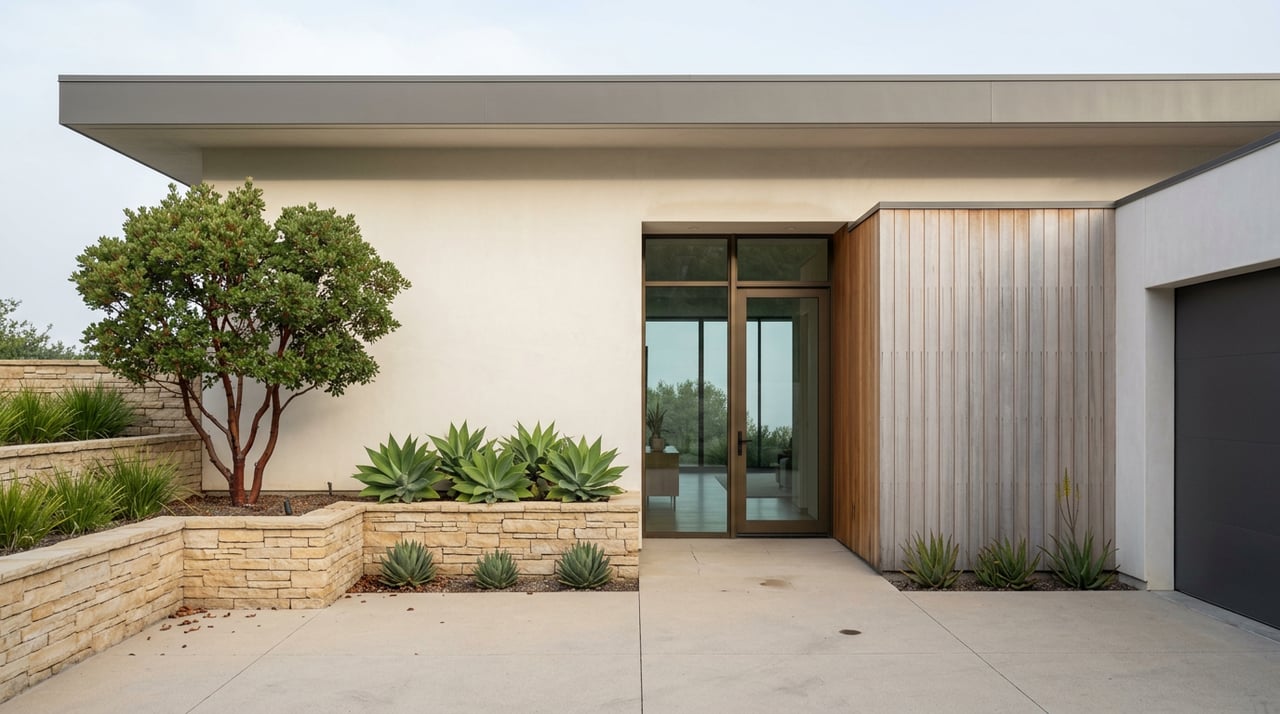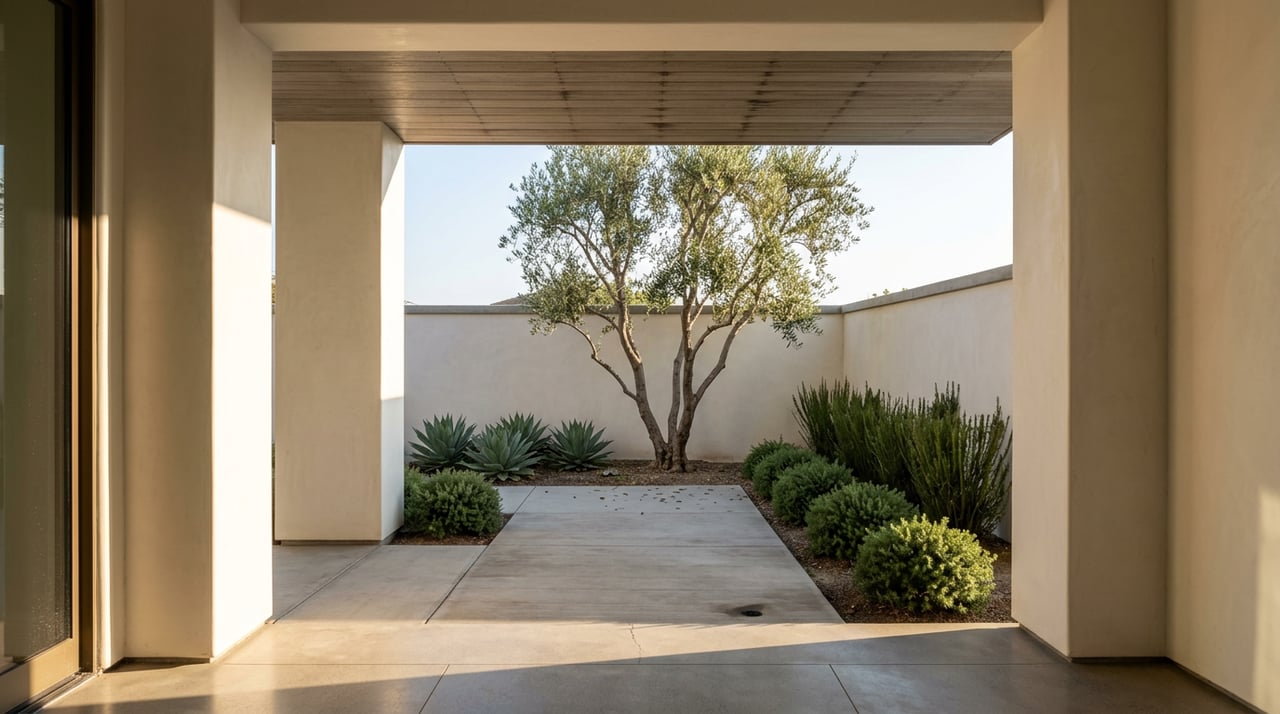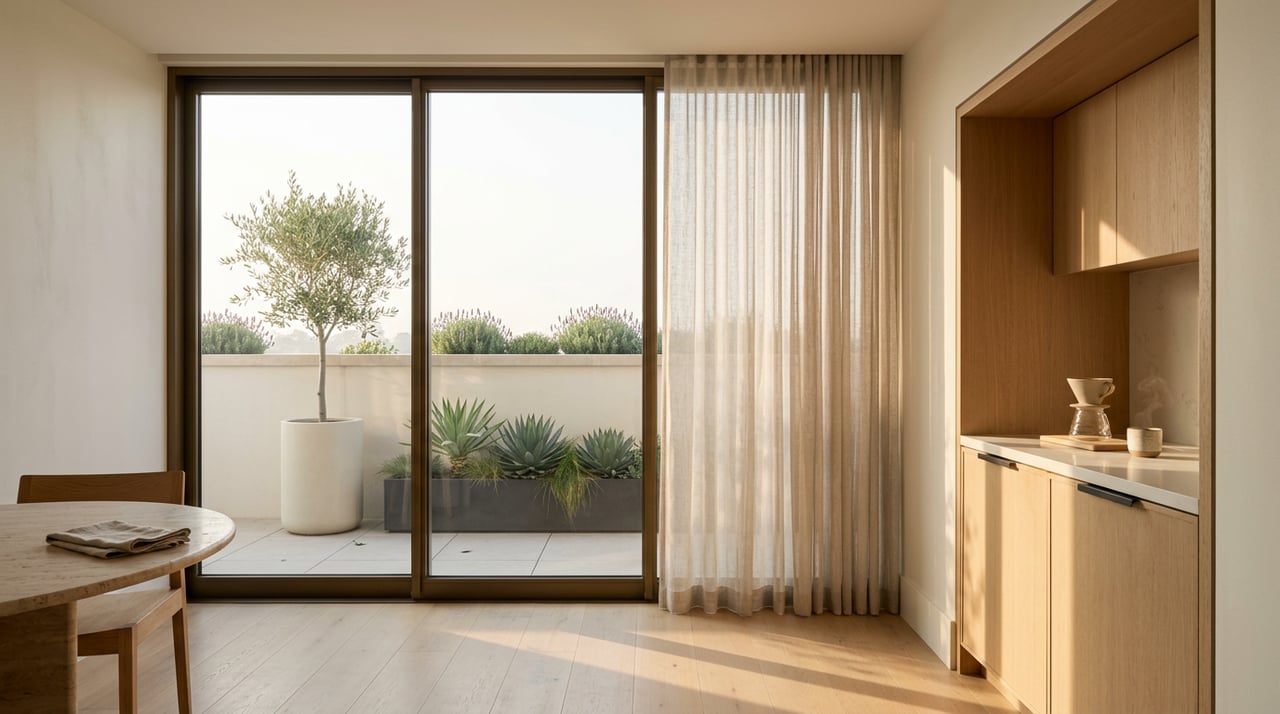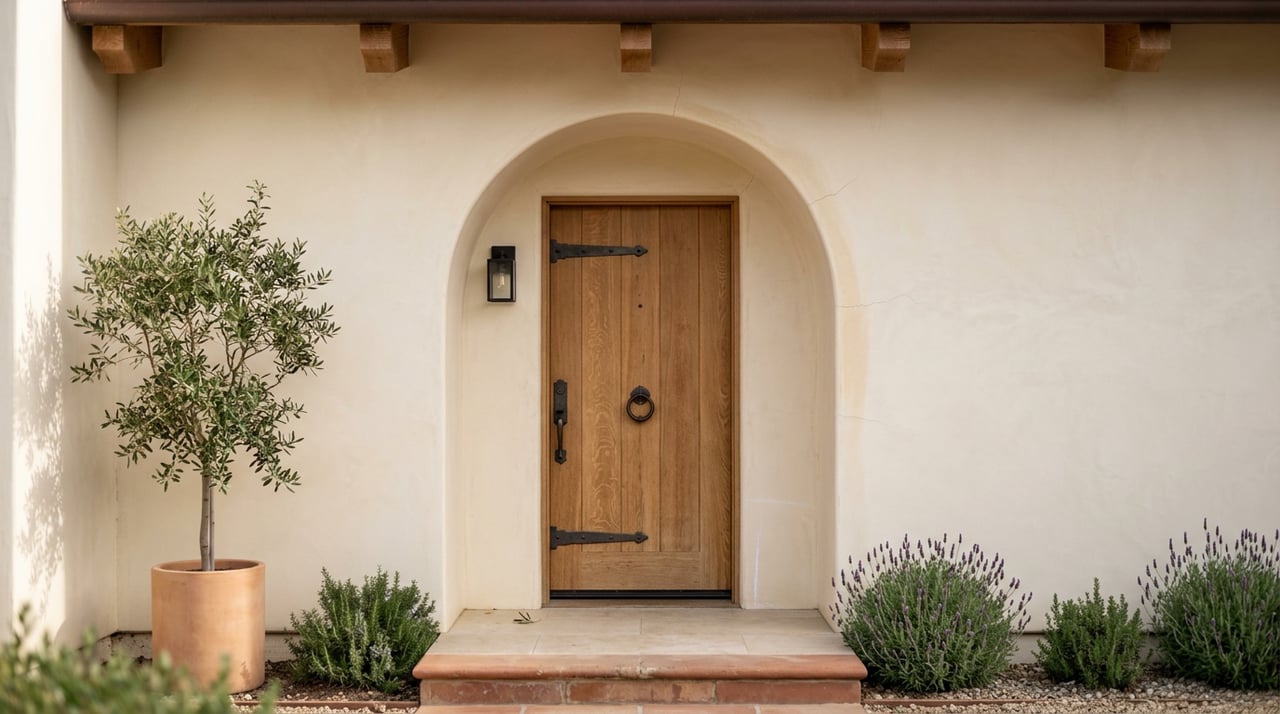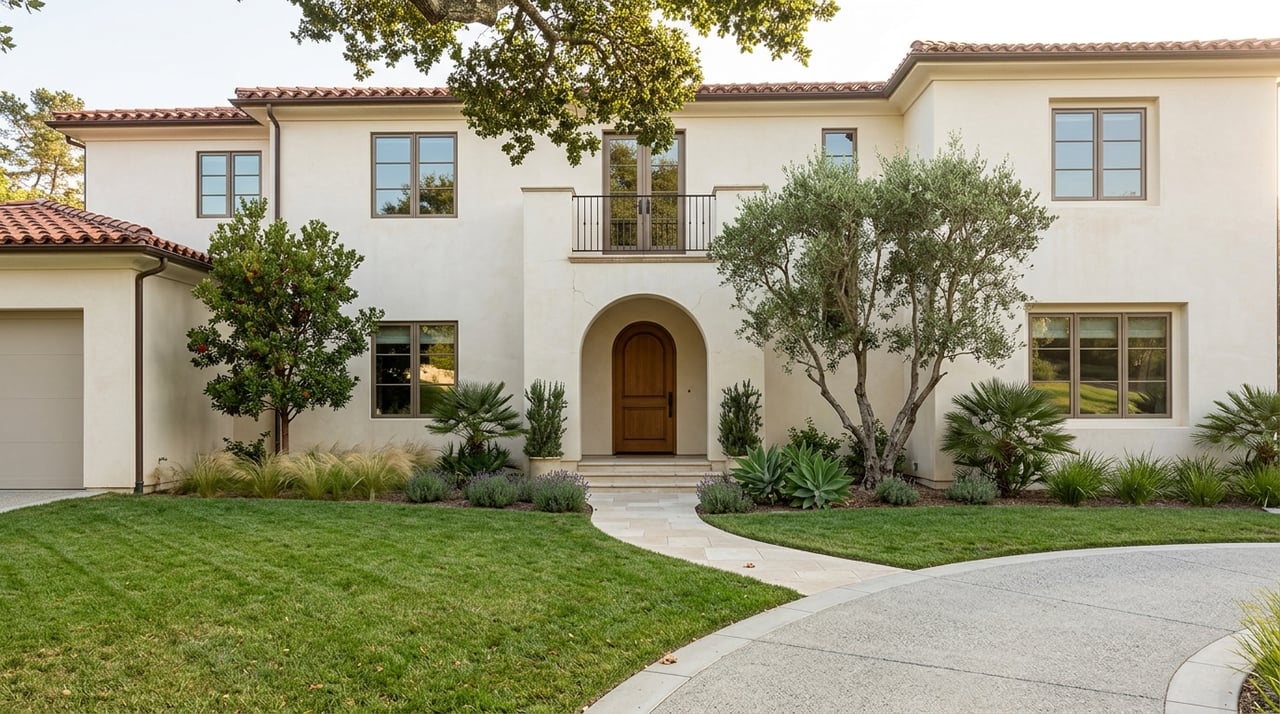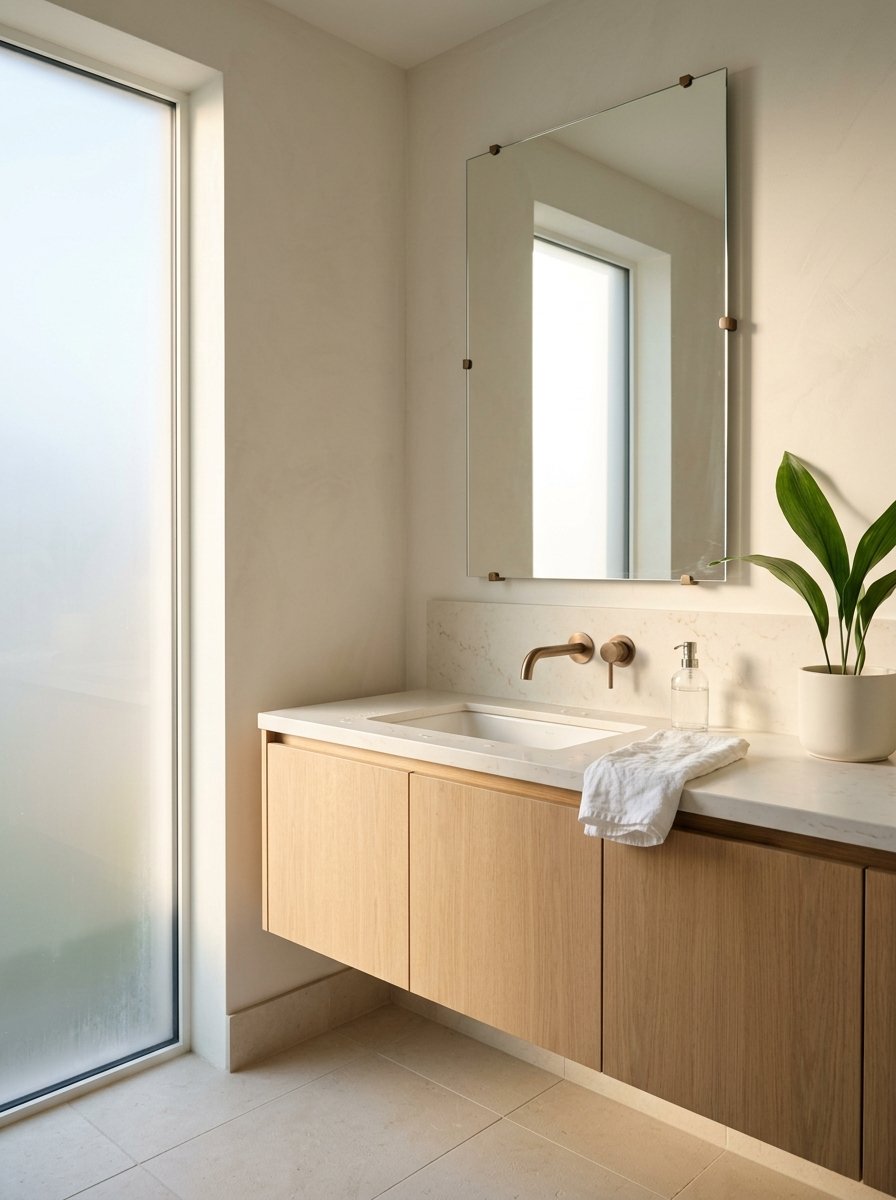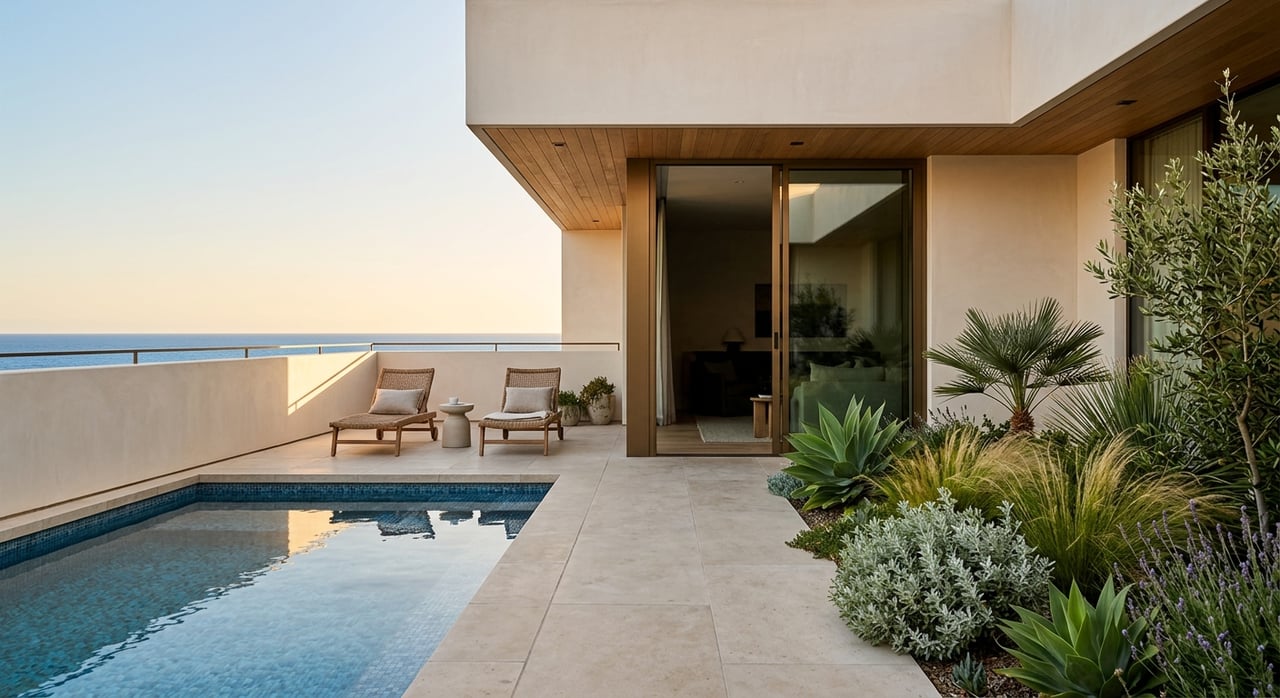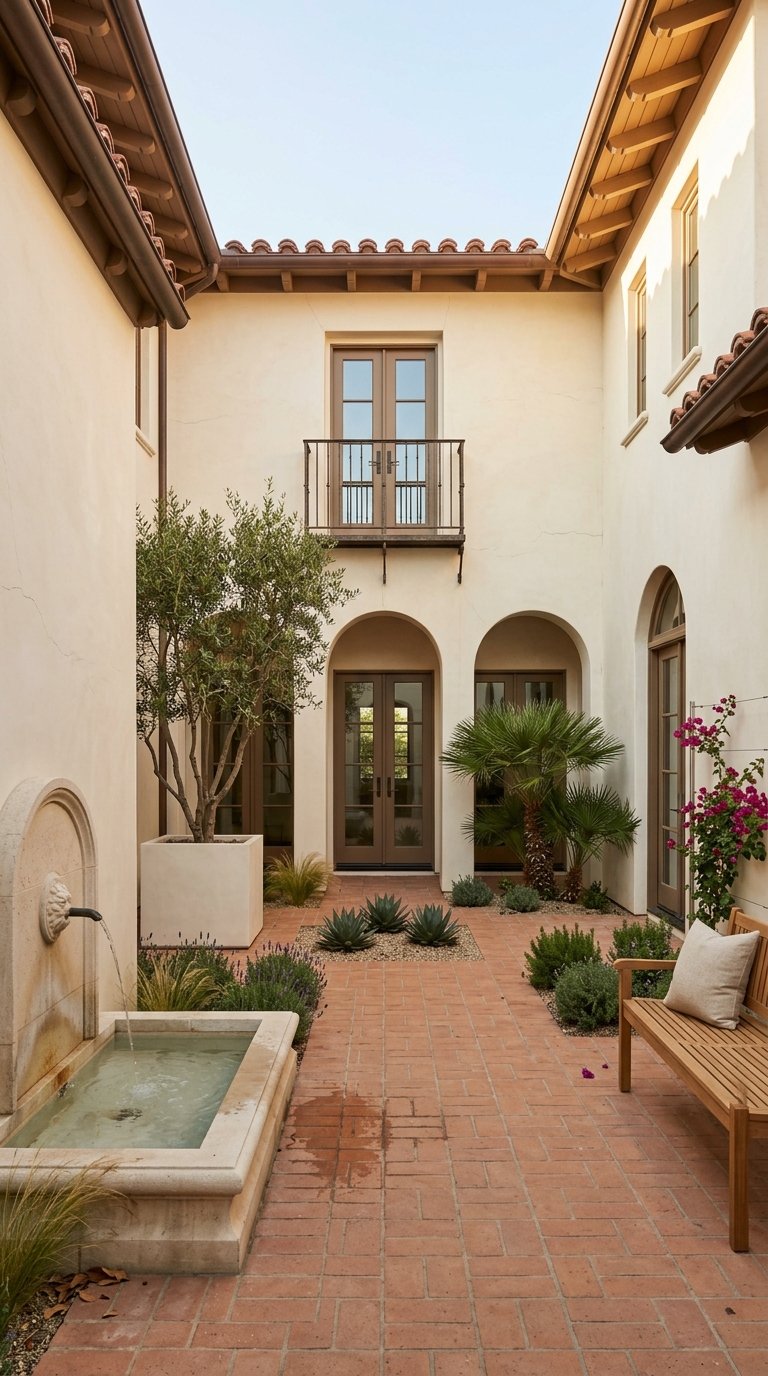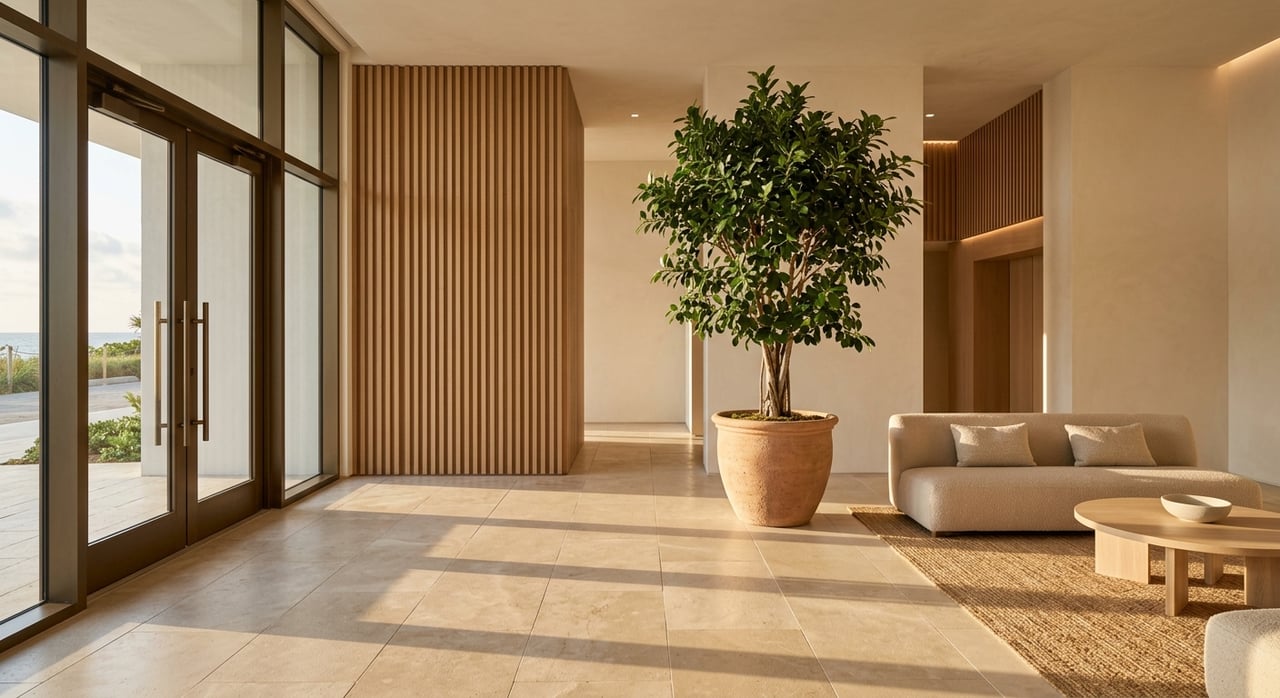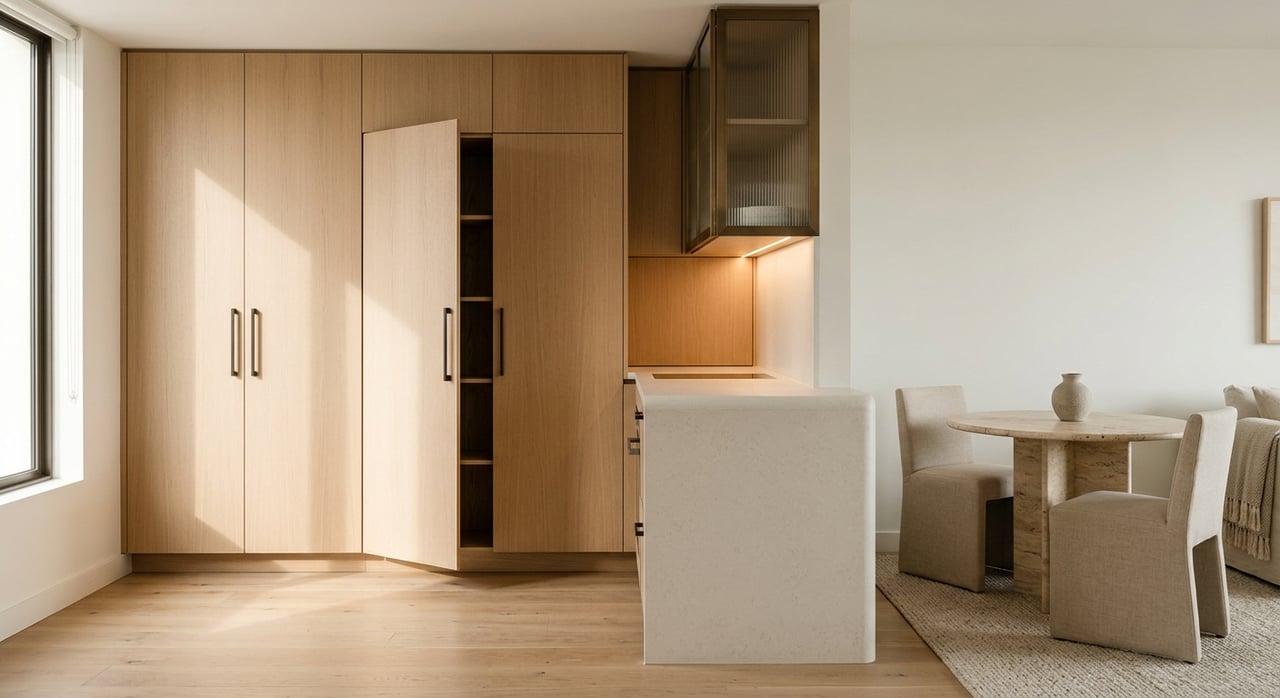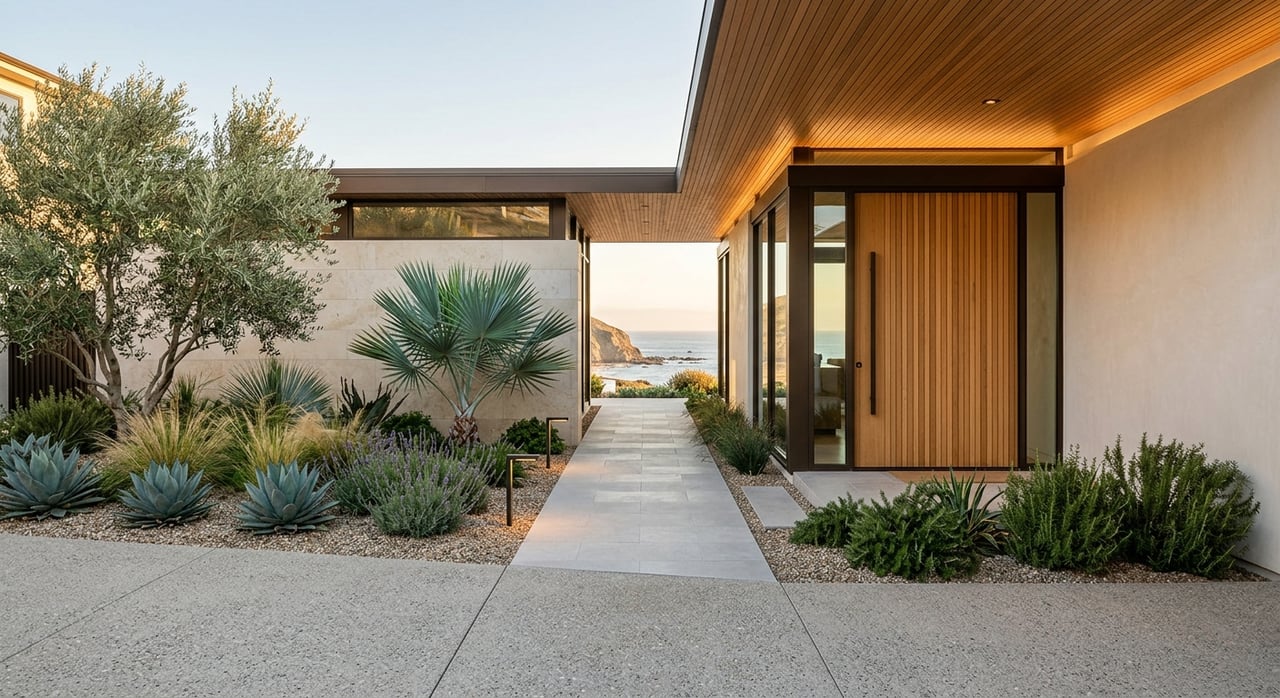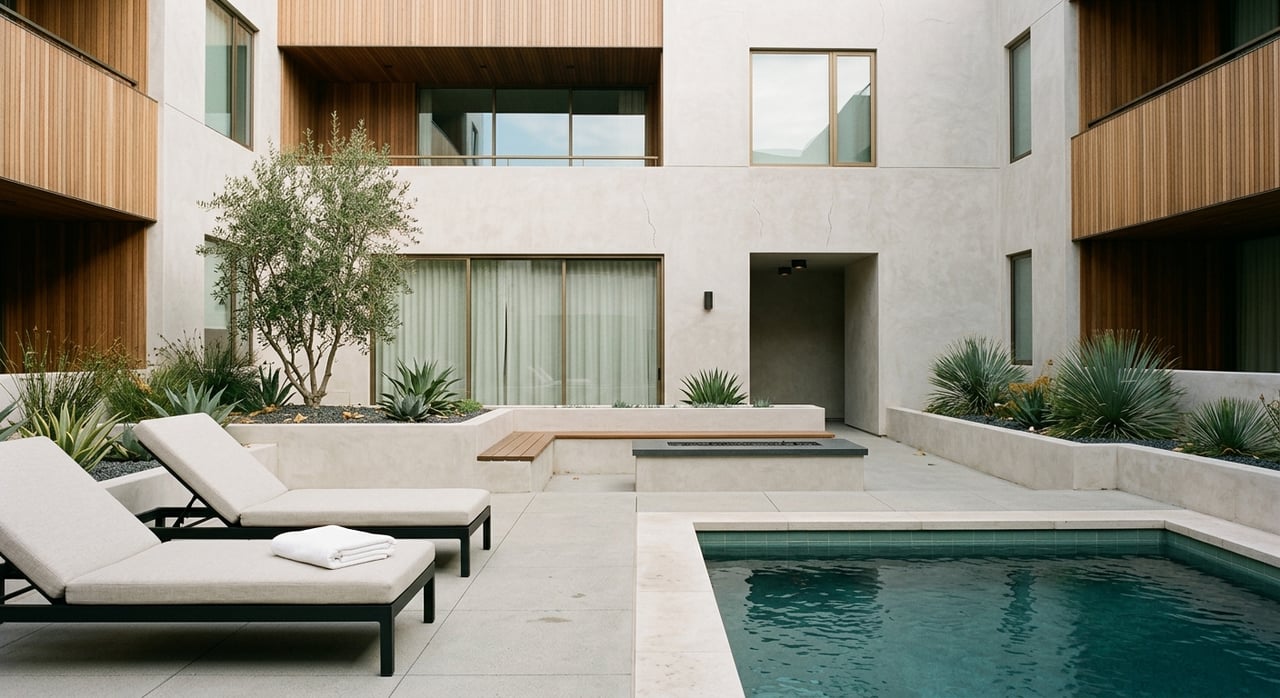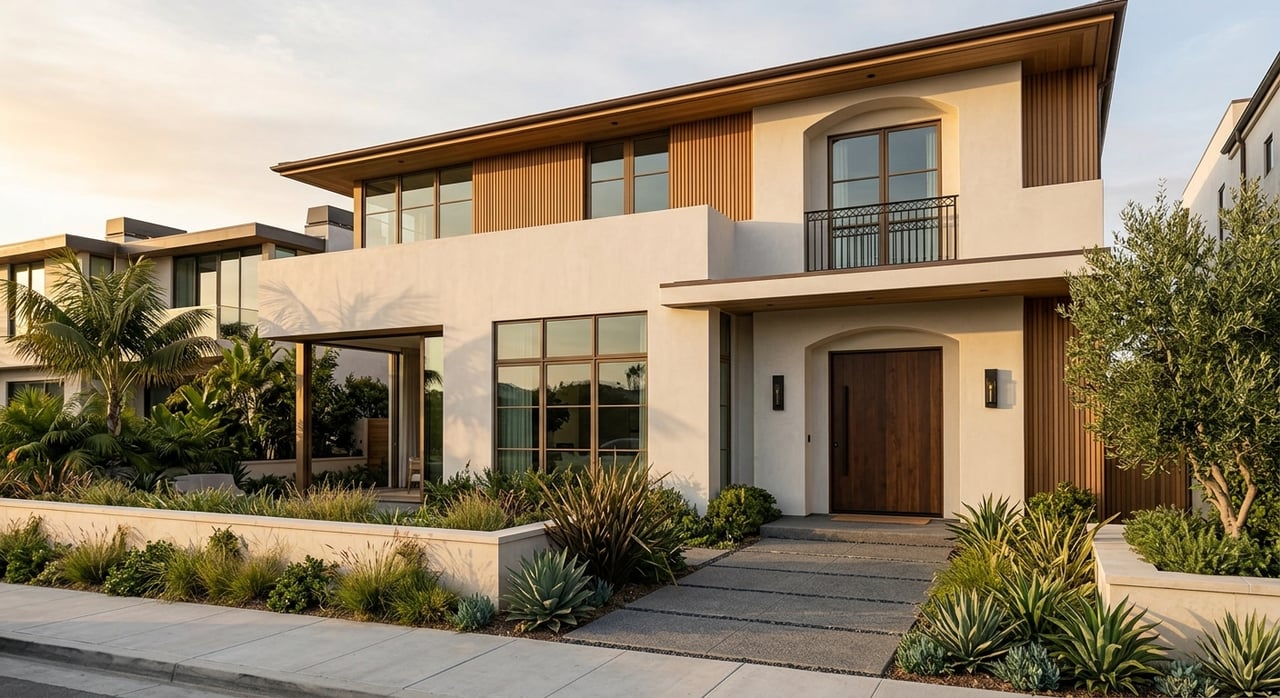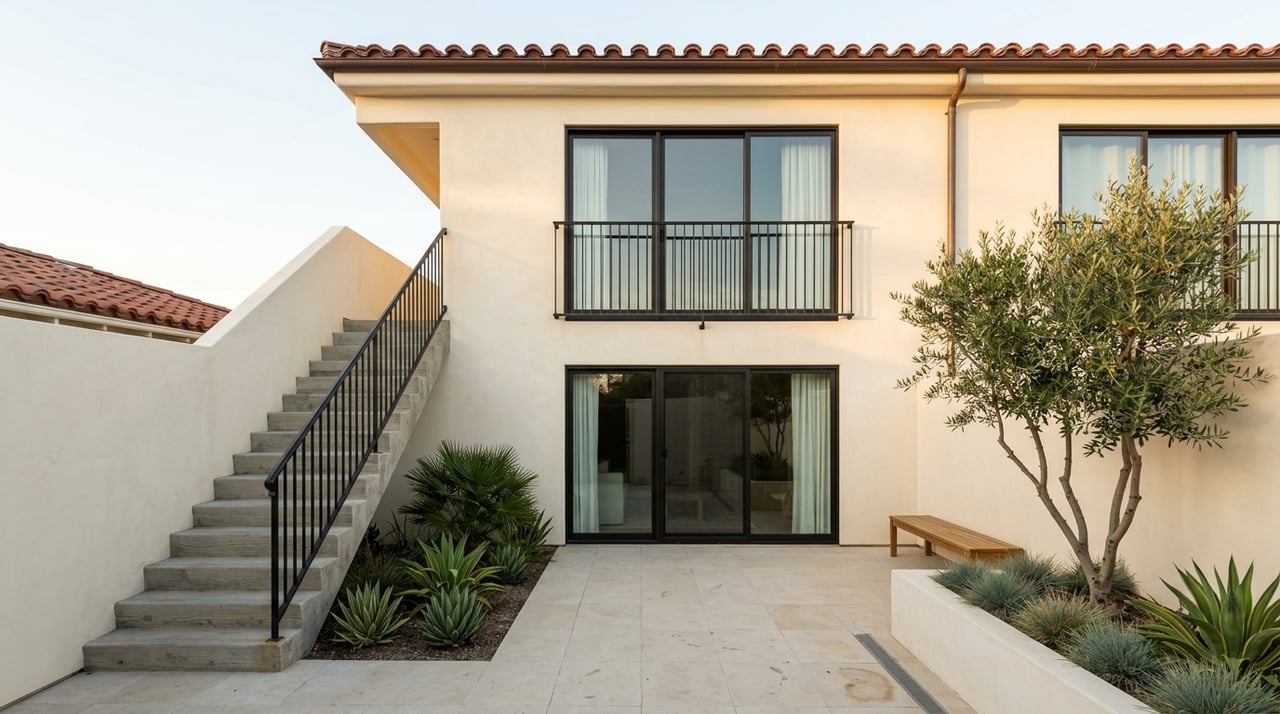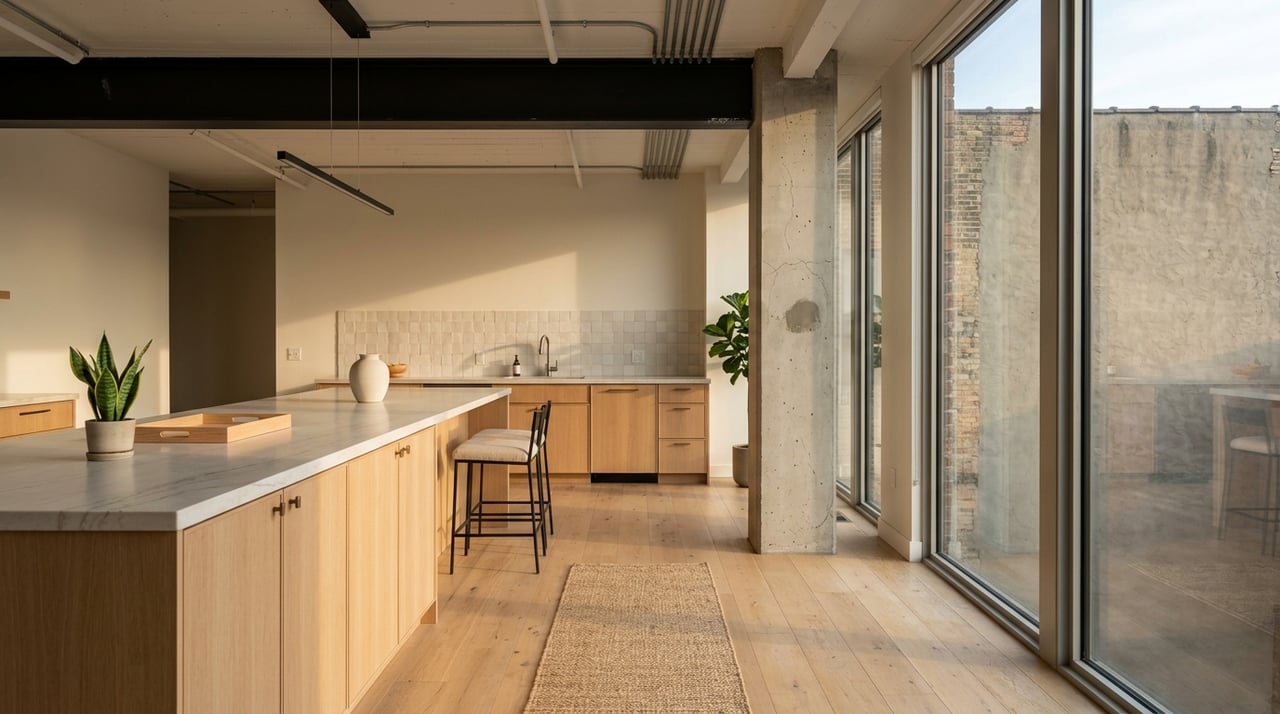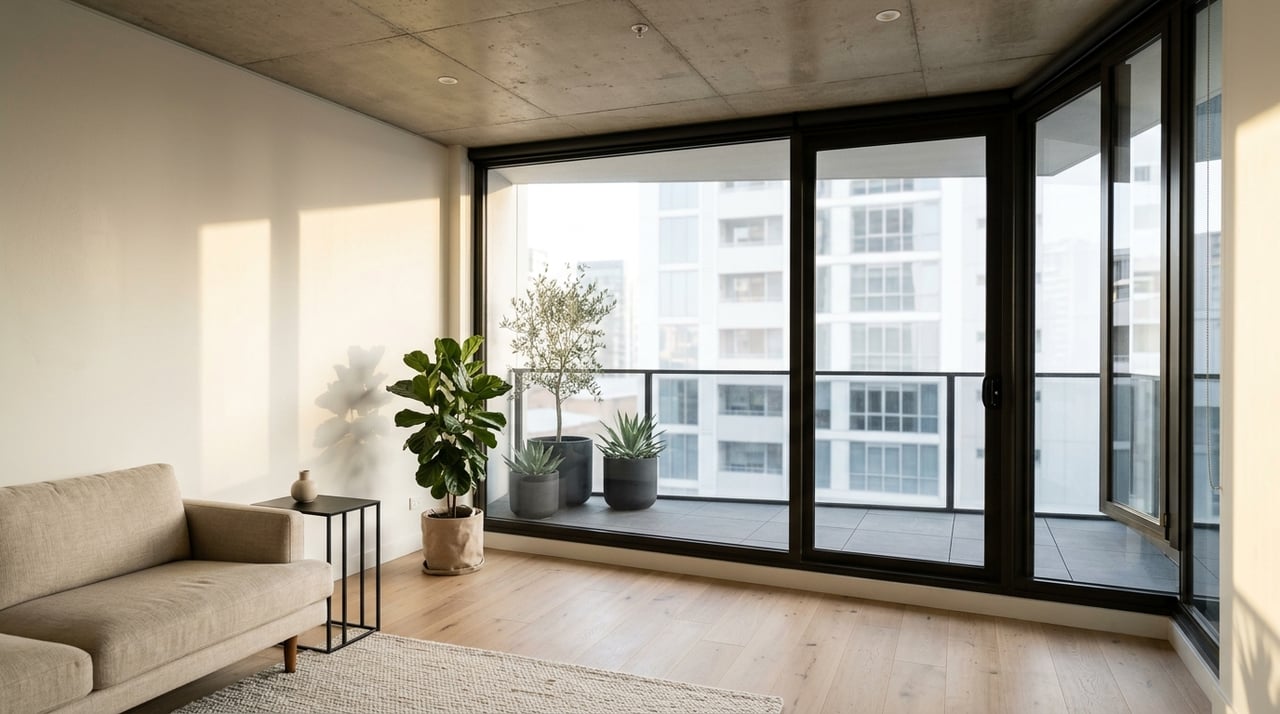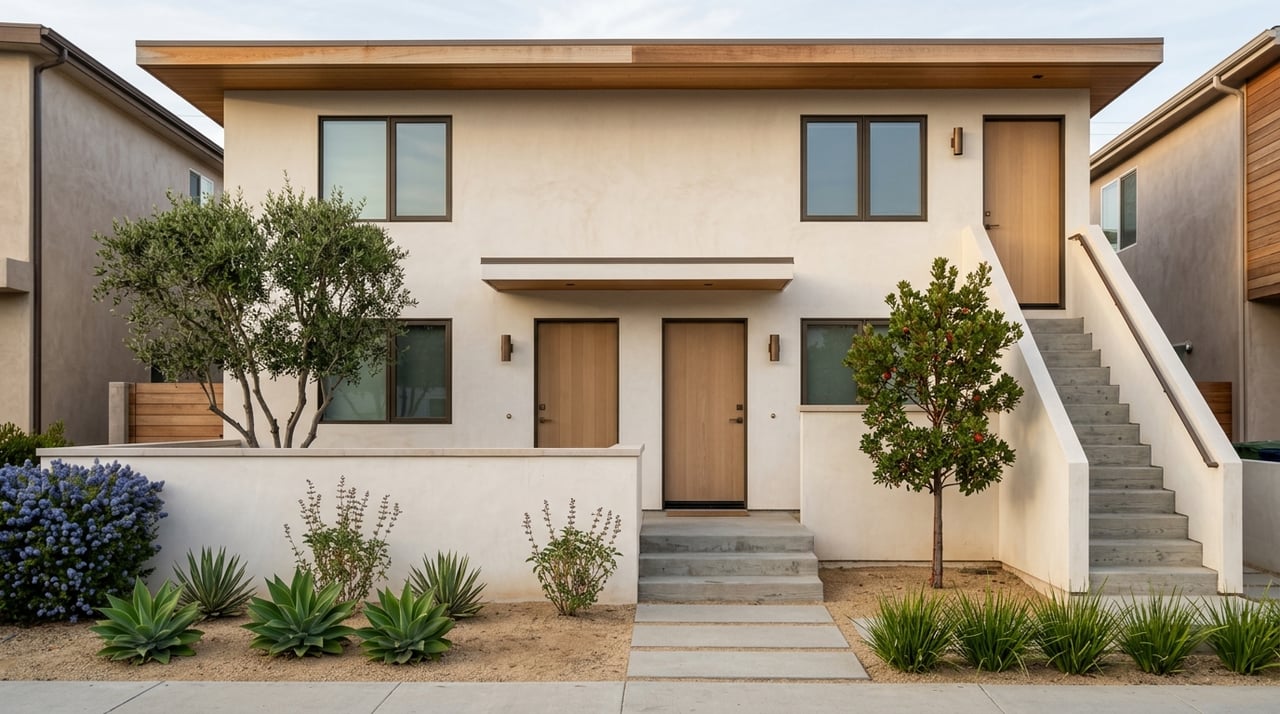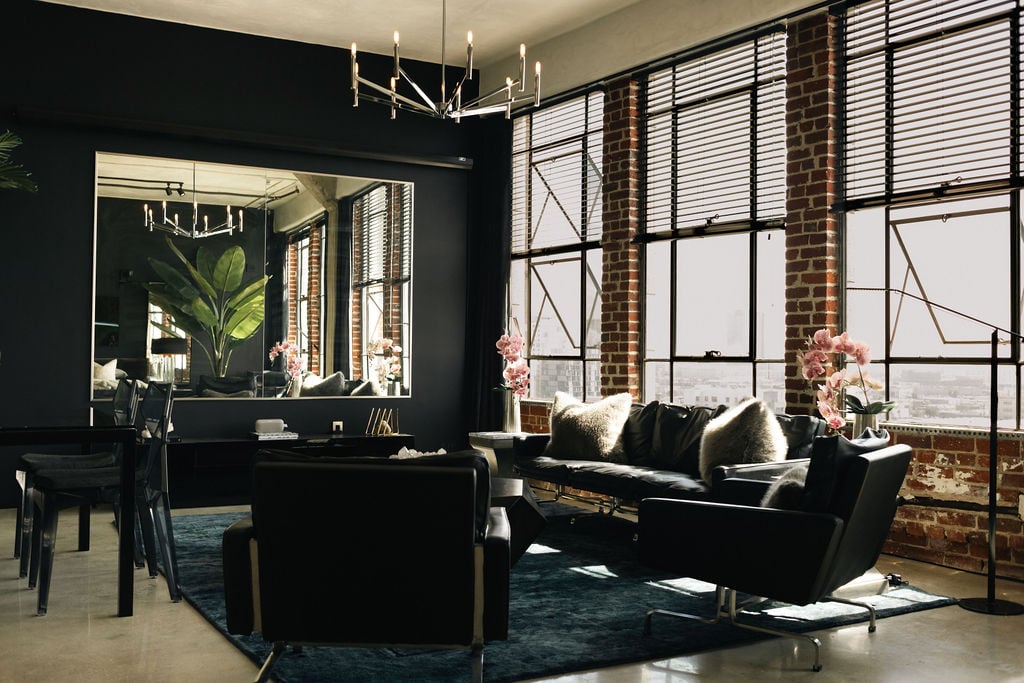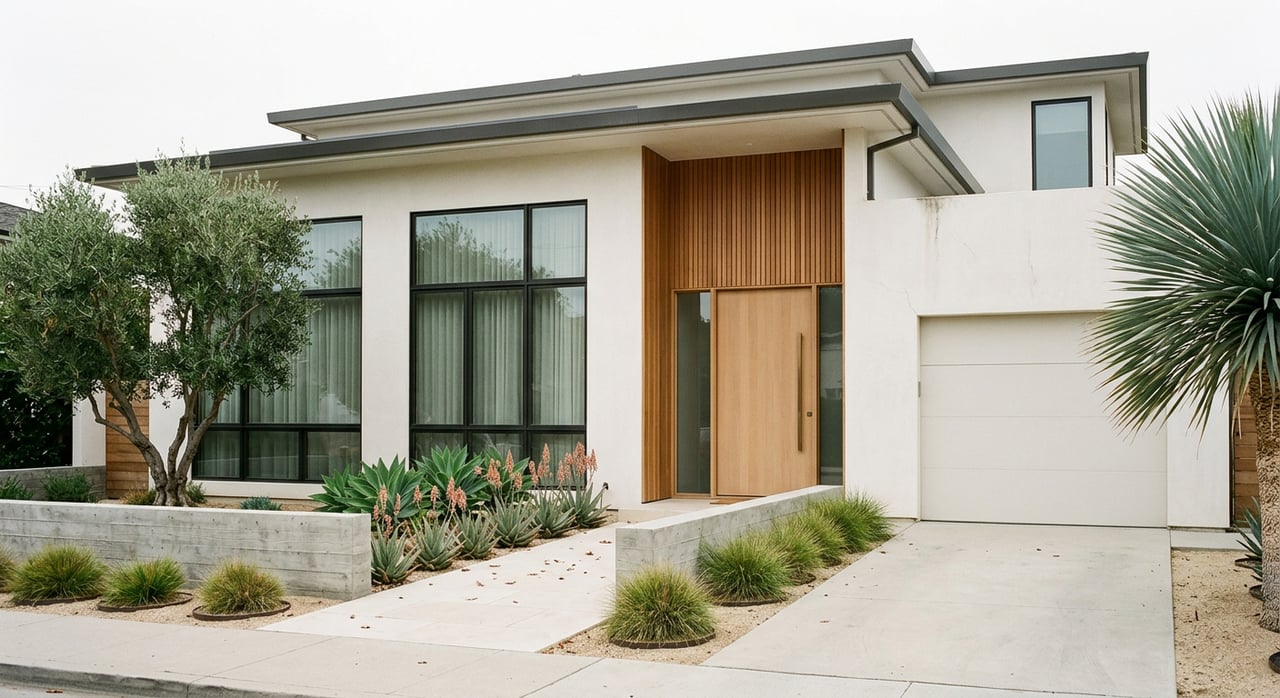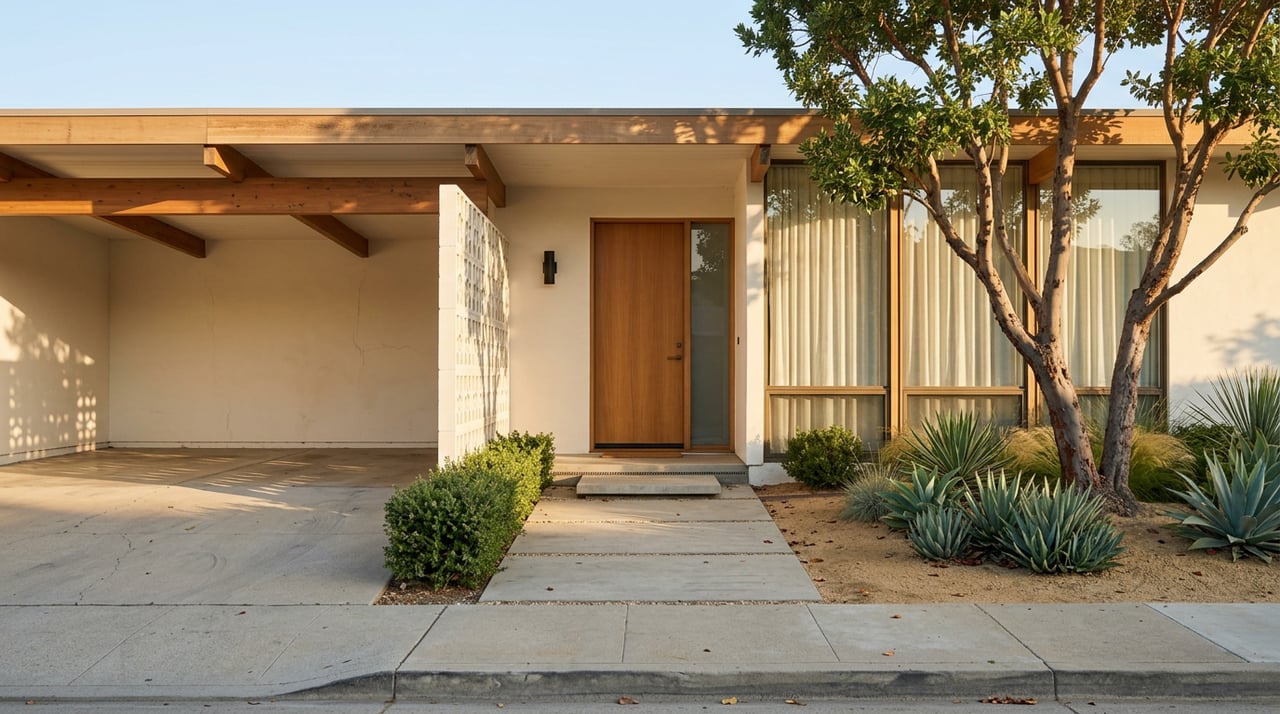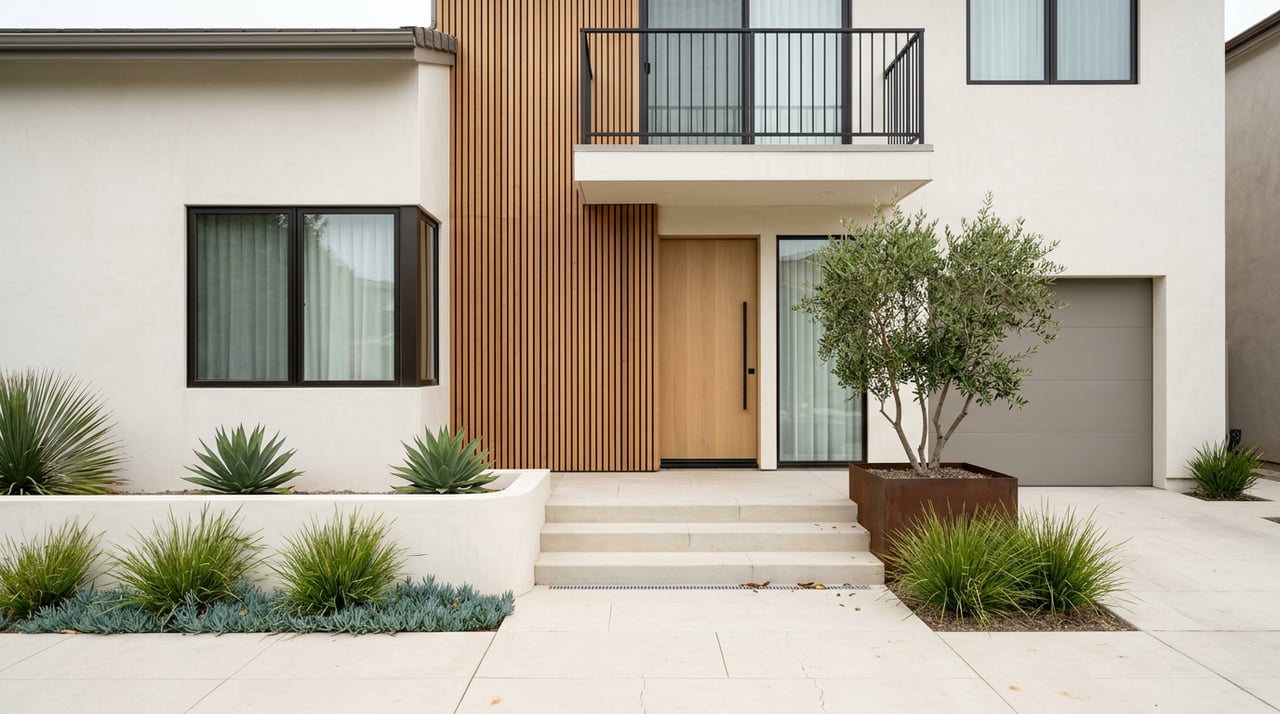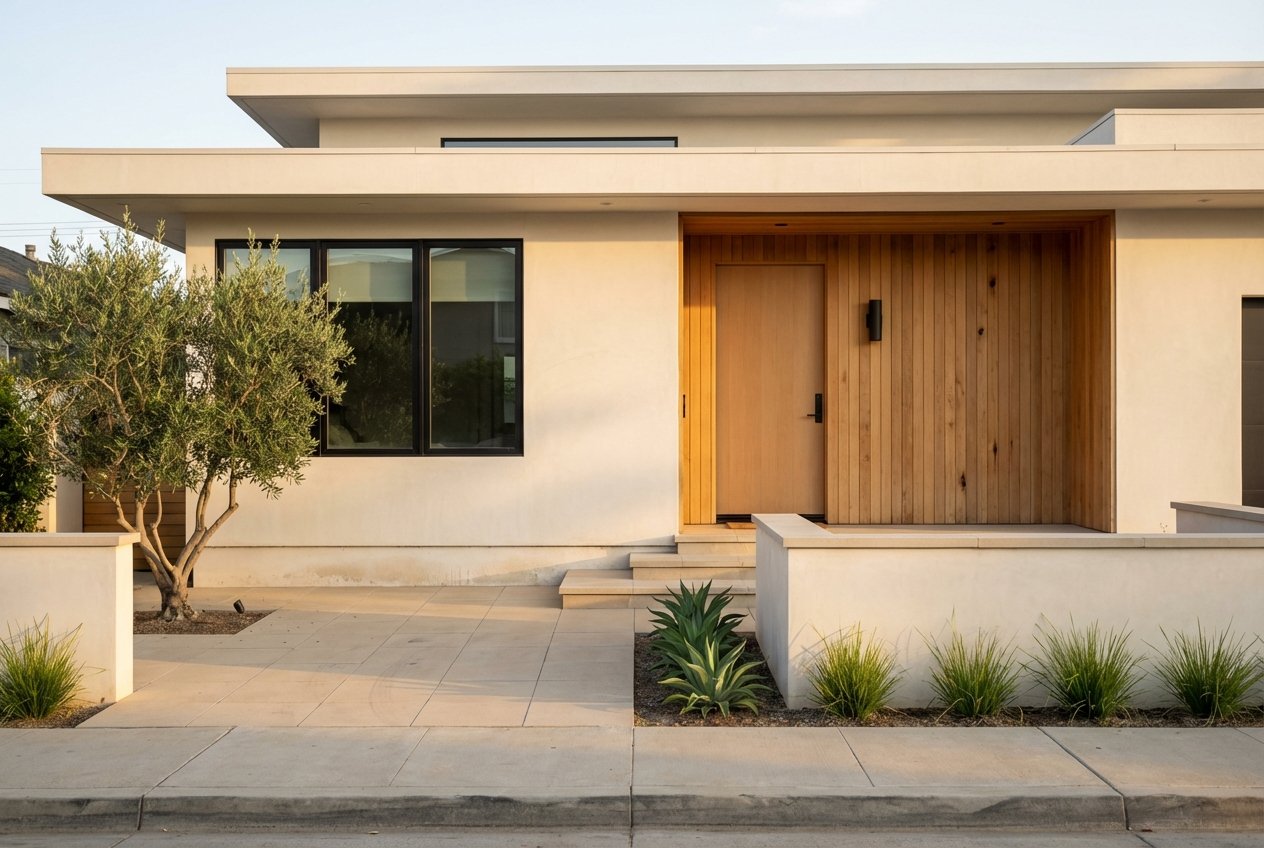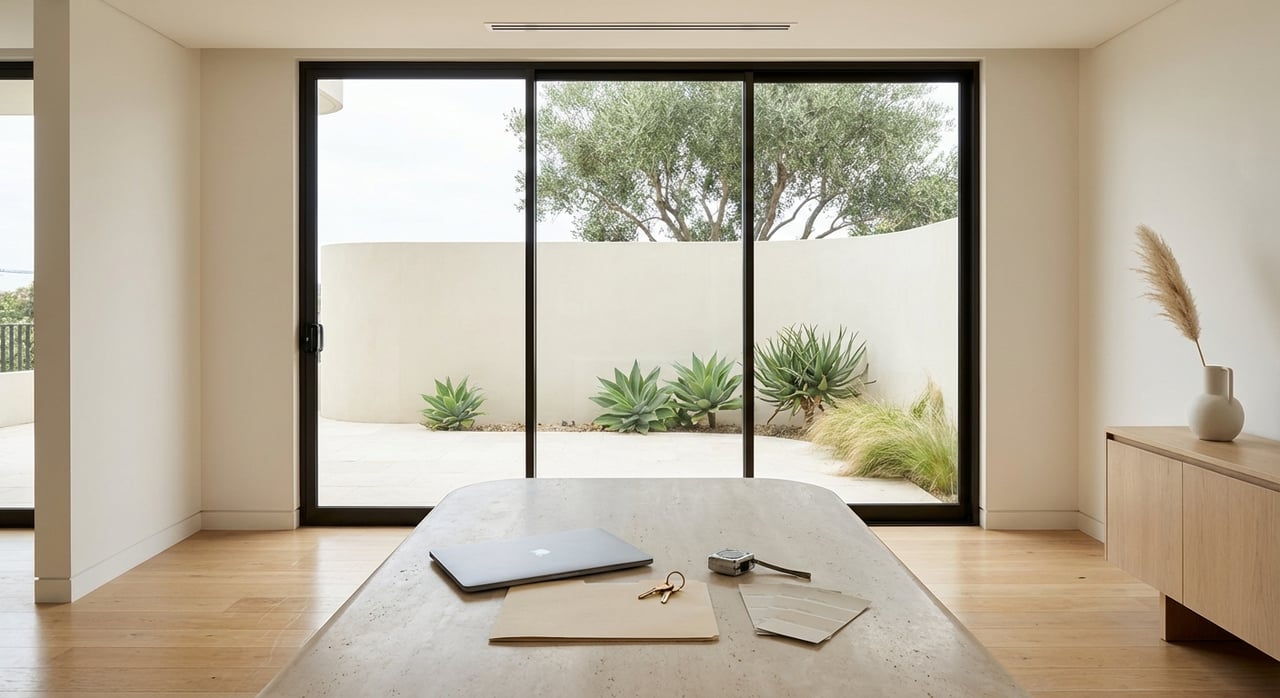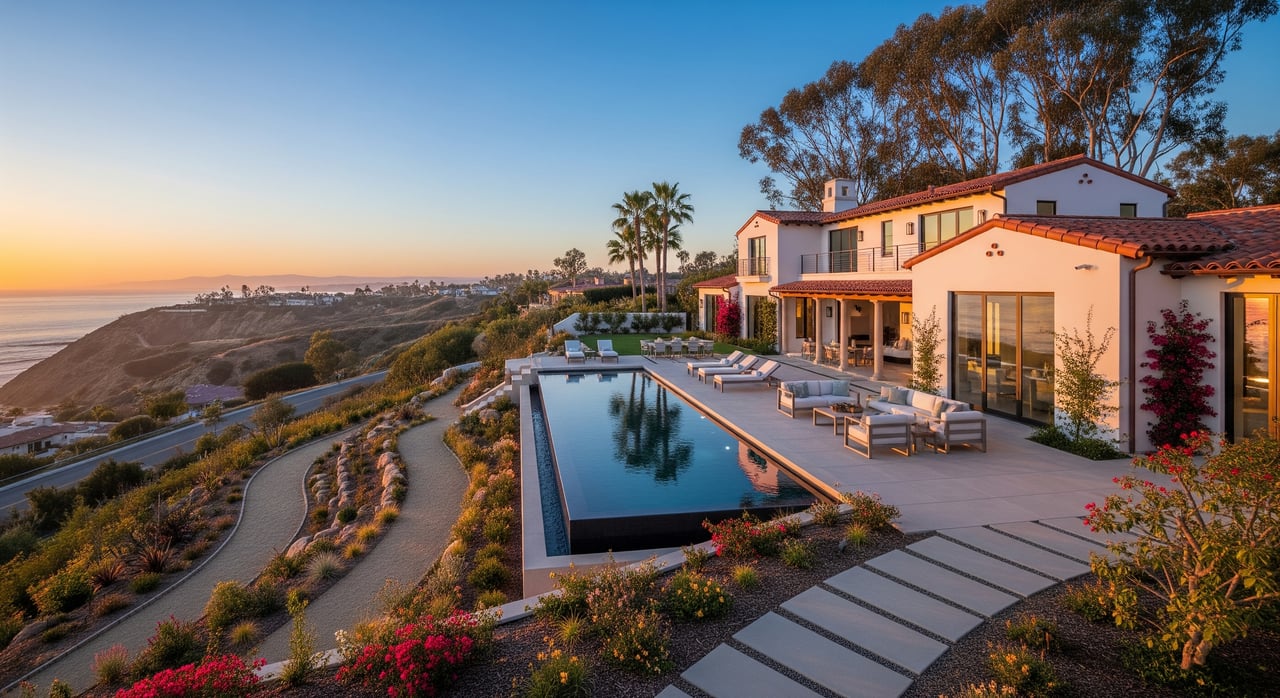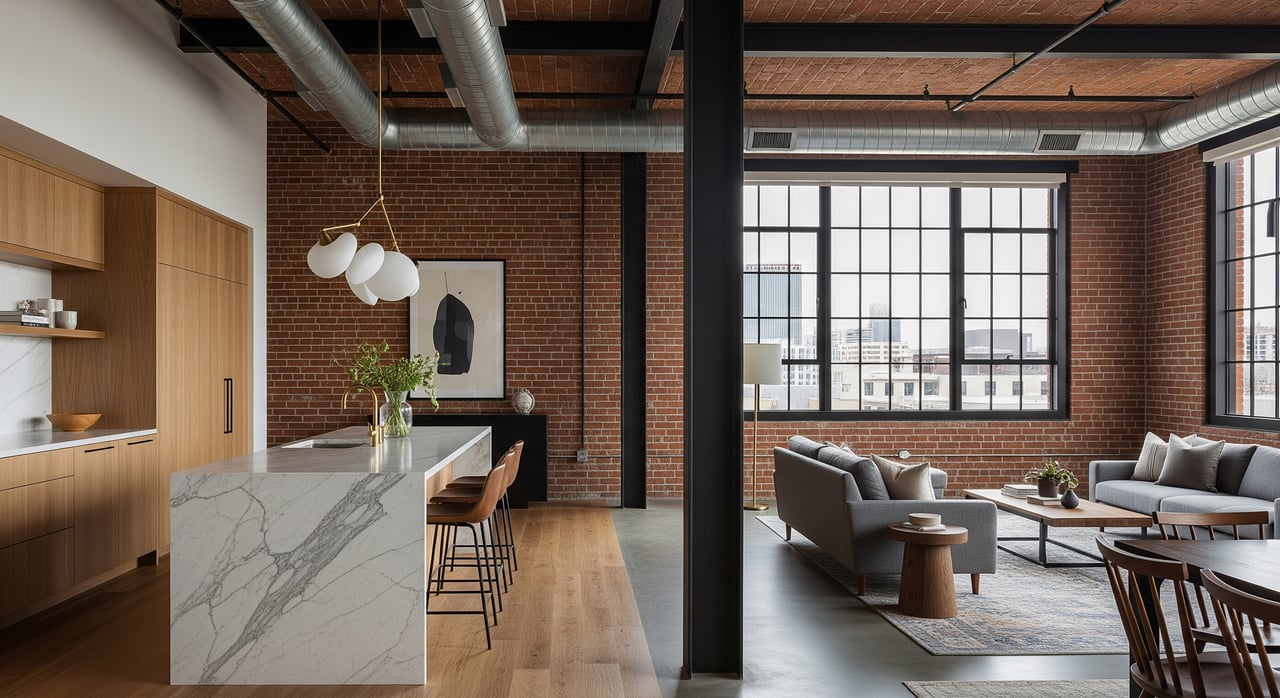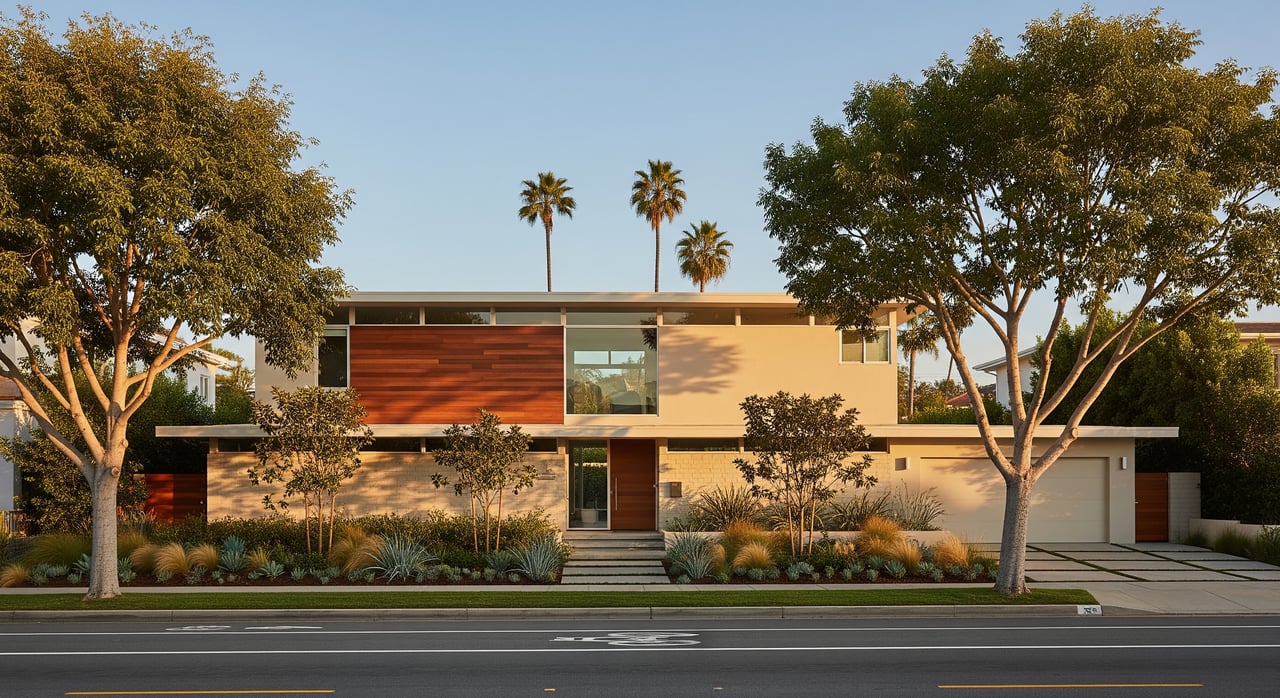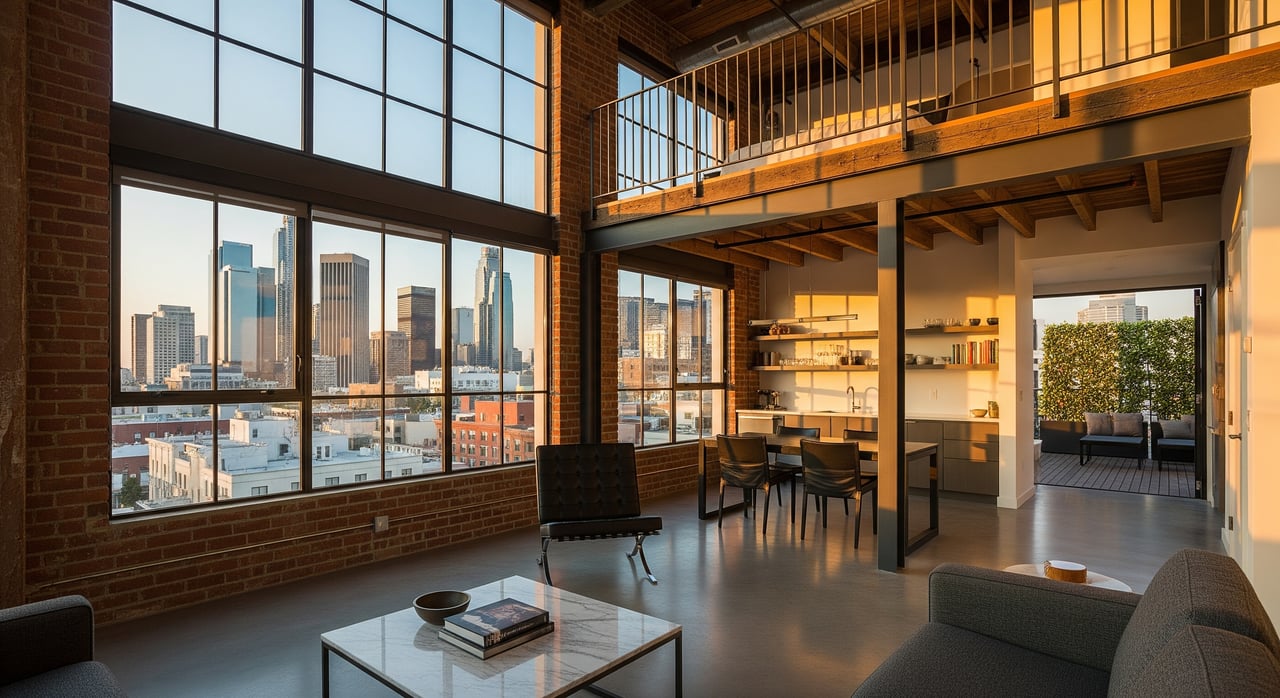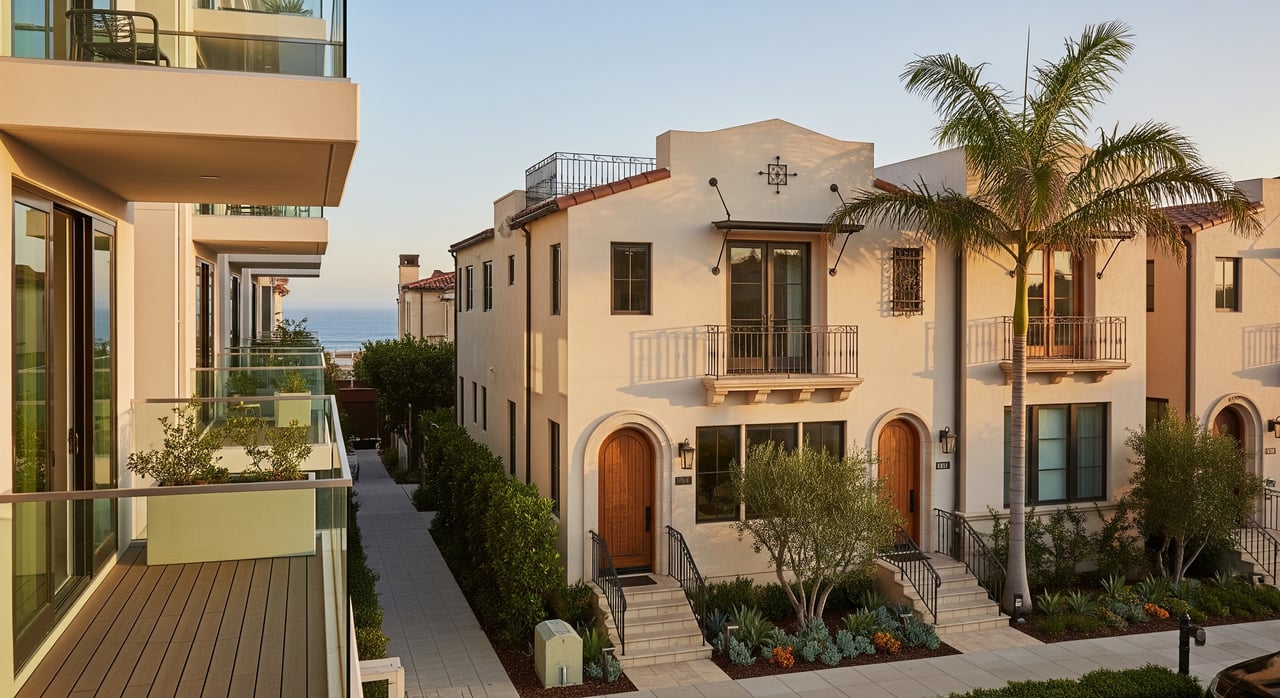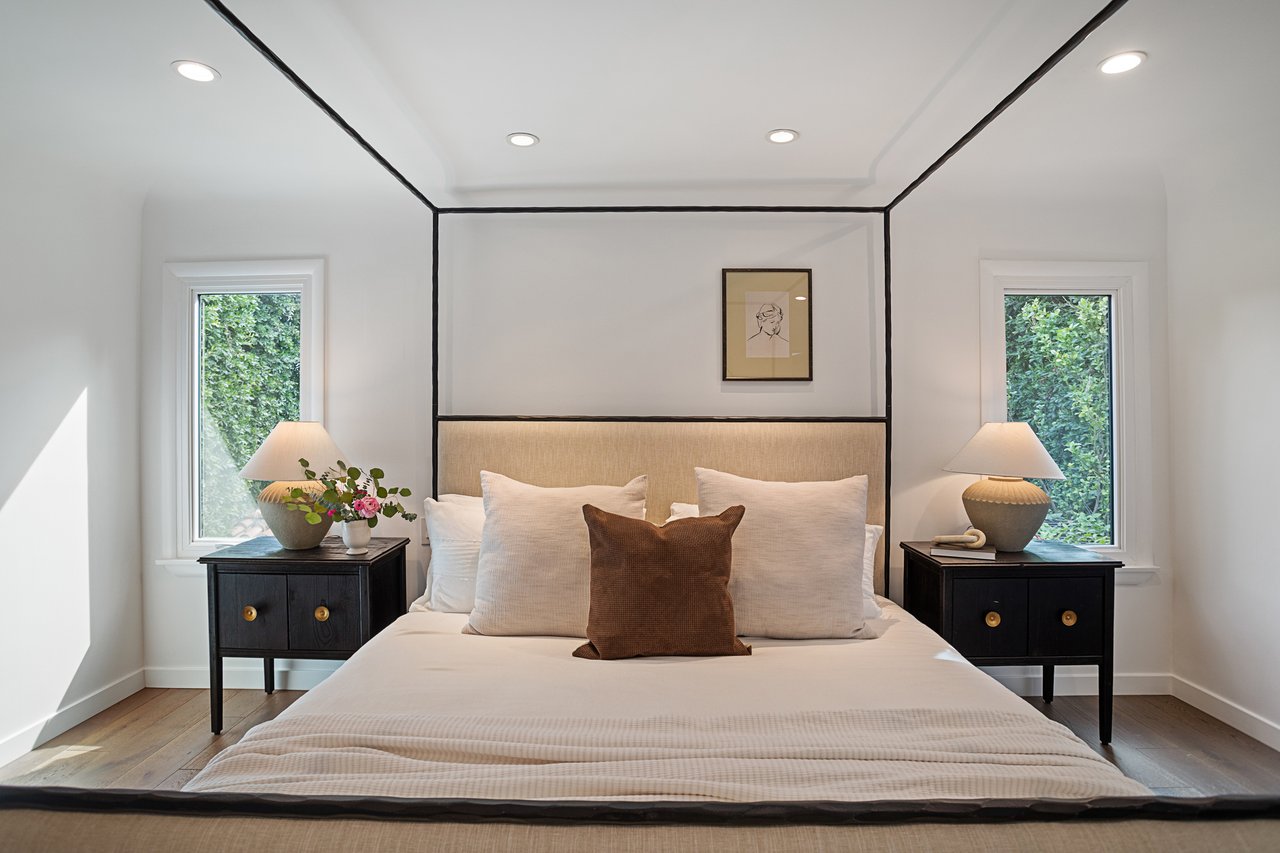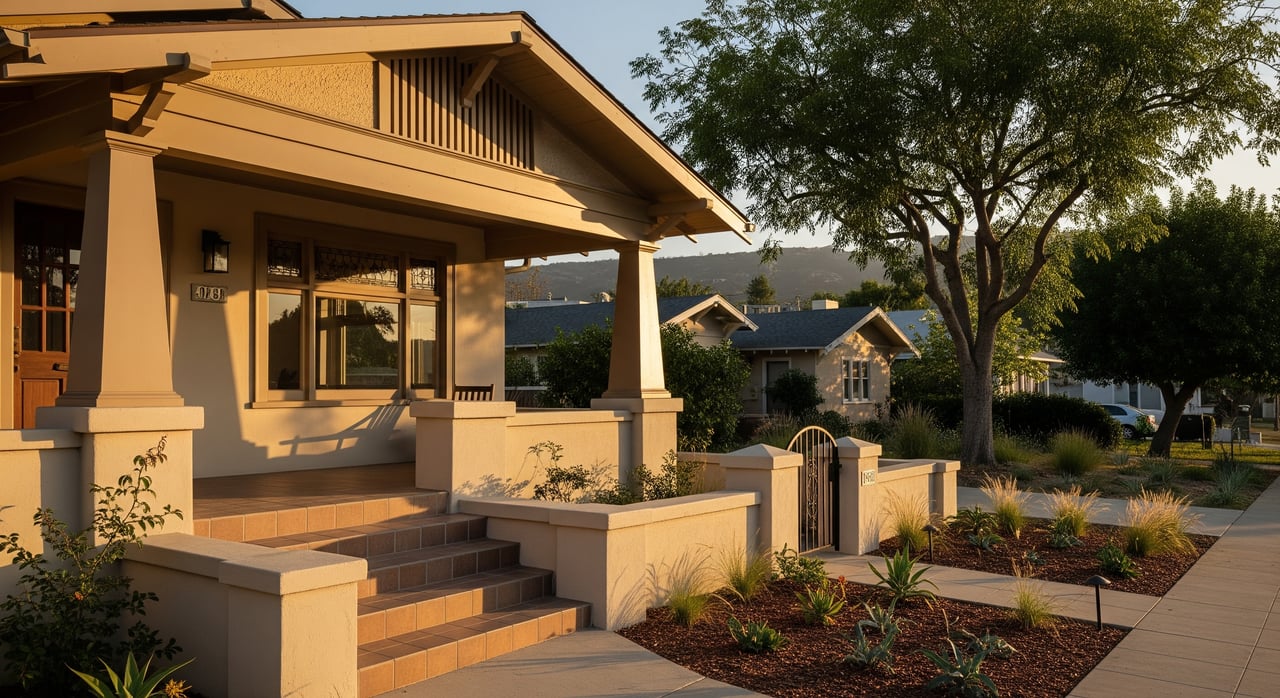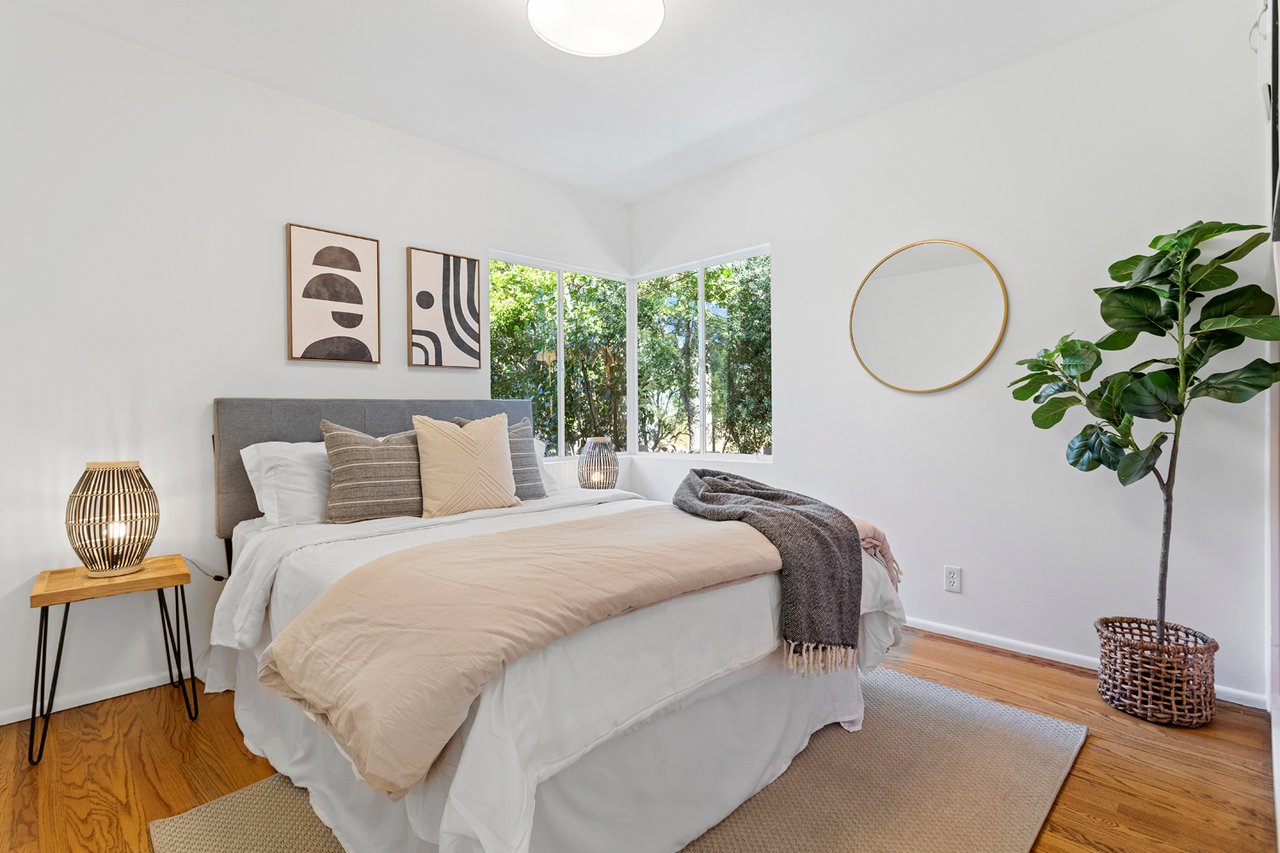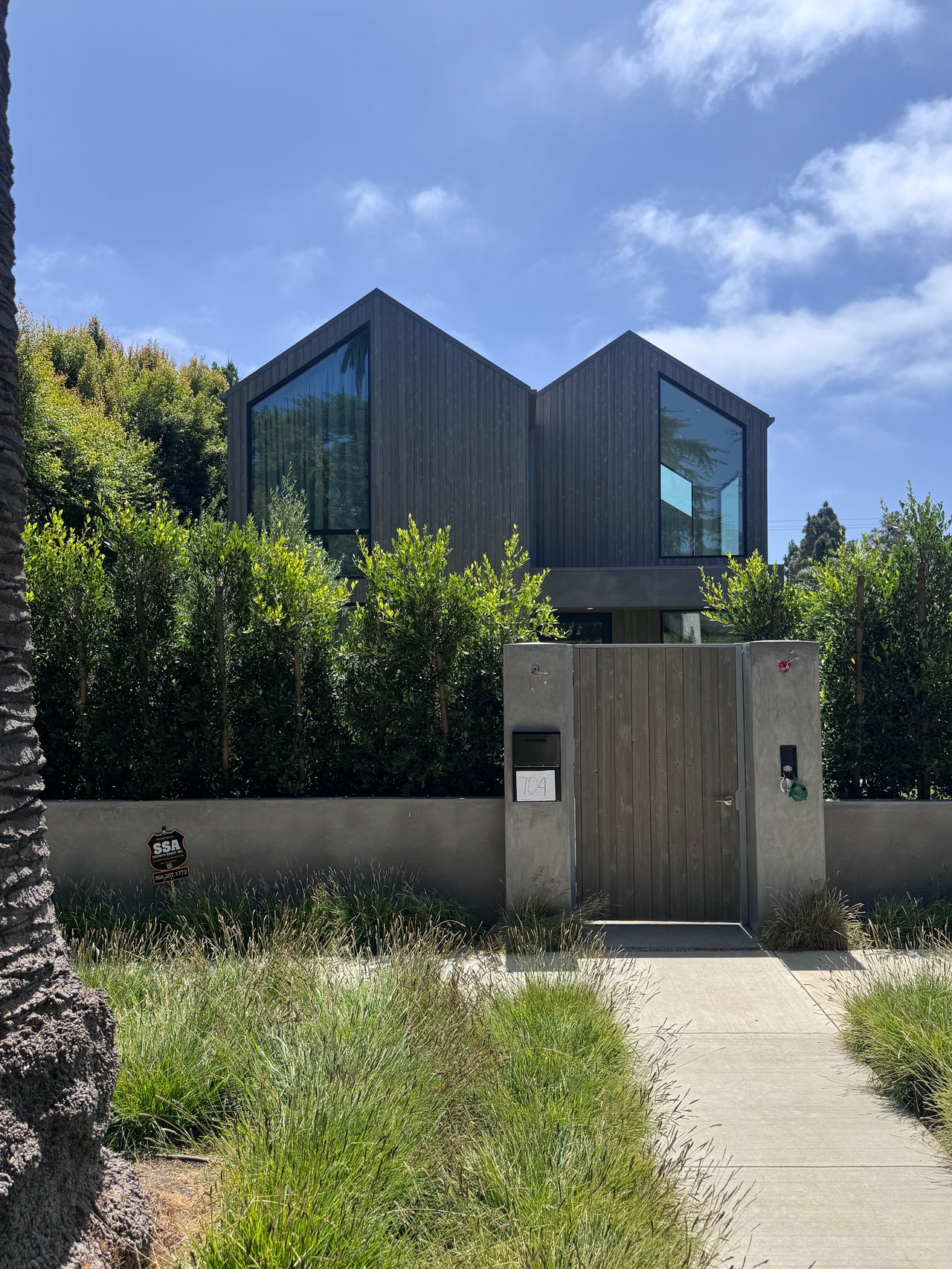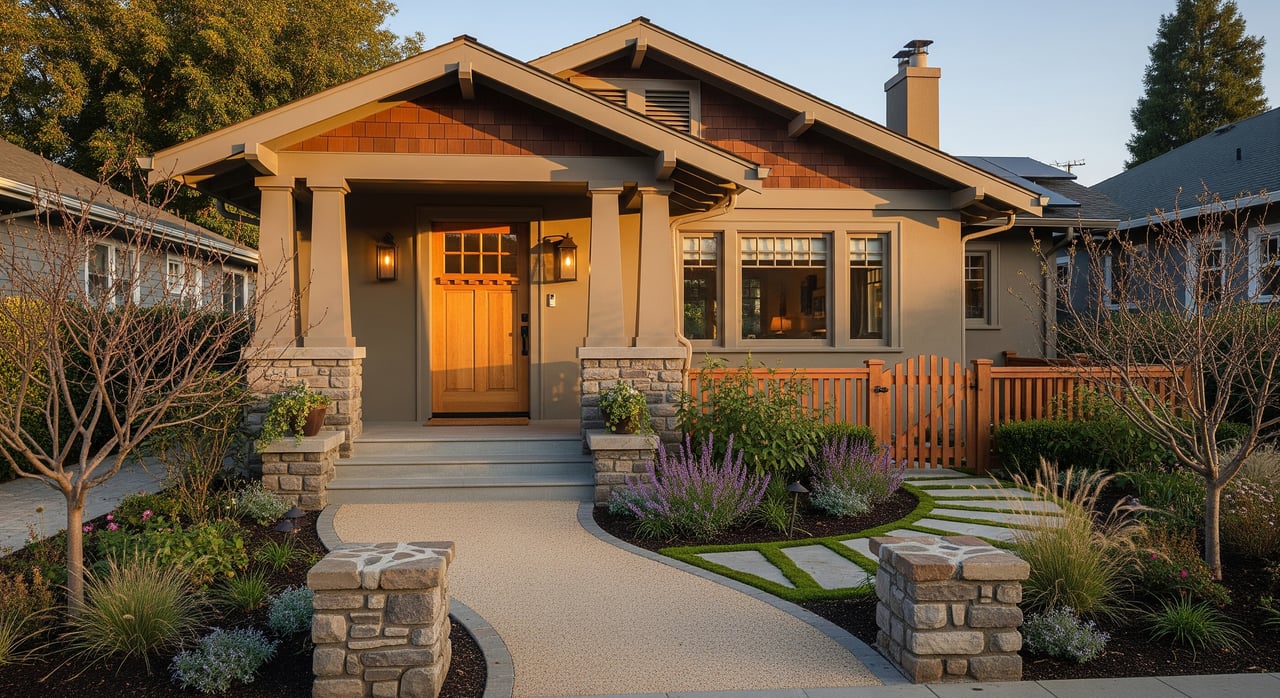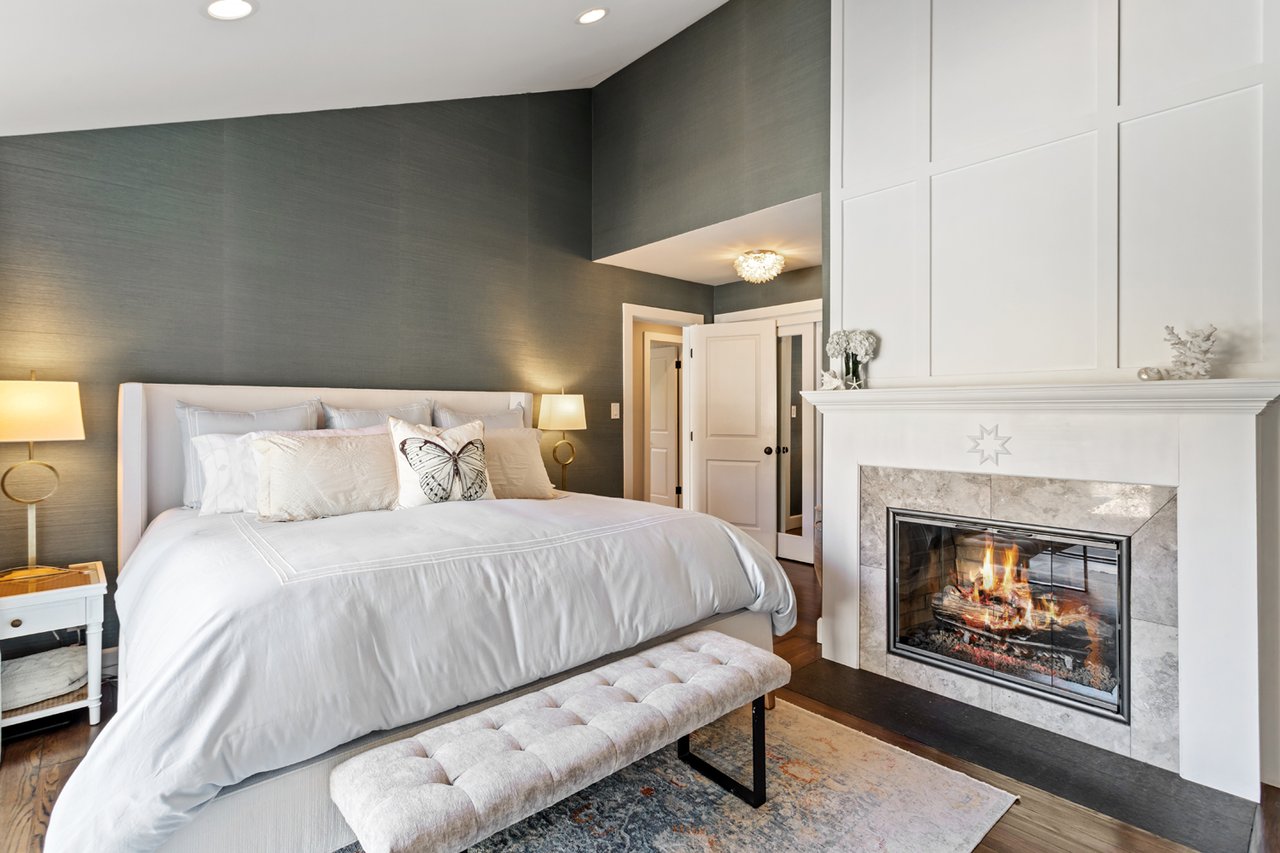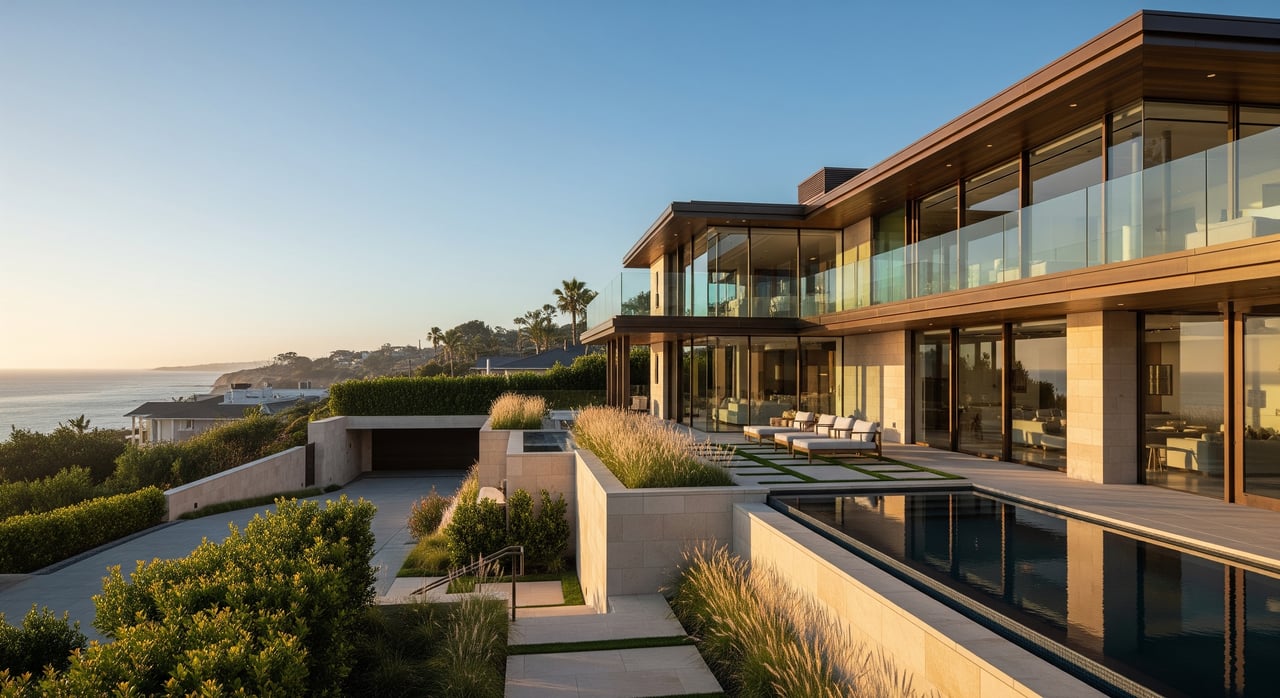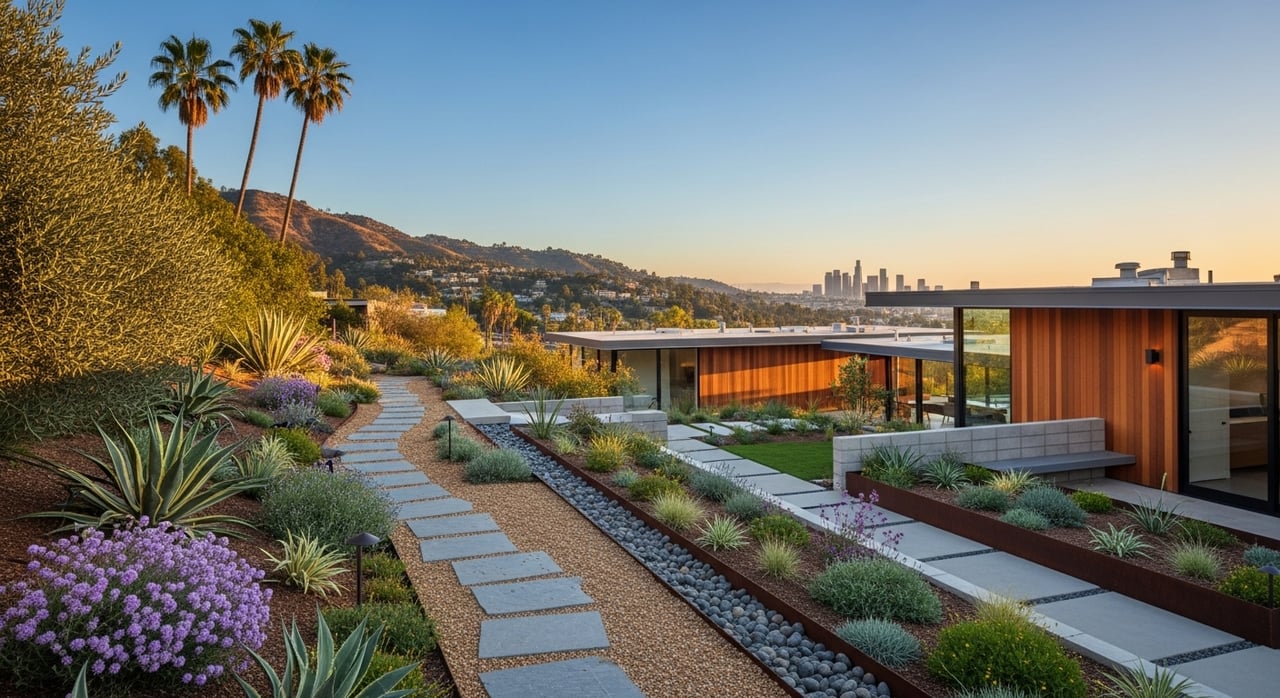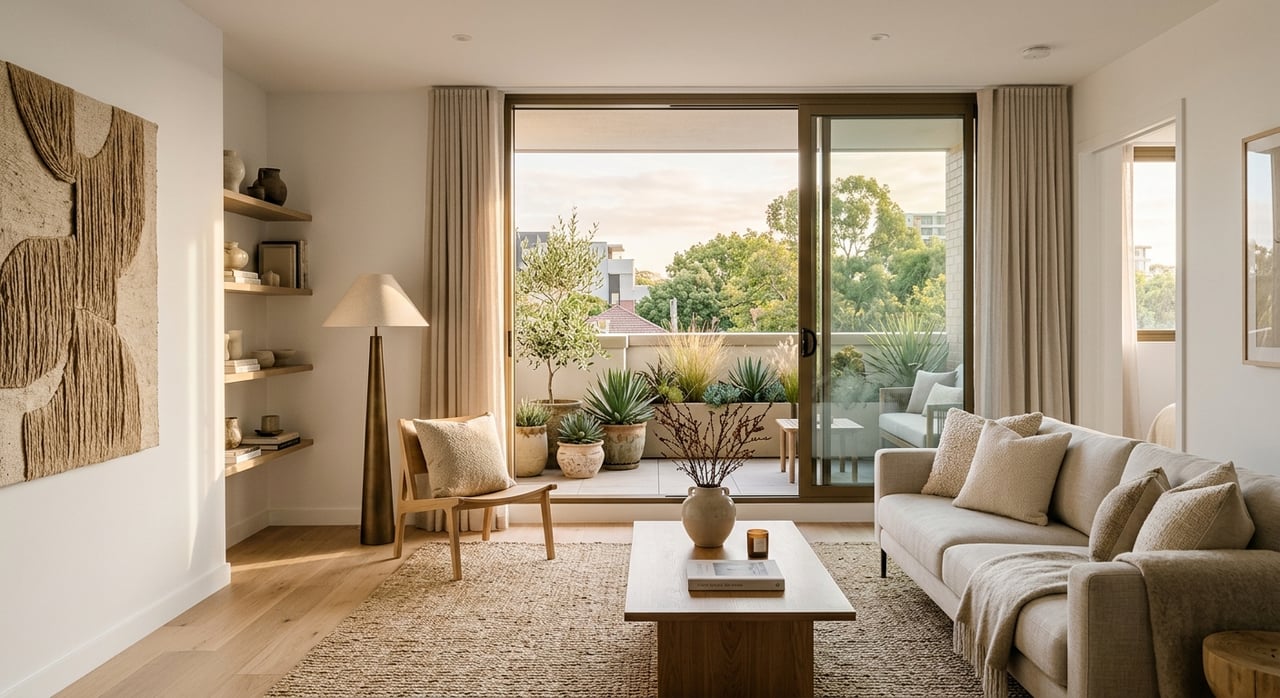
Selling in Santa Monica is not just about putting your home on the market. In a coastal city where light, finishes, balconies, and exterior wear are easy to spot, presentation can shape how buyers feel the moment they see your listing. If you want a sale strategy that feels polished, practical, and grounded in what buyers actually respond to, a design-led approach can help you focus your time and budget where it counts most. Let’s dive in.
Why design-led prep matters in Santa Monica
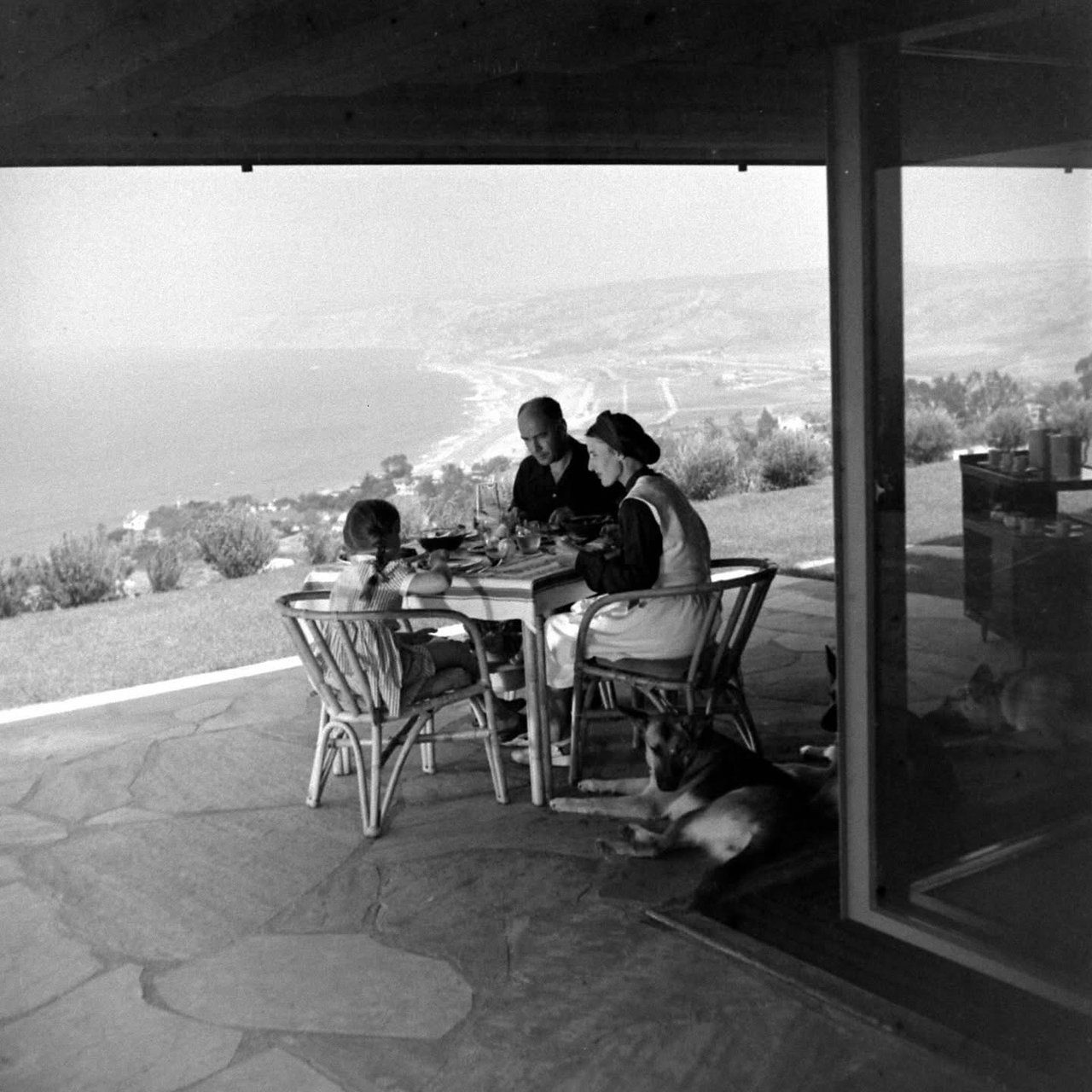
Santa Monica is a beachside city with three miles of Pacific beaches and a mix of residential communities across just 8.3 square miles. That coastal setting creates a visual market where buyers tend to notice small details quickly, especially in natural light and on exterior surfaces.
That matters in a market where expectations are already high. In Redfin’s March 2026 snapshot, Santa Monica’s median sale price was $1,564,500, homes sold in 52 days on average, and the median sale-to-list ratio was 98.1%, with about one offer per home on average. In a somewhat competitive environment like this, strong presentation helps your home read as cared for, current, and move-in ready.
Design-led prep is also supported by buyer behavior. According to NAR’s 2025 Profile of Home Staging, 83% of buyers’ agents said staging makes it easier for buyers to visualize a property as a future home. That visualization piece is often the difference between a listing that feels flat online and one that invites a showing.
Start with the right prep sequence
One of the biggest mistakes sellers make is doing the right tasks in the wrong order. If you style too early, photograph too soon, or spend too much on the wrong improvements, you can end up with extra cost and less impact.
A cleaner sequence works better:
- Declutter and depersonalize
- Deep clean
- Fix visible issues
- Refresh paint where needed
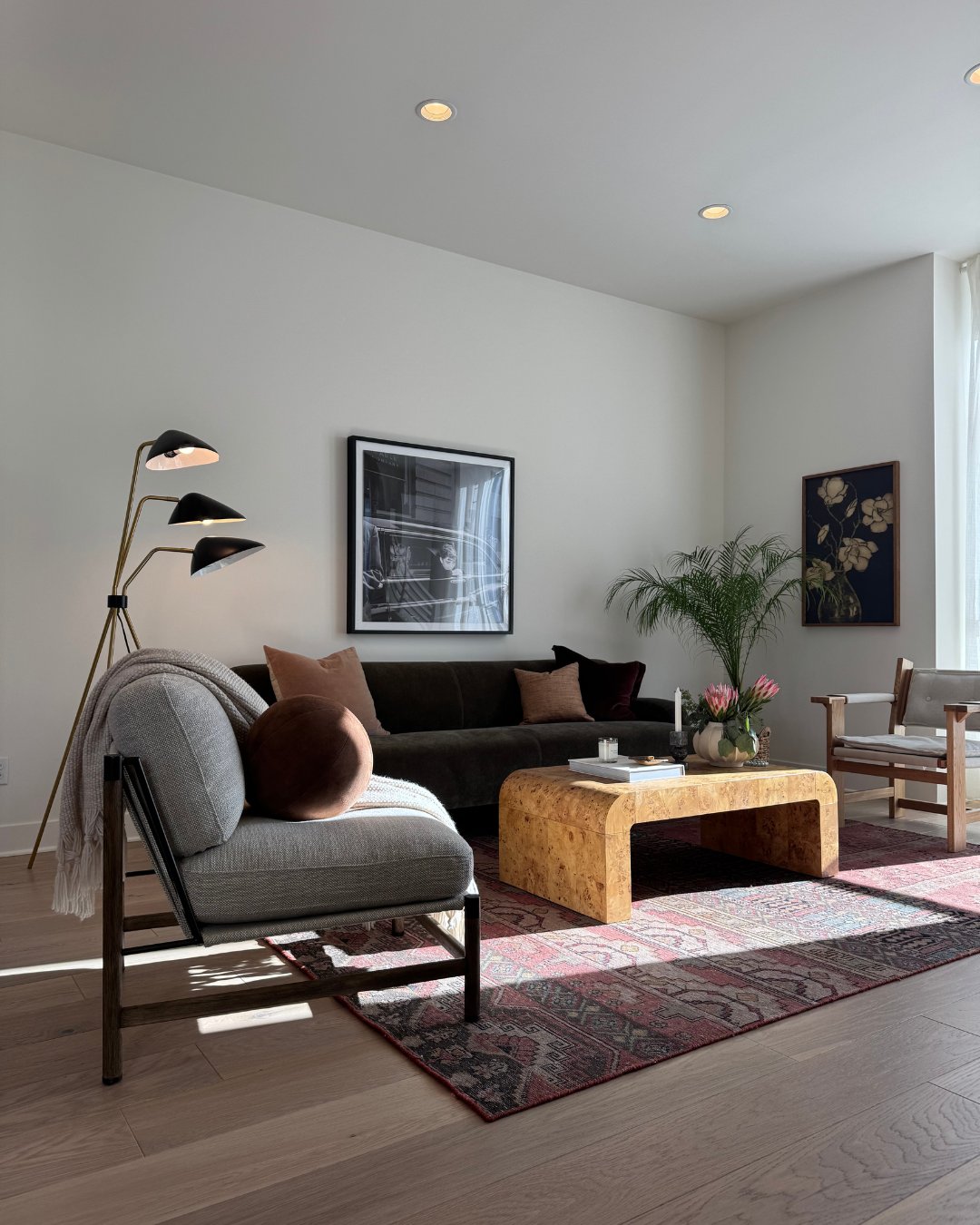
- Stage the most important rooms
- Photograph only after everything is finished
This order reflects the prep priorities and marketing emphasis reported in the NAR staging data. It also helps you avoid paying for photos before your home is fully ready.
Declutter, depersonalize, and deep clean first
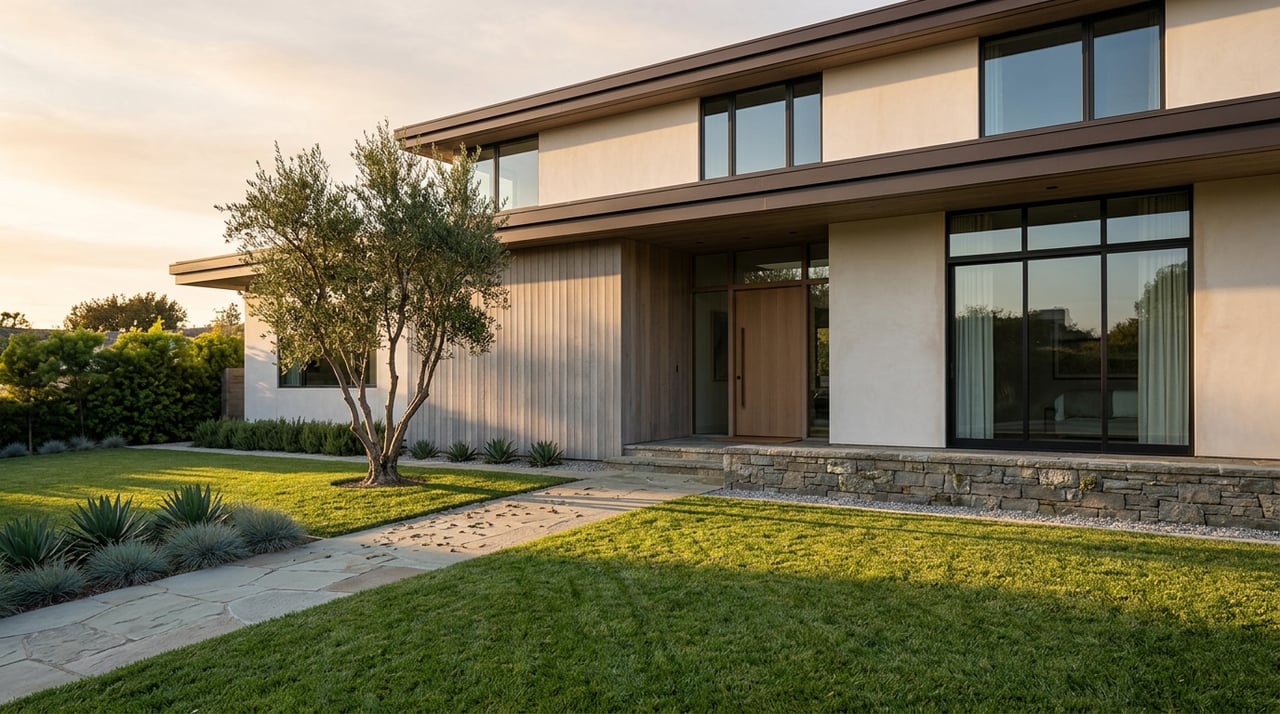
This is the foundation of every strong sale launch. NAR found that the most common recommendations from agents were decluttering the home at 91%, entire-home cleaning at 88%, and improving curb appeal at 77%.
In Santa Monica, this first step can have an outsized effect because many condos and townhomes need to feel visually open and easy to move through. Clear circulation, simpler furniture groupings, and less visual noise can make compact layouts feel more spacious and easier for buyers to understand.
Start by removing excess furniture, countertop items, personal photos, and anything that interrupts sightlines. Then invest in a true deep clean, including floors, windows, kitchens, baths, and outdoor surfaces if you have a patio or balcony.
Fix what buyers can see and touch
Before you think about decor, focus on visible flaws. NAR’s seller prep list includes minor repairs, grouting, paint touch-ups, carpet cleaning, and professional photos, which points to a simple truth: buyers respond to condition before they respond to styling.
In practical terms, the best use of a light carpentry or repair budget is often in the details that quietly signal maintenance. Think sticky doors, loose hardware, damaged trim, baseboard gaps, worn caulk, cabinet alignment, and small finish defects.
This is also where Johannes Steinbeck’s design and carpentry background can be especially valuable. A design-led listing strategy is not about overbuilding. It is about knowing which small fixes improve how the home feels in person and in photos.
Paint strategically, not excessively
Fresh paint can absolutely help, but not every home needs a full cosmetic overhaul. NAR identifies painting walls and paint touch-ups as common seller-prep items, which supports a targeted rather than excessive approach.
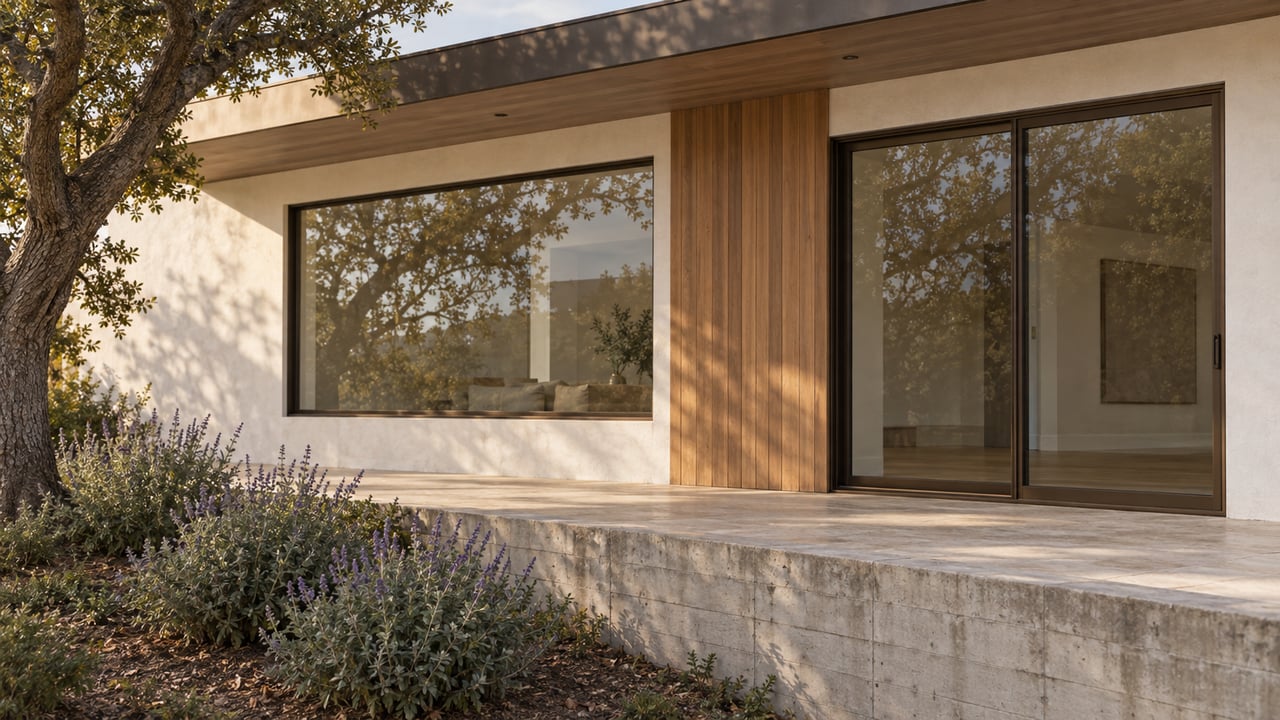
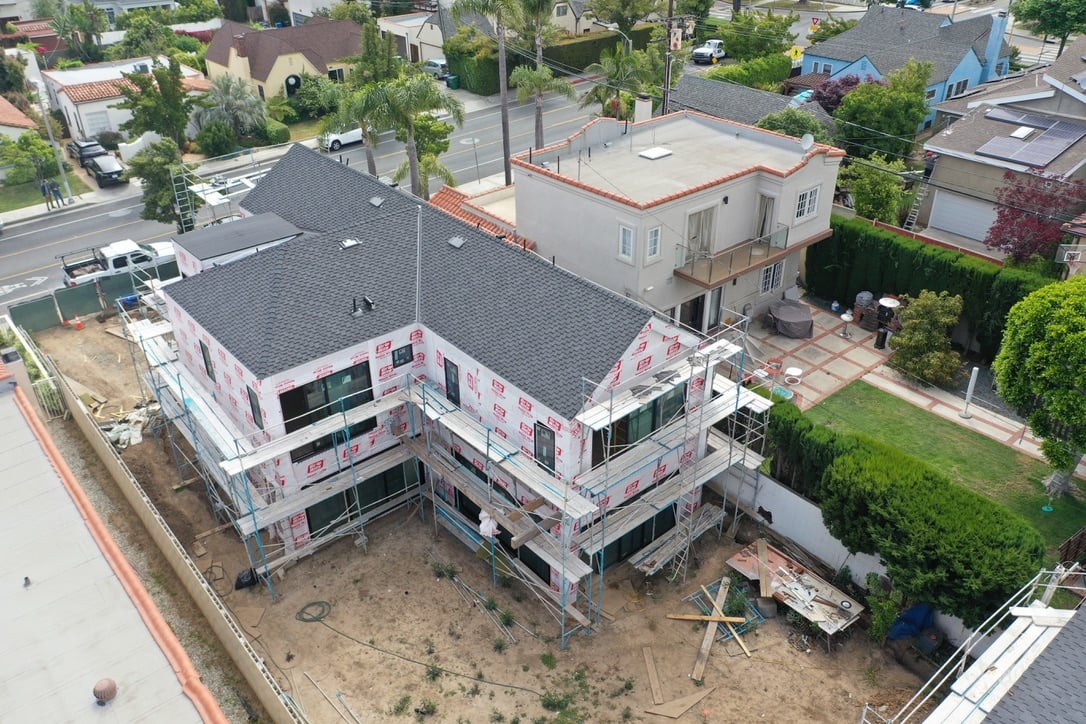
In Santa Monica, coastal exposure makes finish condition more visible. The National Park Service notes that shoreline weathering is driven by seawater, spray, and wetting and drying cycles, and the EPA highlights salt-related corrosion as a coastal flooding impact. For sellers, that often means scuffed walls, tired trim, and weathered exterior details stand out more than they might inland.
The highest-value paint work is usually a neutral refresh in the places buyers notice first. Focus on marked-up walls, trim, entry areas, and the most visible exterior surfaces rather than turning pre-listing prep into a full redesign.
Stage the rooms that influence buyers most
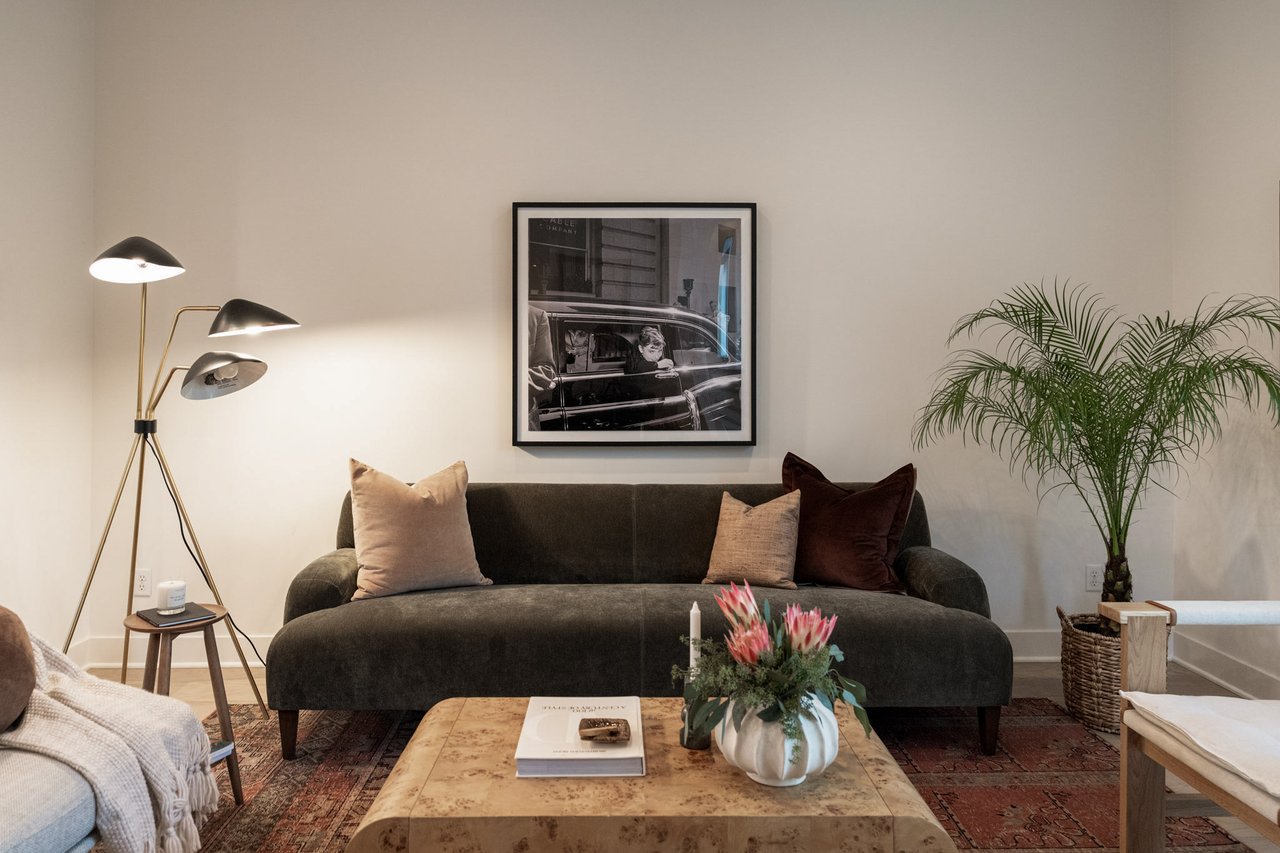
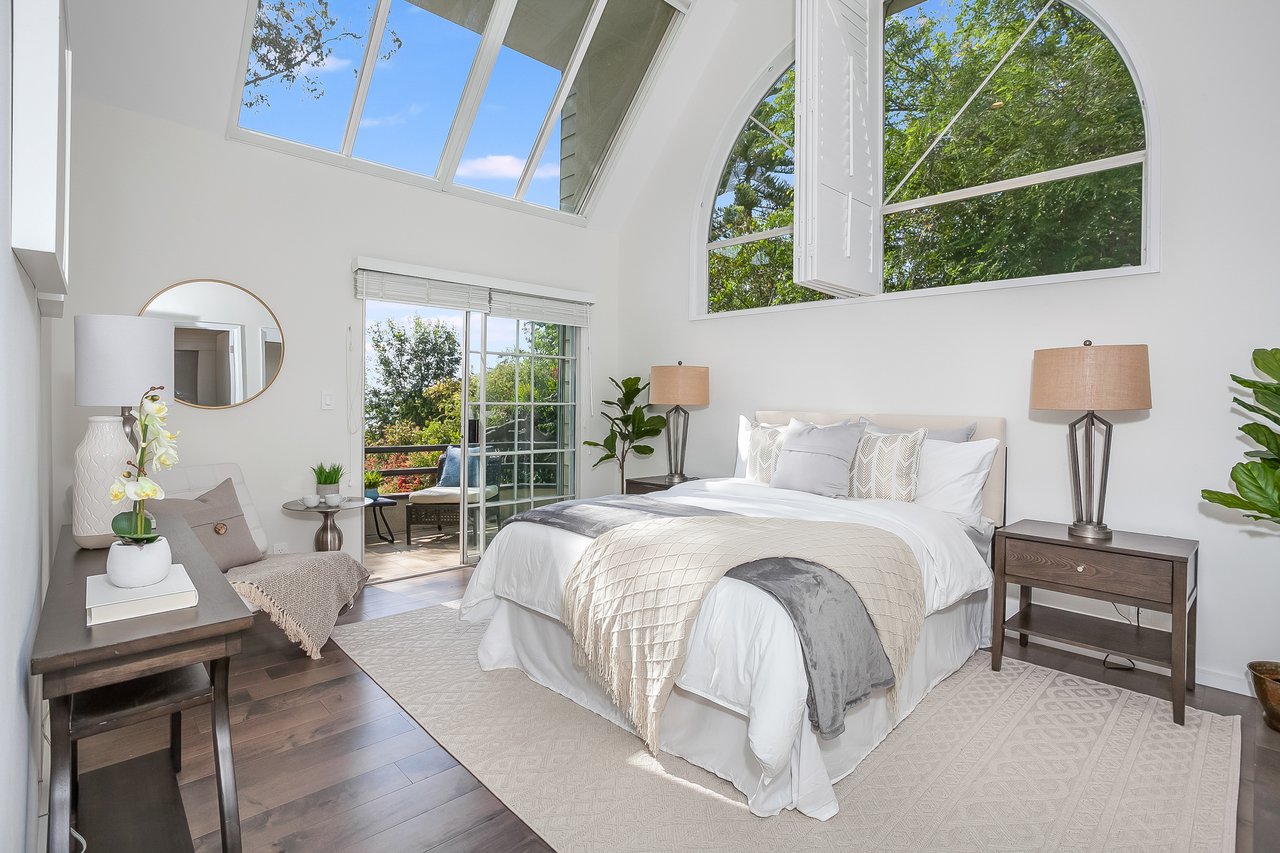
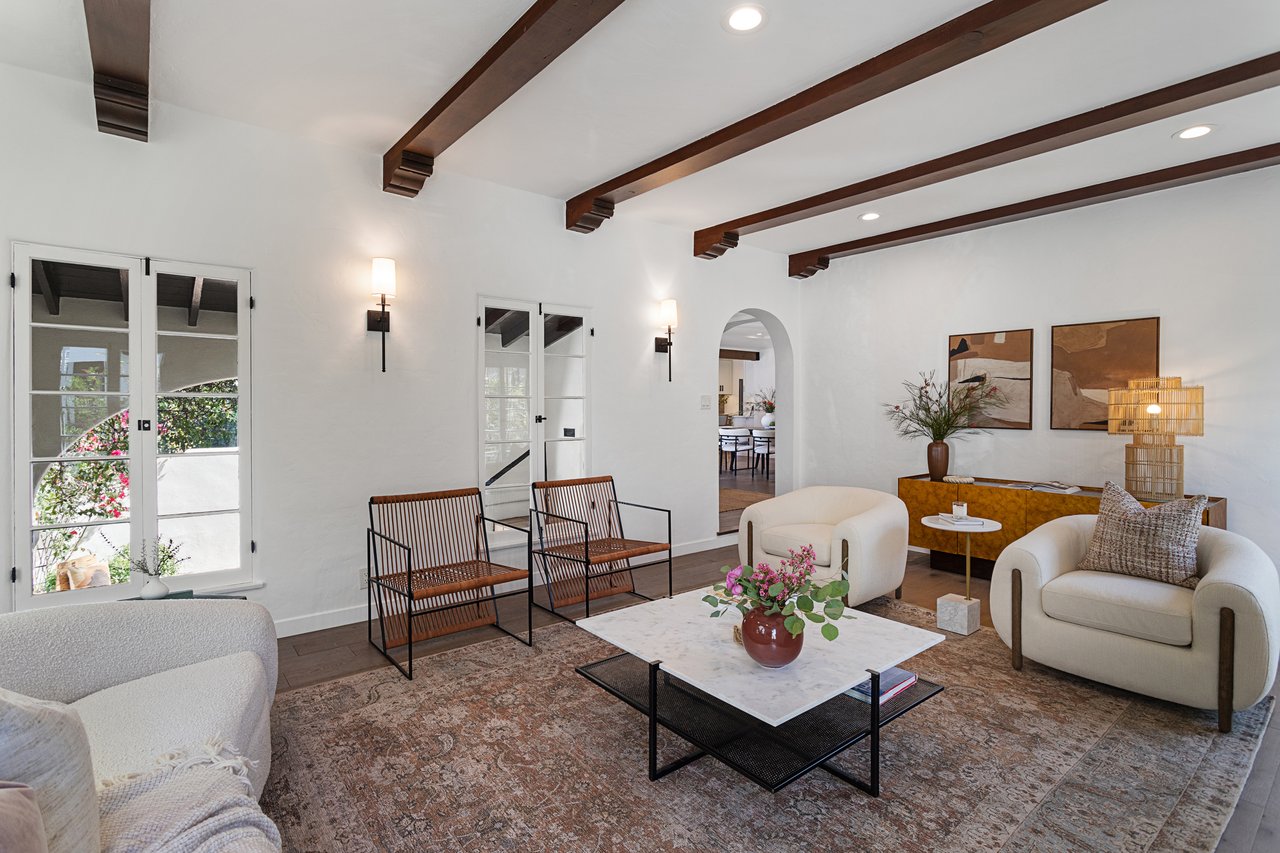
Not every room carries the same weight. NAR found that the rooms buyers considered most important in a staged home were the living room at 37% very important, the primary bedroom at 34%, and the kitchen at 23%.
That lines up with where sellers should focus first. The most commonly staged rooms were the living room at 91%, primary bedroom at 83%, dining room at 69%, and kitchen at 68%.
For many Santa Monica homes, a smart staging order looks like this:
- Living room
- Primary suite
- Kitchen
- Dining area
- Balcony or patio, if present
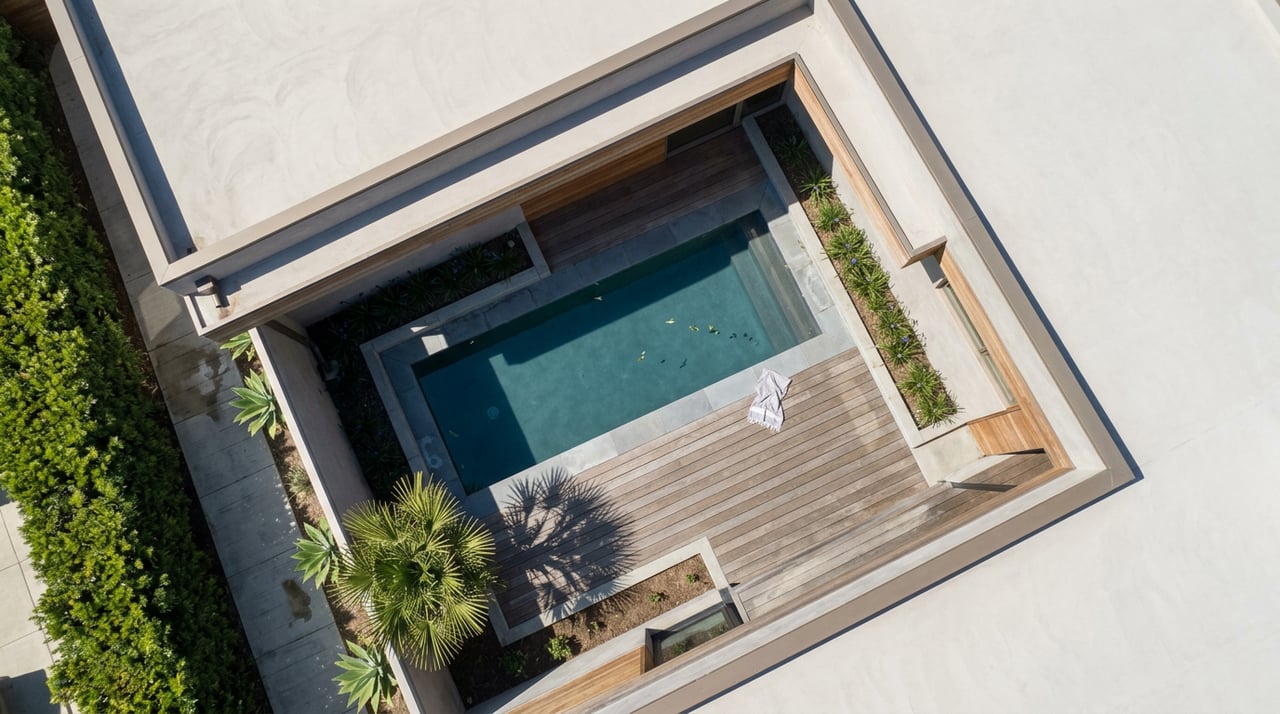
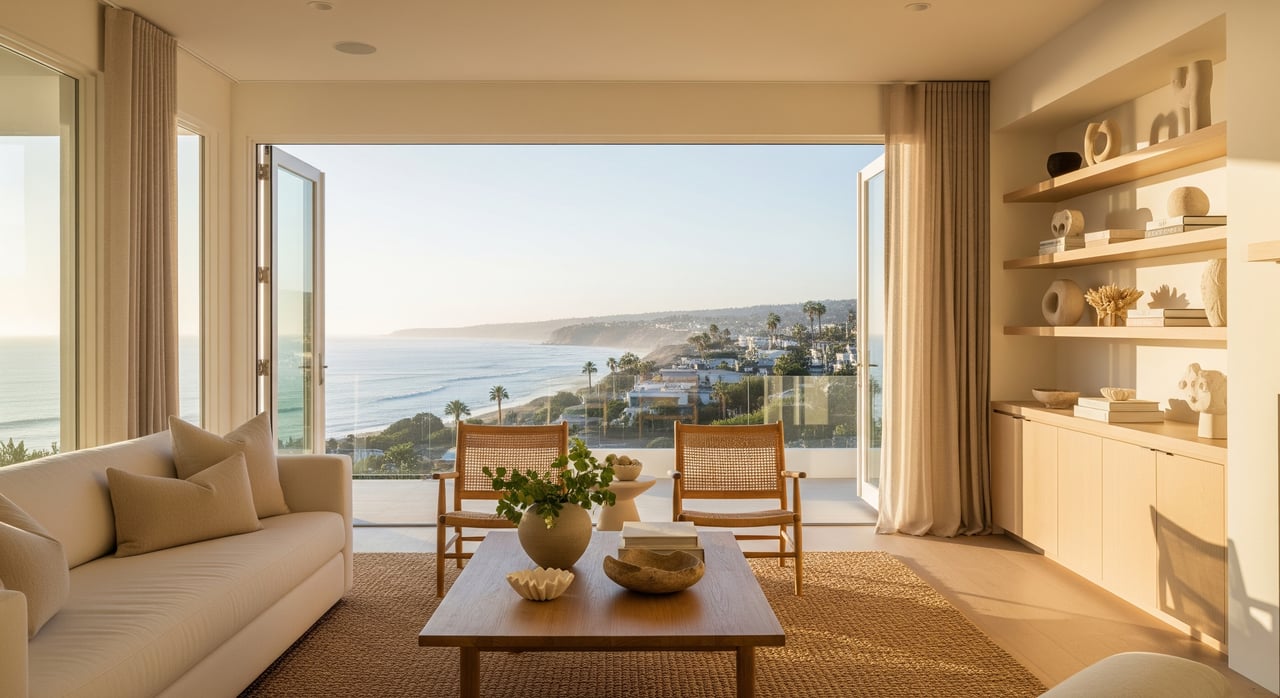
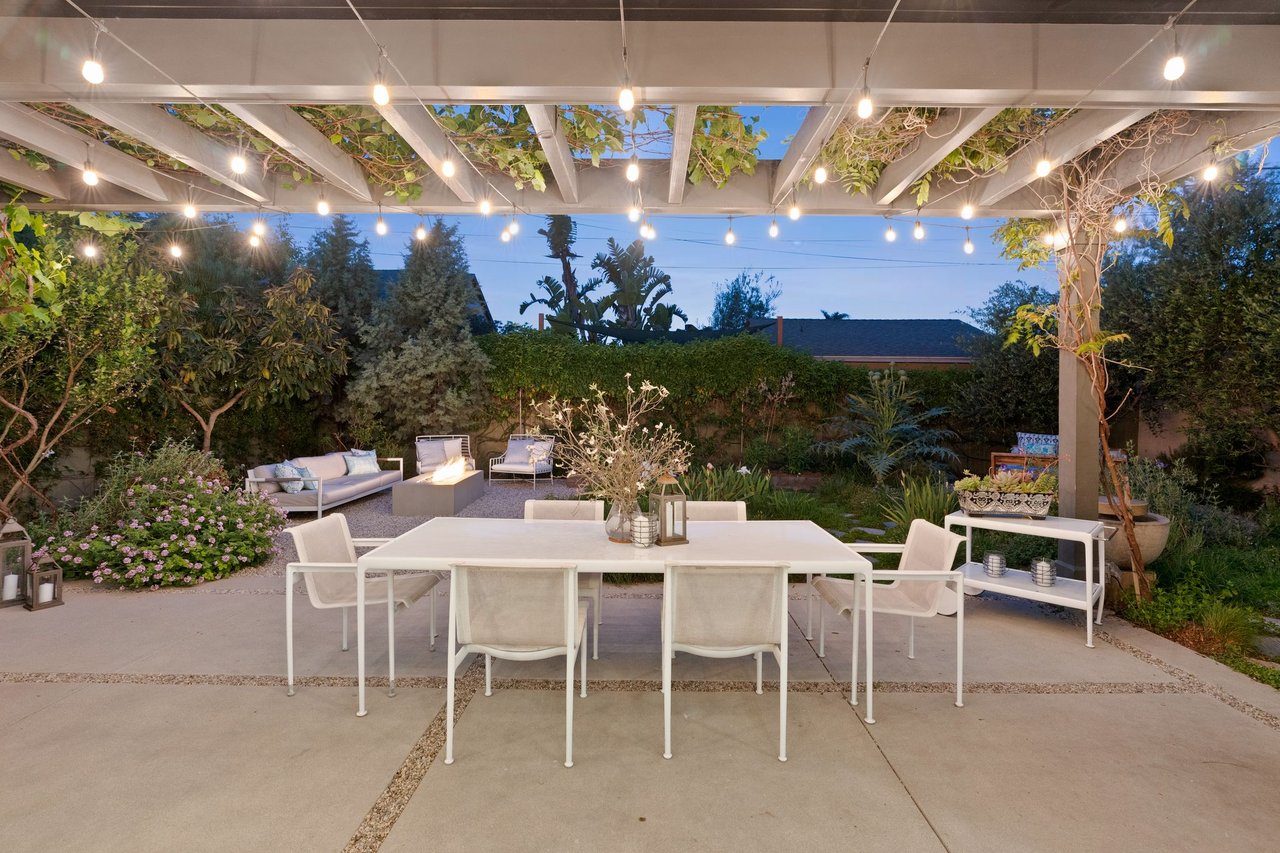
Outdoor space was staged by 31% of agents in the NAR survey, so it is not always the first budget priority nationally. But in a beachside market like Santa Monica, a balcony, patio, or other outdoor area can help communicate the indoor-outdoor lifestyle that buyers are looking for.
Make photography the final step
Photos should happen after the home is fully set, not while prep is still in progress. This sounds obvious, but it is one of the most common ways sellers weaken an otherwise strong launch.
NAR reports that photos were much more or more important to 73% of buyers’ agents. Sellers’ agents also said photos were much more or more important to 88% of their clients. That makes photography the centerpiece of the online debut.
Videos and virtual tours matter too, but the listing photos usually create the first impression. If a room still needs paint touch-ups, cleaner styling, or a final punch-list repair, it is worth waiting until the home is truly camera-ready.
How much renovation is actually worth it?
For most Santa Monica sellers, the better answer is targeted prep, not major remodeling. The data in the research points toward practical, visible improvements such as decluttering, cleaning, fixing small faults, refreshing paint, staging key rooms, and then launching with professional media.
That approach is often more efficient than opening walls or taking on larger cosmetic projects with uncertain payoff. Buyers tend to respond to homes that feel clean, calm, and well cared for, especially online where presentation has to work fast.
A design-led listing plan should help you decide what to leave alone as much as what to improve. That discipline protects your budget and keeps the work focused on saleability.
Santa Monica guardrails to know before you update
Pre-listing improvements are not just a design question. In Santa Monica, they can also involve permits, historic review, and HOA approval depending on the property and the scope of the work.
The city notes that single-trade building permits can cover projects such as door and window replacement, fences and walls, mechanical, electrical, plumbing, stucco and plastering, and roofing. Those jobs are generally limited to same-day or minor plan review, while more complex scopes go through electronic plan review.
If your property is listed in Santa Monica’s Historic Resources Inventory, or if it has Landmark or Structure of Merit status, additional review may apply. The city also states that HRI, Landmark, and Structure of Merit statuses must be disclosed at the time of sale.
For condo and townhome sellers, HOA rules matter too. Under California Civil Code section 4765, when governing documents require association approval before a physical change to a separate interest or common area, the HOA must use a fair, reasonable, and expeditious process, provide a written decision, and offer a reconsideration process if a request is denied.
The practical takeaway is simple: before changing windows, modifying balcony surfaces, opening walls, or touching common elements, check both the city permit path and your HOA’s written approval process.
Does staging pay off?
The clearest benefit of staging is not a guaranteed price bump. It is helping buyers see how the home lives.
According to NAR, 17% of buyers’ agents said staging increased offers by 1% to 5%, while 41% said it had no impact on offer amount. At the same time, 83% said staging made it easier for a buyer to visualize a property as a future home.
That is why design-led prep should be framed as a visibility and perception strategy first. In a market where buyers often start online, your goal is to make the home feel easy to understand, easy to imagine, and worth seeing in person.
Is virtual staging enough?
Usually not on its own. The NAR data show buyers’ agents place greater importance on photos, physical staging, videos, and virtual tours than on virtual staging alone. In fact, 38% said virtual staging was less important.
Virtual staging can still serve a purpose in select cases, especially when a vacant room is hard to read. But if you want the strongest overall result, physical condition, thoughtful styling, and professional photography should lead the process.
Why a design-forward listing approach helps
A design-led sale is not about making your home look trendy. It is about creating a clear plan, managing the right vendors, and presenting the property in a way that fits Santa Monica buyer expectations.
That can include coordinating the prep sequence, identifying visible repairs, keeping an eye on permit and HOA issues, prioritizing the rooms that matter most, and handing the home off to photography only when it is ready. For sellers who want a polished result without wasting time on low-impact work, that kind of guidance can make the process feel much more manageable.
If you’re preparing to sell in Santa Monica and want a practical, design-minded strategy for what to fix, style, and photograph, Johannes Steinbeck can help you build a smart plan around your home, your timeline, and your market position.
FAQs
What prep matters most before selling a Santa Monica home?
- The strongest starting points are decluttering, deep cleaning, fixing visible issues, refreshing paint where needed, staging key rooms, and scheduling photography after everything is complete.
What rooms should sellers stage first in a Santa Monica listing?
- Focus first on the living room, primary bedroom, and kitchen, then the dining area and any balcony or patio if those spaces support the home’s layout and lifestyle appeal.
What does home staging cost for sellers?
- NAR reported a median spend of $1,500 when sellers used a staging service, though actual cost depends on the scope of staging and the provider selected.
When should sellers schedule listing photos for a Santa Monica home?
- Schedule photos only after decluttering, cleaning, repairs, paint touch-ups, and staging are fully complete so the online launch reflects the home at its best.
Do Santa Monica condo sellers need HOA approval before making updates?
- If the governing documents require approval for a physical change to a separate interest or common area, California Civil Code section 4765 says the HOA must follow a fair and reasonable review process with a written decision.
Do historic designations affect Santa Monica pre-sale improvements?
- Yes. Santa Monica states that properties in the Historic Resources Inventory, as well as Landmark and Structure of Merit properties, may require additional review, and those statuses must be disclosed at the time of sale.