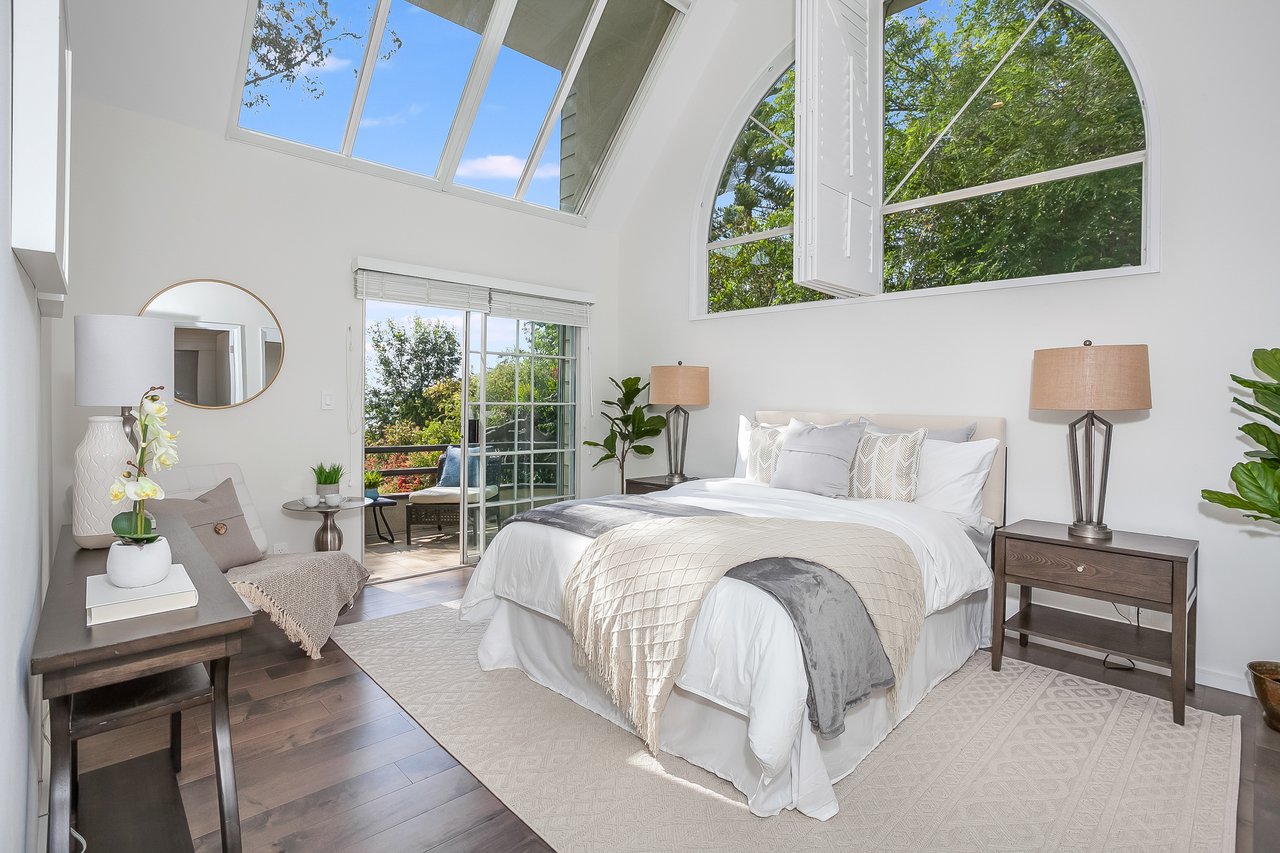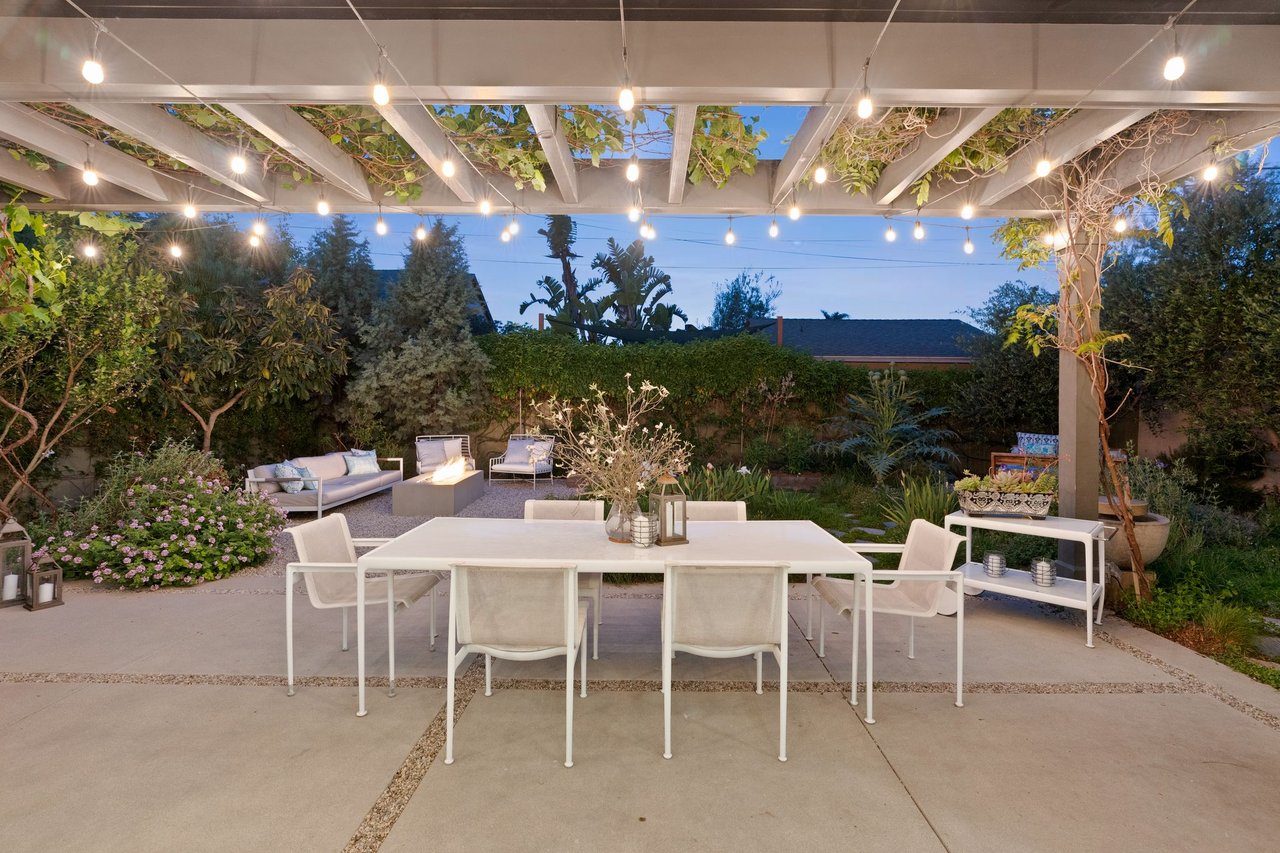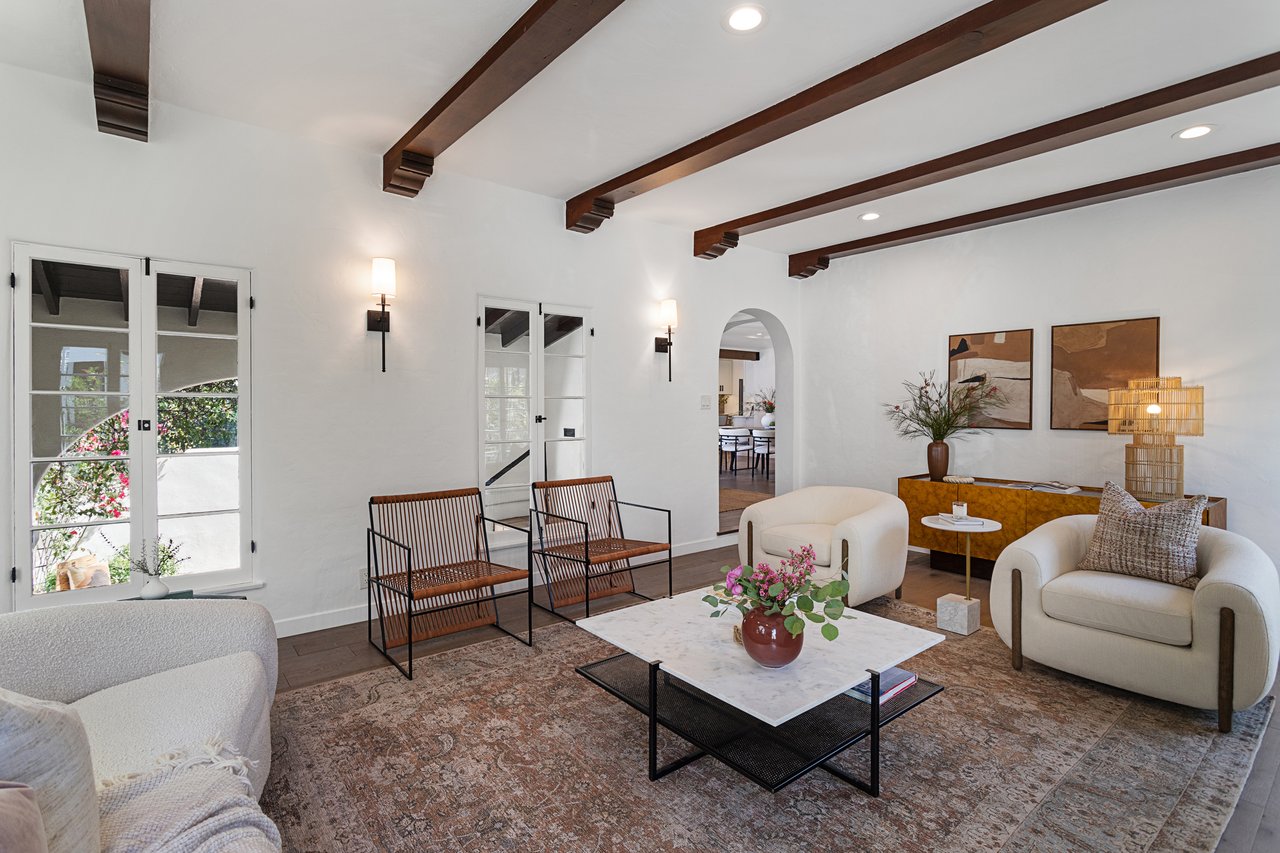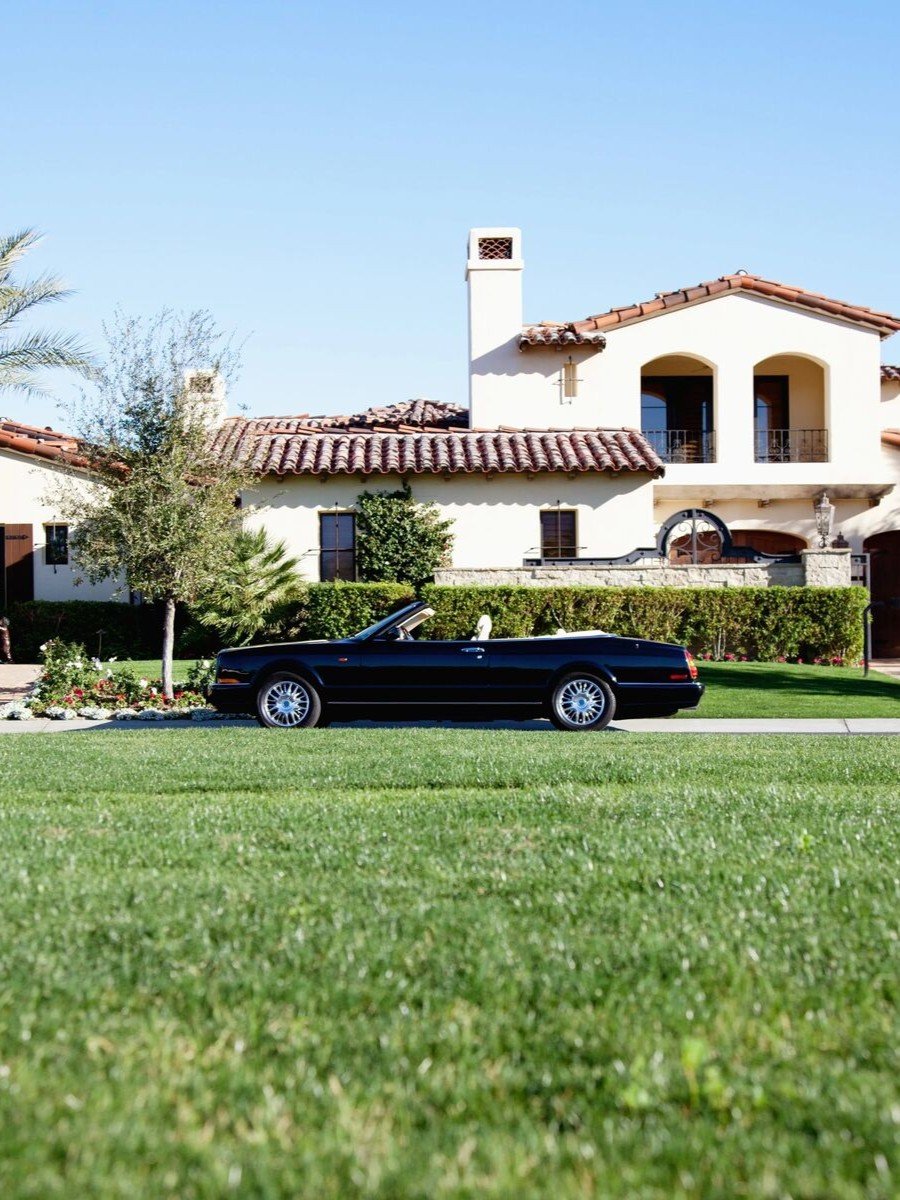
Thinking about leaving the Westside for something quieter, more spacious, and closer to the coastline? If you have been weighing Palos Verdes Estates against neighborhoods in Westside Los Angeles, you are likely balancing lifestyle as much as real estate. This guide will help you understand how daily life, housing, and commuting can change when you relocate to Palos Verdes Estates from the Westside. Let’s dive in.
Why Palos Verdes Estates Feels Different
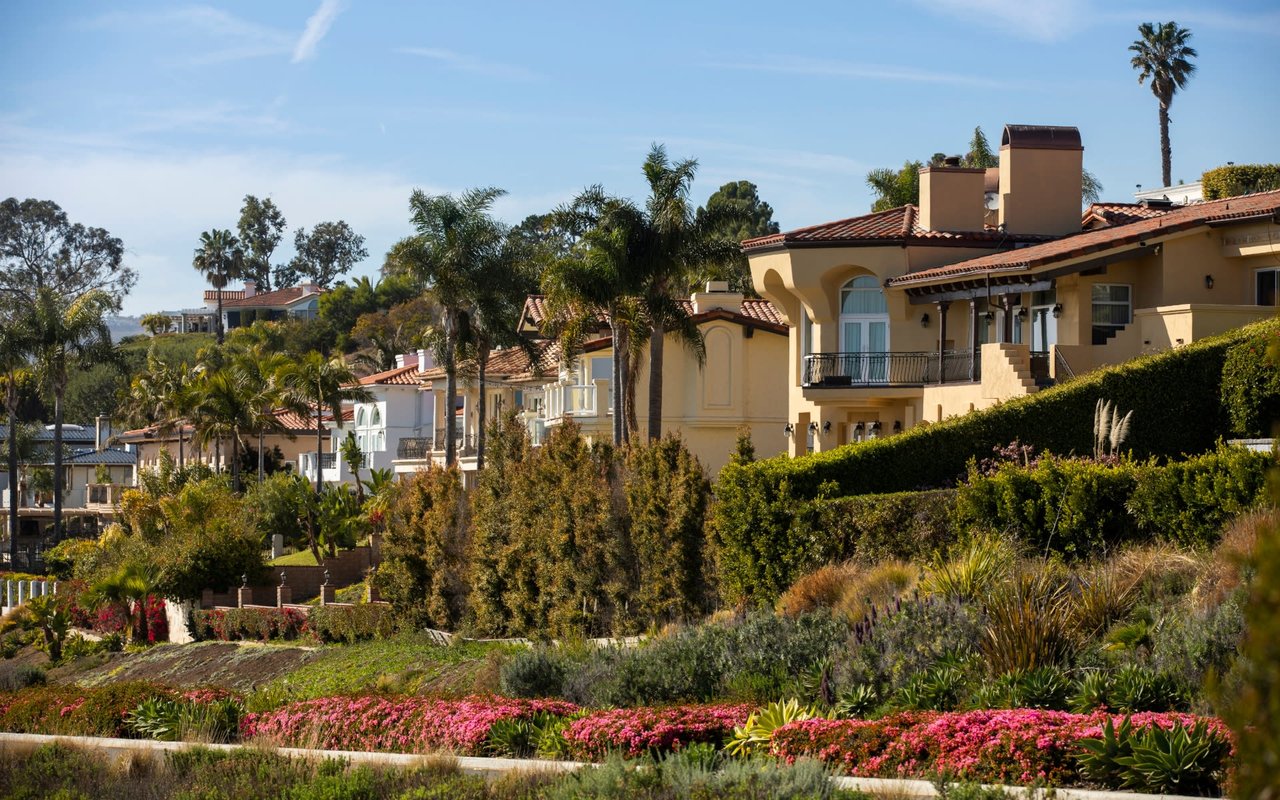
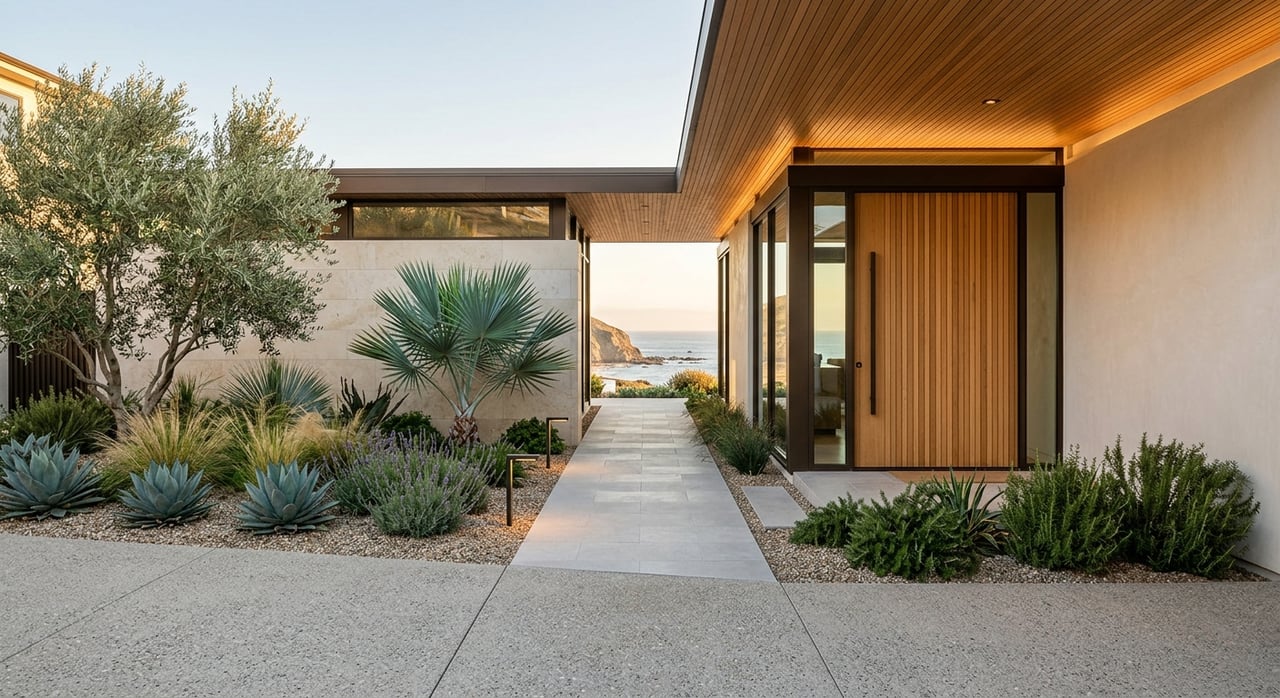
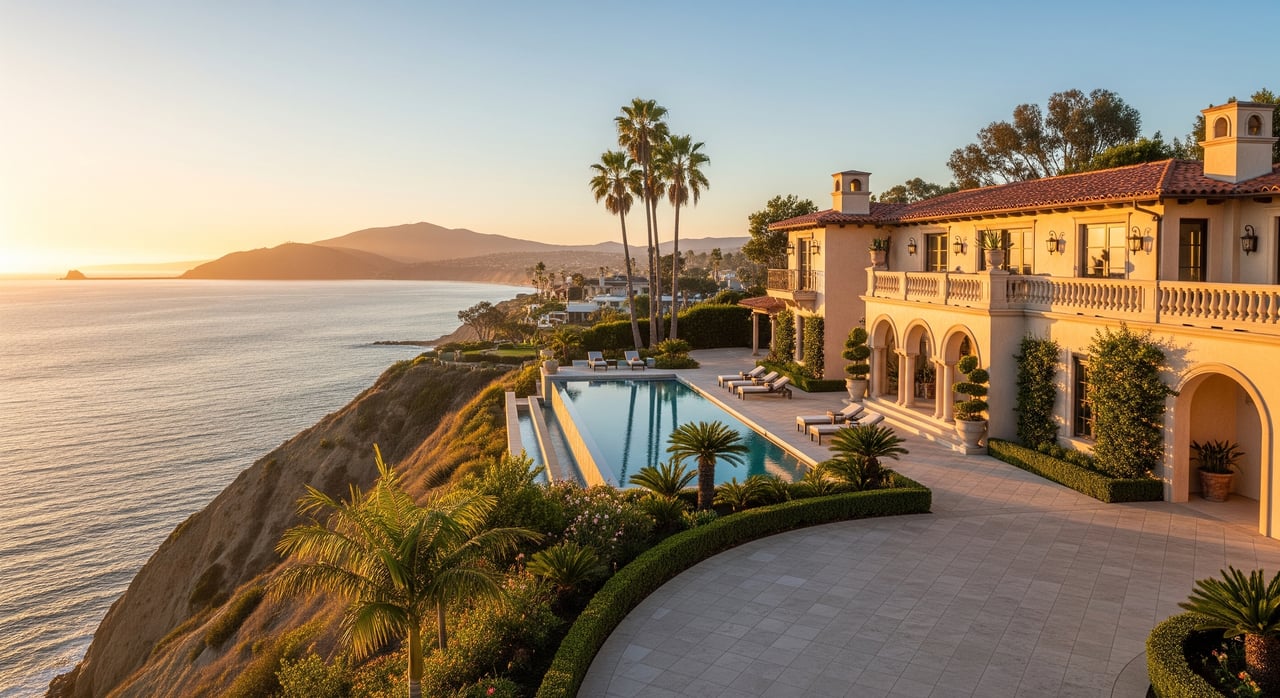
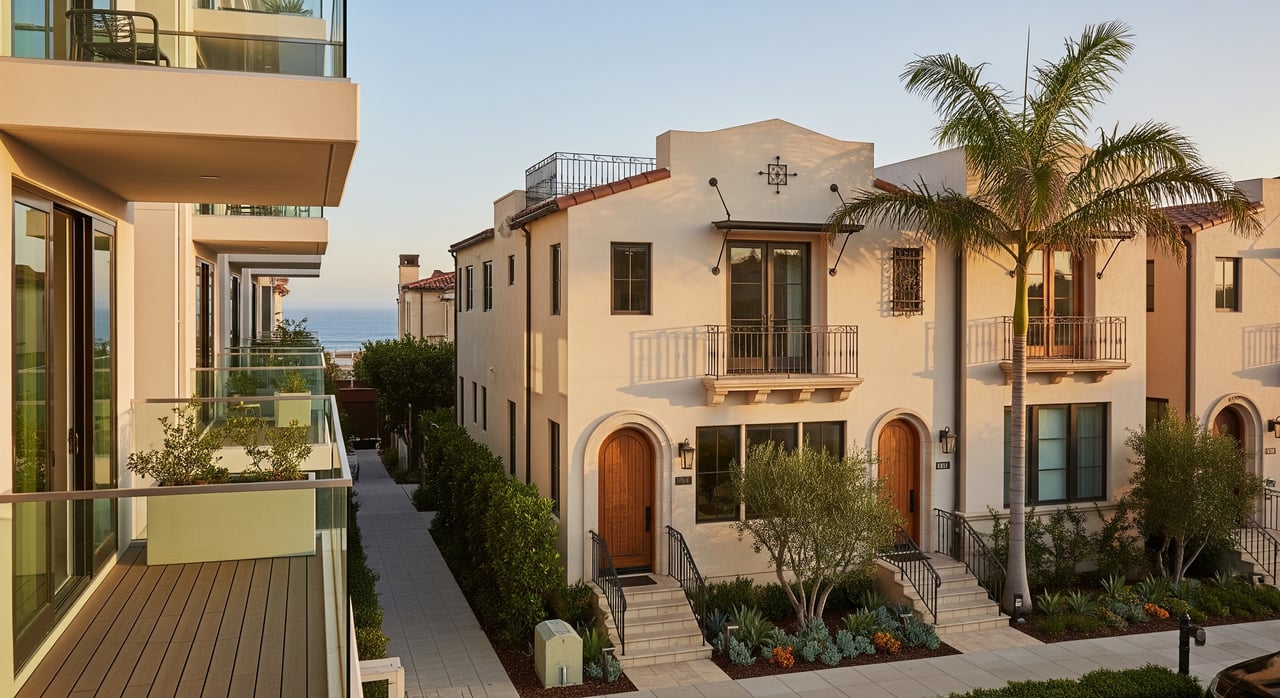
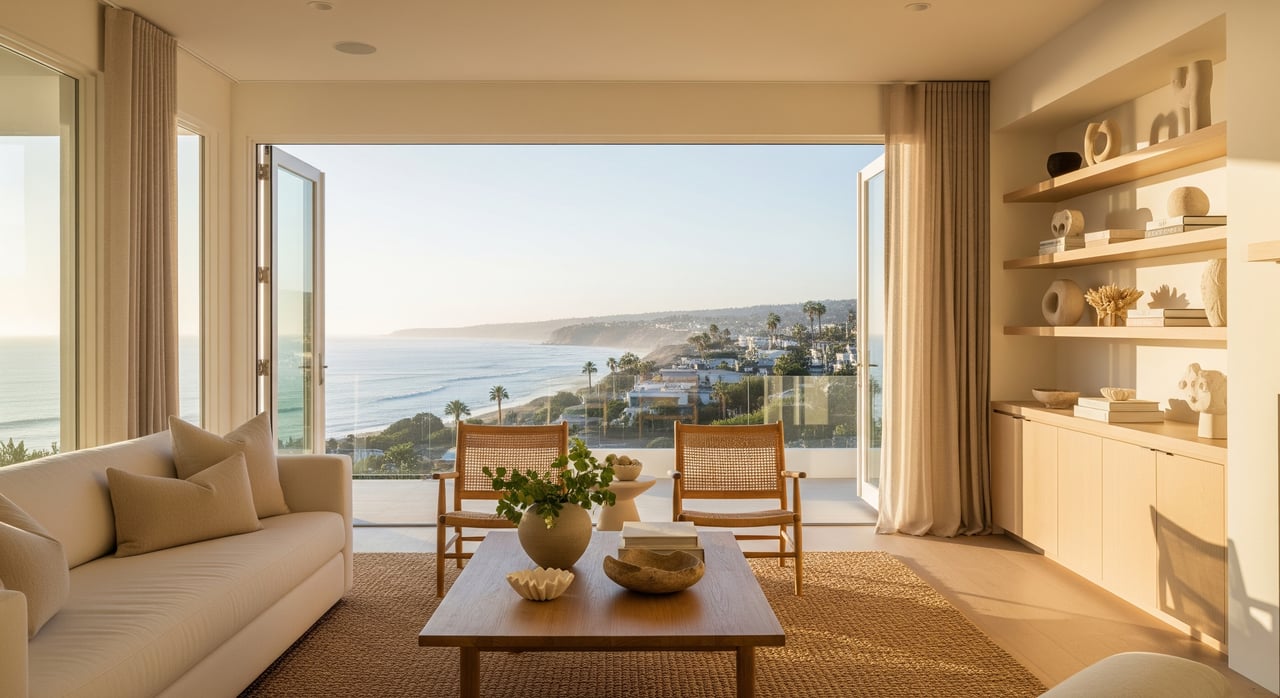
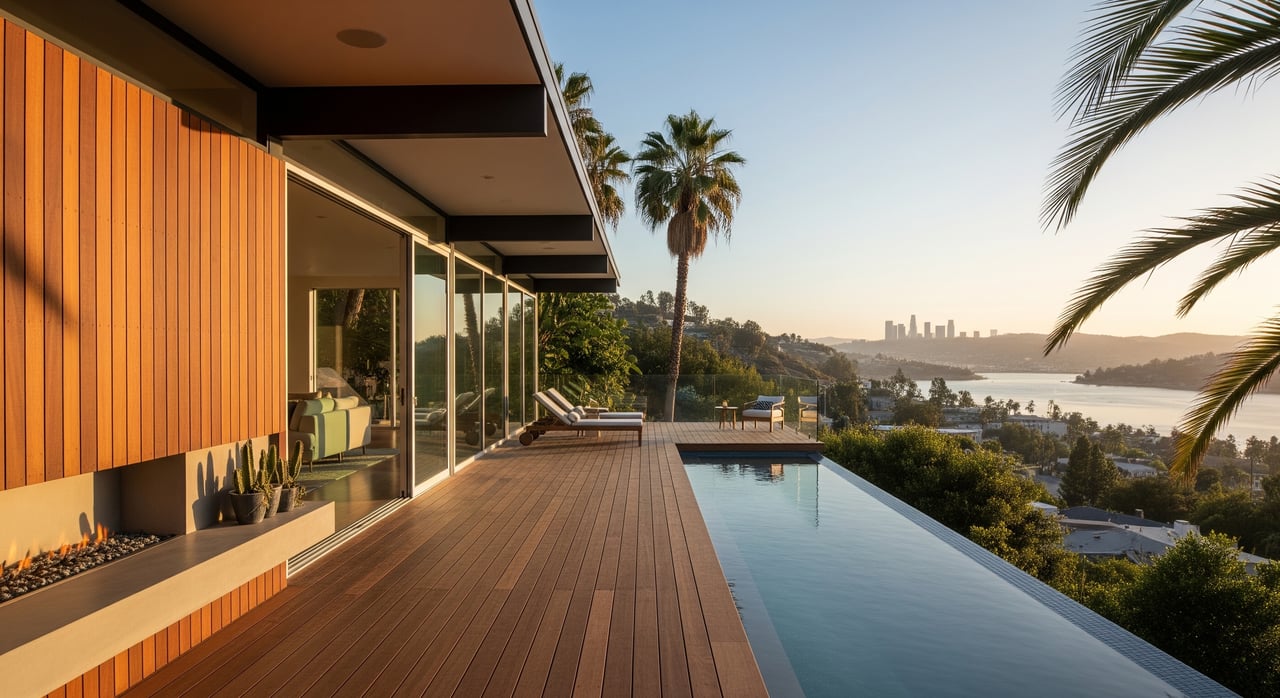
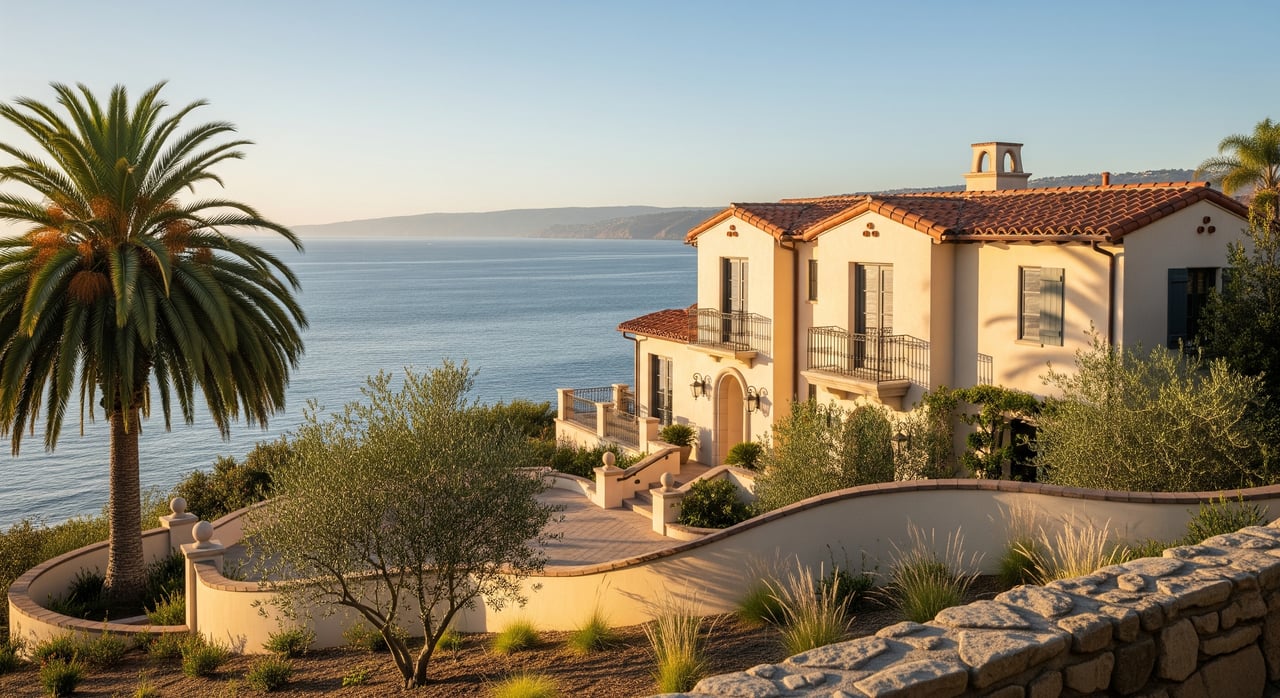
Palos Verdes Estates is a small coastal city on the Palos Verdes Peninsula with an estimated 2025 population of 12,559 and just 4.78 square miles of land area. According to the city, it was planned primarily as a residential community with large areas of permanent open space and broad views of the Pacific Ocean and the Los Angeles metropolitan area.
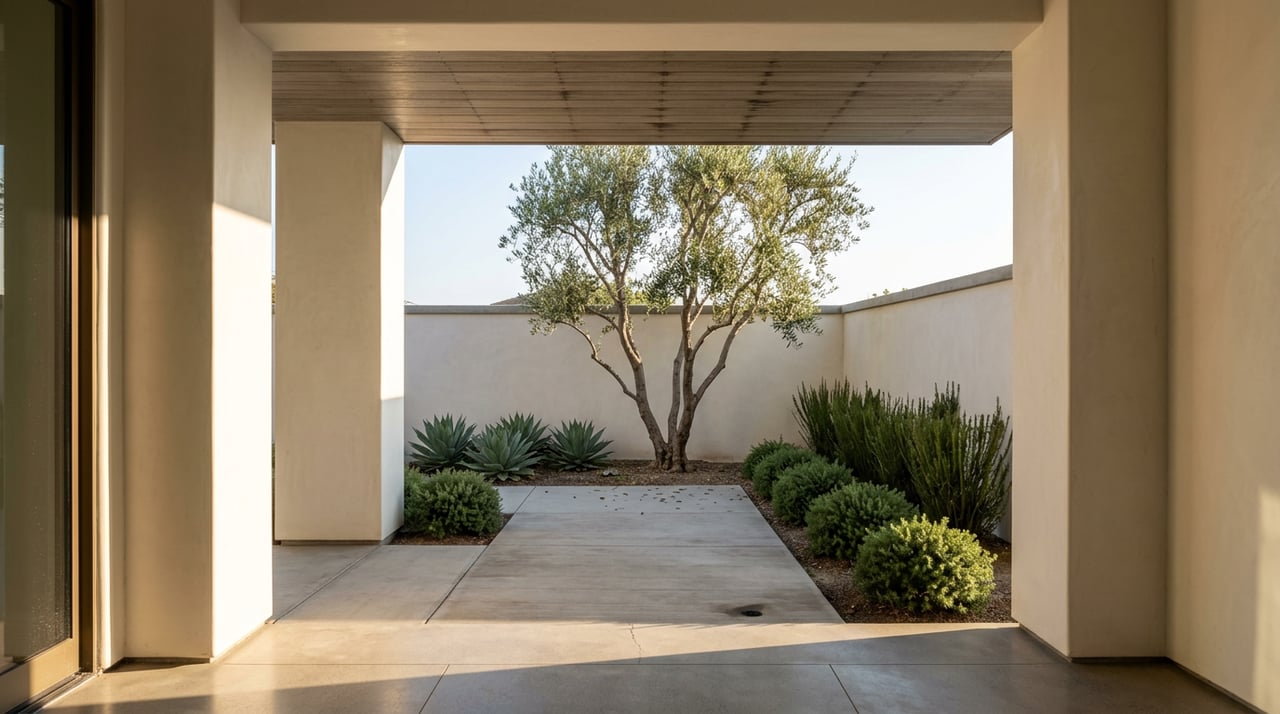
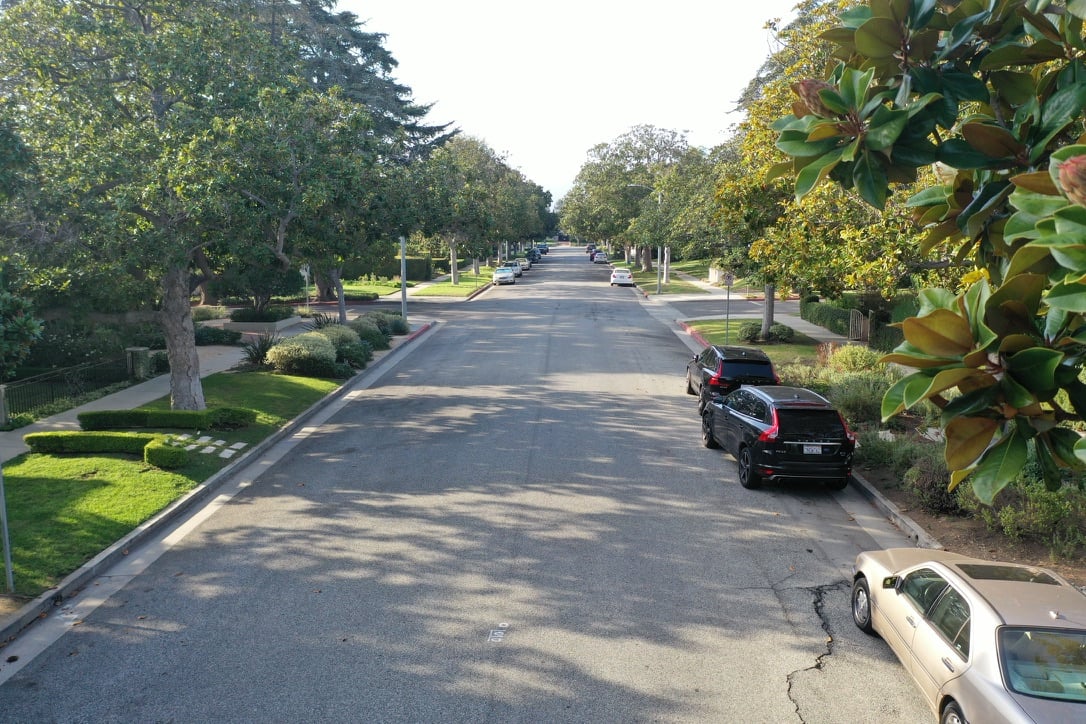
For many Westside buyers, that planned, low-density layout is the biggest shift. Instead of moving into another busy Los Angeles neighborhood, you are moving into a city built around homes, open land, and a quieter residential rhythm.
What the Housing Mix Means for You
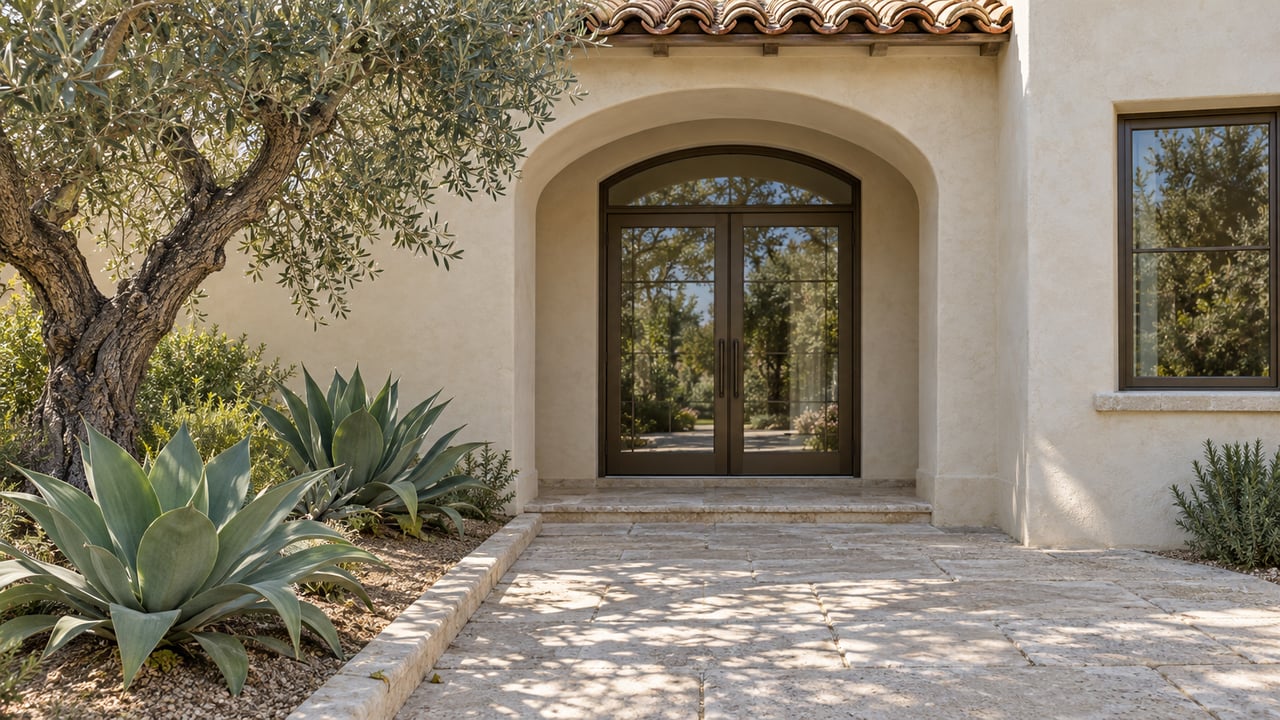
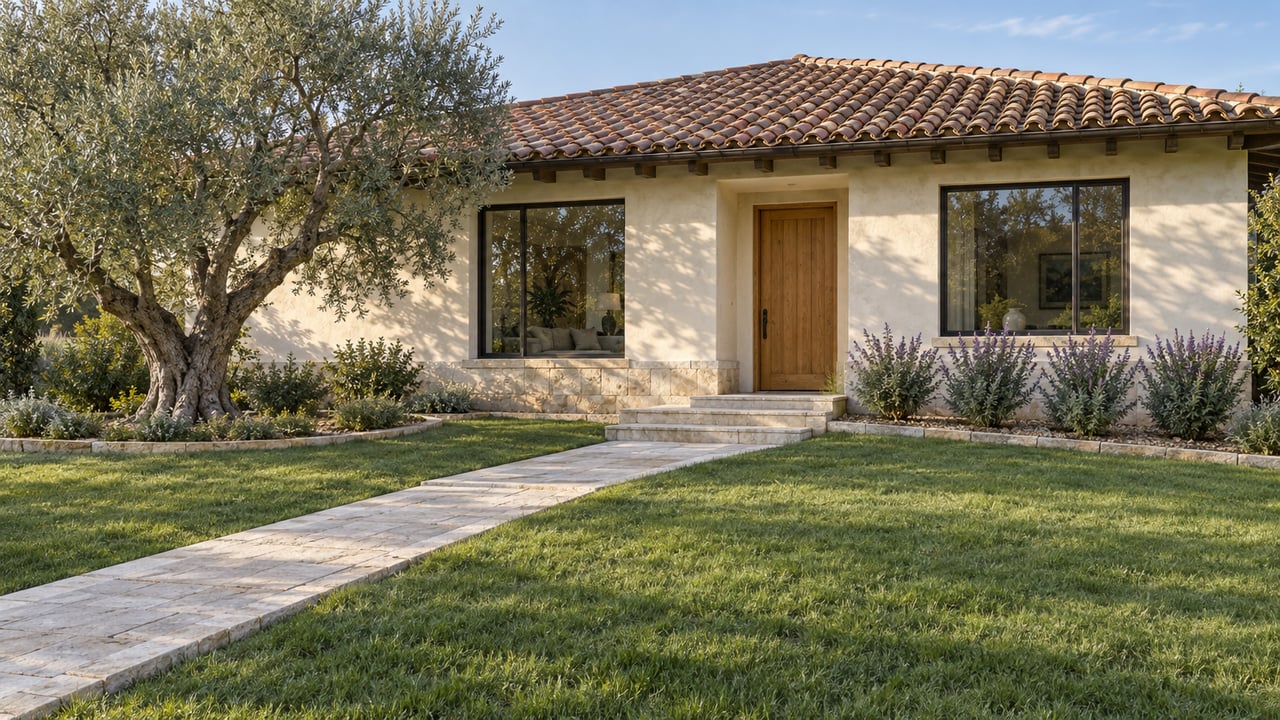
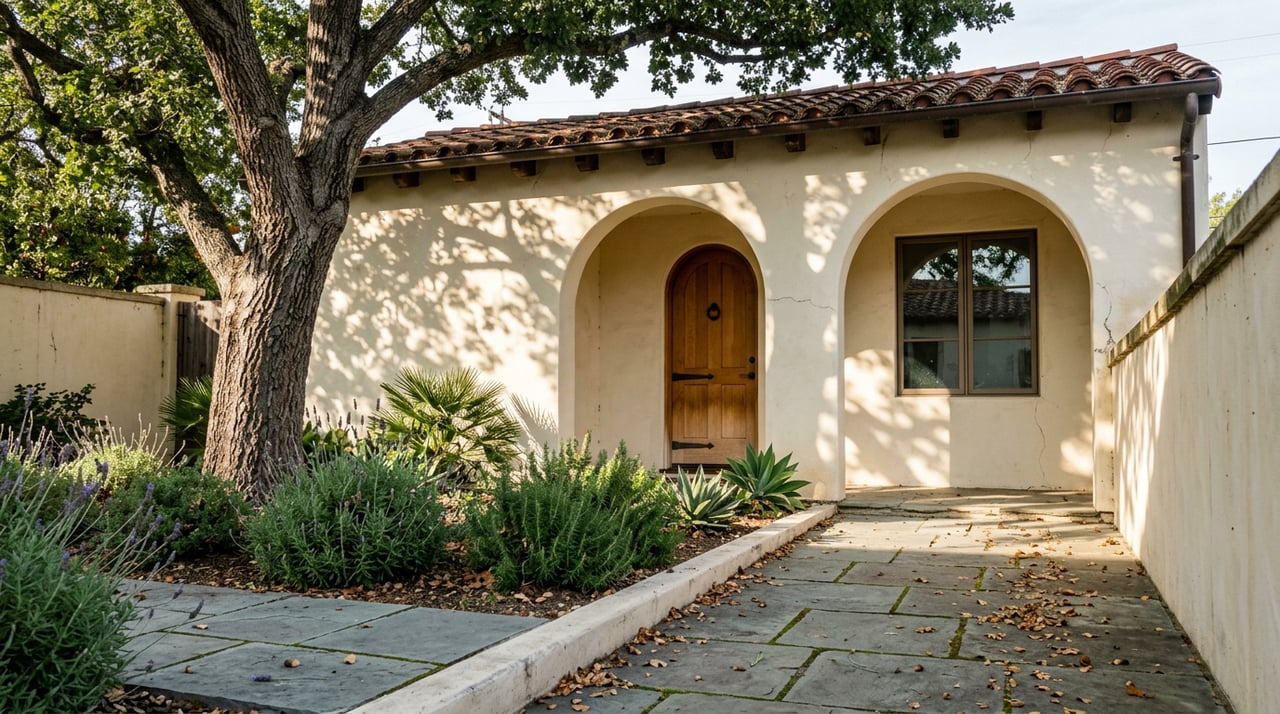
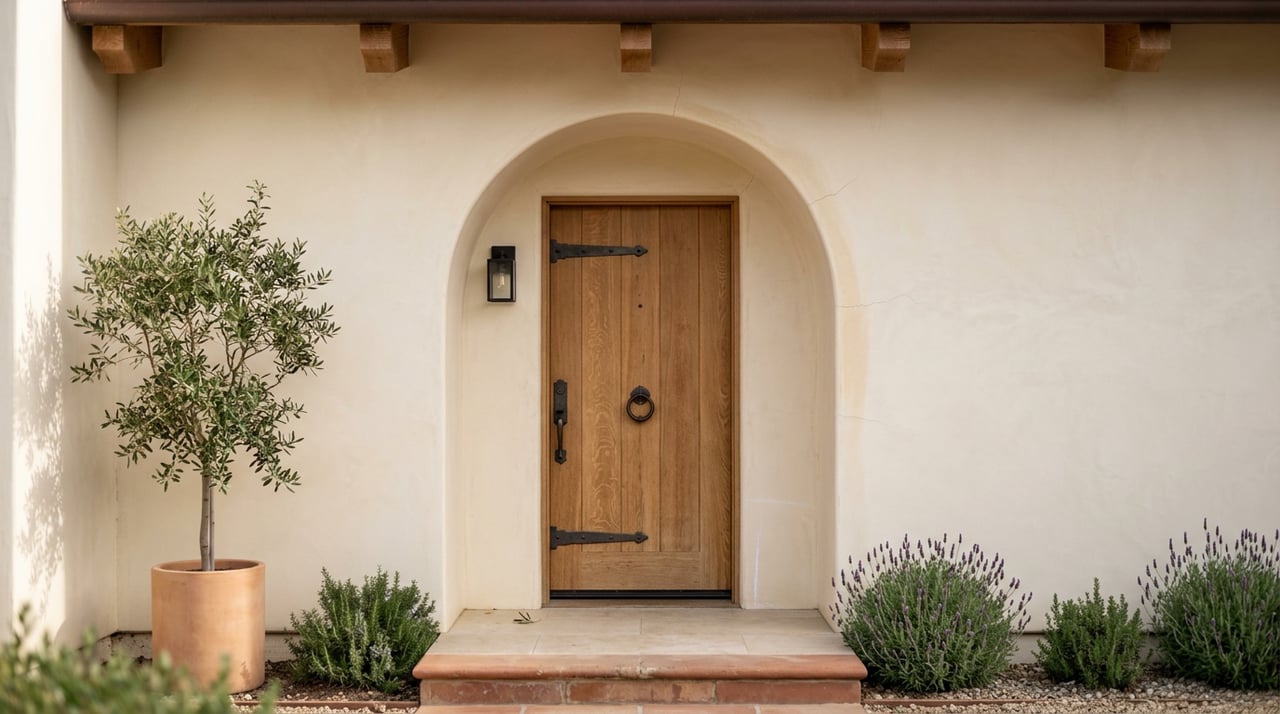
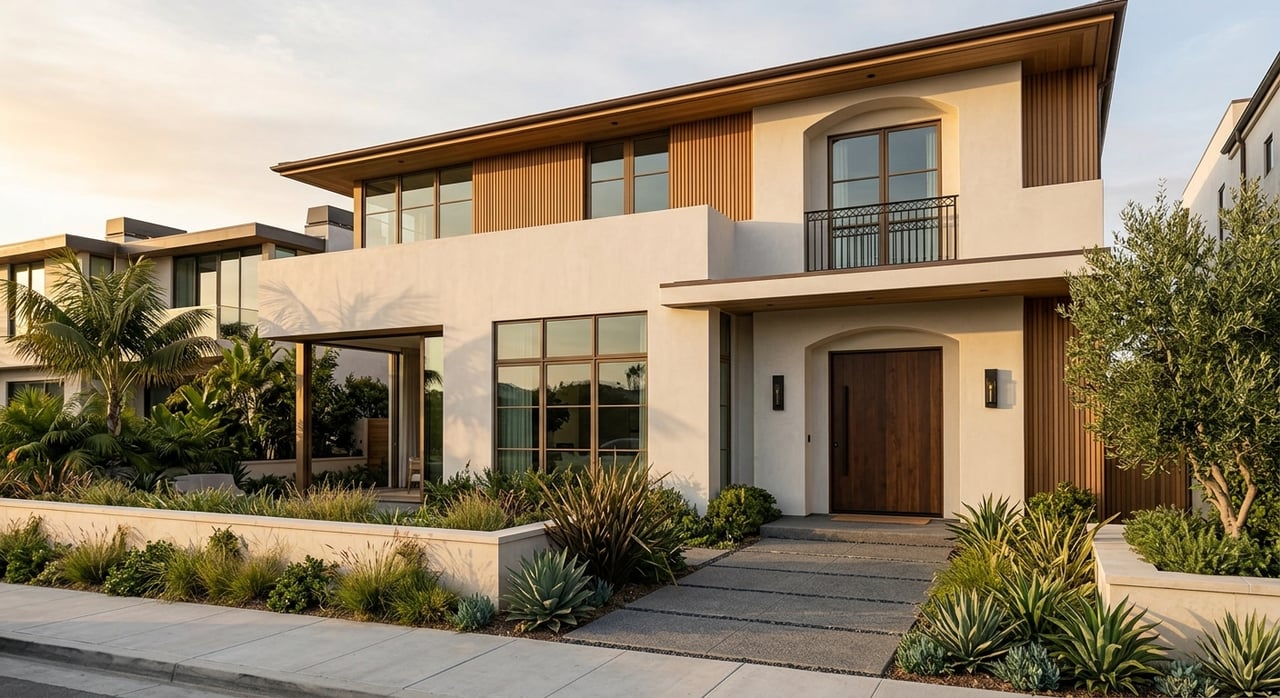
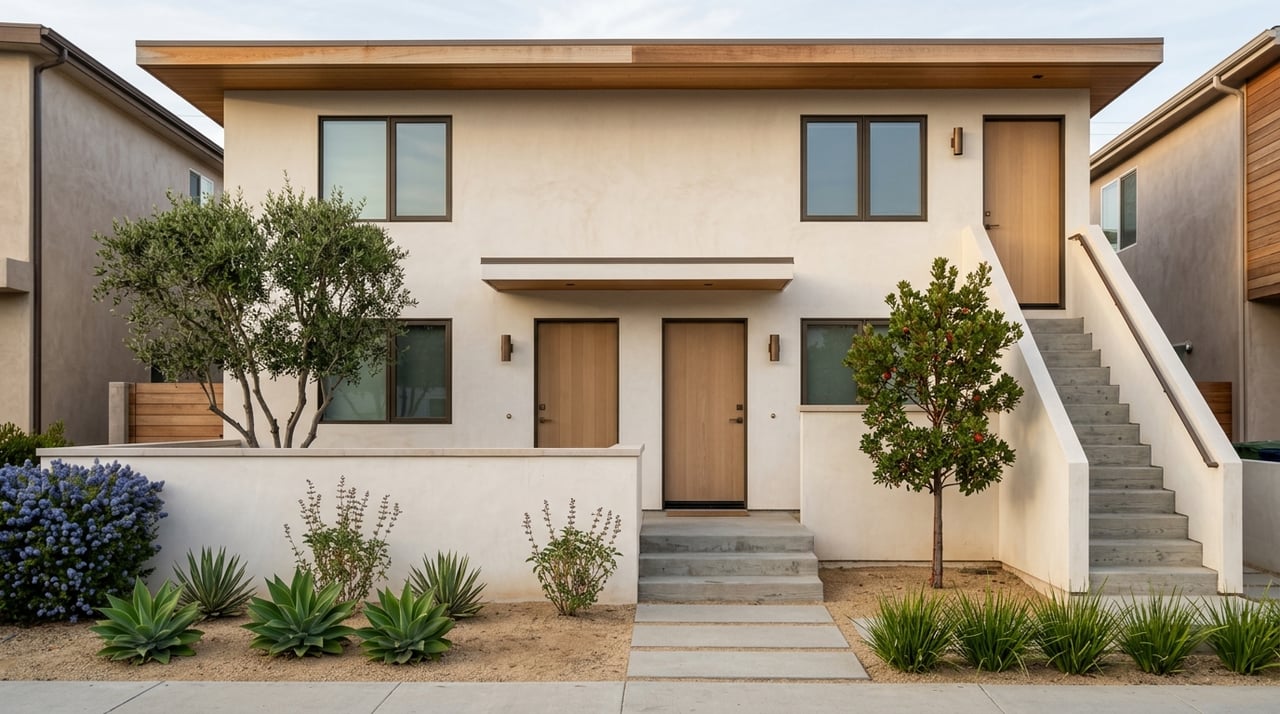
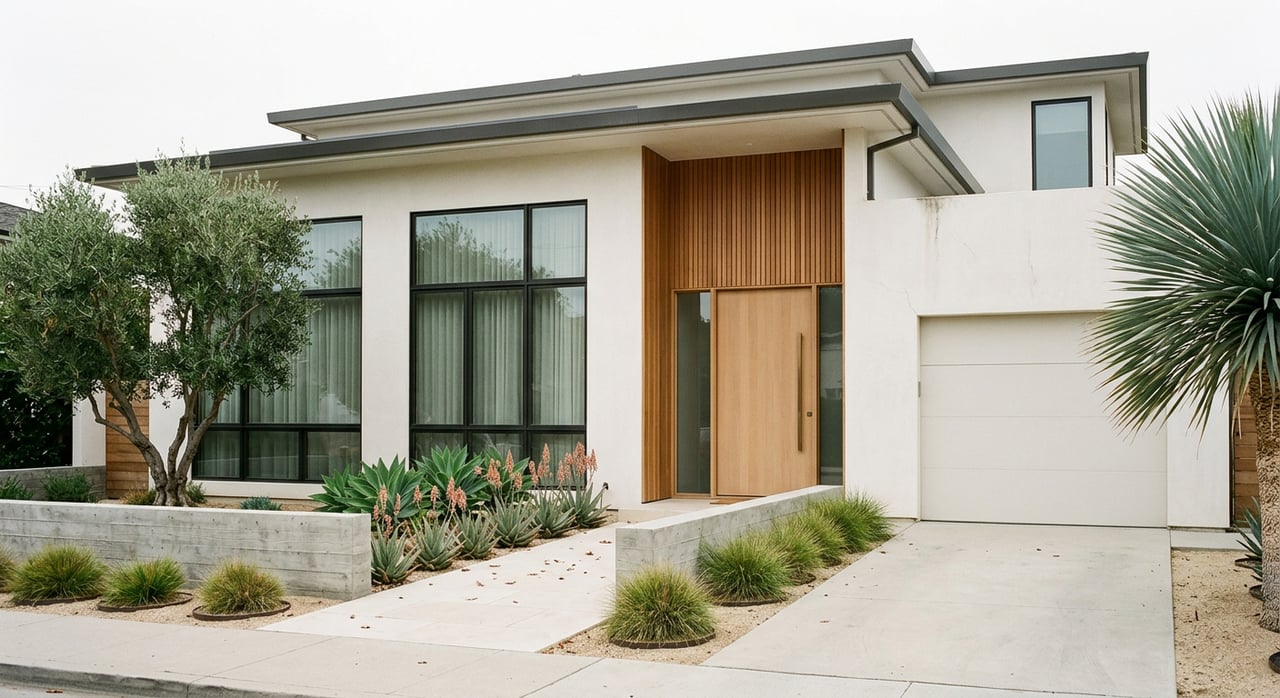
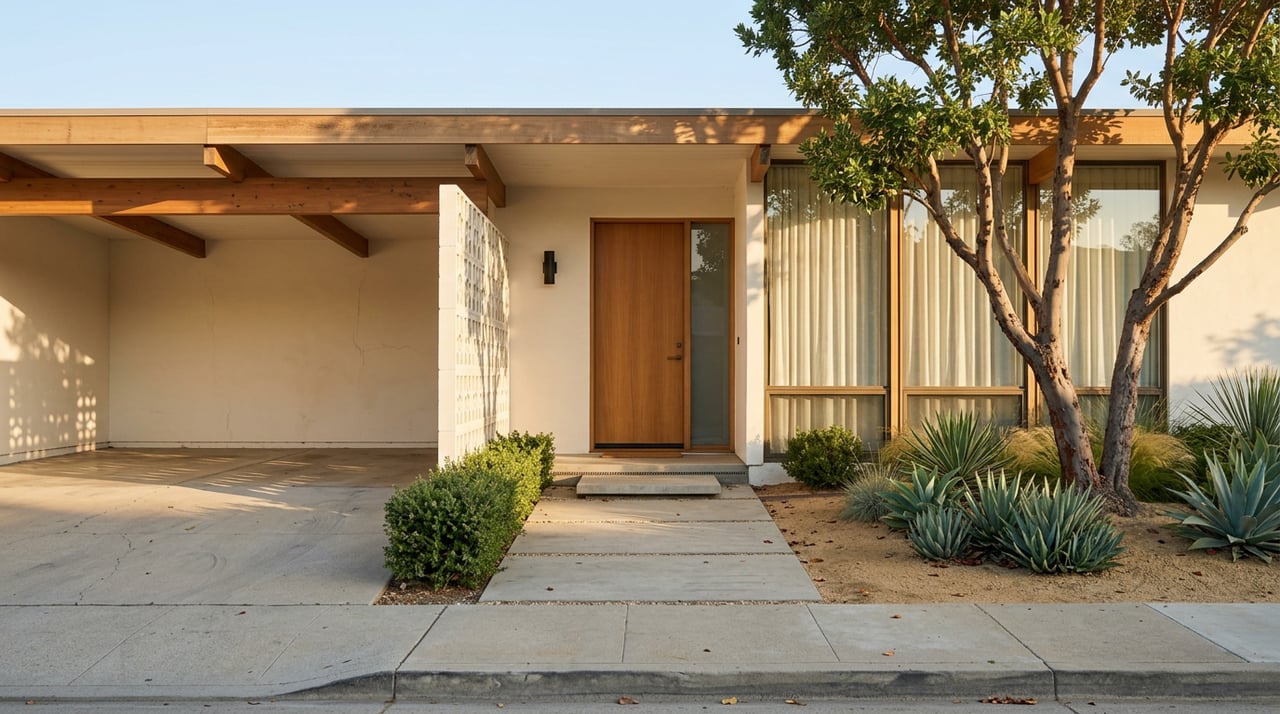
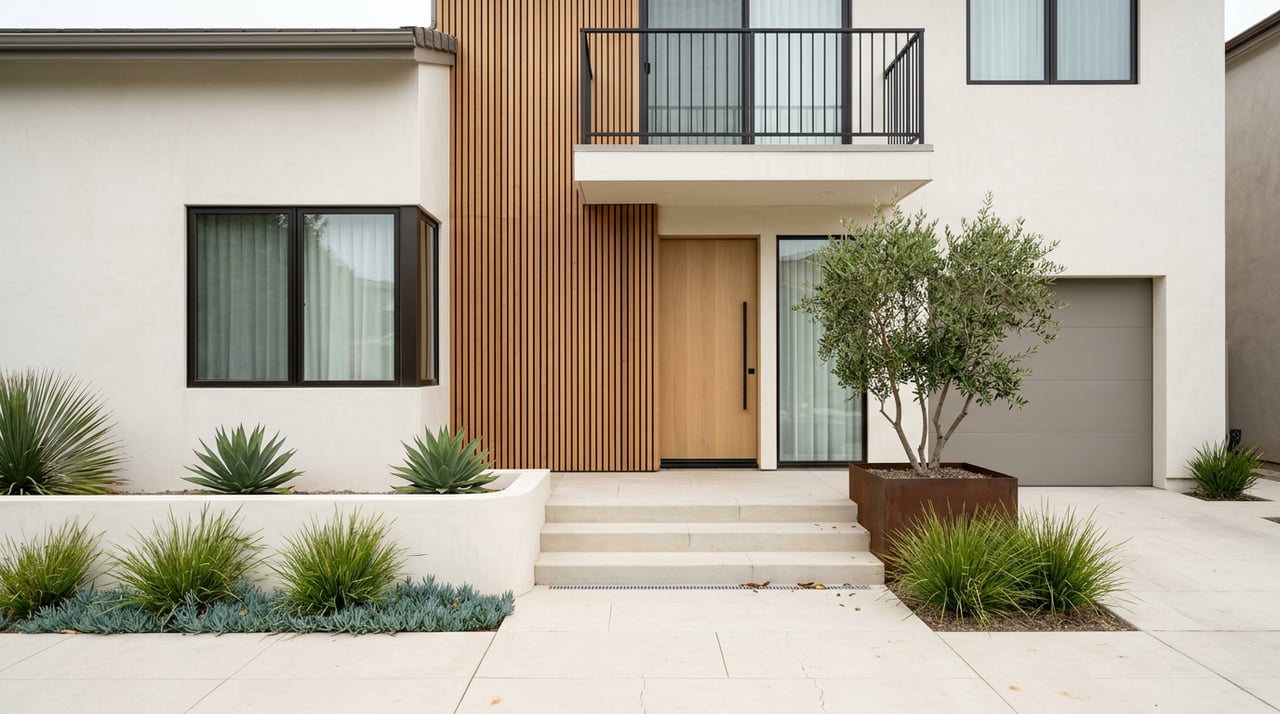
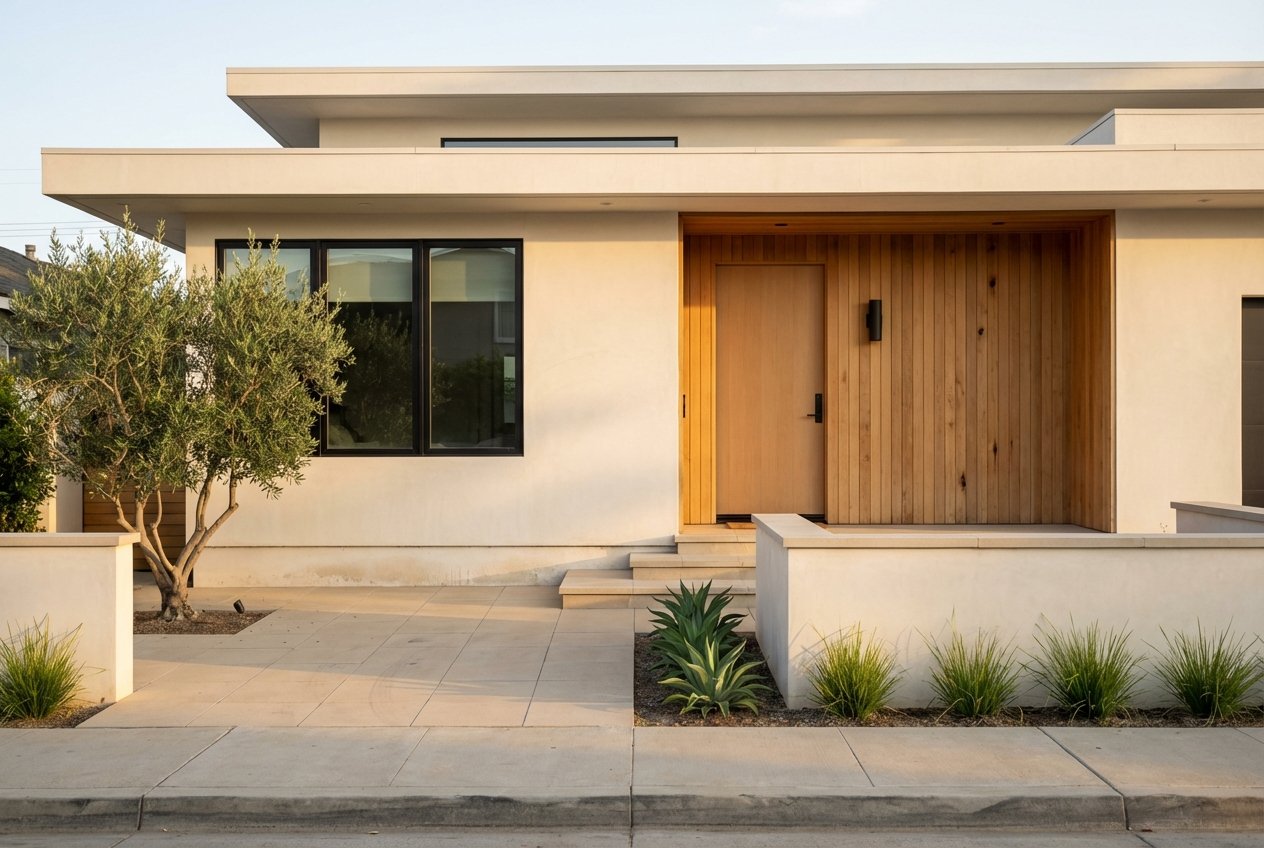
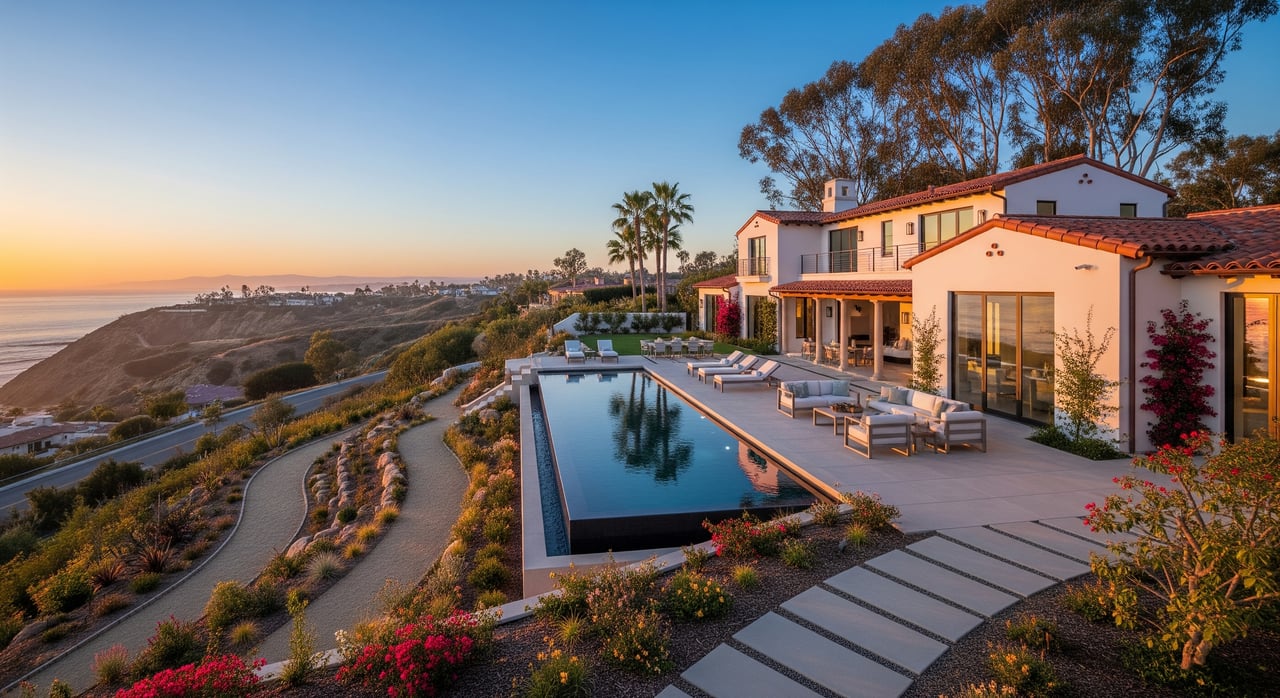
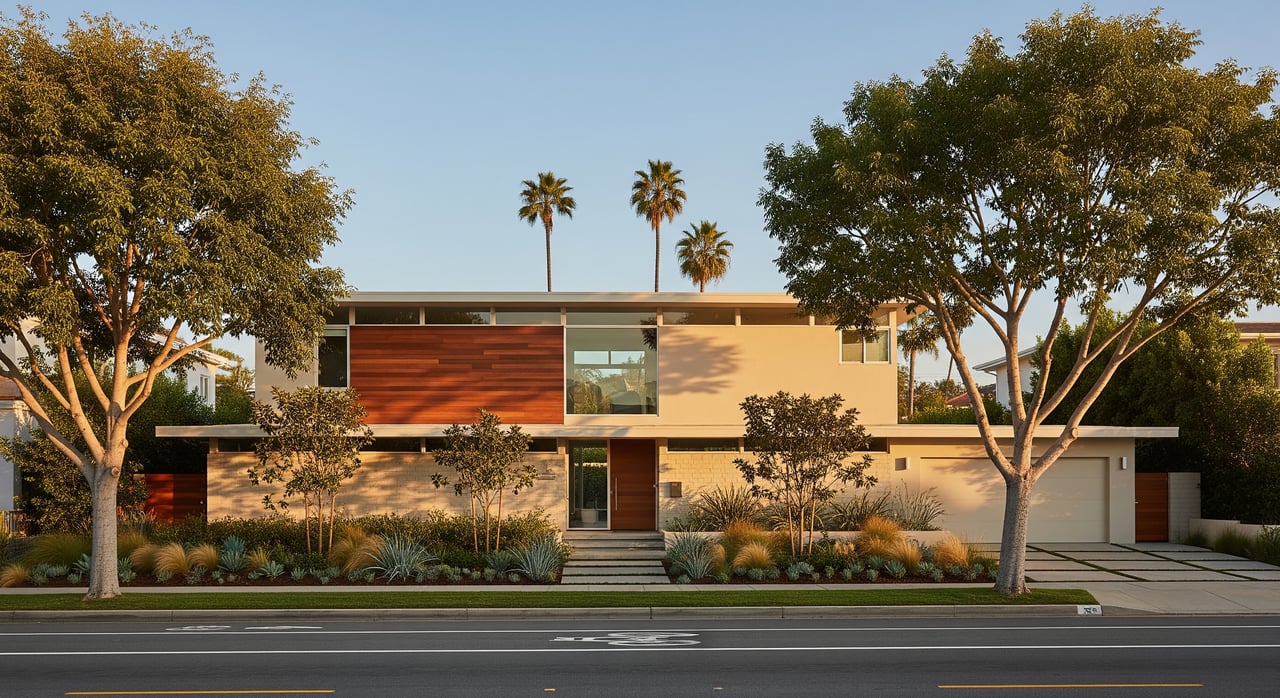
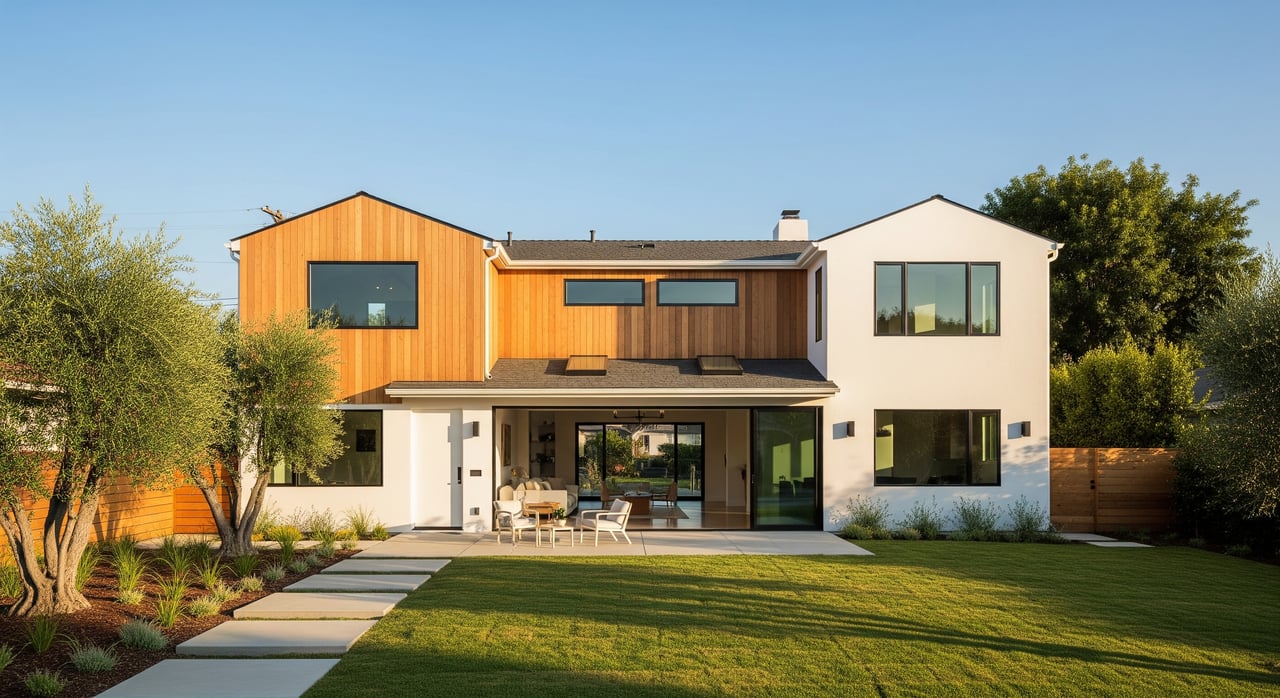
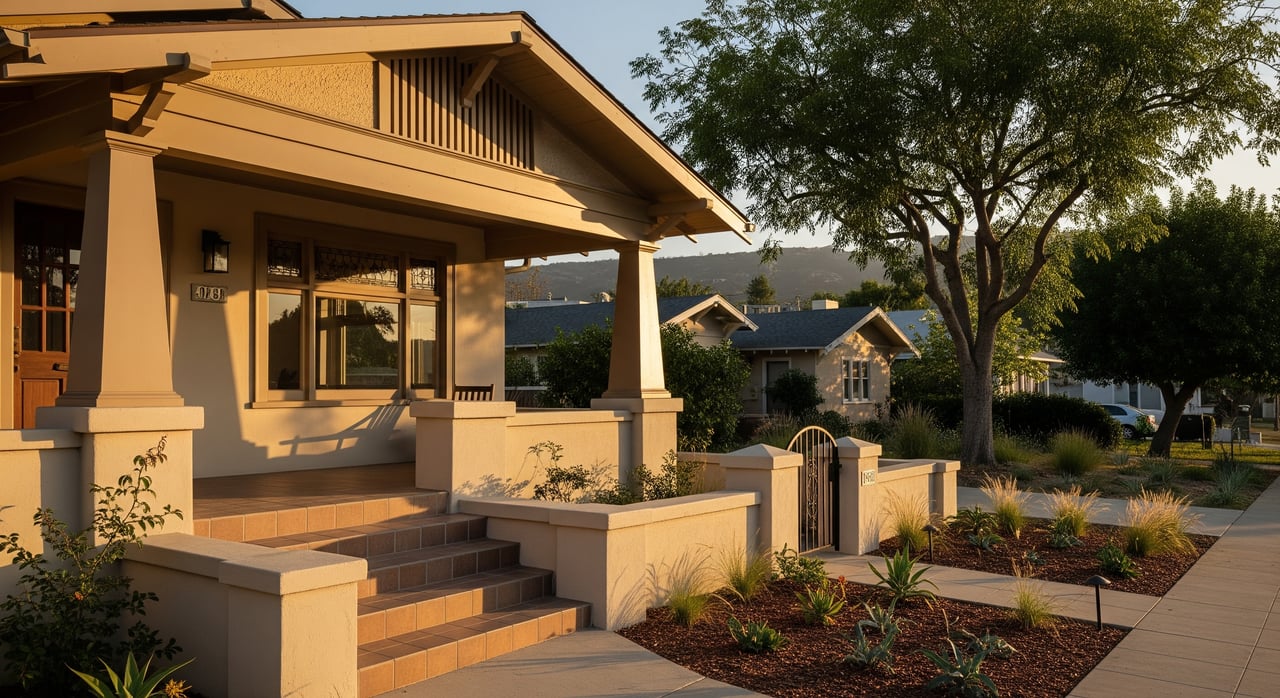
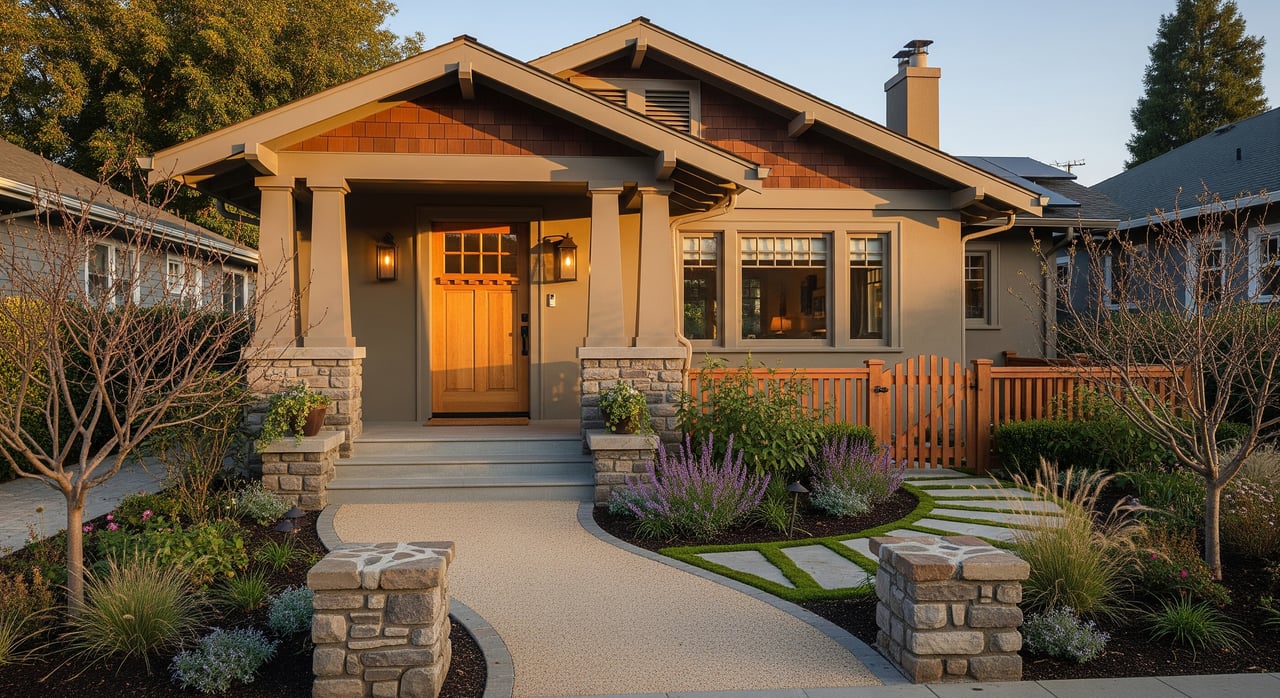
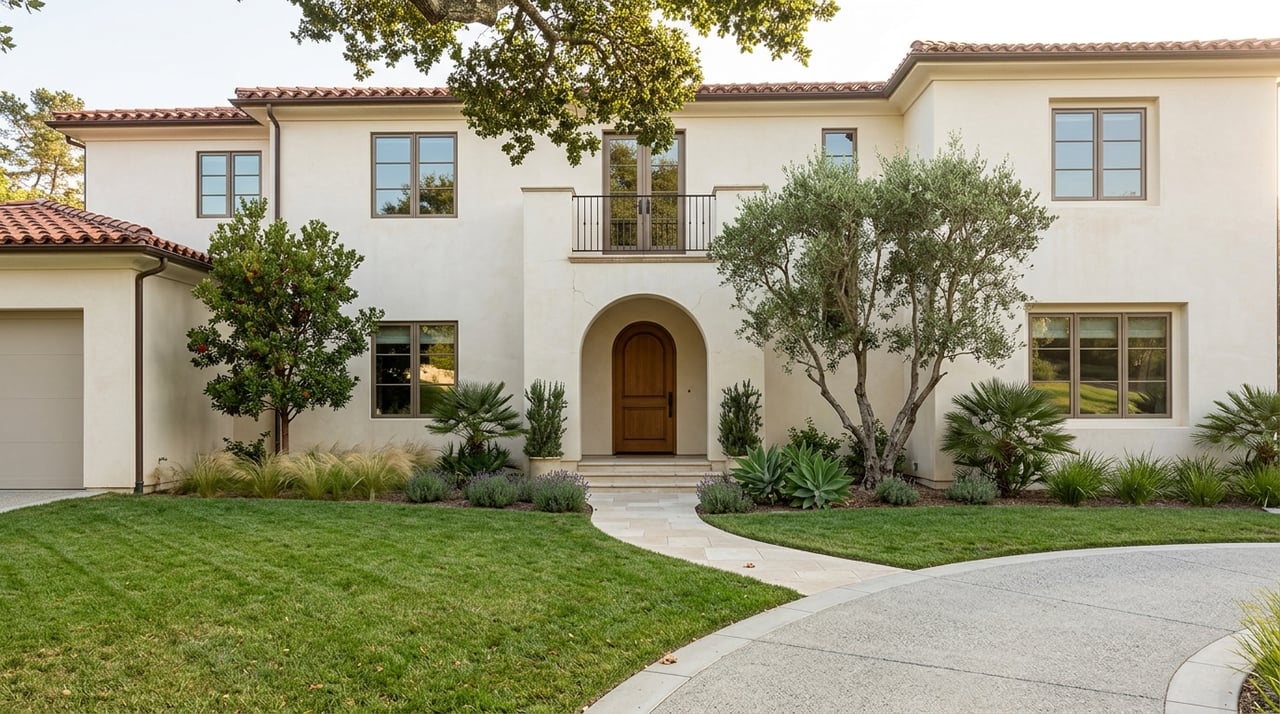
If you are used to the Westside housing mix of apartments, condos, and smaller-lot homes, Palos Verdes Estates will likely feel much more focused. The city’s housing element states that about 92% of the housing stock is single-family homes, with multifamily units and mobile homes making up the rest.
That matters in practical terms. Your home search will usually center on detached houses, established lots, and a more residential streetscape rather than the denser condo and apartment inventory common in many parts of Los Angeles.
Expect a Single-Family Market
Palos Verdes Estates is intended to maintain a low-density, predominantly single-family residential pattern. Only Lunada Bay and Malaga Cove allow multifamily development, and the city reports those areas are already at or above the maximum allowable units.
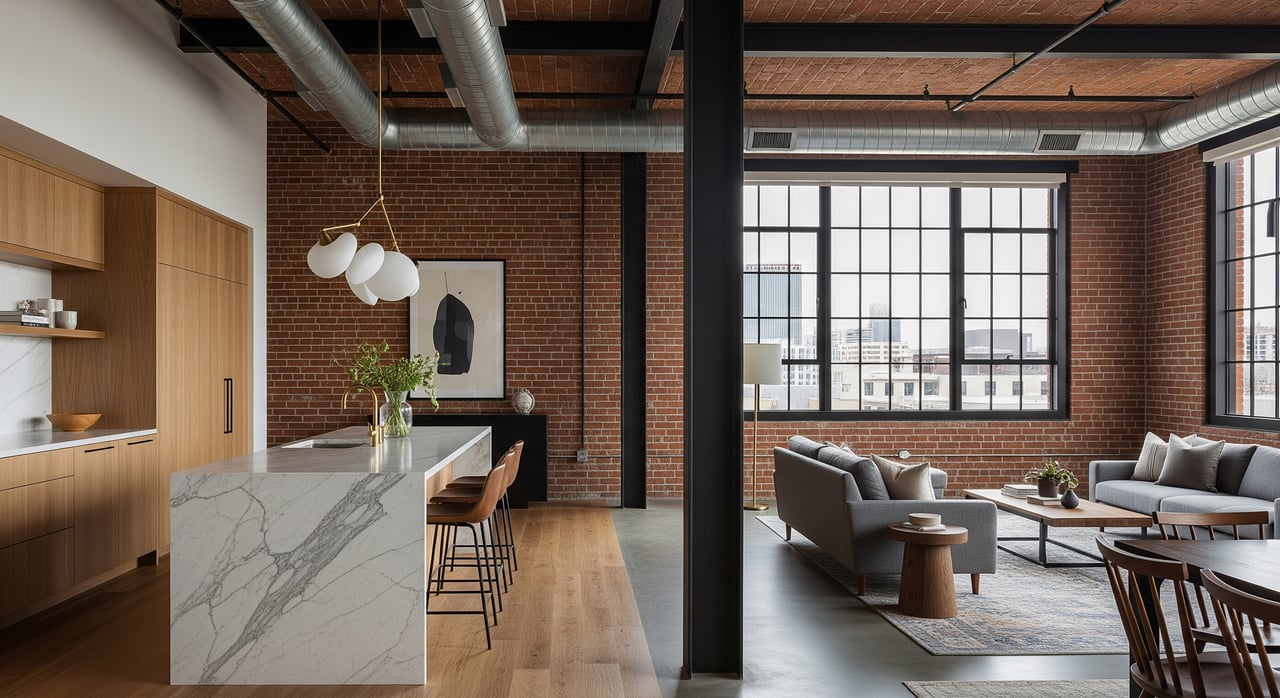
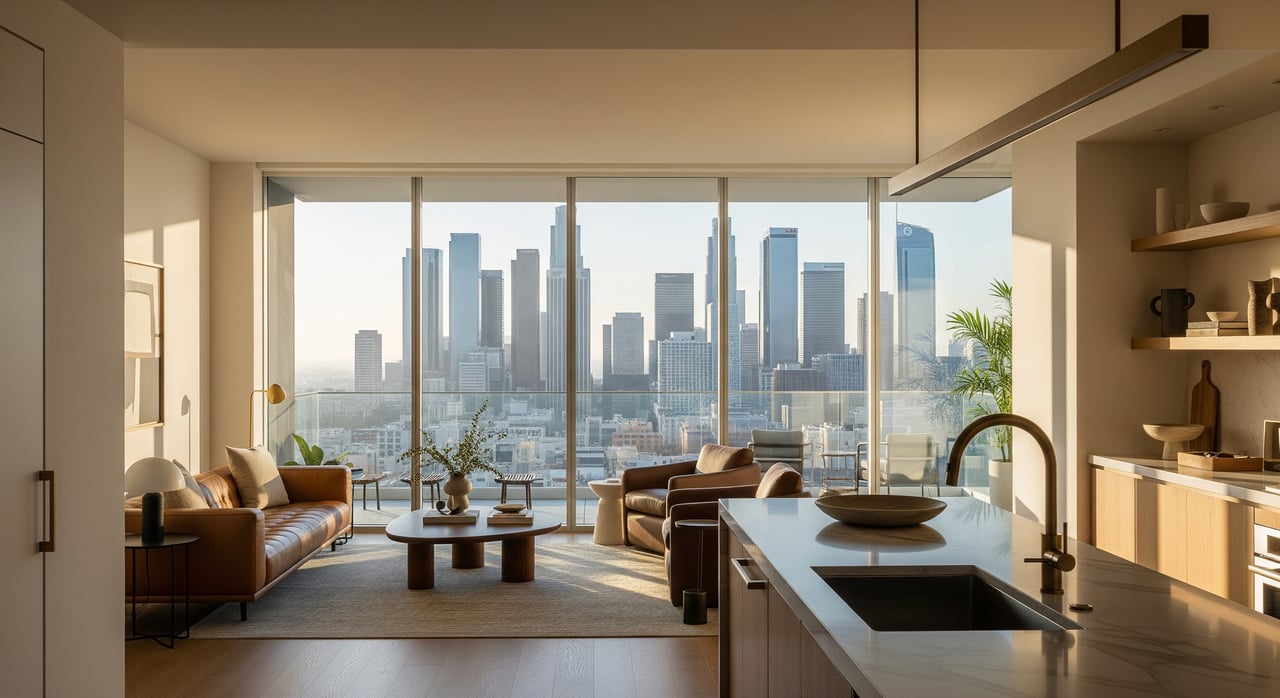
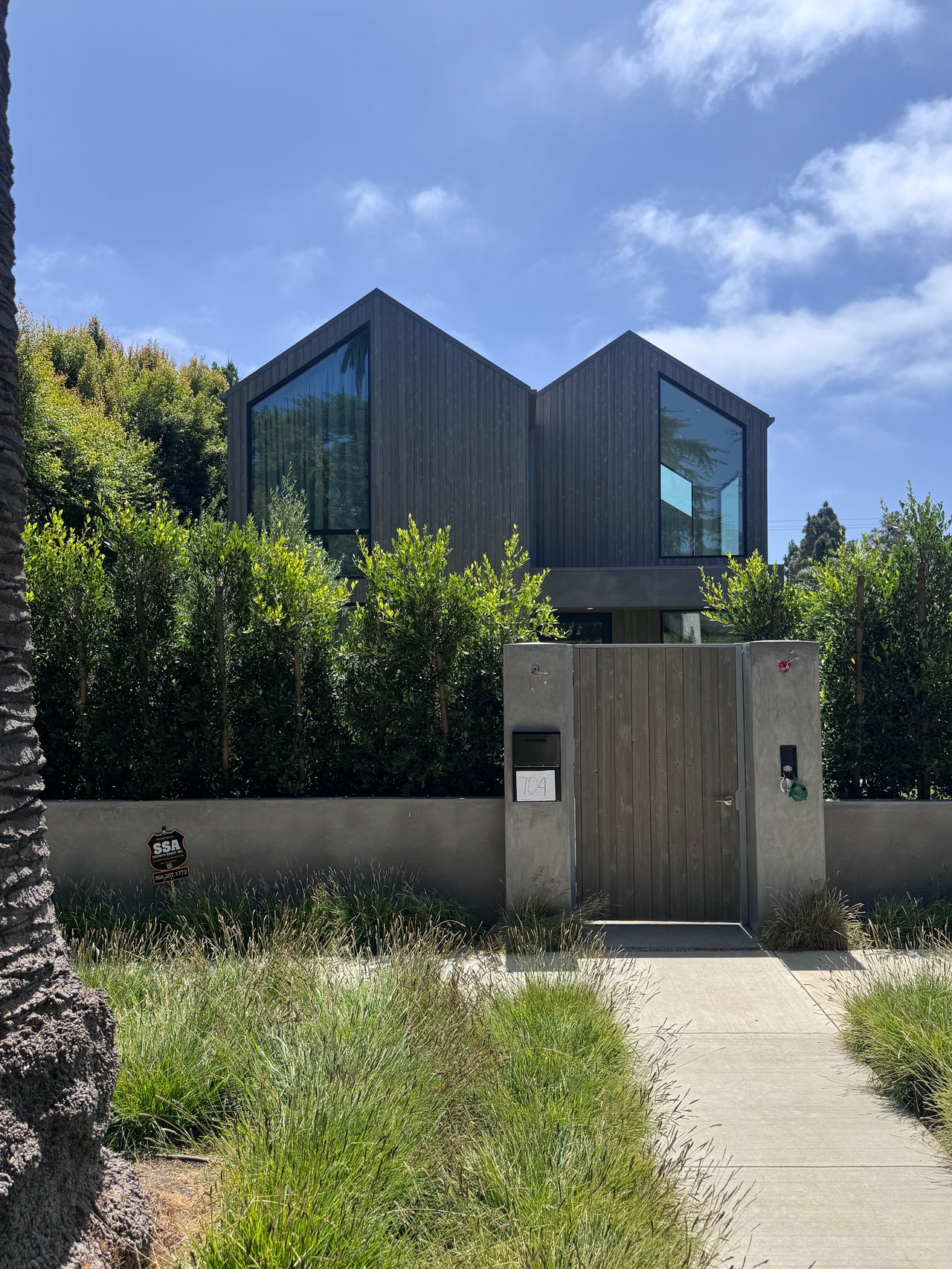
If you are relocating from Santa Monica, Brentwood, Mar Vista, or another Westside area where housing types vary block by block, this can simplify your search in one way and narrow it in another. You may find more consistency in the built environment, but fewer alternate housing options if you want a condo or townhouse lifestyle.
Design Rules Shape the City
Private deed restrictions still influence development in Palos Verdes Estates. The city’s housing documents note that these restrictions govern items like height and setbacks, while planning rules also limit lot coverage and floor area to preserve neighborhood character.
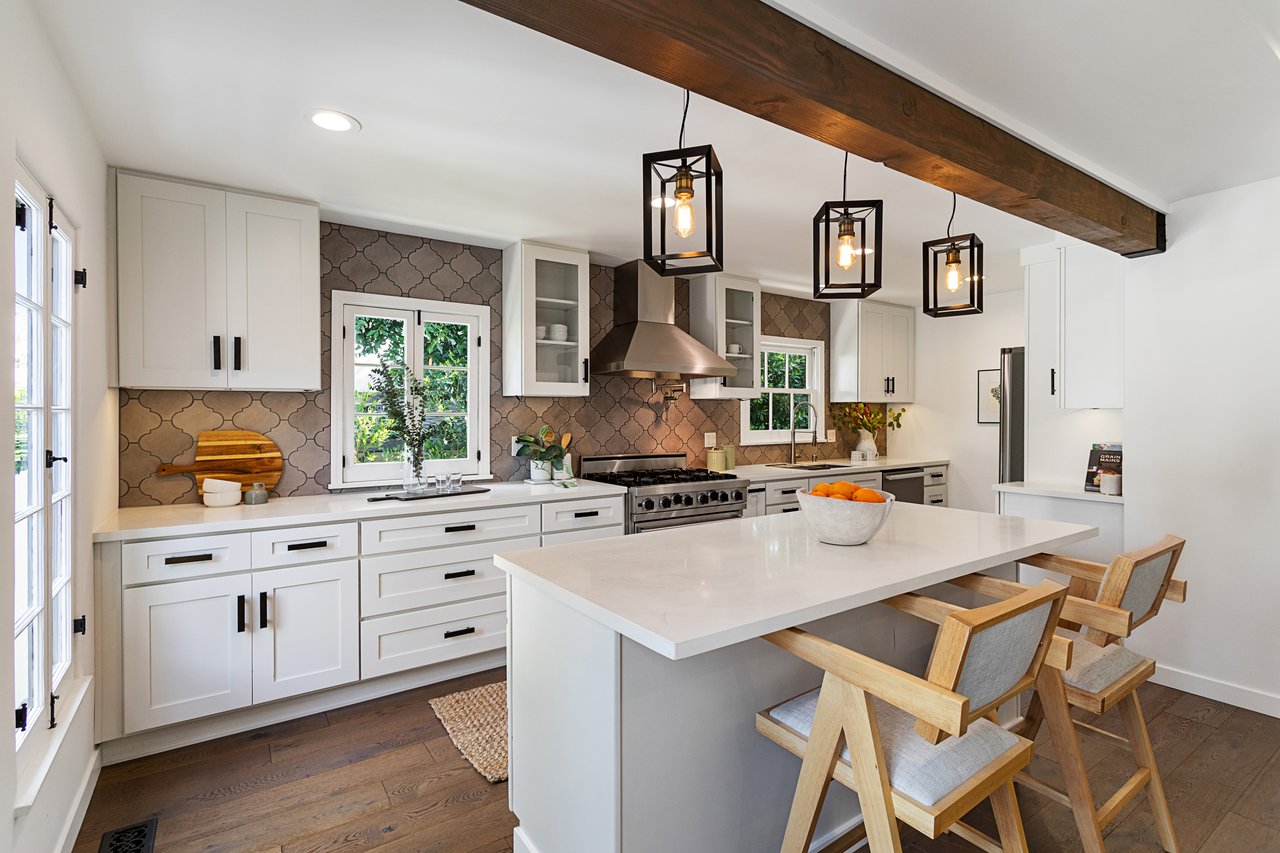
For you as a buyer, that often means the city has a more controlled visual feel. It can also mean that renovation potential, expansion plans, and exterior changes deserve careful review before you buy.
How Costs Compare With Los Angeles
Palos Verdes Estates sits in a very different ownership and pricing context than the City of Los Angeles. Census QuickFacts reports an owner-occupied housing rate of 89.7% in Palos Verdes Estates, compared with 36.0% in Los Angeles.
The same source reports a median owner-occupied home value of more than $2,000,000 in Palos Verdes Estates, compared with $921,200 in Los Angeles. Median household income is also significantly higher in Palos Verdes Estates at $242,014, compared with $81,939 in Los Angeles.
This does not tell you what any specific home will cost, but it does show the broad market reality. If you are moving from the Westside, especially from a renter-heavy or condo-heavy area, you are likely entering a more owner-dominant and higher-priced single-family market.
Daily Life in Palos Verdes Estates
One of the clearest changes from the Westside is how daily life is organized. In Palos Verdes Estates, recreation and routines are shaped less by dense commercial corridors and more by outdoor space, shoreline access, and small local hubs.
The city states that it does not operate a recreation department or formal recreation programs. Instead, recreation is more self-guided, with bluff-top trails, beach access, clubs, and open space playing a central role.
Open Space Is a Major Part of Life
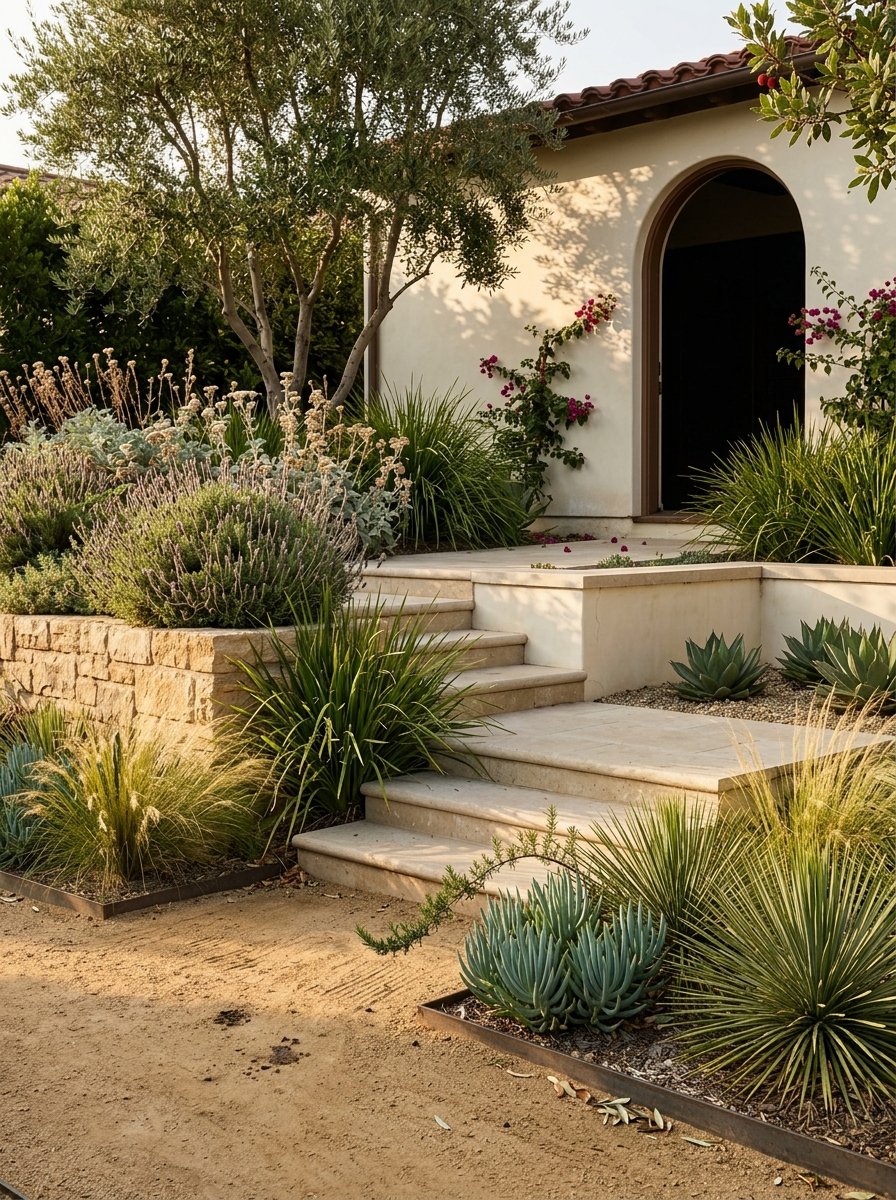
The city’s housing element states that Palos Verdes Estates contains about 849 acres of open space, including a 130-acre shoreline preserve, park sites, greenbelt pathways, a golf course, and play areas. It also notes that 28% of the city consists of parklands protected by deed restrictions in perpetuity.
For a Westside buyer, this can be one of the biggest lifestyle upgrades. You may trade some convenience and commercial variety for more immediate access to trails, coastal views, and preserved open land.
Recreation Is More Local and Self-Directed
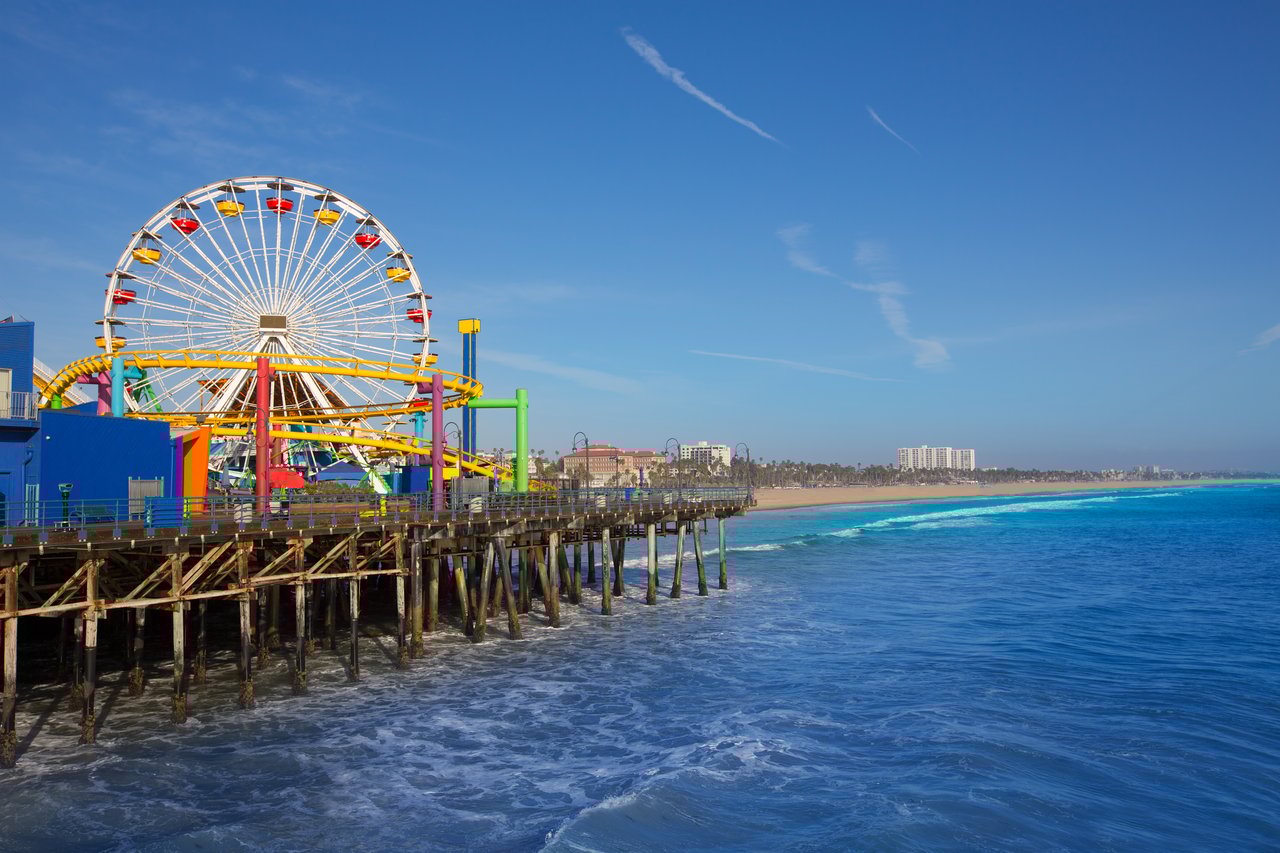
Official city recreation information highlights bluff-top trails with ocean views between the 1300 block of Paseo Del Mar and the south end of the city, along with beach access from the 300 block of Paseo Del Mar. The city also identifies four concession-run recreation facilities: the golf club, tennis club, beach and athletic club, and stables.
That points to a different pace of living. Rather than building your week around a long list of nearby entertainment options, you may spend more time outdoors or around a few destination amenities that are closely tied to the Peninsula setting.
Retail and Dining: A Smaller Footprint
If you love the Westside for its variety and spontaneity, this is an area to think through carefully. Commercial land in Palos Verdes Estates is limited, and the city says activity is concentrated in the two small commercial areas of Malaga Cove and Lunada Bay Plazas.
These commercial areas include local services such as restaurants, food markets, and businesses related to real estate, escrow, mortgage, and title. In practical terms, you are not moving into a dense retail grid. You are moving into a residential city with a few village-scale commercial nodes.
What That Tradeoff Looks Like
For some buyers, that smaller footprint is a plus. It can support a quieter environment and a more residential feel.
For others, it means adjusting expectations around walkable variety and quick access to a broad range of shops or restaurants. If you are relocating from a part of the Westside where errands, coffee, dining, and fitness are all a short walk away, your routines may become more car-based and more intentionally planned.
Commuting From Palos Verdes Estates
Commuting is one of the most important parts of any relocation decision, especially if your work, family, or social life still ties you to the Westside or central Los Angeles. In Palos Verdes Estates, the transportation picture is more suburban than urban.
Census QuickFacts reports a mean travel time to work of 31.9 minutes for Palos Verdes Estates workers. While that is a citywide average across many destinations, it supports the broader point that the city functions more like a car-oriented commute market than a transit-centered neighborhood.
Transit Exists, But It Is Limited
PV Transit provides local weekday service. The current 225 and 226 service brochure states that buses operate Monday through Friday only, with no weekend or holiday service, and that riders can transfer at 7th and Pacific to reach the Metro Silver Line toward downtown Los Angeles.
That means transit is available, but it is not designed like the rail-connected systems many Angelenos think of first. If you work on the Westside, expect your commute to be primarily car-first, with transit as a more indirect option.
Plan for a Different Commute Pattern
This is one of the biggest practical tradeoffs in the move. Palos Verdes Estates can offer more space, privacy, and access to open land, but those benefits often come with reduced transportation flexibility compared with denser Los Angeles neighborhoods.
If you commute several times a week, it helps to think beyond mileage. Consider the timing of your workday, how often you need to cross the city, and whether your household is comfortable with a more driving-centered routine.
Is the Move Worth It?
For many Westside buyers, the answer comes down to what you want more of and what you are willing to give up. Palos Verdes Estates offers a low-density, mostly single-family environment with significant open space, shoreline access, and a quieter residential atmosphere.
At the same time, it offers less of what defines many Westside neighborhoods: dense retail choice, transit convenience, and a broad mix of housing types. It is less about doing everything within a few blocks and more about living in a place shaped by homes, land, and coastline.
A Smart Way to Approach the Move
If Palos Verdes Estates is on your shortlist, it helps to evaluate the move through both a lifestyle lens and a property lens. Think about how often you use walkable amenities now, how important outdoor space is to you, and whether a detached-home market better matches your long-term goals.
It is also wise to look closely at lot conditions, design restrictions, and the specific feel of different parts of the city. In a place where housing stock is mostly single-family and development controls are meaningful, local insight can make your search more efficient and more informed.
If you are weighing a move from the Westside to the Peninsula, Johannes Steinbeck can help you compare neighborhoods, evaluate homes with a design-minded eye, and navigate the shift with clear, tailored guidance.
FAQs
What is daily life like in Palos Verdes Estates compared with Westside Los Angeles?
- Daily life in Palos Verdes Estates is generally more residential and outdoor-oriented, with open space, trails, shoreline access, and small local commercial areas playing a larger role than dense retail corridors.
What kind of homes are most common in Palos Verdes Estates?
- According to the city’s housing element, about 92% of the housing stock in Palos Verdes Estates is single-family homes.
Is Palos Verdes Estates more car-dependent than the Westside?
- Yes. Local transit is limited to weekday bus service, and the city’s overall transportation pattern is more car-first than transit-oriented.
Are there many condos or multifamily options in Palos Verdes Estates?
- Multifamily housing is limited. The city states that only Lunada Bay and Malaga Cove allow multifamily development, and those areas are already at or above the maximum allowable units.
How much open space does Palos Verdes Estates have?
- The city’s housing element reports about 849 acres of open space, including a 130-acre shoreline preserve, park sites, greenbelt pathways, and other recreational land.
Is Palos Verdes Estates a good fit for Westside buyers seeking more space?
- It can be a strong fit if you value detached homes, privacy, coastal access, and a quieter setting more than dense walkable retail and transit convenience.