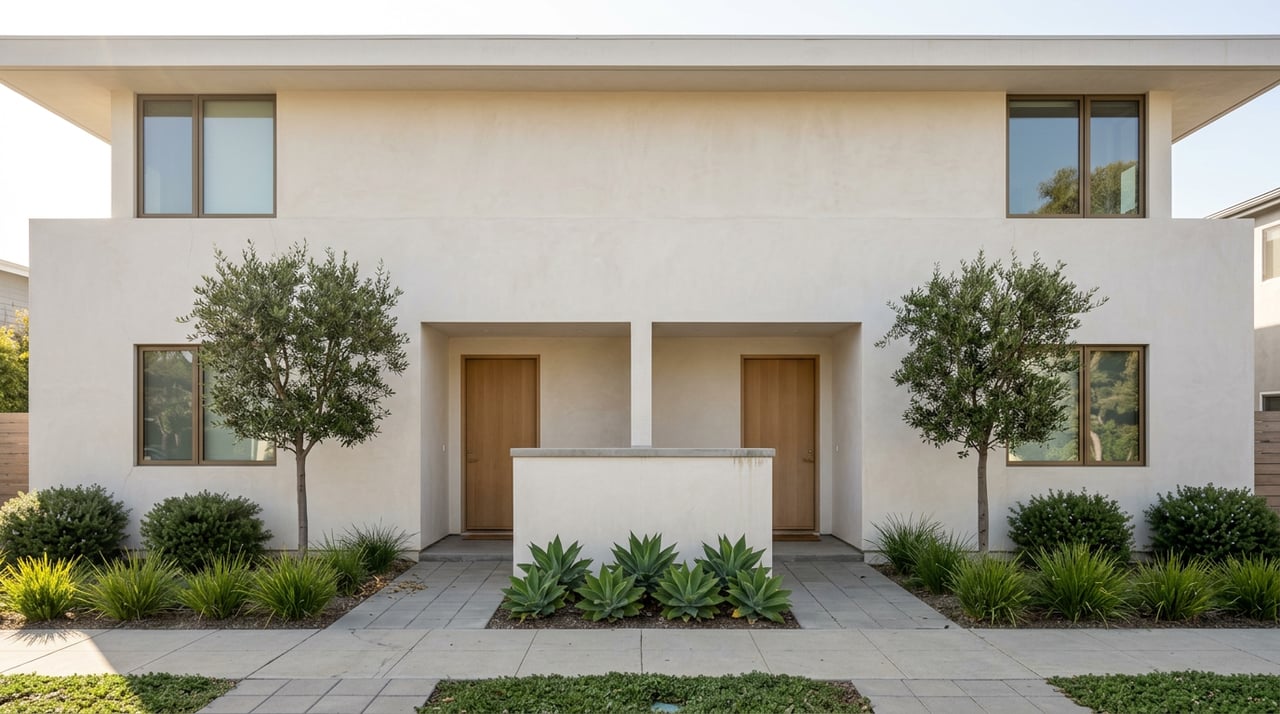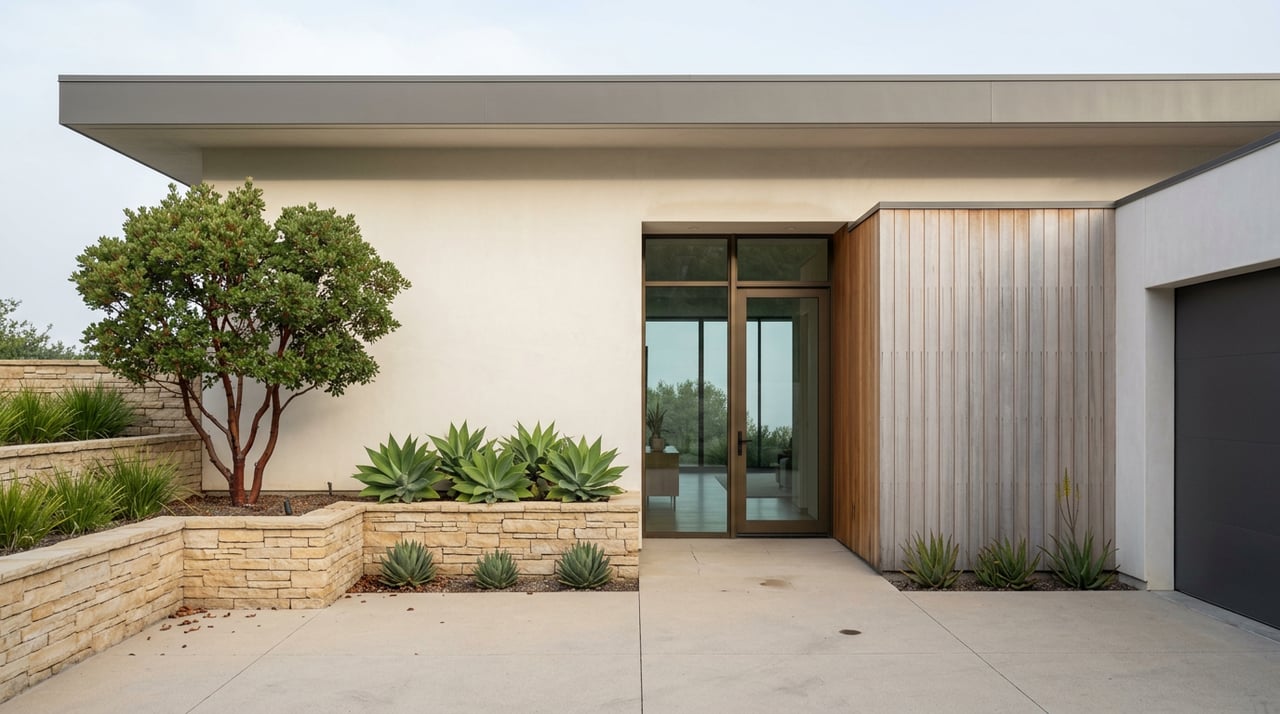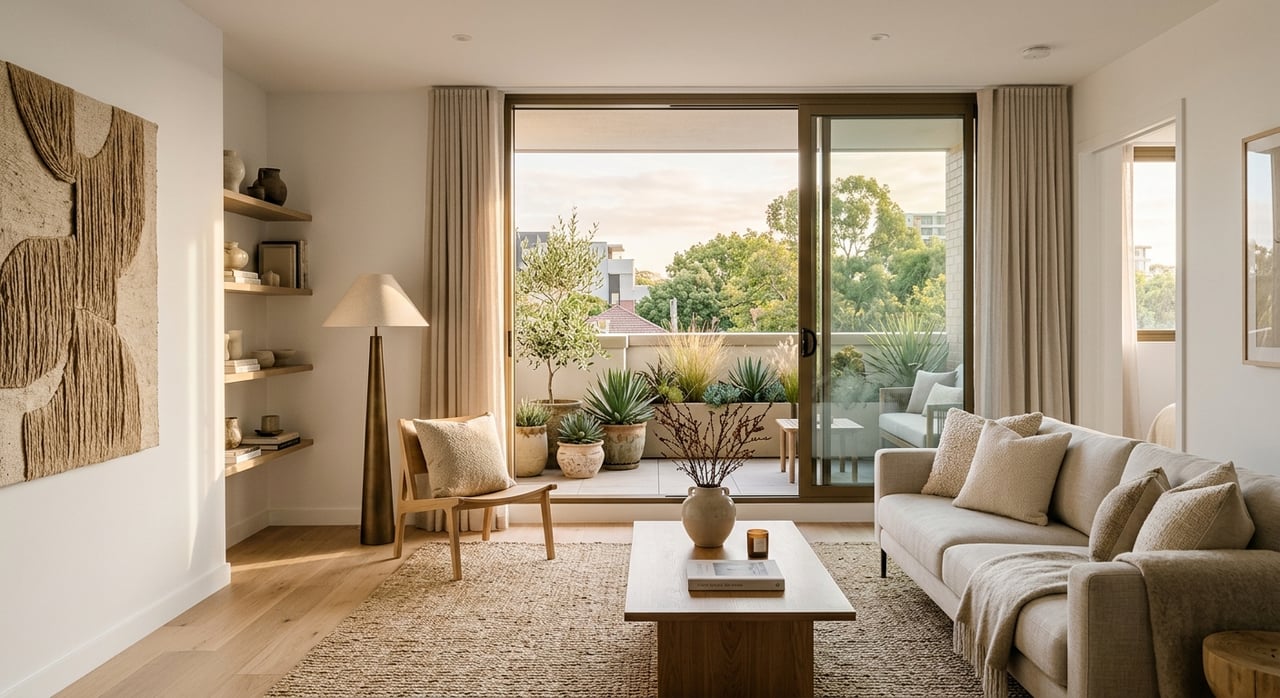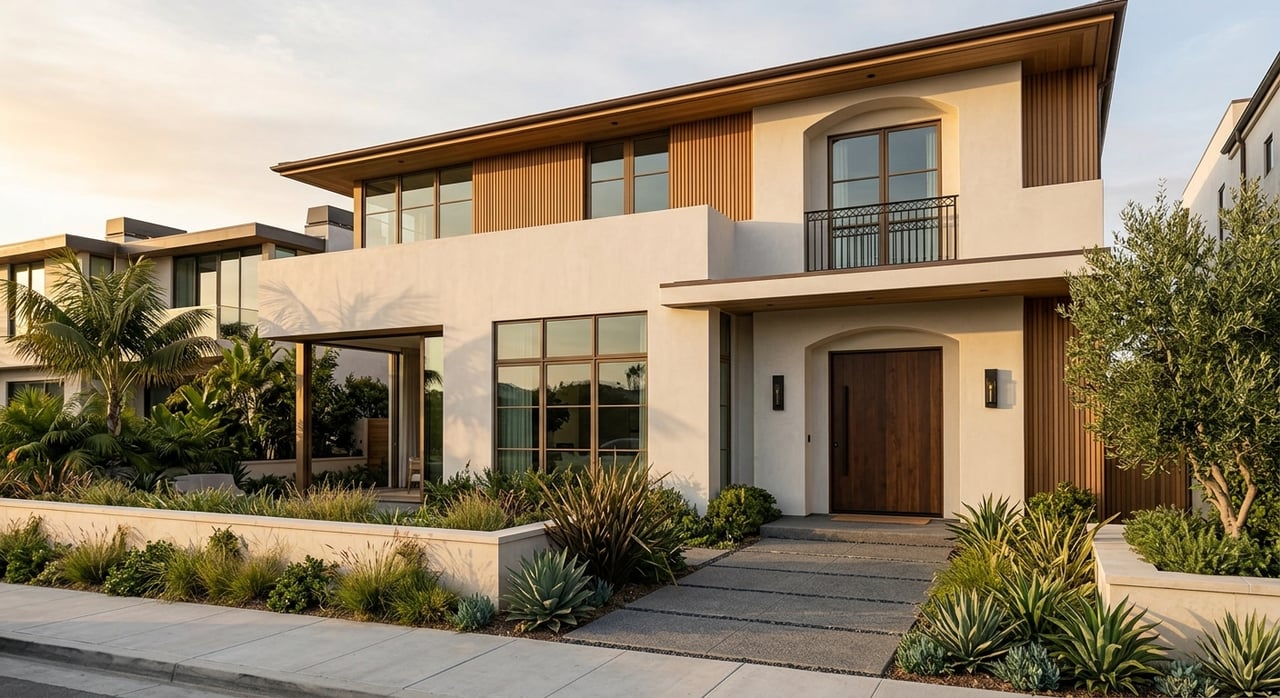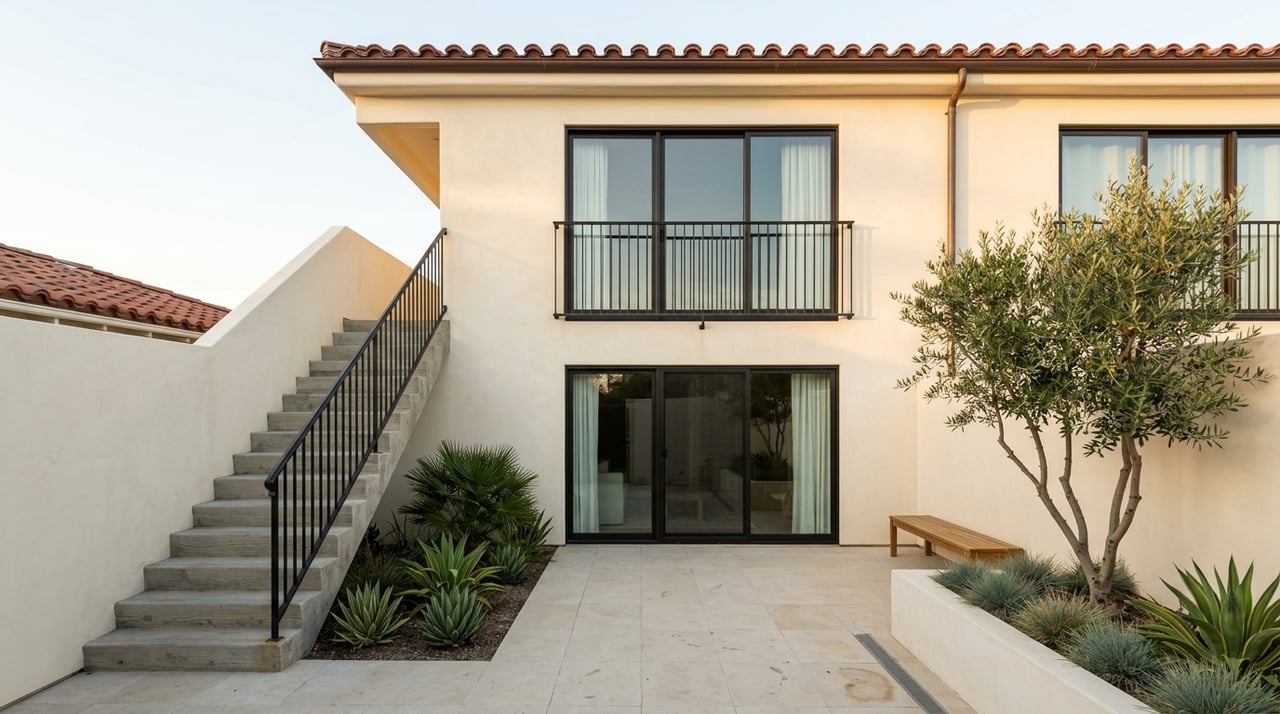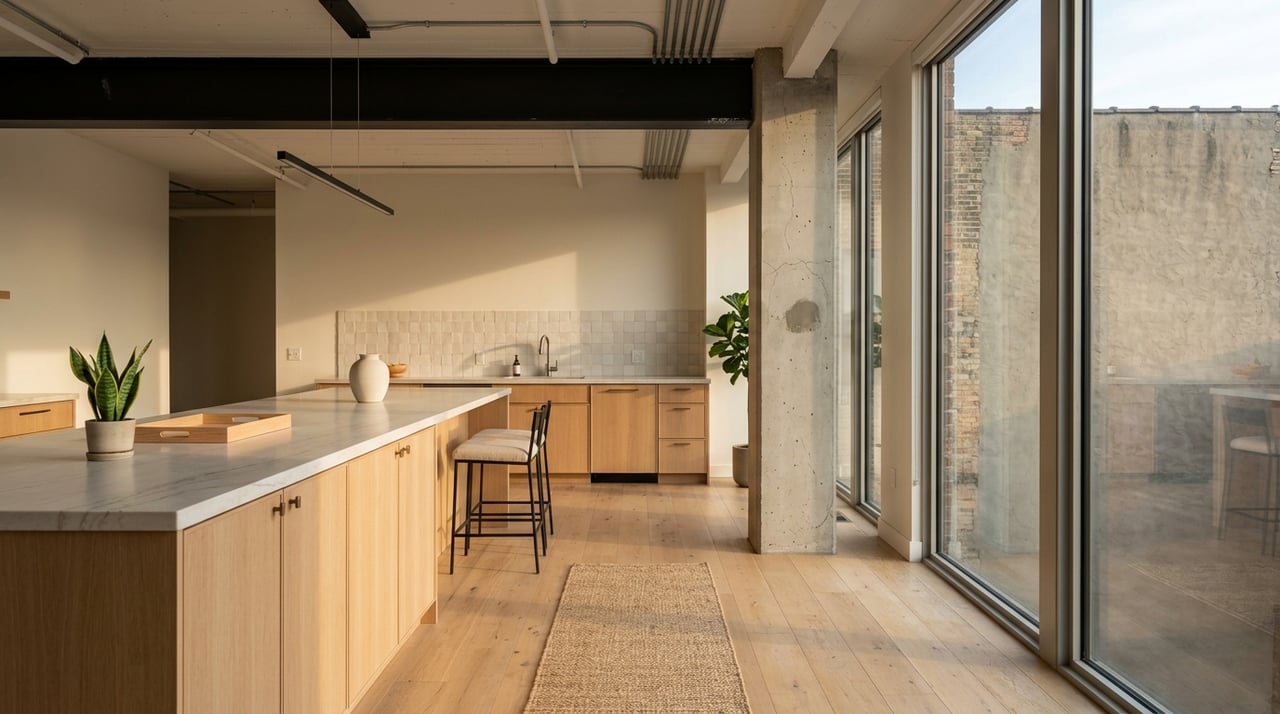
If you are thinking about buying a Santa Monica condo as a long-term investment, it is easy to get pulled in by ocean air, walkable streets, and strong demand. But long-term stability usually comes down to something more practical: the building, the rules, and how the property functions over time. If you want to invest with more confidence, this guide will help you focus on the factors that matter most in Santa Monica. Let’s dive in.
Why Santa Monica Holds Attention
Santa Monica is not just a beach city with a small residential base. The city reports a resident population of about 93,000, a daytime population near 250,000, and more than 8 million annual visitors. That mix matters because it supports demand from full-time residents, renters, and future resale buyers.
The condo market also reflects a mature, active environment rather than a one-sided frenzy. As of late June 2026, Redfin shows 129 condos for sale in Santa Monica with a median listing price of $1.2 million and a typical market time of 72 days. Realtor.com describes the broader Santa Monica market as balanced in May 2026, with homes selling for an average of 1.76% below asking and a 98% sale-to-list ratio.
For you as a long-term buyer, a balanced market can be helpful. It often gives you a better chance to evaluate the building, review disclosures carefully, and avoid making a decision based only on location or emotion.
Focus on Stability, Not Hype
A Santa Monica condo can look compelling on paper, but long-term performance is often shaped by details that do not show up in listing photos. Entry price matters, but so do reserves, repair history, rental rules, and the building’s physical condition.
In a city with strong demand and layered local regulations, the most durable opportunities are usually the ones with clear paperwork and fewer unknowns. That means your analysis should go beyond finishes, views, and monthly HOA dues.
Location Factors That Matter
Access beats scenery alone
Santa Monica’s official planning materials describe a compact, amenity-rich coastal city with 32 parks, more than 130 acres of public parkland, and a 245-acre, three-mile state beach with a pedestrian path. The city also highlights an extensive transit network for its size and identifies four Metro E Line stations as transit-oriented development stops.
For a long-term condo hold, that supports a practical way to judge location. A strong condo location is often not just about the view. It is also about how easily you can reach daily needs, public spaces, transit, and the kinds of amenities that help a property stay appealing across market cycles.
Convenience can support resale appeal
The city’s planning approach emphasizes walkable, bike-friendly, transit-oriented communities. For you, that can translate into broader buyer and renter appeal over time, especially for people who value convenience and access.
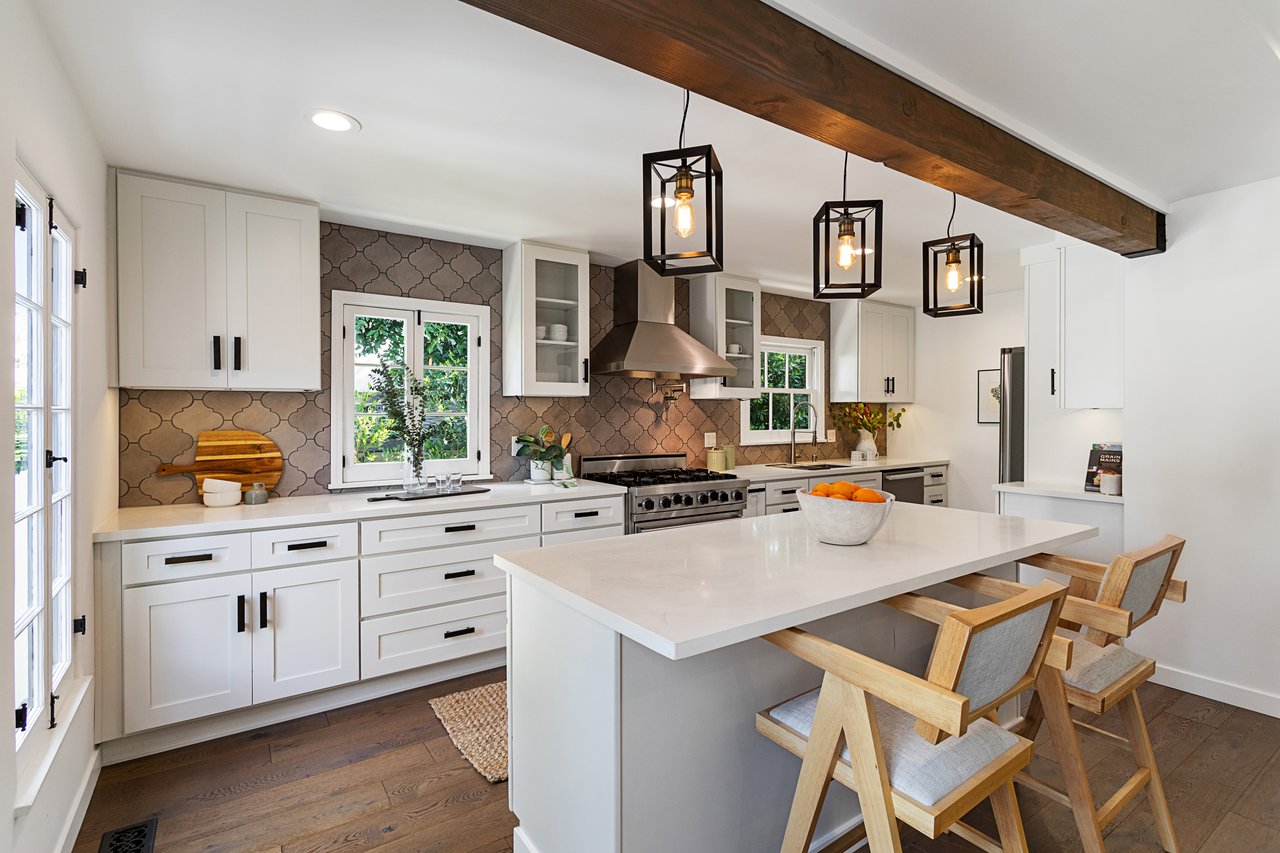
This is where a design-minded buying approach helps. A well-located condo with functional layout, good natural light, and everyday convenience may offer more long-term stability than a more dramatic unit in a weaker building or less practical location.
Building Quality Is a Major Filter
Reserve studies matter
In California, condo associations must conduct a reserve study at least every three years when reserve-eligible major components meet the statutory threshold. They must also review that study annually and include a reserve summary and possible special-assessment disclosure in the annual budget report.
That is important because reserve studies help you understand whether the HOA is planning for major future costs like roofs and exterior systems. If the numbers are weak, the monthly dues may look manageable today but become much more expensive later.
Special assessments are a warning sign
The California Department of Real Estate notes that unfunded or special-assessment-dependent plans are the riskiest model. It also points to the balance between regular assessments and special assessments as an indicator of fiscal stability.
In plain terms, repeated special assessments, deferred repairs, or thin reserves should make you pause. A condo can still be attractive, but it may not offer the predictable long-term carrying costs most investors want.
Older buildings need closer review
For older buildings, especially those with balconies and elevated walkways, inspection records deserve extra attention. California requires condominium associations to inspect exterior elevated elements such as decks, balconies, stairways, walkways, and railings above six feet at least every nine years, with the first inspection deadline having been January 1, 2025.
If you are considering an older Santa Monica condo, ask how the building addressed this requirement. A recent inspection report, completed repairs, and a funded maintenance plan can make a meaningful difference in long-term stability.
HOA Documents You Should Review
Before closing, California requires the seller to provide a substantial disclosure package. That package can give you a clearer picture of both the building’s finances and any near-term risks.
Key documents to review include:
- The most recent reserve study
- Annual budget materials
- Insurance summary
- Statements of regular and special assessments
- Any unpaid amounts tied to the unit
- Unresolved violation notices
- Board minutes from the prior 12 months, if requested
- The most recent exterior elevated elements inspection report
- Rental restriction language in the governing documents
These documents often tell the real story. A beautiful lobby and updated unit finishes may look great during a showing, but the paperwork is what helps you judge long-term durability.
Rentability in Santa Monica Is Unit-Specific
Do not assume every condo is rent-controlled
One of the biggest mistakes buyers make is assuming all Santa Monica condos follow the same rental rules. The city states that certain separately sold condominiums may qualify for rent-control exemption, and most properties built after April 10, 1979 may qualify for a permanent exemption. The city also notes that rental history and unit status matter.
That means rentability is not just building-specific. It can be unit-specific. If rental income is part of your long-term plan, you should verify the exact status of the condo rather than make assumptions based on property type alone.
Leasing a condo still comes with local requirements
Santa Monica requires a business license for any person or business renting, leasing, or subleasing residential space, including an owner renting out a condo they own. That is a practical detail many first-time condo investors overlook.
The city also says its Minimum Lease Requirements Ordinance generally requires residential leases to be at least one year. On top of that, much of the city’s rental housing is covered by local housing protections that require just cause for eviction.
For you, that means a long-term rental strategy should be built around compliance, stable tenancy planning, and realistic lease expectations.
Short-Term Rentals Are Not a Default Play
If you are hoping to offset costs with vacation rental income, Santa Monica is not a market where that should be your default plan. The city prohibits unhosted vacation rentals of less than 30 days.
Home-sharing is allowed only within a regulated host-occupied framework. It is limited to a host’s primary residence, with the host living on site, and it requires a permit and business license process.
For most long-term condo investors, that means you should underwrite the property based on traditional occupancy rather than short-term rental income. If the numbers only work with vacation rental assumptions, the investment may not be as stable as it first appears.
HOA Rental Restrictions Still Count
California law limits how far an HOA can go in restricting rentals. Governing documents generally cannot prohibit leasing of a separate interest unless the restriction predates the owner’s purchase, and a common interest development may not impose rental caps below 25 percent of the separate interests.
Still, HOA rules matter. Lease minimums, tenant registration requirements, move-in policies, and owner-occupancy patterns can all affect your experience as a long-term owner.
This is why careful document review matters so much in Santa Monica. Good investment decisions here often come from clarity, not speed.
What Strong Santa Monica Condo Candidates Share
When you step back, the strongest long-term condo opportunities in Santa Monica often share a few traits:
- Clear rental and exemption status
- Well-funded reserves
- Limited reliance on special assessments
- Recent inspection records and completed repairs
- Practical access to transit, parks, and daily amenities
- HOA documents that are organized and easy to verify
None of these factors guarantee performance. But together, they can reduce uncertainty and help you choose a condo that is built for long-term ownership rather than short-term excitement.
How a Thoughtful Buyer Gains an Edge
In a premium coastal market, your edge often comes from disciplined review. That means looking past staging and focusing on the details that shape future costs, flexibility, and resale appeal.
At Steinbeck Homes, that kind of review is part of the value of working with a design-aware, detail-focused advisor. When you combine market context with a careful read on building condition and livability, you are in a much better position to buy for stability, not just for the moment.
If you are considering a Santa Monica condo and want a clear-eyed view of the building, the documents, and the long-term upside, Johannes Steinbeck can help you evaluate the opportunity with care and precision.
FAQs
What makes a Santa Monica condo more stable for long-term investing?
- The strongest candidates usually have clear rental status, healthy HOA reserves, recent inspection records, and a location with good access to transit and daily amenities.
Are Santa Monica condos automatically exempt from rent control?
- No. The city says some separately sold condos may qualify for exemption, and construction date plus rental history can affect the unit’s status.
What HOA documents should you review before buying a Santa Monica condo?
- Focus on the reserve study, annual budget report, insurance summary, assessment statements, board minutes if requested, rental rules, and the latest exterior elevated elements inspection report.
Can you use a Santa Monica condo as a short-term rental investment?
- Usually not as a default strategy, because Santa Monica prohibits unhosted vacation rentals under 30 days and limits home-sharing to a regulated, host-occupied setup.
Does Santa Monica require anything if you rent out your condo?
- Yes. The city says owners renting, leasing, or subleasing residential space must obtain a business license, even when renting out a condo they own.