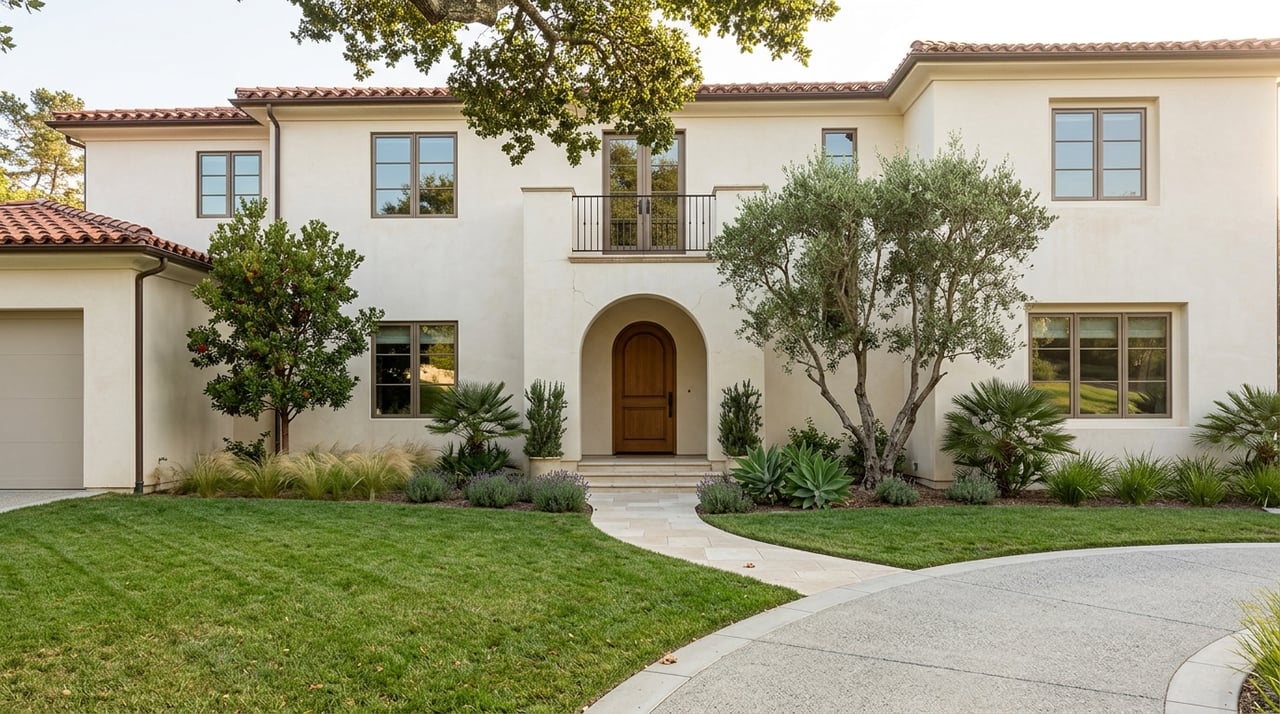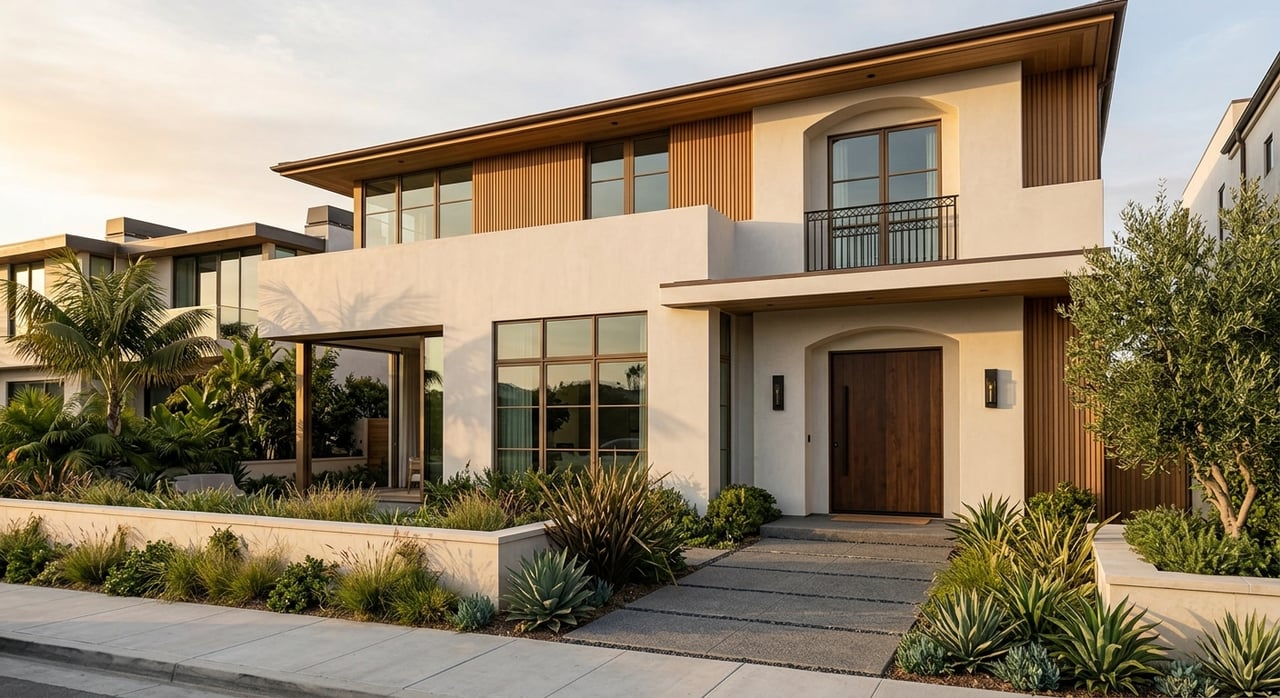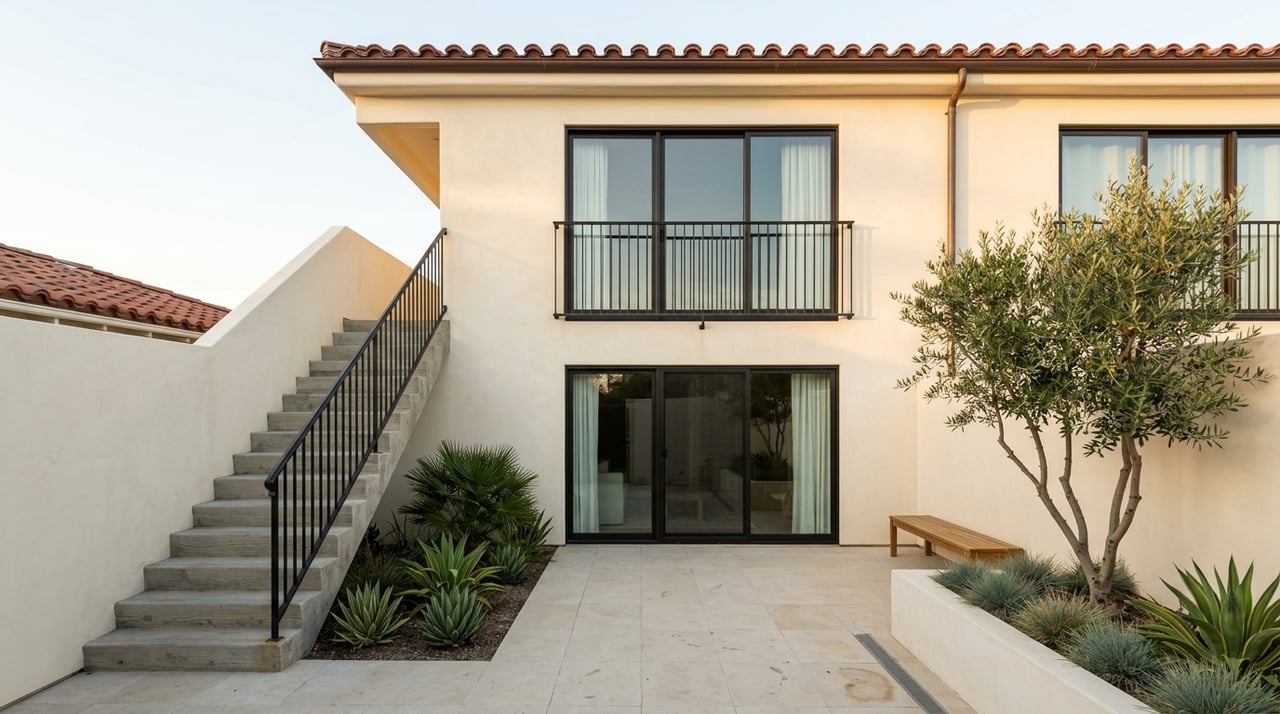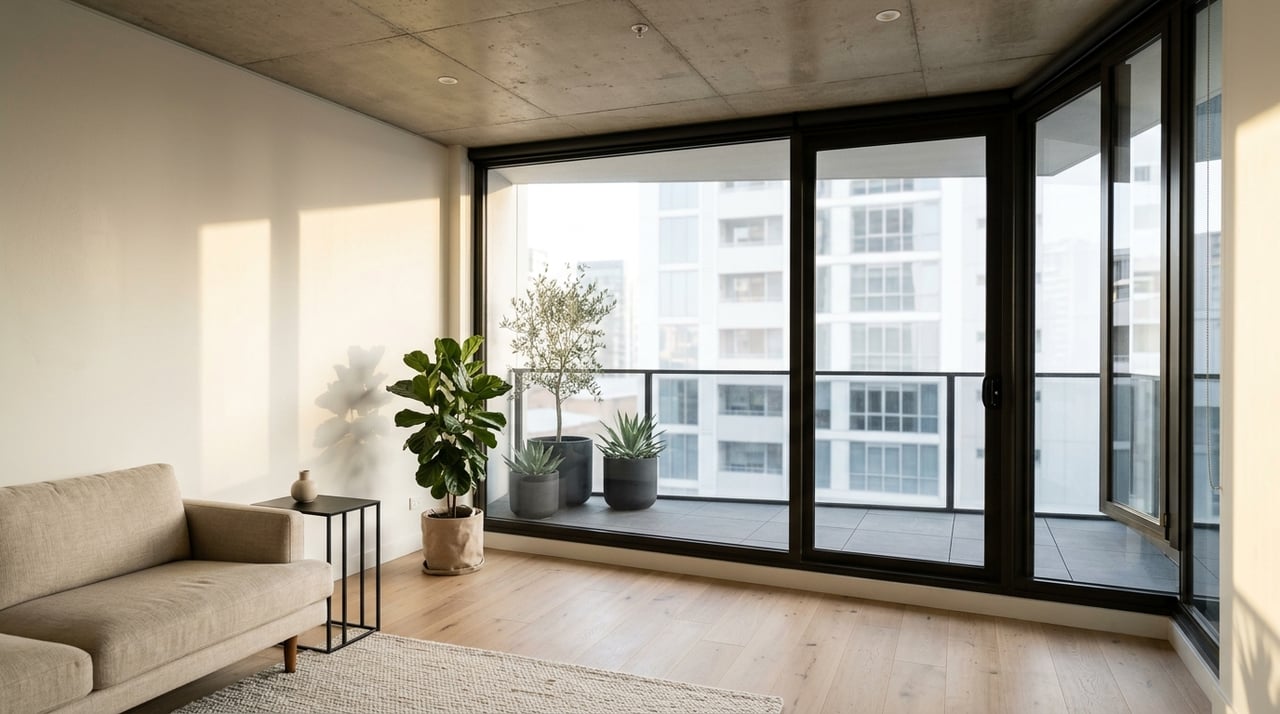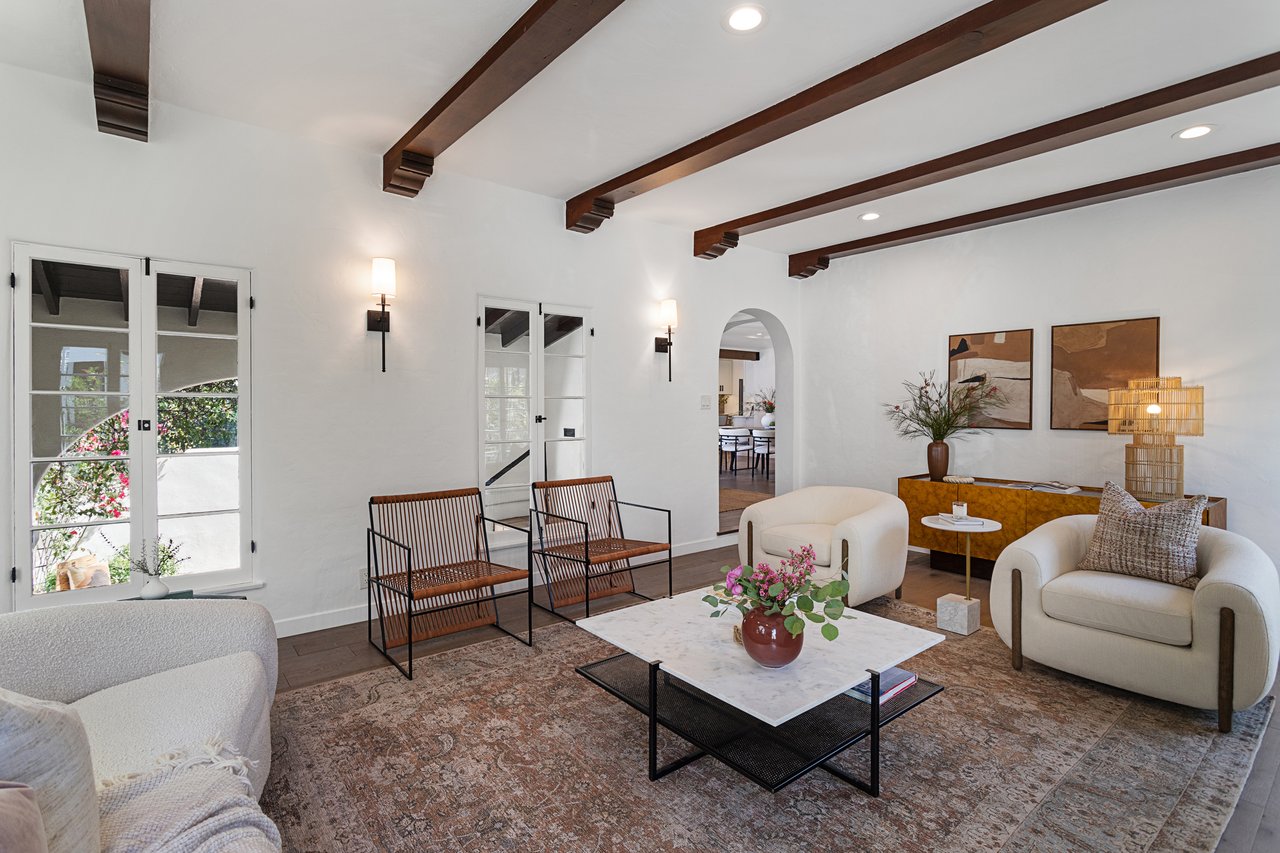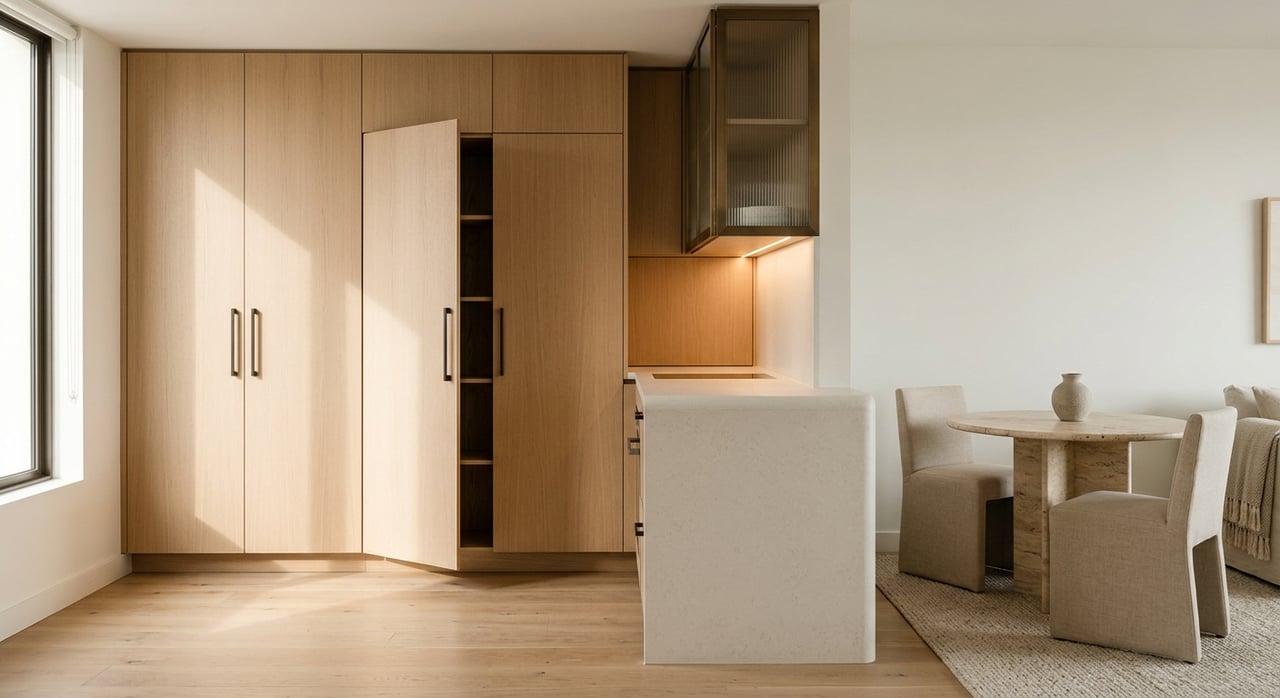
If your Santa Monica home feels bigger than your life now, you are not alone. Many coastal homeowners reach a point where extra rooms, stairs, storage, and upkeep stop feeling useful and start feeling like work. Downsizing can help you simplify without giving up the lifestyle you love, and in Santa Monica, the right plan can also help you protect your budget and timing. Let’s dive in.
Why Santa Monica works for downsizing
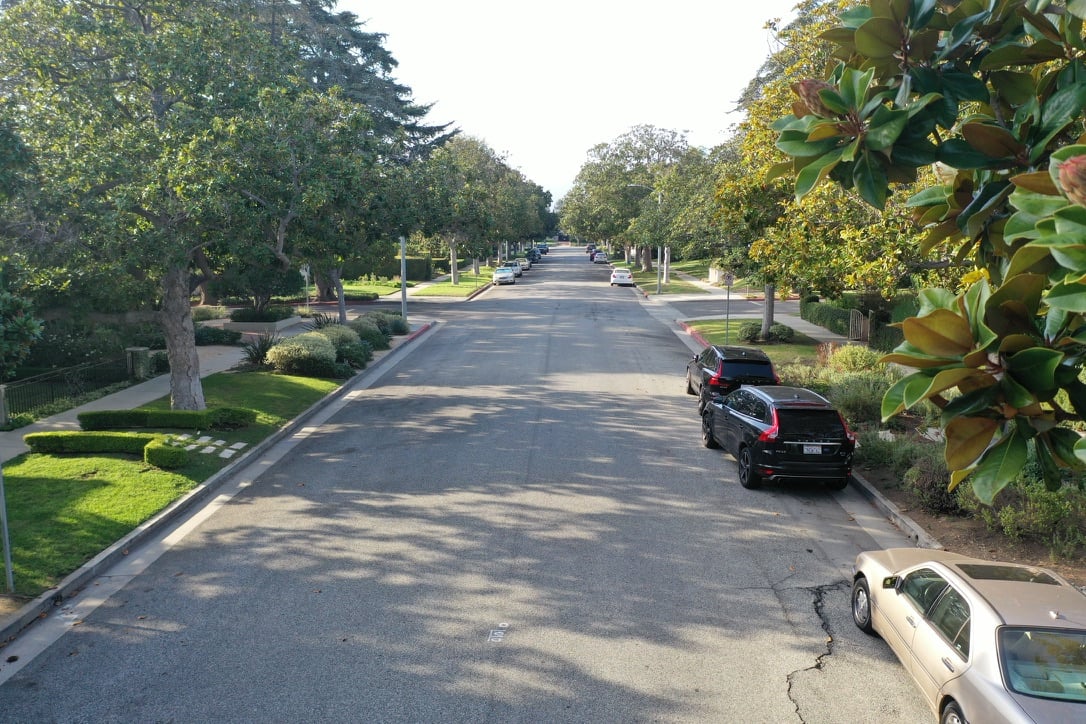
Santa Monica already fits many of the patterns that make downsizing appealing. The city covers about 8.3 square miles, has roughly 90,082 residents as of July 1, 2025, and has an average household size of 1.88 people. About 19.5% of residents are age 65 and older, which points to a market where smaller, lower-maintenance homes can make sense for many long-time owners.
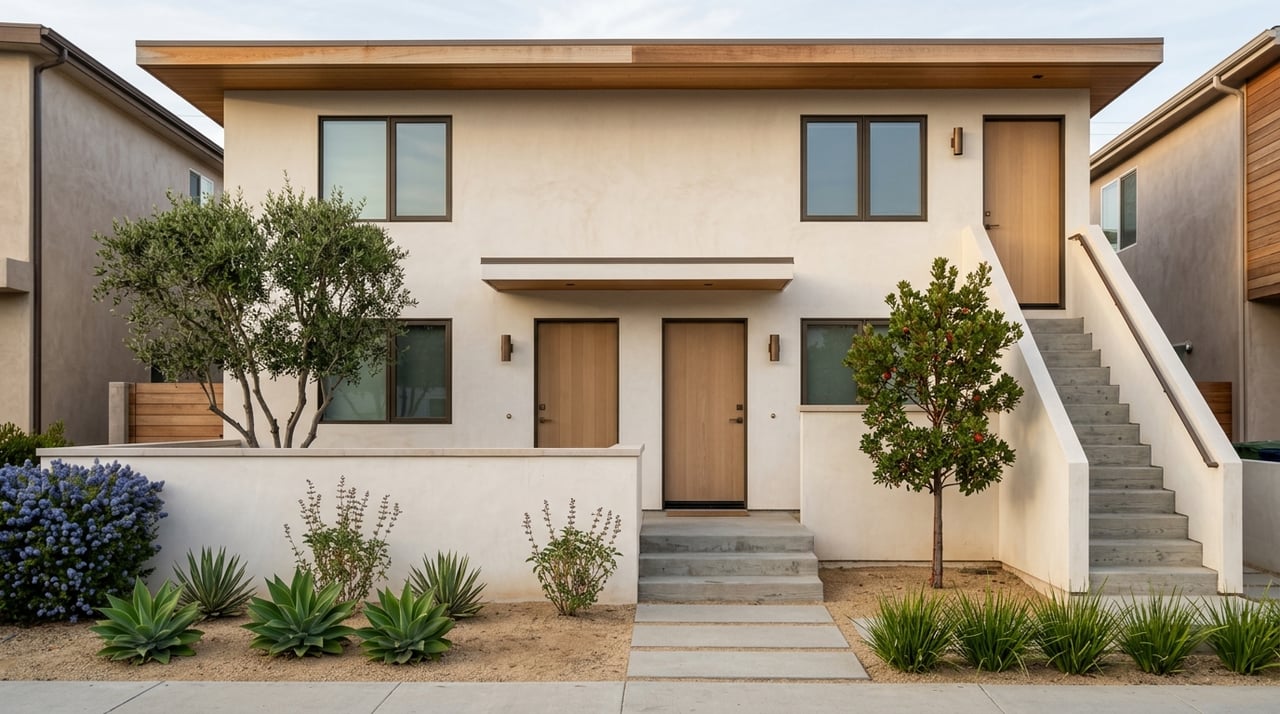
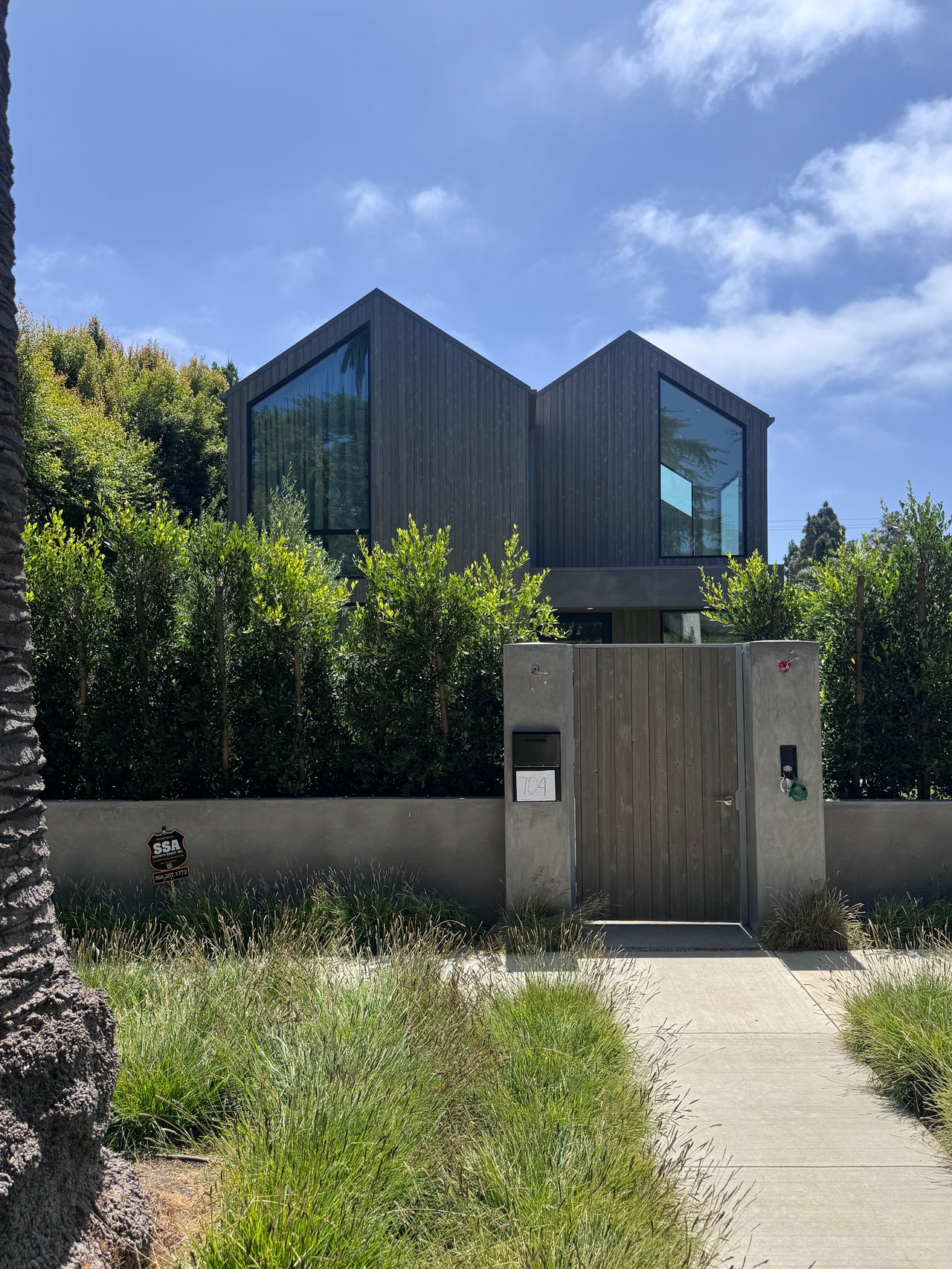
The housing mix also matters. Santa Monica had about 52,629 housing units in 2020, including 11,572 single-unit residences and 40,853 units in multi-unit structures, with most of the housing stock built before 1980. Detached homes are limited in part because there are only around 6,500 parcels zoned R1, so if you want to stay in Santa Monica, you may be comparing a smaller house to a condo or townhome rather than simply moving to another large single-family property.
Start with lifestyle, not square footage
A successful downsizing move is usually less about hitting a specific number of square feet and more about matching your next home to your daily routine. If you spend most of your time using one bedroom, one office nook, and a comfortable living area, you may not need the extra space you have now. What you do need is a layout that supports the way you actually live.
Santa Monica makes this easier to think through because convenience is part of the value. The city describes Third Street Promenade as a major shopping, dining, and entertainment destination near the beach, and the Santa Monica Farmers Markets operate there on Wednesdays and Saturdays. Multiple Big Blue Bus and Metro lines also serve the Santa Monica Pier area, including the Metro E Line, which can support a more car-light lifestyle depending on your building and parking setup.
Redfin currently shows 126 condos for sale in Santa Monica with a median listing price of $1.2 million, and the visible listings range from roughly $575,000 to $975,000 for one-bedroom units and about $995,000 to $2.2 million for two-bedroom units. With a Walk Score of 83, Santa Monica gives you options, but those options can feel very different from one building or neighborhood to another.
Questions to ask before you choose size
- How many rooms do you use every week?
- Do you want single-level living?
- How much storage do you truly need?
- Would you trade a guest room for a walkable location?
- Do you need two parking spaces or only one?
- How often do you host overnight visitors?
- Would a balcony, patio, or shared outdoor area matter more than interior space?
Compare Santa Monica neighborhoods realistically
Downsizing in Santa Monica is not one single decision. It is a series of tradeoffs between price, housing type, location, and convenience. Recent neighborhood snapshots show just how wide that spread can be.
Downtown Santa Monica is around a $1.2 million median sale price, while Mid-City is about $965,000. North of Montana is around $2.6 million, and Sunset Park is about $2.5 million. That means a downsizing move could lead you toward a condo-centered, more urban setup, or toward a smaller detached home that still sits in a premium price tier.
What that means for you
- Downtown Santa Monica may appeal if walkability and access to shopping, dining, and transit matter most.
- Mid-City may offer a lower entry point relative to some other Santa Monica areas.
- North of Montana and Sunset Park may still command premium pricing even when you reduce square footage.
The key is to think of each area as a different downsizing product. A smaller home does not always mean a dramatically lower purchase price, especially in Santa Monica.
Budget beyond the mortgage payment
One of the biggest downsizing mistakes is focusing on purchase price while underestimating monthly carrying costs. In Santa Monica, that can create a surprise, especially if you move from a long-held house into a condo with HOA dues and updated insurance costs.
Census data shows Santa Monica’s median value of owner-occupied housing units is $1,755,500. The city’s median selected monthly owner costs with a mortgage are more than $4,000, which helps explain why even a smaller home can still carry a meaningful monthly expense profile.
Costs to model early
- Mortgage principal and interest
- Property taxes
- Supplemental property taxes after purchase
- HOA dues, if applicable
- Hazard and homeowners insurance
- Earthquake insurance, if you want that coverage
- Parking, storage, and moving costs
- Possible repairs, upgrades, or special assessments
HOA dues deserve close attention
If you are moving into a condo, HOA dues should be treated as part of the true cost of ownership. They are usually paid directly to the HOA and are not included in your monthly mortgage payment. That means a home that looks affordable at first glance may feel different once dues are added.
It also helps to look beyond the monthly number. HUD guidance notes that lenders may review a reserve study, typically no more than 24 months old, to help assess a project’s financial stability. For you, that makes reserve funding and special-assessment risk worth reviewing before you commit.
Ask about these building details
- What do the HOA dues cover?
- Has the building had recent special assessments?
- Are reserves adequately funded?
- Are there upcoming repairs for roofs, balconies, elevators, or plumbing?
- What are the rules for storage, pets, parking, and renovations?
Understand property taxes before you move
Los Angeles County property taxes can affect your downsizing budget more than many buyers expect. The County Assessor establishes assessed value, the Auditor-Controller applies the general 1% levy plus voter-approved debt-service rates, and the Treasurer and Tax Collector handles billing and collection. Annual secured property-tax bills are mailed starting around October 1, and new owners are responsible for unpaid taxes even if a bill was not received.
Supplemental property taxes are another major item to plan for. In Los Angeles County, a supplemental bill can be issued after a change in ownership or new construction. That bill is in addition to the regular annual secured bill, and it should not be ignored even if your lender has an impound account.
For a downsizer trying to line up one sale and one purchase, this is a cash-flow issue, not just a technical detail. You want to model it early so you are not caught off guard after closing.
Prop 19 can shape your strategy
For many long-time California owners, Proposition 19 is one of the most important rules in the downsizing process. Eligible homeowners age 55 and older, severely and permanently disabled homeowners, and disaster victims may transfer a base-year value to a replacement primary residence in California. The claim is filed with the county assessor after both transactions are completed and after you are living in the replacement home.
The Board of Equalization says qualifying homeowners can use this transfer up to three times, regardless of prior Proposition 60, 90, or 110 usage. That can create real planning flexibility if you want to right-size now and keep future options open.
Timing matters under Prop 19
You may buy the replacement home first if you sell the original home within two years. However, during the overlap period, the replacement home is taxed at full fair market value, and there is no refund for that period. If the replacement home is of equal or lesser value, the base-year value transfers without adjustment. If it costs more, the excess value is added to the taxable value.
This is why the order of operations matters. Your tax outcome may look different depending on whether you buy before selling or sell first and purchase later.
Timing your sale and purchase in Santa Monica
In practice, downsizing is usually a sequencing challenge. Redfin reports a median sale price of $1,784,578 in Santa Monica over the last three months ending April 2026, with homes selling in about 48 days, a 99.2% sale-to-list ratio, 27.1% of sales above list, and 29.1% of homes with price drops. That is not a market where you should assume every home sells instantly.
Condo timing can also differ from the broader market. Redfin’s condo page shows 72 days on market for homes for sale, which suggests you may need more patience on the buy side, the sell side, or both. If you are relying on a same-day handoff, you may be putting too much pressure on your timeline.
Build a realistic transition plan
- Decide whether selling first or buying first better fits your tax and cash goals
- Plan for a possible overlap period
- Budget for temporary storage if needed
- Consider whether your current home needs presentation work before listing
- Leave room for condo review, HOA document review, and lender timelines
This is where a thoughtful strategy matters. In a market like Santa Monica, realistic pricing, smart presentation, and careful sequencing can reduce stress and help you move on your terms.
Coastal risk and insurance matter
In Santa Monica, downsizing also means understanding location-based risk. The city’s Safety Element says most of Santa Monica has minimal flood hazard, but coastal areas include FEMA Special Flood Hazard Areas, and flood insurance is required for financing in those zones. The city also notes that its GIS maps can help identify whether a property is in an earthquake fault zone, flood zone, tsunami risk area, wildfire zone, or liquefaction area.
Fire hazard can vary by location too. Santa Monica states that some neighborhoods are designated Moderate, High, or Very High Fire Hazard Severity Zones. On top of that, the California Department of Insurance says standard homeowners insurance does not cover earthquake damage, though homeowners insurers must offer earthquake insurance.
Add these to your review checklist
- Flood-zone status
- Earthquake coverage options
- Fire-hazard designation
- Building insurance structure for condos
- Your likely out-of-pocket monthly insurance cost
A lower-maintenance home can still come with meaningful insurance considerations, especially near the coast.
How to right-size with confidence
The best downsizing moves balance numbers and lifestyle. You want a home that feels easier to manage, supports your daily routine, and keeps your long-term costs predictable. In Santa Monica, that often means looking closely at neighborhood tradeoffs, HOA health, tax timing, and coastal risk instead of focusing only on bedroom count.
If you are preparing to sell a long-held home, presentation also matters. A well-prepared property can attract stronger buyer interest, and a clear pricing strategy can help you avoid the drag that comes with missed expectations. On the purchase side, a careful review of layout, storage, parking, and monthly carrying costs can help you choose a home that truly fits the next chapter of your life.
When you are ready to explore your options, Johannes Steinbeck offers thoughtful, design-aware guidance for Santa Monica buyers and sellers who want a more strategic downsizing plan.
FAQs
What does downsizing in Santa Monica usually mean for housing type?
- In Santa Monica, downsizing often means comparing a smaller detached home with a condo or townhome, since the city has a large share of multi-unit housing and limited detached-home inventory.
What should Santa Monica downsizers include in their monthly budget?
- Your monthly budget should include more than mortgage principal and interest. Property taxes, supplemental taxes, HOA dues, insurance, parking, storage, and possible special assessments can all affect affordability.
How does Proposition 19 affect a Santa Monica downsizing move?
- Eligible California homeowners may be able to transfer their base-year property-tax value to a replacement primary residence, but timing matters. Buying before selling can create an overlap period where the new home is taxed at full fair market value.
What should condo buyers review before downsizing in Santa Monica?
- Review HOA dues, reserve funding, any recent or upcoming special assessments, building rules, parking, storage, and what the monthly dues actually cover.
Are coastal insurance and hazard issues important when downsizing in Santa Monica?
- Yes. Depending on location, a property may involve flood-zone, earthquake, tsunami, liquefaction, or fire-hazard considerations, and those risks can affect financing and insurance costs.