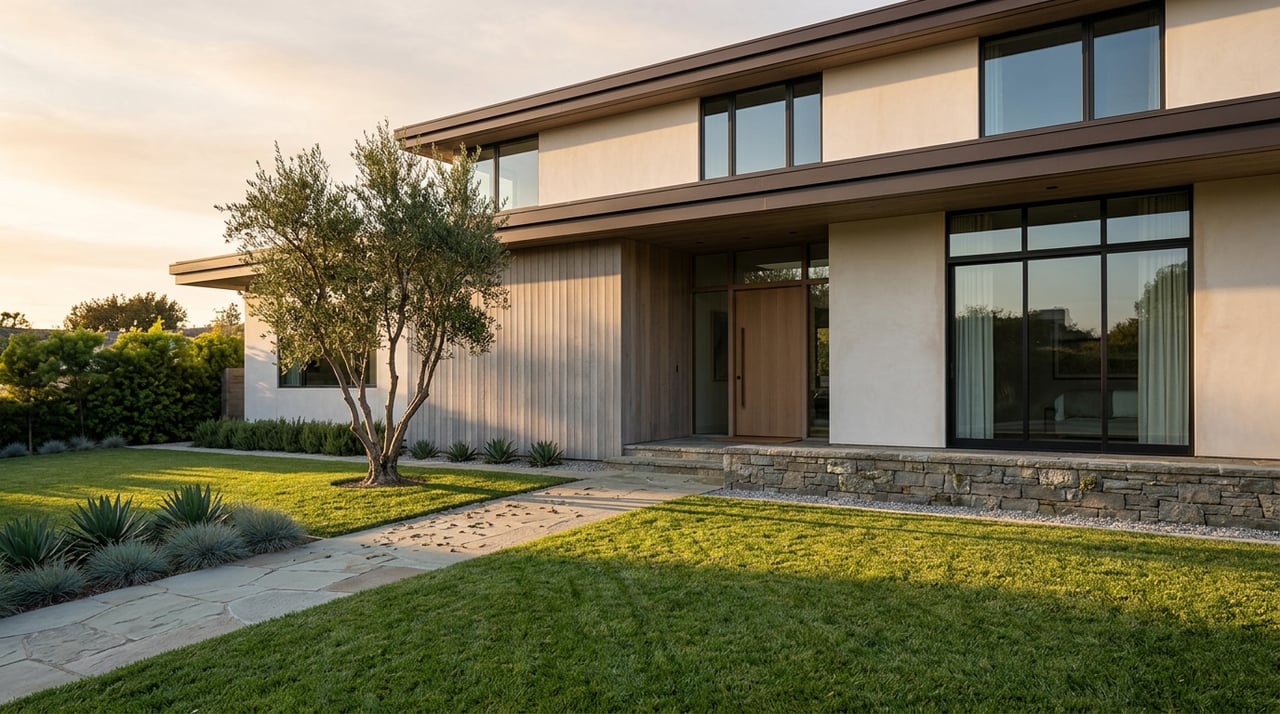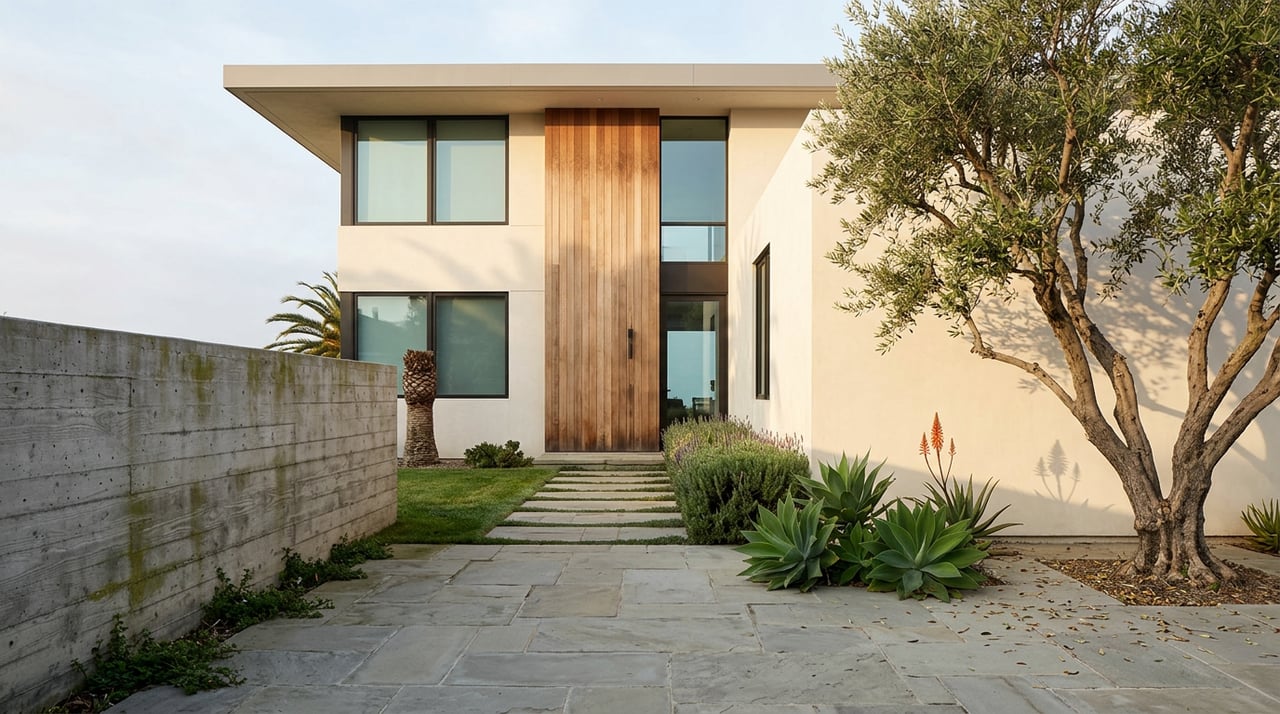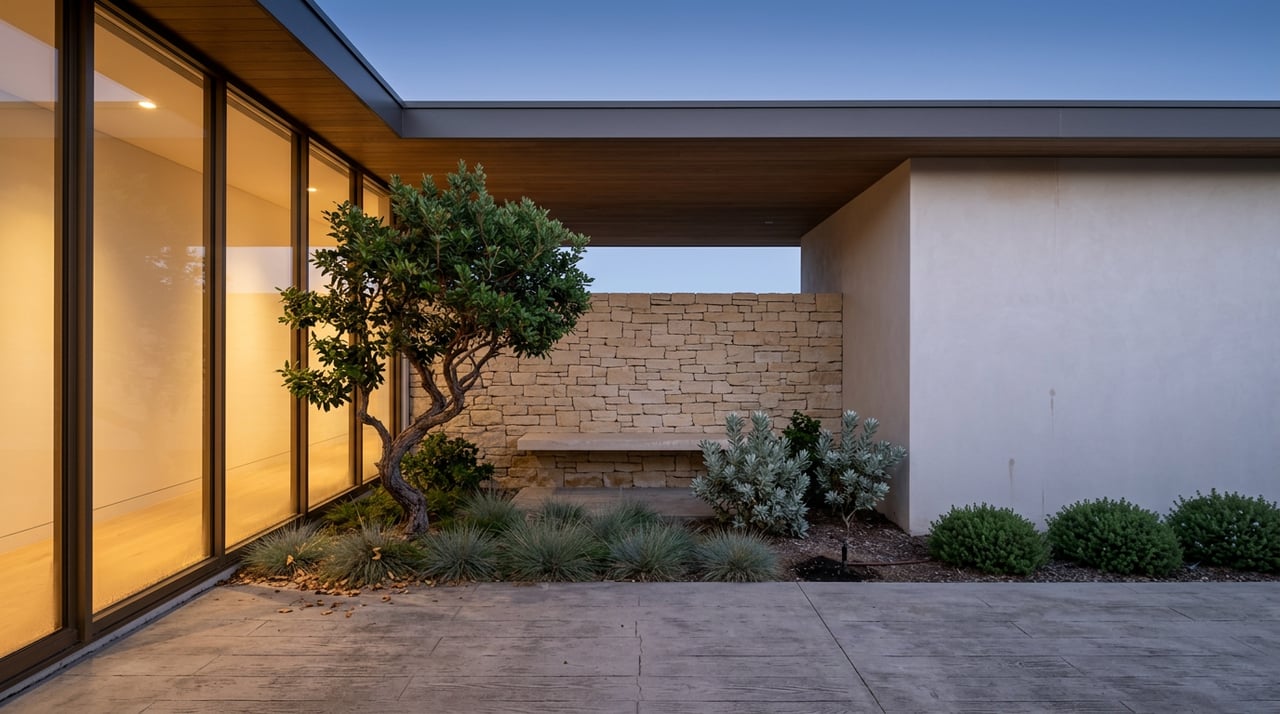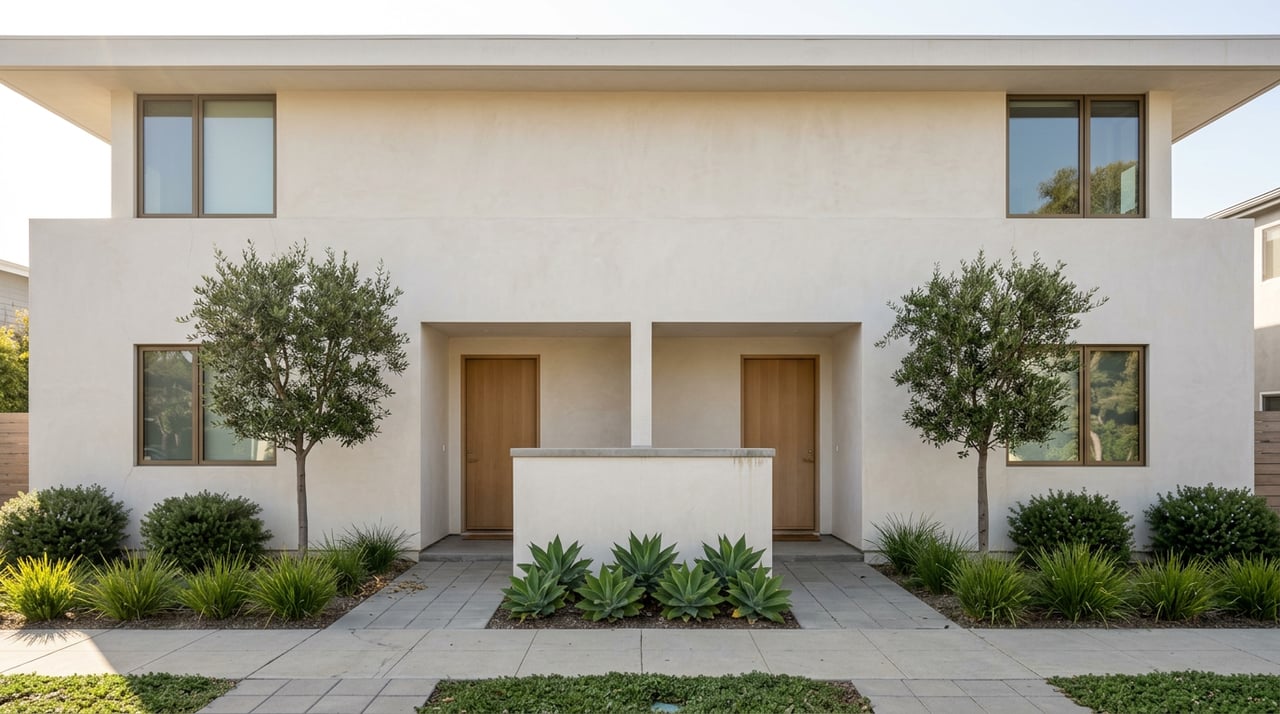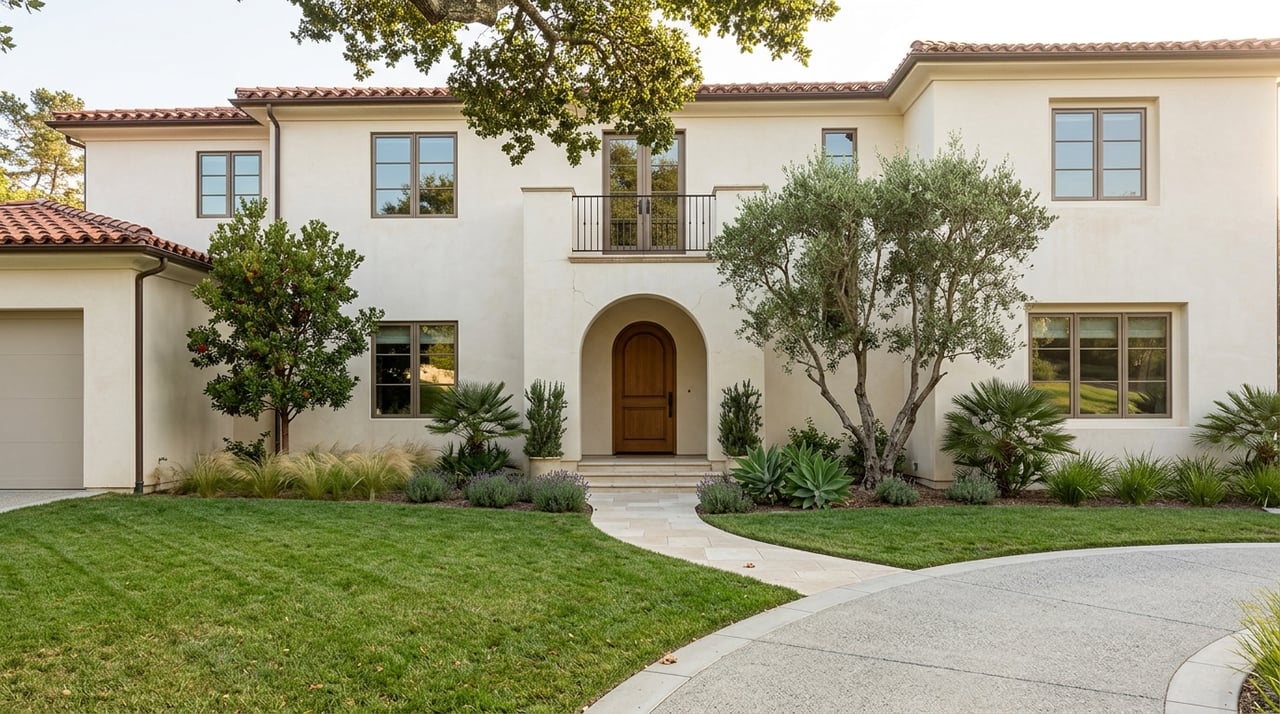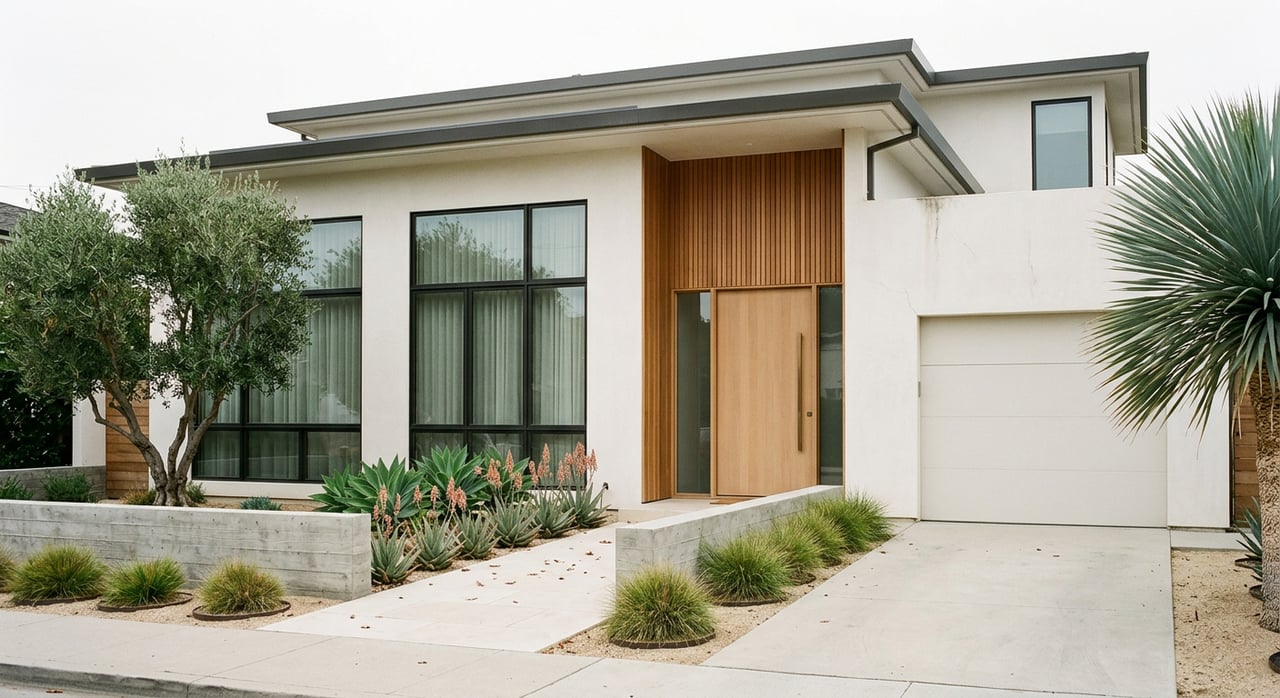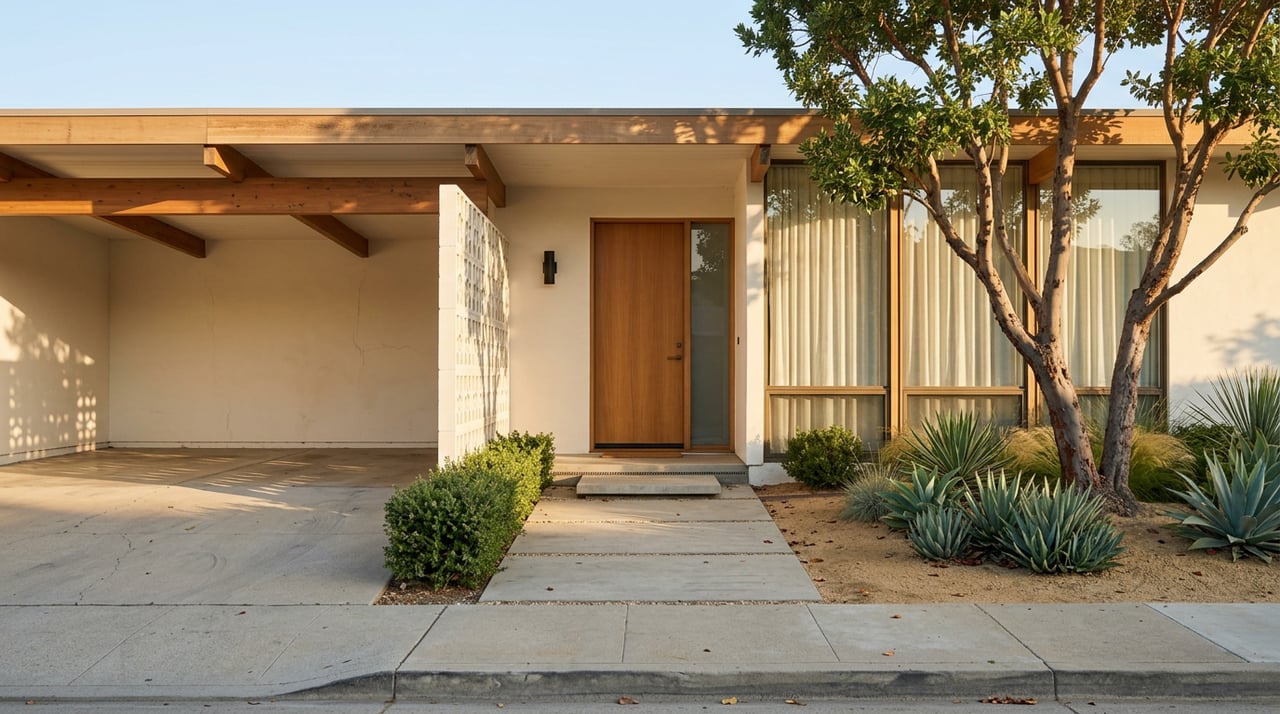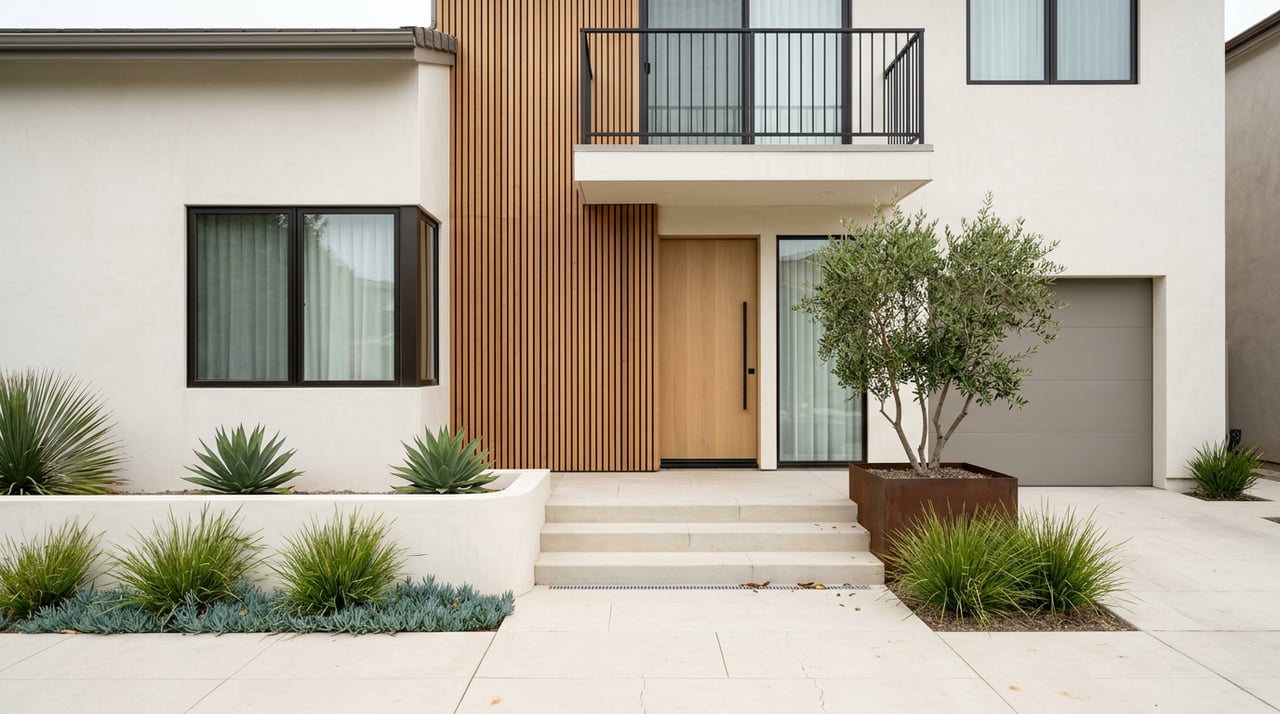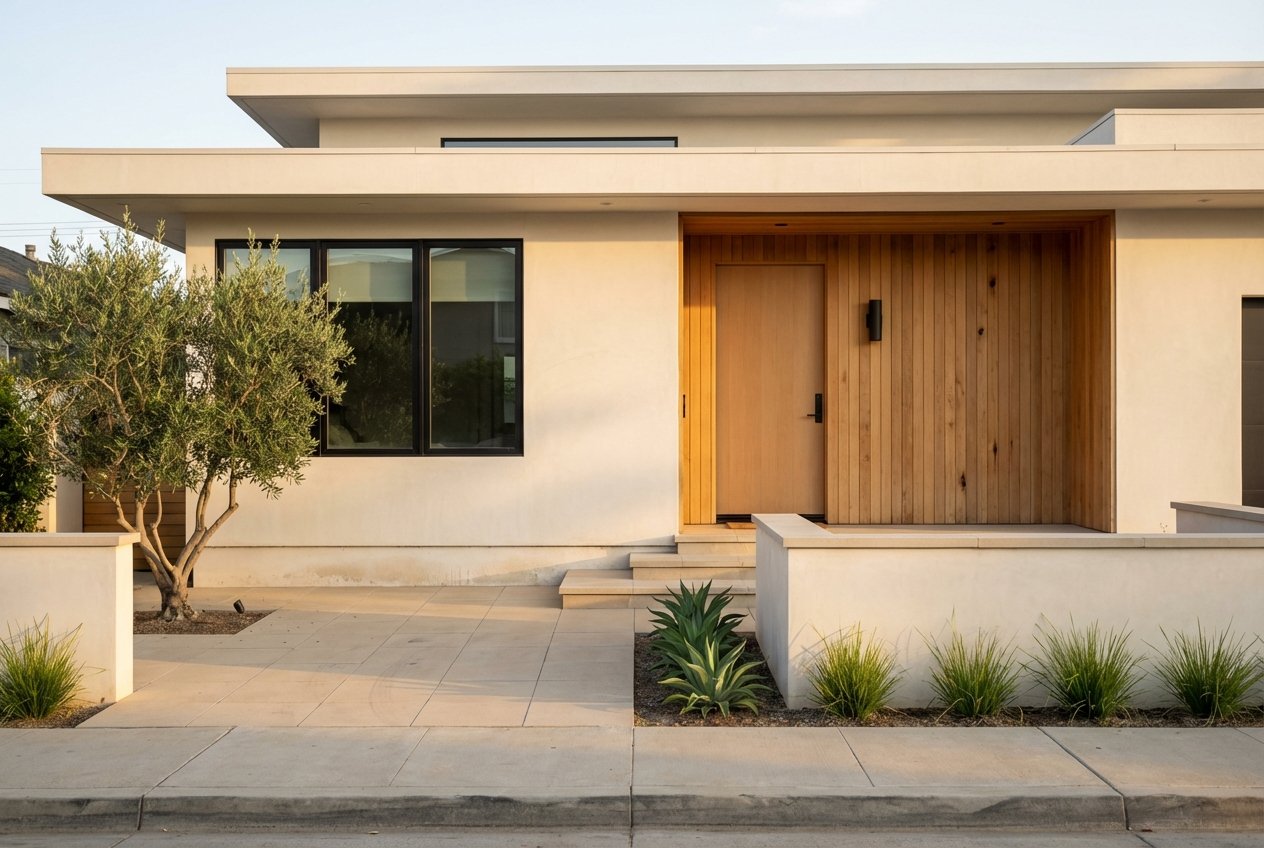
Most sellers on the Peninsula spend their pre-listing weeks thinking about staging, pricing, and photography. Those matter. They are also not the reason PVE escrows stall in the final two weeks. The reason is almost always a manila folder that should have been opened four months earlier.
Palos Verdes Estates is one of the few residential markets in California where a home carries two separate compliance histories, running in parallel, both of which a careful buyer's agent will ask to see. Neither is optional. Neither is administered by the same office. And in a transaction, the one that catches sellers off guard is almost never the city's.
Two files, two issuers, two clocks
Underneath every PVE sale sit two documents. They cover different questions, they come from different desks, and they age on different schedules.
| File | Who issues it | What it verifies | Practical shelf life |
|---|---|---|---|
| Completion & Compliance Inspection and Report | Palos Verdes Homes Association, 320 Palos Verdes Drive West | Whether current exterior conditions match the Art Jury-approved plans on file | Reflects the property as inspected; findings must be resolved or disclosed |
| Real Property Records Report (RPR) | City of Palos Verdes Estates, under PVEMC Chapter 5.25 | City building and zoning records for the parcel before transfer | Six months from issuance, with one possible six-month extension if no changes are made |
The RPR is the one buyers' agents ask for first because state and municipal procedure make it visible. The Completion & Compliance file is the one that decides whether the deal survives the buyer's inspection period. It is also the file most sellers have never seen before, because it only gets ordered when they list.
Why an unapproved skylight from 2004 is now your problem
The Art Jury is not a homeowners association in the usual sense. It sits inside the Palos Verdes Homes Association, a private body established in 1923 whose authority comes from deed restrictions recorded against the land itself. PVHA jurisdiction covers roughly 5,500 properties across Palos Verdes Estates and the Miraleste neighborhood of Rancho Palos Verdes. Because the restrictions run with the land, they transfer to every subsequent buyer automatically, without any signature.
The consequence, in transaction terms, is straightforward. If a previous owner replaced windows, re-roofed, added a skylight, changed exterior paint, built a fence, poured a patio, or replanted a front yard without Art Jury approval, that non-compliance does not expire. It waits. Your buyer, or more likely your buyer's lender or insurer, is the one who finds it.
The PVHA's own guidance to prospective buyers puts it plainly: absent a Completion & Compliance Inspection, a new owner assumes all non-compliant conditions and the obligation to correct them. That is why a diligent buyer's agent will request one during escrow, and why a diligent listing agent orders one before the sign goes in the ground.
What actually gets flagged
The Art Jury's authority reaches every exterior element visible from a public way or a neighbor. In practice, Completion & Compliance findings on resale properties cluster around a predictable set of items:
- Windows and doors replaced without a major-alterations application on file
- Re-roofs done in a material or color the Art Jury did not approve
- Exterior repaints, including trim color changes
- Fences, walls, gates, and pilasters added or altered
- Hardscape work: driveways, patios, walkways, pool coping, outdoor kitchens
- Landscape changes substantial enough to alter the street-facing character
- Skylights, solar arrays, HVAC condensers, and rooftop equipment
- ADUs and accessory buildings, even where state law limits what the association can prohibit outright
Interior work generally does not touch this file. Everything you can see from the sidewalk generally does.
When something turns up unapproved, the association's remedy is retroactive review, sometimes called "as-built" approval. Sellers submit the drawings, the fees, and the application the original owner did not, and the Art Jury either approves the condition as it stands, approves it with modifications, or asks for it to be restored. Retroactive approval is normal. It is also slower and more expensive than the original submission would have been, and the timing rarely lines up with a 30-day escrow.
The third layer most sellers forget
For projects that are larger than routine maintenance, the City of Palos Verdes Estates runs its own Neighborhood Compatibility review through the Planning Commission. Notice goes to every neighbor within 300 feet, a public hearing is scheduled, and either the applicant or a neighbor can appeal the decision to the City Council. This is a city process, separate from the Art Jury, and it applies on top of the deed restrictions rather than instead of them.
For sellers, the relevance is narrower but sharper. If a prior owner's addition should have gone through Neighborhood Compatibility and did not, the file gap is a city gap, not an association gap. The RPR is where that surfaces. Buyers reading a clean Art Jury letter alongside a city record that references an unresolved permit will slow down, and they will be right to.
Sequencing that keeps escrow on schedule
The design-led side of a good PVE listing is what draws the buyer. The compliance side is what closes them. Order matters:
- Ninety to 120 days before listing, request the Completion & Compliance Inspection from PVHA and pull the property's Art Jury file. Compare what the file says the house is to what the house actually is.
- Simultaneously, apply to the city for the Real Property Records Report. It is valid for six months, with one possible six-month extension if no exterior work is done in the interim, so it comfortably outlasts a normal listing period if timed correctly.
- If the inspection flags items, decide project by project whether to submit for retroactive Art Jury approval, restore the condition, or disclose and price the risk into the listing. Each has a different cost curve, and the right answer depends on the item and the buyer pool.
- Assemble the packet for the listing: Art Jury approvals, framing and final compliance sign-offs where applicable, the RPR, city building permits, and any Neighborhood Compatibility conditions. Buyers' agents comparing PVE homes will notice when this arrives with the disclosures instead of two weeks into escrow.
- Disclose in writing anything you elect not to cure. The compliance packet does not replace California disclosure obligations; it supports them.
The sellers who do this in the wrong order still close. They just close later, at a lower number, and often after a repair credit that costs more than the retroactive application would have.
FAQ
Does the Art Jury really review paint colors? Yes. Exterior paint, including trim, is inside the association's authority because it is visible from the street. Owners who change color without approval typically discover it at resale.
We inherited the house and never did any exterior work. Are we still exposed? Possibly. Non-compliance travels with the land, not with the person who created it. If a prior owner made unapproved changes, the current owner is the one who must resolve them at sale.
Is Miraleste really part of this? Yes. Miraleste sits inside the City of Rancho Palos Verdes but remains under PVHA jurisdiction because it was part of the original 1923 Palos Verdes Project. The Art Jury applies there the same way it applies in PVE.
Can solar be blocked? California law limits how far a private association can restrict residential solar. The Art Jury can still set reasonable conditions on placement and screening, and it can still require an application. Non-compliant installations are still flagged at sale.
A boutique listing is a compliance strategy in disguise
The Peninsula rewards presentation. It also rewards preparation, and in Palos Verdes Estates those two words describe the same job. A listing that opens with clean plans, a current RPR, and an Art Jury letter closes on schedule at the number the market supports. A listing that opens without them closes when the paperwork finally catches up.
If you are considering selling on the Peninsula in the next six months, the right first conversation is not about price. It is about which of these files you already have, which ones you need, and how the sequencing fits your timeline. Steinbeck Homes works this backwards from your target close date, coordinating the inspections, the vendors, and the design work so the compliance layer is finished before the photographer ever arrives. Request a home valuation to start that conversation.