What does it cost to sell a Santa Monica home for two hundred thousand dollars more?
If the sale crosses eight million dollars, the city transfer tax affects what the seller takes home. It is how Measure GS, the city's third-tier transfer tax, is built to work, and it is reshaping how homes get priced across Santa Monica's highest-value pocket, North of Montana, long before any offer reaches the table.
The Tax That Doesn't Split the Difference
Santa Monica taxes real estate transfers in tiers. Voters approved a third tier in November 2022 through Measure GS, effective March 1, 2023, and the city's own finance department confirms the rate: fifty-six dollars per thousand, or 5.6 percent, on any transfer of eight million dollars or more.
| Sale Price | City Transfer Tax Rate |
|---|---|
| $8,000,000 or more | 5.6% |
Premier Tax Lawyers notes that some closing summaries list the top rate as 5.71 percent because they fold in the county's separate 0.11 percent transfer tax. The city ordinance itself sets the third tier at 5.6 percent, and that is the figure that decides whether a sale lands just under the line or just over it.
Here is the part that catches sellers off guard. This is not a marginal bracket where only the dollars above eight million get taxed at the higher rate. The moment the sale price touches eight million, the entire price is taxed at 5.6 percent, from dollar one.
How the Threshold Affects Net Proceeds
That asymmetry is the reason eight million dollars behaves less like a price point and more like a wall.
Why North of Montana Feels This More Than Anywhere Else
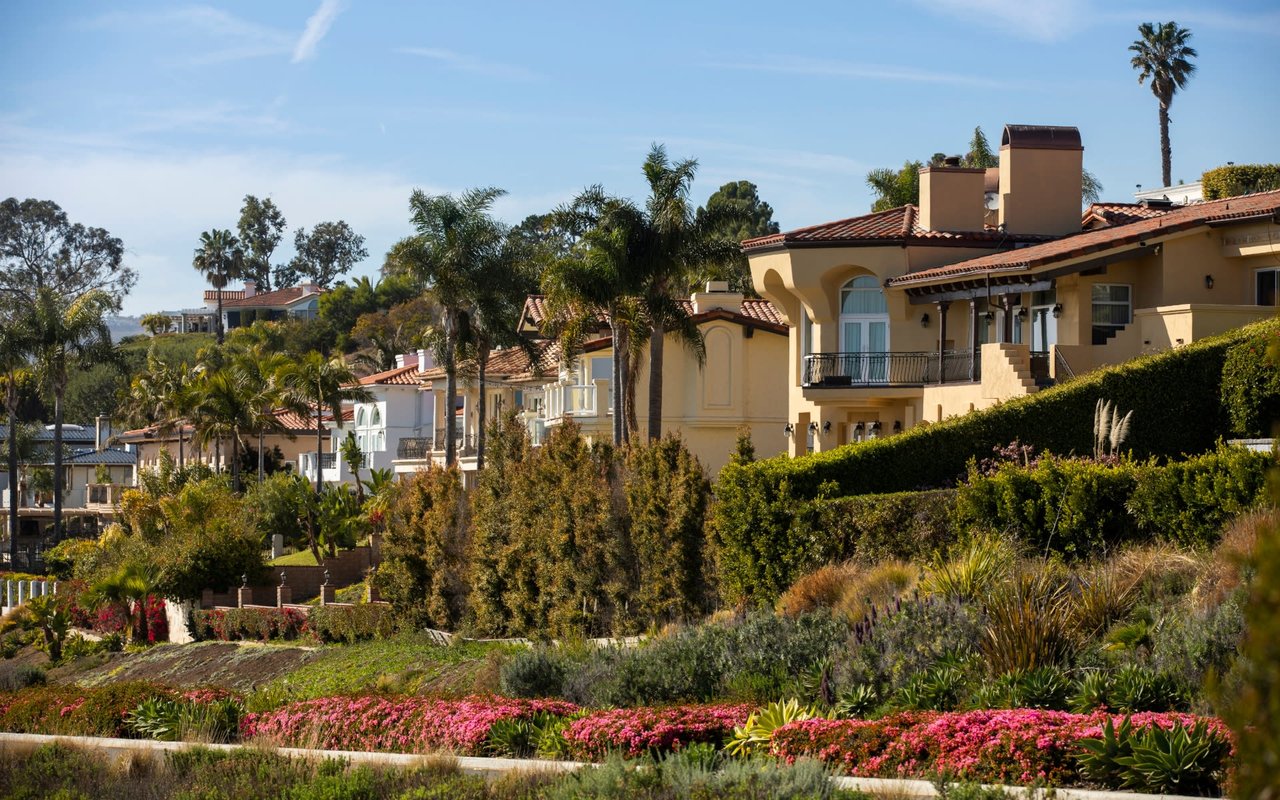
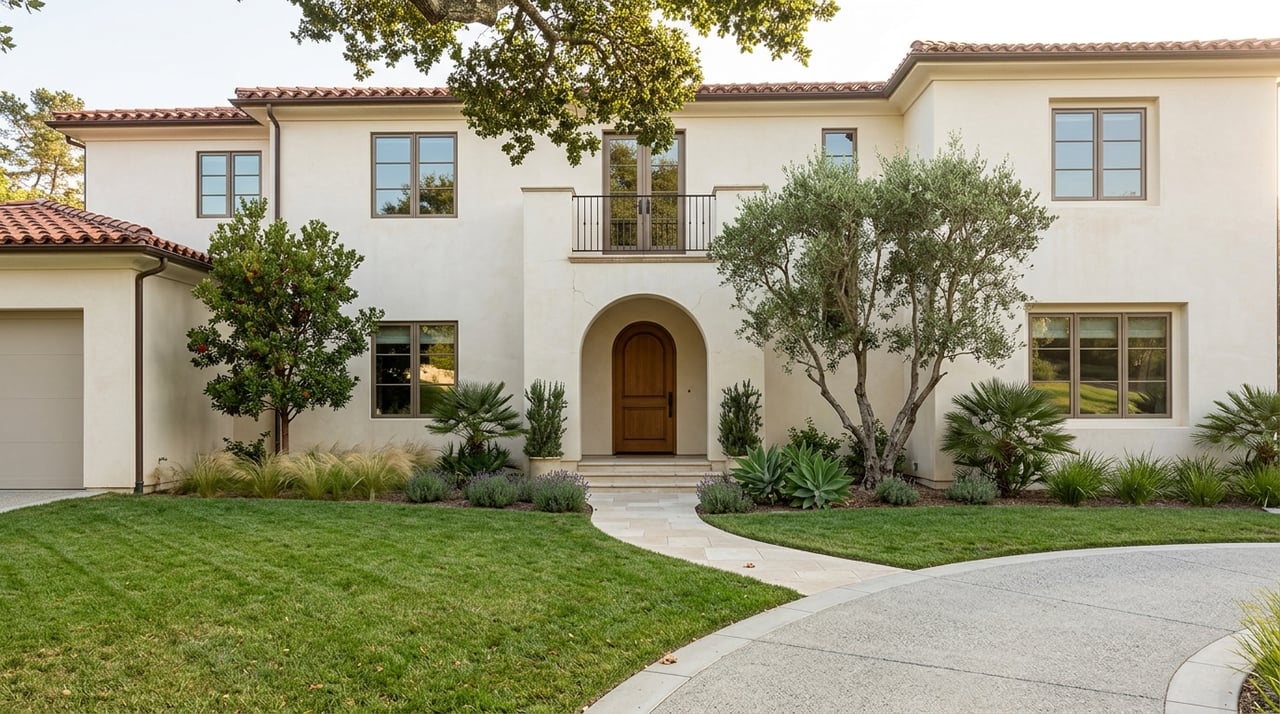
Not every Santa Monica neighborhood lives near this wall. North of Montana, the zip 90402 enclave that sits north of Montana Avenue, is where it matters most. Single-family sales there routinely run from four million dollars past ten million, and as of spring 2026 the sub-area was working with roughly 1.8 months of inventory, tight enough that well-presented, turnkey listings were moving to escrow in about nineteen days. When a neighborhood's typical home price already sits inside striking distance of eight million, a fixed legal threshold stops being background noise and starts functioning as a soft ceiling on what sellers ask for and what buyers expect to pay.
Compare that to Sunset Park, the zip 90405 pocket near Pico Boulevard. Single-family sales there were running around a $2.5 million median in early 2026, up roughly 43 percent year over year, driven in part by demand for flat-lot, lower-density housing and by the city's ongoing plan to convert Santa Monica Airport into public parkland nearby. A Sunset Park seller can post that kind of appreciation and never come within four million dollars of Measure GS. A North of Montana seller renovating a 1920s or 1930s property often cannot say the same.
The Bunching Nobody Talks About
Here is the mechanism the tax actually produces. Faced with a cliff that costs $400,000 for crossing a single dollar, sellers and their agents rarely price toward true market value when that value sits just above eight million. They price to land just under it. A property that might otherwise clear $8.2 million on the open market gets marketed, negotiated, and closed in the high sevens instead, because the after-tax math favors the lower number.
That behavior shows up in the county's own transaction record. In the twelve months before Measure GS took effect, Santa Monica recorded 32 residential sales at eight million dollars or more, according to a Santa Monica Daily Press analysis. In the twelve months after, that number fell to 15, a 53 percent drop. Commercial and multi-unit sales in the same price band fell from 18 to 5, a 72 percent decrease.
A falling transaction count above eight million does not necessarily mean fewer Santa Monica homes are worth that much. It can mean fewer sellers are willing to let a closing statement say so. Every deal priced down to dodge the tax removes a true market-clearing data point from the public record and replaces it with a number shaped by tax avoidance rather than value. For appraisers, buyers, and the next seller trying to set a list price, the visible comps in North of Montana increasingly reflect where the tax line sits, not necessarily where the market would land without it.
Los Angeles offers a parallel worth watching. A Hanson Bridgett legal update on the city's comparable Measure ULA cites UCLA research finding that properties became roughly 55 percent less likely to sell above that ordinance's threshold once the tax took effect, the same threshold-avoidance pattern showing up in a different jurisdiction with a similar cliff design. Two cities, two tax measures, one consistent seller response.
The Politics Are Still Moving
Measure GS is not settled law in the sense that it will look the same a year from now. A statewide ballot measure that would sharply limit local governments' ability to levy new transfer taxes has been circulating through 2026, and local reporting from February 2026 flagged that the roughly $50 million a year Measure GS is projected to raise could be at risk if it qualifies and passes. confirming before a listing goes live anywhere close to eight million dollars:
- Get a current comparative market analysis that accounts for how the tax has shaped nearby comps, not just square footage and finishes.
- Model after-tax proceeds at several price points on both sides of eight million before setting an asking price, not after an offer arrives.
- Ask whether the transfer tax is on the table at all in negotiations. Southern California custom puts it on the seller, but every term in a contract is a term someone can propose changing.
None of this makes the eight-million line disappear. It does mean a seller who understands the mechanism walks into pricing conversations with a clearer picture than one who is simply told what the market usually pays.
FAQ
Does the higher rate apply only to the amount over $8 million? No. Once a sale reaches $8,000,000, the city taxes the entire purchase price at 5.6 percent, not just the portion above the threshold.
Is Measure GS still in effect right now? Yes, as of August 2026. The 5.6 percent third tier remains active for sales of $8 million or more, though a statewide ballot measure is circulating and worth tracking if you are timing a sale near the threshold.
Selling near an eight-million-dollar line isn't a spreadsheet problem to solve alone the night before a listing goes live. It's a pricing conversation that benefits from someone who has watched how North of Montana comps actually behave under this tax, not just what the ordinance says on paper. Steinbeck Homes builds that math into pricing strategy from the first conversation. If your property is approaching that threshold, request a home valuation and get a clear picture of where your price actually lands, before the tax decides it for you.
This article is general information, not legal, tax or financial advice. Consult a qualified professional about your situation.