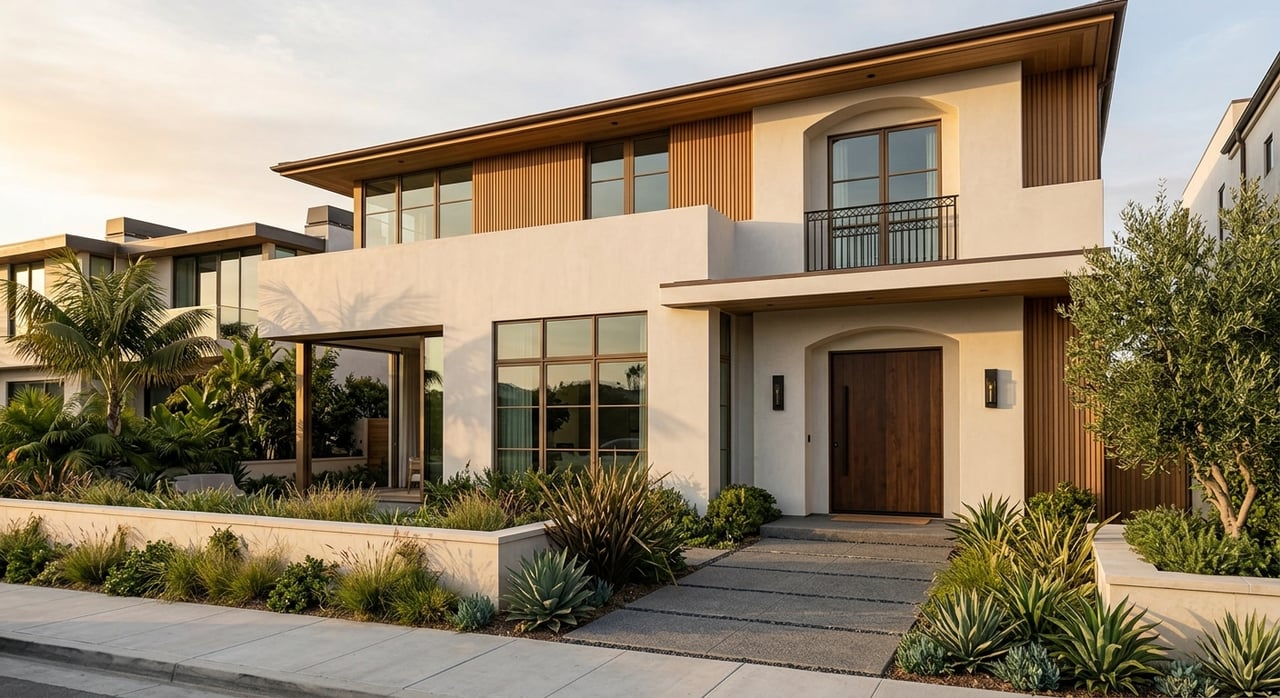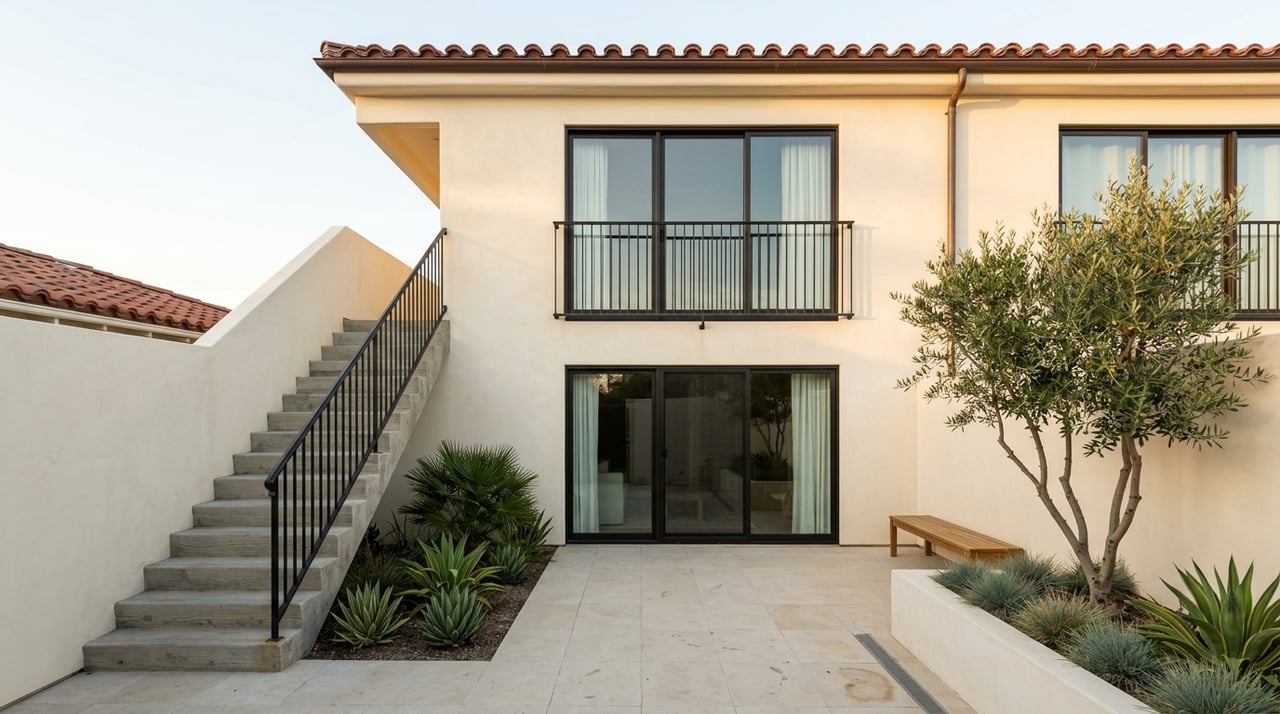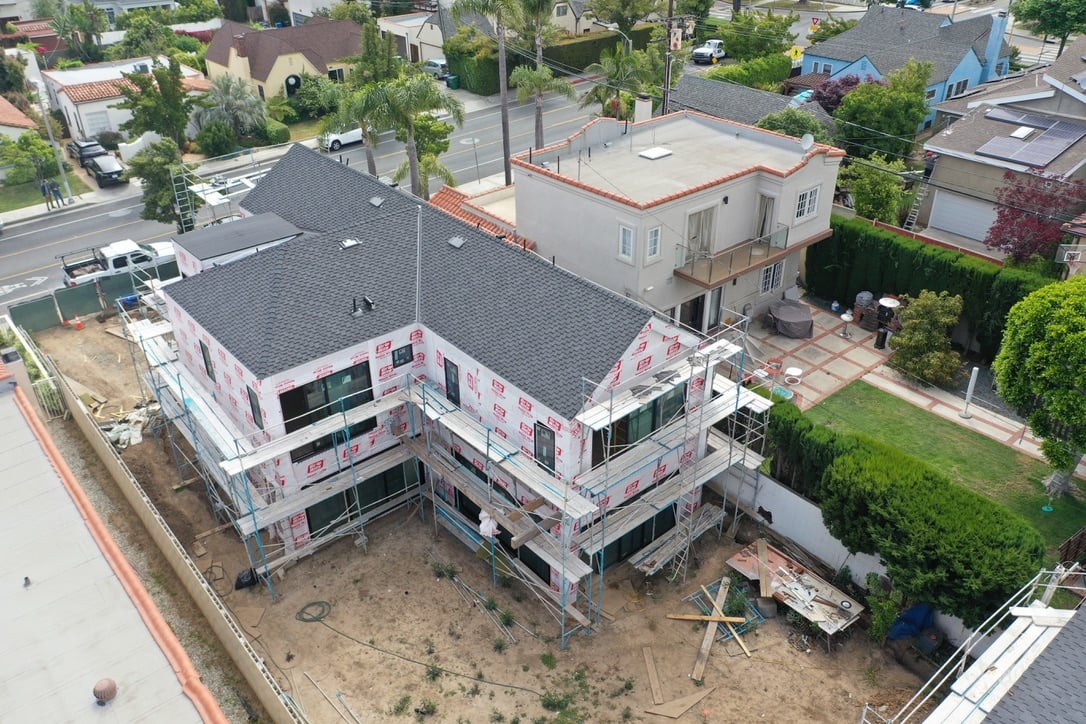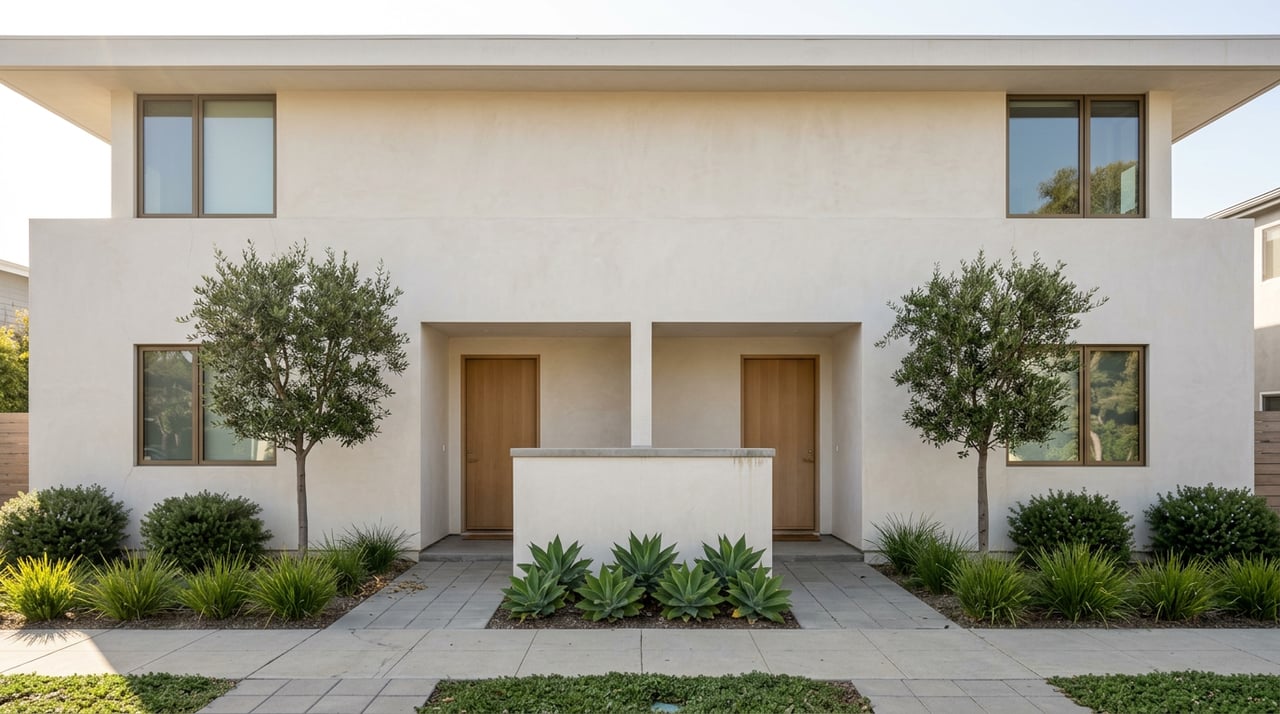
It happens often enough in Santa Monica's older neighborhoods, places like Sunset Park and Wilshire-Montana, to be a pattern rather than a coincidence. Two duplexes list within weeks of each other. Same lot size, same era, same two-bedroom unit mix, a few blocks apart. One closes for a price that tracks with the comps. The other closes for meaningfully more, sometimes six figures more, with nothing about the building itself explaining the gap.
The difference almost never comes down to finishes or curb appeal. It comes down to who is living there on closing day.
Santa Monica's Rent Control Charter Amendment, adopted by voters in April 1979, does something most buyers underestimate until they are deep in escrow. It does not just cap what a landlord can charge an existing tenant. It splits the small multifamily market into two pricing tiers, occupied and vacant, and the spread between them is the single biggest lever on what a duplex or triplex actually sells for. The annual rent increase the city announces every fall is almost a rounding error by comparison.
The Real Comp Isn't Square Footage, It's Occupancy
Under the ordinance, buildings that received a certificate of occupancy before April 10, 1979 fall under rent control, and that covers most of Santa Monica's older duplexes, triplexes, and small apartment buildings. Buyers of those properties inherit the existing tenancy at whatever the Maximum Allowable Rent happens to be, which is frequently well below market. That inherited rent roll is what a buyer is actually pricing, not the unit's potential.
The practical effect: buildings sold with sitting tenants at controlled rents routinely trade at a discount to an identical building sold vacant. A unit that turns over, whether through natural move-out or a legal path to vacancy, can add well into six figures to a small multifamily property's final price, because it opens the building to two very different buyer pools at once, the cash-flow investor and the owner-user who wants to live in it.
That is the number worth sitting with before you write an offer on a Santa Monica duplex. The rent roll tells you what the building earns today. It tells you almost nothing about what it will sell for, because the market is pricing the occupancy status as much as the income.
| Tenant-occupied at controlled rent | Vacant or turned over | |
|---|---|---|
| Buyer pool | Investors underwriting current cash flow | Investors and owner-users |
| Pricing lens | Cap rate on in-place rent | Market comparable, renovation upside |
| Typical outcome | Offers trend below vacant equivalents | Broader competition, stronger pricing |
Professional multifamily buyers already price this in. Fully stabilized Santa Monica buildings have traded at meaningfully tighter cap rates than value-add buildings still carrying below-market rents, because the market is pricing the upside of eventual turnover into the tighter number and pricing in patience for the wider one. If you are comparing two buildings on a spreadsheet and only looking at gross rent multiplier, you are missing the variable that is actually setting the price.
Why "I'll Just Move In" Isn't a Quick Fix
The obvious workaround, buy the duplex and occupy one unit yourself, is the first place buyers get the timeline wrong. Owner-occupied duplexes and triplexes can qualify for a temporary use exemption from rent control, but the city is explicit that the exemption is not automatic and can only be granted by the Rent Control Board. To even file the application, the owner has to have already lived in the unit as a principal residence for at least 120 days. On top of that, the owner must be a natural person, not an entity, and must hold at least a 50 percent ownership interest in the property.
That means the clock does not start at closing. It starts four months into living there, and only then can you ask the Board for an exemption it is still free to deny. If your plan assumes you will close, move in, and immediately reset rents on the remaining units, that plan is off by a minimum of four months before a Board review has even begun.
The Rule That Changes the Math for Small Buildings
Here is the part that catches even experienced buyers off guard. Relocation assistance requirements in Santa Monica used to apply mainly to larger buildings, four units or more, when a property was decontrolled or a tenant was evicted under the Ellis Act. Duplexes and triplexes sat outside that requirement.
The city closed that gap. Under an ordinance the Santa Monica City Council adopted, tenants in duplexes and triplexes now qualify for relocation assistance when an owner moves in, the building is exempted from rent control, and the resulting rent increase exceeds what the tenant could have been charged had the exemption never been granted. The tenant can choose to stay and pay the higher rent, or leave and collect a relocation payment from the landlord. The Santa Monica Daily Press coverage of the ordinance put the relocation range at $15,000 to $30,000 per unit at the time it passed, a cost that previously did not attach to small buildings at all.
In other words, the move-in strategy that once let a duplex owner sidestep rent control cleanly now comes with a real, calculable liability if you plan to push rent past what the ordinance would have allowed. That liability belongs in your offer price, not in a surprise line item after closing.
Before You Write an Offer
If you are seriously evaluating a rent-controlled duplex or triplex in Santa Monica, work through this sequence before you get attached to a number:
- Pull the Maximum Allowable Rent for every unit through the city's Rent Control lookup tool and confirm it matches what the seller has represented.
- Check registration compliance with the Rent Control Board. Unregistered units create exposure that follows the building, not the previous owner.
- Model the property two ways, at current in-place rent and at a realistic post-turnover rent, and treat the gap between them as the real range of outcomes, not a bonus.
- If an owner move-in is part of your plan, budget at least 120 days of actual residency before you can even file for the exemption, then treat Board approval as a separate, non-guaranteed step after that.
- Price in relocation exposure for any remaining tenant whose rent would rise beyond what the ordinance permits once the exemption is granted.
Skipping any one of these is how a buyer ends up underwriting a building for cash flow it cannot legally produce for another year, or discovering a relocation obligation after the fact.
What the September Adjustment Actually Changes
Every September, the Rent Control Board announces the Annual General Adjustment, the amount landlords can raise rent on occupied controlled units. For the period beginning September 1, 2026, the Board set the adjustment at 2.6 percent, with a ceiling of $70 a month for units already renting at $2,674 or more. The annual registration fee for the 2026 to 2027 fiscal year is $240 per unit, half of which can be passed through to the tenant.
Those numbers matter for cash flow planning, and they are worth updating in your notice paperwork every fall. But they are not what moves a sale price. A 2.6 percent increase on an already below-market rent does not close the gap between an occupied building and a vacant one. Vacancy does. That is the distinction worth keeping straight before you compare two buildings that look identical on paper.
For Sellers: Timing the Vacancy
The same mechanism that suppresses a buyer's offer on a tenanted building can work in a seller's favor. If a unit is coming vacant through natural turnover, timing your listing to close after that turnover, rather than before, can meaningfully change your buyer pool and your final number. It is a legitimate, ordinary part of exit planning for a rent-controlled property, and it does not require an Ellis Act filing or an eviction. It requires patience and a clear read on your registration records.
FAQ
Does rent control apply to a single-family home or condo in Santa Monica? No. Most single-family homes and condominiums are exempt from the Rent Control Law regardless of age. Coverage generally applies to residential rental units in buildings with a certificate of occupancy issued before April 10, 1979.
What happens if the Rent Control Board denies my owner-occupancy exemption? The building remains subject to rent control and the existing tenancies continue under the standard rules, including the Annual General Adjustment. You can reapply once you meet the ownership and residency requirements.
Is the Ellis Act a faster alternative to the owner-move-in exemption? Not necessarily. Ellis Act withdrawals require months of tenant notice, longer for elderly or disabled tenants, and come with their own relocation obligations and restrictions on returning units to the rental market later. It solves a different problem than an owner-occupancy exemption and should be evaluated on its own terms with legal counsel.
If you're weighing a duplex, triplex, or small multifamily purchase on the Westside and want the occupancy math run against a specific address before you write an offer, Johannes Steinbeck can walk through the registration history, the exemption timeline, and what a realistic post-turnover value actually looks like. Reach out to request a home valuation and start the conversation with the numbers that matter, not just the ones on the flyer.