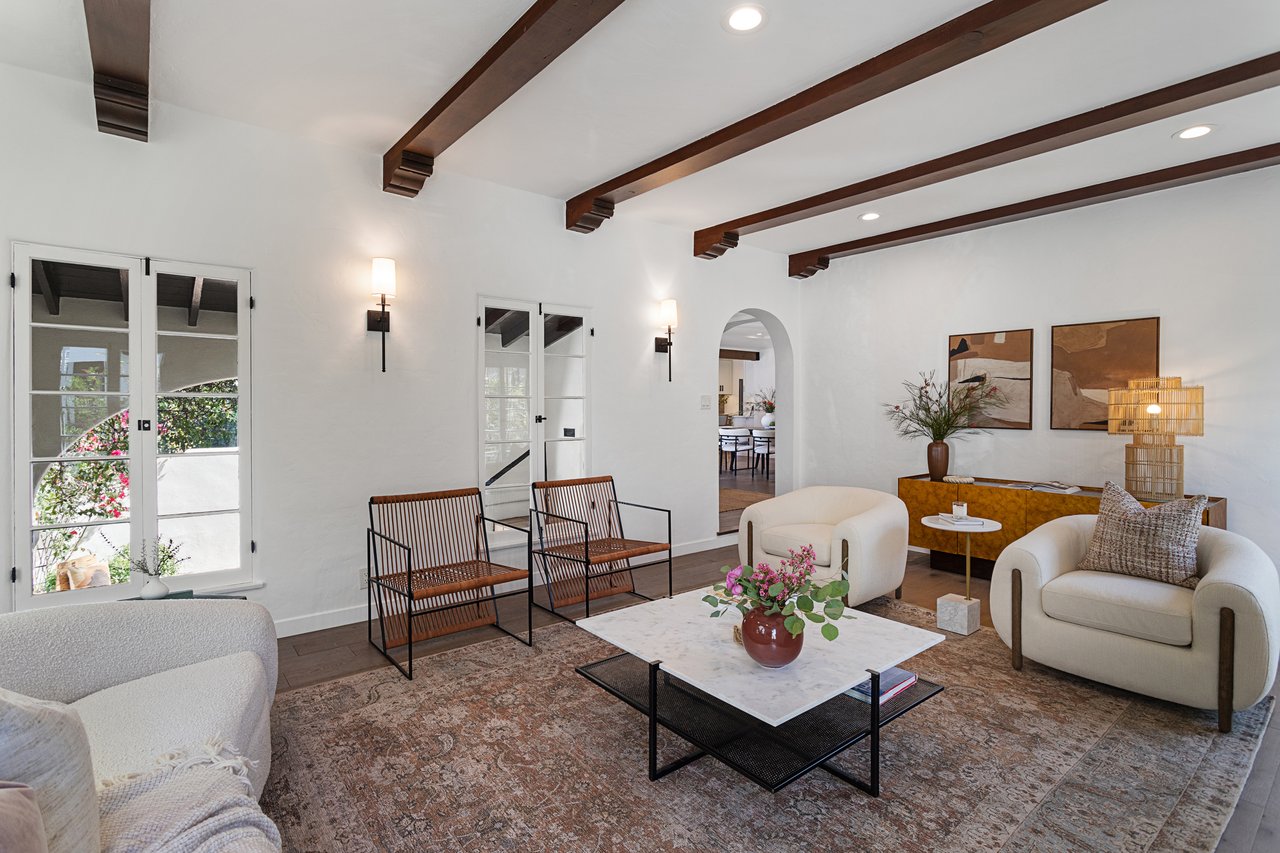
If you are shopping for a condo or a small multifamily property in Santa Monica this fall, there is a piece of paperwork that will not show up in your standard disclosure packet, will not appear on a listing sheet, and will not be mentioned by most agents unless you ask a specific question. It is the city's own final sign-off confirming that a building has completed its mandatory seismic retrofit. The city has a completion window for soft-story buildings, so buyers should verify a property's status before removing contingencies.
This is not a scare story about earthquakes. It is a story about paperwork, timing, and the gap between what California disclosure law requires a seller to hand you and what a smart buyer requests on their own.
Why an Earthquake From 1994 Still Sets Your Closing Timeline
Santa Monica's aggressive approach to seismic retrofits traces back to a single event. The 1994 Northridge earthquake destroyed roughly 1,500 apartments in the city, about 5 percent of its entire apartment stock at the time, much of it in wood-frame buildings with parking or storage on the ground floor and living units stacked above on comparatively thin supports. When those ground floors gave way, the upper stories came down with them.
The city's response was to identify nearly every building that shared that structural pattern. A few years into the current program, the city's own accounting put the number at close to 2,000 vulnerable buildings citywide, with roughly 1,700 of those falling into the soft-story wood-frame category specifically. That count reflects a point in time rather than today's exact tally, since buildings have continued to complete retrofits since then, but it establishes the scale of what the ordinance was built to solve.
The ordinance itself, Ordinance 2537, was adopted in March 2017 and lives in Chapter 8.72 of the municipal code. It set staggered deadlines by building type, and for many of the smaller soft-story properties, the completion window lands in 2026. The exact date depends on the notice group a building was assigned to, which is why the ordinance text itself is worth reading rather than taking on faith from a listing agent's summary.
Grant Timing and Fall Showings
Here is where timing gets interesting for anyone touring buildings right now. The city runs a FEMA-backed Seismic Retrofit Grant Program that reimburses part of the design and construction cost for qualifying retrofit work, and ProStruct Engineering lists an application submission deadline of August 31, 2026. That deadline has just passed.
The city has also been explicit that starting construction before FEMA approval comes through can make an owner ineligible for that funding.
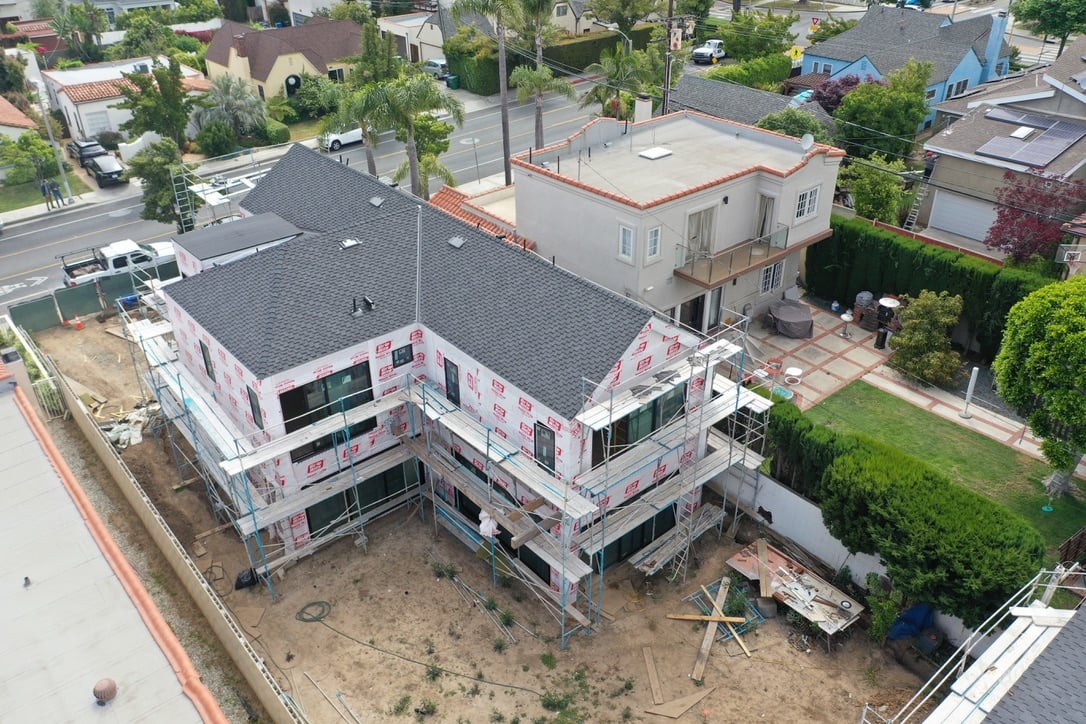
That matters for a buyer because a building with no scaffolding and no obvious work in progress is not automatically a building with nothing to worry about. It may simply be a building that is still in the paperwork stage of a process that will show up in board minutes before it shows up on the sidewalk. If you are touring a pre-1978 wood-frame building with tuck-under parking this fall, ask whether the board submitted an application by August 31 and whether FEMA approval is still pending. A recent board resolution about FEMA funding is a more current signal than the absence of construction fencing.
The House Next Door Doesn't Play by the Same Rules
One detail catches buyers off guard when they are cross-shopping a condo against a single-family house in the same neighborhood. According to Seismic Ordinances, Santa Monica's retrofit ordinance is mandatory for qualifying multifamily wood-frame buildings, but compliance for single-family homes is voluntary. A detached house down the block from a soft-story condo building can be structurally similar in age and construction, while AAA Engineering Design says the condo building next to it faces fines, potential vacate orders, and title recordation issues if it misses its deadline.
This is not a reason to avoid condos. It is a reason to stop assuming that "older Santa Monica building" means the same set of risks regardless of ownership structure. The obligation runs with the building type, not the neighborhood, and it is worth confirming which category your prospective purchase falls into before you get emotionally attached to a unit.
A Second File Nobody Bundles With the First
Seismic retrofit status is not the only structural document worth pulling before you write an offer on a Santa Monica condo. California's SB 326, codified as Civil Code Section 5551, requires condo associations to have a licensed engineer or architect inspect a statistically significant sample of exterior elevated elements, meaning balconies, walkways, stairs, and railings, along with their waterproofing, once every nine years. The written report has to address current condition, remaining useful life, and any recommended repairs.
This is a separate law with a separate report, and it is easy for a buyer to request one document and assume it covers both issues. It does not. If you are in escrow on a Santa Monica condo, ask for the most recent SB 326 report on its own, distinct from any retrofit correspondence. If the building flagged an immediate safety concern in that report, ask what was done about it and whether local code enforcement signed off on the fix.
How Retrofit Status Can Affect Financing and Assessments
Unresolved retrofit status does not stay contained to an engineering conversation. It reaches your financing. Lenders reviewing a condo project look at ownership mix, delinquency rates, and pending special assessments as part of a project-level review
Special assessments themselves are typically triggered by exactly this kind of structural work, along with things like roof and elevator replacement, waterproofing, and parking garage repairs, when reserves are not enough to cover the cost outright. If a building's reserve study shows a low balance relative to its recommended reserves and a seismic retrofit is still open, that combination is worth pricing into your offer, not discovering after you close.
What to Request Before You Remove Contingencies
A short list, but each item does real work:
- The city's final retrofit sign-off letter, not just proof that plans were submitted. A permit application in process is not the same as a completed obligation.
- The building's status on the city's public seismic retrofit list, confirmed independently rather than taken on the seller's word.
- The most recent SB 326 report, requested as its own document.
- HOA board minutes from the last 12 to 24 months, specifically scanned for mentions of retrofit costs, FEMA grant filings, or special assessment votes.
- The current reserve study, checked against whether seismic or structural work is already funded or still an open liability.
- Early confirmation from your lender on whether the building's project review raises any non-warrantable concerns.
None of this requires an engineering background. It requires knowing which documents to ask for and understanding that these documents do not arrive automatically in a standard California disclosure packet.
FAQ
Does any of this apply if I'm buying a single-family home instead of a condo? Not in the same way. This article focuses on qualifying multifamily buildings.
What if the seller or listing agent says the building isn't on the city's list? Confirm it yourself rather than relying on that statement alone. The city maintains a public list, and, as Medro Engineering explains, inclusion is based on building characteristics and year of construction rather than a case-by-case safety judgment, so it is a fact you can verify independently before you write an offer.
Councilmember Caroline Torosis has put the underlying stakes plainly, noting that Santa Monica sits "on a fault line." The ordinance exists because that fact does not change. What changes, year to year, is which buildings have actually finished the work the ordinance requires, and that is a status worth confirming in writing before you decide to buy.
If you are weighing a Santa Monica condo or small multifamily purchase and want a second set of eyes on the compliance paperwork before you write an offer, Johannes Steinbeck has spent years coordinating exactly this kind of due diligence for Westside buyers. Reach out to start that conversation before you are inside a contingency clock.
This article is general information, not legal, tax or financial advice. Consult a qualified professional about your situation.